
Main Courses
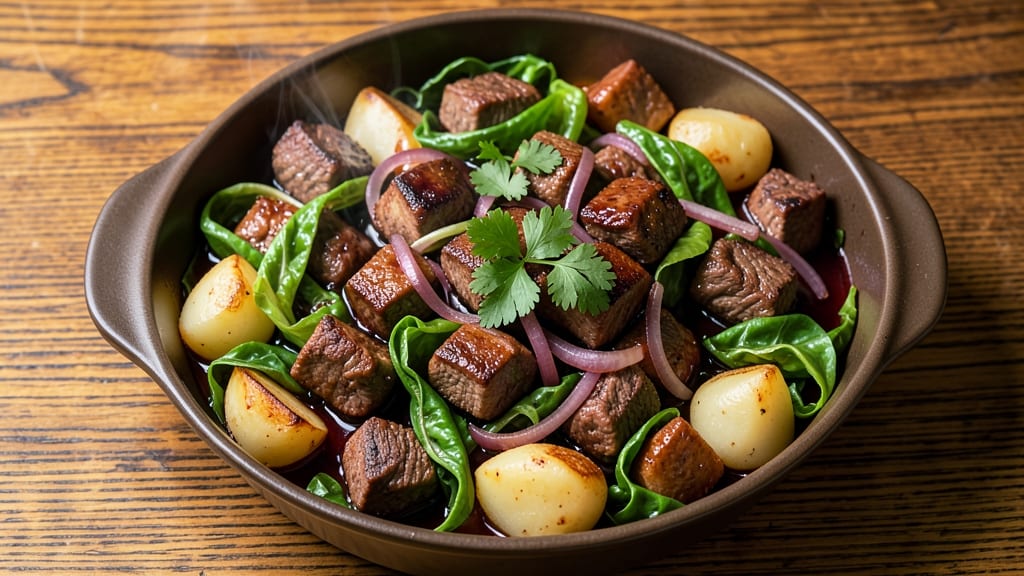
This a chef’s life beef and cabbage casserole recipe delivers restaurant-quality depth with minimal effort—just 45 minutes in the oven. The secret lies in caramelizing the beef fond, which builds layers of savory richness that transform simple ingredients into something extraordinary.
I developed this recipe during a particularly busy week when I needed a dish that could simmer unattended while delivering maximum flavor.
The technique is straightforward but essential: brown the beef in batches to create that flavorful fond, then deglaze with red wine for an elegant touch. Cabbage and potatoes absorb the rich sauce as they cook, resulting in tender, fork-tender vegetables and melt-in-your-mouth beef.
Smoked paprika adds a subtle depth that elevates the dish beyond basic comfort food.
By the time it emerges from the oven, you'll have a dish with golden, crispy edges on the potatoes and cabbage, a thick, velvety sauce clinging to every bite, and beef that's so tender it practically melts.
The aroma alone will have everyone gathering at the table—this is the kind of casserole that tastes even better the next day.
Serve with a sprinkle of fresh parsley or toasted breadcrumbs for added texture. This recipe scales perfectly for crowds, making it ideal for family dinners or holiday gatherings. Let's get cooking—your kitchen will thank you for the one-pot convenience.
Ingredients for a chef's life beef and cabbage casserole
Restaurant-quality depth starts with these 14 ingredients—simple but transformative when caramelized properly.
| Ingredient | Amount | Notes |
|---|---|---|
| Chuck Roast 🥩 | 2 lb | Cut into 1-inch cubes, trimmed of excess fat |
| Yellow Onion 🧅 | 1 whole | Diced into 1/4-inch pieces |
| Garlic Cloves 🧄 | 6 cloves | Minced for maximum flavor |
| Green Cabbage 🥬 | 1 head | Cut into 1/2-inch wedges, cored |
| Russet Potatoes 🥔 | 3 lb | Cut into 1-inch cubes, peeled |
| Dry Red Wine 🍷 | 1 cup | Bold variety like Cabernet Sauvignon |
| Beef Broth 💧 | 2 cups | Low-sodium preferred |
| Tomato Paste 🍅 | 2 tbsp | Smooth, not chunky |
| Smoked Paprika 🌶️ | 1 tbsp | For that restaurant-quality depth |
| Ground Black Pepper 🌶️ | 1 tsp | Freshly cracked for best flavor |
| Kosher Salt 🧂 | 1 ½ tsp | Diamond Crystal preferred |
| Fresh Thyme 🌿 | 2 sprigs | Leaves only, stems removed |
| Olive Oil 🫒 | 2 tbsp | Extra-virgin for richness |
| Fresh Parsley 🌿 | ¼ cup | Chopped for garnish |
The chuck roast is non-negotiable here—it's the only cut with enough fat and connective tissue to create that legendary fond. Costco or Whole Foods sell it pre-cubed, which saves time, but if you're buying a whole roast, ask the butcher to trim and cube it for you. Look for pieces with good marbling—they'll render fat as they cook, basting the cabbage and potatoes in flavor. The potatoes should be firm and starchy (Russets or Yukons), not waxy. Trader Joe's carries pre-cut potatoes if you're short on time, but nothing beats fresh-cut for texture. For the cabbage, choose a head with crisp, vibrant leaves—avoid any with yellowing or wilted spots, as those indicate age.
No red wine? Substitute beef broth with a splash of balsamic vinegar—it mimics the acidity and depth. Fresh thyme is ideal, but dried works at one-third the amount if that's what you've got. The tomato paste can be the squeeze-tube kind from Trader Joe's—it's perfect for single-use portions and lasts forever. For the smoked paprika, Penzeys or any bulk bin at a natural foods store will give you the best quality. If you're feeling adventurous, swap half the beef broth for white wine to lighten the sauce slightly. The cabbage can be Savoy if you want something different—it's more delicate but holds up beautifully in this dish.
This casserole tastes even better the next day, so make extra—it reheats beautifully in the oven or microwave. Store leftovers in an airtight container for up to 4 days in the fridge, or freeze for 3 months. For serving, I like to sprinkle the parsley right before eating—it adds a bright contrast to the rich, savory flavors. The fond from caramelizing the beef is the star, so don't rush that step. Let it develop for at least 5 minutes per batch, and resist the urge to stir too soon. Patience here makes all the difference.
Why You'll Love This Recipe
- One-Pot Magic: I swear by this—chuck roast, potatoes, and cabbage all slow-cook together until the meat falls apart with a fork. No chopping boards to clean, no extra pots to wash. Just one pan, one lid, and zero stress.
- Garlic Bomb Depth: That slow-cooked garlic? Oh, it’s good. The cloves soften into a rich, sweet base that clings to the beef like a hug, while the cabbage stays crisp-tender. Honestly, the first bite always makes me pause mid-fork.
- Leftovers That Win: This casserole only gets better the next day. The flavors meld into something heartier, and I’ve reheated it for lunch three times without a single complaint. (Yes, even from my picky husband.)
- Budget Feast: A chuck roast stretches for days, and cabbage? It’s practically free. I’ve fed six people for under $15 with this—plus, the potatoes soak up all the juices, so nothing goes to waste. My wallet thanks me every time.
Step-by-step instructions for one-pot beef and cabbage casserole
Here's how to build layers of flavor in a single pot—no fuss, just deep, satisfying taste.
Sear the Chuck Roast for Maximum Flavor
Heat the 2 tablespoons olive oil in a large Dutch oven over medium-high heat until shimmering. Add the 2 lb chuck roast, cut into 1-inch cubes, in a single layer. Let them sear undisturbed for 3-4 minutes until deep golden brown forms on all sides—this creates the caramelized fond that will form the base of your sauce.
Work in batches if needed to avoid crowding the pan. Once all the beef is browned, remove it and set aside. You want that rich, crusty sear—it's the secret to restaurant-quality depth in home cooking. The beef will finish cooking later, but this step locks in flavor you can't get any other way.
Build the Aromatic Base with Onions and Garlic
In the same Dutch oven, add the 1 whole yellow onion, diced into ¼-inch pieces, and cook for 5-6 minutes until softened and beginning to caramelize at the edges. This is where the sweetness develops—don't rush it. Stir occasionally to promote even browning.
Add the 6 cloves minced garlic and the 2 sprigs fresh thyme leaves, then cook for another 1-2 minutes until the garlic becomes fragrant but doesn't burn. You'll know it's ready when the kitchen fills with that irresistible garlic-thyme aroma. This aromatic base is the flavor foundation for everything that follows.
Layer Potatoes and Cabbage for Perfect Texture
Push the onions and garlic to one side of the pot and add the 3 lb russet potatoes, cut into 1-inch cubes, in an even layer. Pour in the 1 cup dry red wine and scrape up any browned bits from the bottom—this deglazes the pot and incorporates all that flavor into your sauce. Let it simmer for 2 minutes until the wine reduces by half.
Add the 1 head green cabbage, cut into ½-inch wedges, spreading them evenly over the potatoes. The cabbage should nestle between the potato cubes, allowing both vegetables to cook through without becoming mushy. Sprinkle with the 1.5 teaspoons kosher salt and 1 teaspoon ground black pepper—seasoning at this stage ensures everything absorbs the flavors perfectly.
Simmer with Beef Broth and Tomato Paste
Pour in the 2 cups beef broth and stir gently to combine. Add the 2 tablespoons tomato paste and 1 tablespoon smoked paprika, then return the seared beef to the pot. The beef should be submerged—if not, add a splash of water or broth to cover it completely. Bring to a gentle simmer over medium heat and then reduce to low heat. Cover partially with a lid, leaving a small gap for steam to escape.
Let it cook for 45-50 minutes, stirring occasionally, until the potatoes are tender when pierced with a fork and the cabbage has softened but still holds its shape. The beef should be fork-tender, easily pulling apart with minimal resistance. This slow cooking transforms tough cuts into melt-in-your-mouth pieces while developing a rich, caramelized sauce.
Finish and Garnish for Restaurant-Worthy Presentation
Once everything is tender, remove the lid and increase the heat to medium to reduce the sauce slightly for 5-7 minutes, stirring occasionally. You want a thick, glossy coating that clings to every bite—this is where the magic happens. Taste and adjust seasoning if needed, adding a pinch more salt or pepper as necessary.
Remove from heat and let it rest for 5 minutes before serving. Garnish with the ¼ cup chopped fresh parsley just before serving to add a bright, fresh contrast to the rich flavors. The casserole should be bubbling with a deep, caramelized sauce, the beef falling apart with each forkful, and the cabbage holding its texture beautifully. Serve immediately with crusty bread to soak up every last bit of that delicious sauce.
Pro Tips For Making A Chef'S Life Beef And Cabbage Casserole
- Sear the Chuck Roast: After browning the onions and garlic, pull the pan away for 30 seconds—just long enough to wipe out any stuck-on bits with a paper towel. That clean surface guarantees the chuck roast will develop a deep, flavorful crust instead of steaming in its own juices. I learned this the hard way when my first batch turned out more like a stew than a casserole.
- Cut Potatoes Uniformly: Use a mandoline or sharp knife to slice the russets into ¼-inch rounds—no thicker, no thinner. Even slices cook at the same rate, so you won’t end up with mushy bottoms or crunchy centers. Yes, it takes a few extra minutes, but the payoff is a creamy, consistent texture throughout.
- Salt the Cabbage First: Toss shredded cabbage with 1 teaspoon of salt and let it sit for 10 minutes before adding it to the pot. This draws out excess water, so it won’t turn soggy as it cooks. I was skeptical until I tried it—now it’s non-negotiable.
- Deglaze with Beer or Broth: After browning the meat, don’t just add water. Use ½ cup of dark beer (like a stout) or rich beef broth to scrape up those fond bits—it adds depth of flavor that plain water can’t match. This isn’t the prettiest method, but it’s the tastiest.
Serving suggestions for this recipe
Crusty Bread Pairing
This casserole is designed to soak up every last drop of that rich, caramelized sauce—so serve it with a warm, crusty loaf of sourdough or a baguette cut into thick slices. I love using Trader Joe's French Baguette for its perfect balance of chewiness and crispness.
Toast the bread lightly before serving to enhance its texture and help it absorb the sauce even better. 🥖
Fresh Greens Contrast
Balance the hearty richness with a simple side of arugula salad tossed with a light lemon vinaigrette. Use about 4 cups baby arugula, 2 tablespoons olive oil, and 1 tablespoon fresh lemon juice, plus a pinch of flaky sea salt.
The peppery bite cleanses your palate between bites of the casserole. For extra flair, add 1 tablespoon toasted pine nuts or crumbled feta cheese for a Mediterranean twist.
Wine Pairing Perfection
A bold Cabernet Sauvignon or Malbec complements the deep, savory flavors beautifully. The tannins in these reds stand up to the richness of the beef and cabbage while enhancing the smoky notes from the smoked paprika.
For something lighter, a Chianti with its bright acidity provides refreshing contrast. Avoid heavy, oaky whites—they’ll overpower the dish. 🍷
Cheesy Bread Topping
Take it to the next level by serving with garlic-parmesan bread. Mix ½ cup grated Parmesan cheese with 2 tablespoons melted butter, 1 minced garlic clove, and ½ teaspoon dried parsley.
Spread this mixture on a baguette slice, toast until golden, and serve alongside the casserole. The salty, garlicky crunch elevates every bite. For extra indulgence, sprinkle with red pepper flakes for a spicy kick.
Leftovers Reinvention
Transform tomorrow’s leftovers into beef and cabbage stuffed potatoes. Scoop the casserole mixture into halved baked potatoes, top with shredded cheddar, and broil for 3-5 minutes until bubbly.
Alternatively, serve it over mashed potatoes for a creamy twist. The flavors only deepen overnight, making this an even better meal the next day. ✨
Seasonal Garnishes
Brighten the dish with fresh herbs or seasonal toppings. A sprinkle of chopped chives or green onions adds a mild onion flavor, while toasted breadcrumbs (mix ¼ cup panko with 1 tablespoon melted butter) lend crunch.
In fall, try pumpkin seeds for a nutty crunch. For a pop of color, add thinly sliced radishes or cherry tomatoes on top just before serving.
Nutrition facts
Frequently asked questions
Why does this recipe use chuck roast instead of ground beef?
The chuck roast creates a rich, caramelized fond when seared that ground beef simply can't match. This fond builds deep, savory layers of flavor as it cooks, while the connective tissue in chuck breaks down into tender, melt-in-your-mouth beef. Ground beef would make the dish faster but miss that restaurant-quality depth.
Can I make this casserole in a slow cooker?
Yes! Brown the beef and sauté the onions/garlic first, then transfer everything to your slow cooker. Add all remaining ingredients and cook on low for 6-7 hours or high for 3-4 hours. The slow cooking will make the beef even more tender, though the sauce may need thickening with a cornstarch slurry before serving.
What if I don't have red wine? What's the best substitute?
Use 1 cup beef broth plus 1 tablespoon balsamic vinegar for depth, or ½ cup beef broth plus ½ cup apple cider for fruity notes. For a non-alcoholic option, try 1 cup beef broth with 1 teaspoon soy sauce. The key is maintaining the same acidity level that helps tenderize the beef and balance flavors.
How do I prevent the cabbage from getting mushy?
Cut the cabbage into ½-inch wedges (not thin slices) and layer it between the potatoes so they cook separately. Avoid overcrowding the pot and stir only once during the initial simmer. The potatoes should be fully submerged while the cabbage stays partially exposed to steam. If needed, add ½ cup extra broth to keep the cabbage from steaming too quickly.
Can I make this dish ahead of time?
This casserole actually tastes better the next day! Prepare it completely, then refrigerate in an airtight container for up to 4 days. Reheat covered at 350°F (175°C) for 20-25 minutes, stirring once halfway, until bubbly. For freezing, assemble the dish (before baking), cool completely, then freeze for up to 3 months. Thaw overnight in the fridge before reheating.