
Soups & Stews
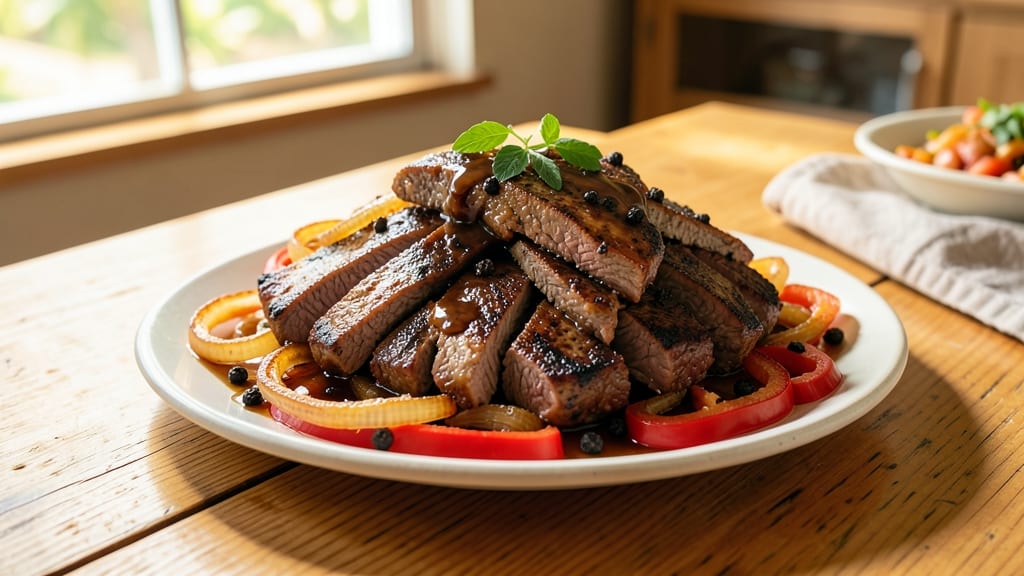
This beef asado Panlasang Pinoy transforms humble beef into a fragrant, vinegar-braised masterpiece that defines Filipino comfort food. 🔥 The slow-simmered technique creates tender meat infused with garlic, soy, and vinegar—where every bite delivers a perfect balance of tangy, savory, and umami.
What makes this dish special is its cultural heart: traditionally served at gatherings, where the rich aroma fills the air and the communal sharing makes it more than just a meal.
The magic happens in the marinade, where garlic, soy sauce, and vinegar work together to tenderize the beef while building deep flavor. Unlike other braised dishes, this recipe uses a foolproof oven method that achieves restaurant-quality results without requiring a grill.
The beef becomes fork-tender with a glossy, caramelized surface that practically melts in your mouth. What you'll end up with is a dish that's rich, aromatic, and deeply satisfying—perfect for feeding a crowd or meal prepping for the week.
The sauce clings to every piece of beef, creating a symphony of flavors that's both familiar and exciting. Serve it with steamed rice, garlic fried rice, or atchara for the full Filipino experience.
This recipe bridges tradition and modern convenience, making it accessible for home cooks while staying true to its cultural roots. Let's get started!"
Ingredients for beef asado recipe panlasang pinoy
Six core ingredients and a few pantry staples transform tough beef into melt-in-your-mouth asado.
| Ingredient | Amount | Notes |
|---|---|---|
| Beef Chuck Roast 🥩 | 3 lb | Cut into 2-inch cubes |
| White Vinegar 💧 | 1 cup | Distilled preferred |
| Soy Sauce 🍶 | ½ cup | Regular or light soy |
| Garlic Cloves 🧄 | 10 cloves | Minced finely |
| Brown Sugar 🍚 | ½ cup | Packed tightly |
| Black Peppercorns 🌶️ | 1 tbsp | Crushed lightly |
| Bay Leaves 🌿 | 2 whole | Fresh preferred |
| Onion 🧅 | 1 whole | Large, sliced thick |
| Olive Oil 🫒 | 2 tbsp | Extra-virgin for richness |
| Salt 🧂 | 1 ½ tsp | Kosher or sea salt |
| Ground Black Pepper 🌶️ | 1 tsp | Freshly ground preferred |
| Water 💧 | 1 cup | Room temperature |
| Green Onions 🧅 | 4 whole | Sliced thin, for garnish |
The beef is everything here—chuck roast delivers that signature tender texture, while sirloin or flank steak stays too firm. Look for cuts with good marbling at Filipino markets or your local butcher—they often carry the best options. If you can't find chuck, chuck-eye or bottom round work well too. The vinegar and soy sauce should be good-quality brands like Silver Swan or Lee Kum Kee—the deeper the flavor, the better the result. Fresh garlic cloves make all the difference; peel and crush them lightly before mincing for maximum aroma.
No white vinegar? Apple cider vinegar works in a pinch, though it adds a slight sweetness. Short on soy sauce? Coconut aminos or even teriyaki sauce can substitute, but reduce the sugar slightly. The brown sugar can be swapped for white sugar or coconut sugar, though brown adds that caramelized depth. For extra umami, add 1 tbsp fish sauce if you're not avoiding it. The bay leaves are non-negotiable—they infuse the sauce with earthy notes that define this dish. If you can't find fresh, dried bay leaves work at half the amount, but toast them first for better flavor.
This dish tastes even better the next day, so make extra if you can. Store leftovers in the fridge for 4-5 days or freeze for up to 3 months—the flavors deepen over time. To reheat, use low heat with a splash of water to prevent drying. Garnish with those sliced green onions right before serving—they add a fresh pop of color and a mild onion bite that cuts through the richness. Serve with steamed rice to soak up every last bit of that glossy, vinegar-kissed sauce.
Why You'll Love This Recipe
- One-Pan Magic: I swear by this for lazy Sundays—just sear the beef, dump in the vinegar-soy-brownie mix (yes, brown sugar’s the secret), and let it simmer. No flipping pans, no stress.
- Garlic-Sugar Bomb: That caramelized brown sugar and minced garlic? It turns tough chuck roast into melt-in-your-mouth perfection. Honestly, the first bite makes you question why you ever bought pre-made marinades.
- Leftover Lifesaver: This dish actually improves the next day—more tender, flavors deeper. I freeze half for busy nights, and it reheats like a dream (just add a splash of water, cover it tight).
- Budget Feast: A single chuck roast feeds my whole family plus leftovers—way cheaper than takeout. The vinegar cuts the richness, so it’s light enough for summer but rich enough for winter. My wallet thanks me.
Step-by-step instructions for beef asado Panlasang Pinoy
Master the art of slow-simmered Filipino beef with this precise, flavor-packed method.
🔥 Step 1: Sear the Beef Chuck Roast
Heat a large Dutch oven over medium-high heat and add the 2 tablespoons olive oil. Once shimmering, add the 3 lb beef chuck roast cut into 2-inch cubes in a single layer, leaving space between pieces. Let them sear undisturbed for 3-4 minutes until deep golden brown forms on all sides.
This initial searing creates a flavorful crust that locks in juices during the long simmer. If the pan gets crowded, work in batches—don't rush this step. You'll know it's ready when the beef releases easily from the pan with a gentle nudge. Transfer the seared beef to a plate and set aside.
🍳 Step 2: Build the Flavor Base
In the same Dutch oven, add the 1 whole onion sliced thick and the 10 cloves garlic cloves minced finely. Cook for 3-4 minutes until the onions soften and turn translucent, stirring occasionally. Add the 1 tablespoon crushed black peppercorns and cook for another 30 seconds to toast slightly, releasing their aromatic oils.
Here's the thing—don't skip toasting the peppercorns. Their deep, earthy flavor becomes the backbone of this dish. When the aromatics are fragrant and the onions begin to caramelize slightly, it's time to add the remaining ingredients. Remove the pan from heat briefly to prevent burning.
🥘 Step 3: Combine All Ingredients for Simmering
Return the Dutch oven to medium heat and add the seared beef back to the pan. Pour in the 1 cup white vinegar, 0.5 cup soy sauce, and 0.5 cup brown sugar packed tightly. Stir everything together, scraping up any browned bits from the bottom of the pan—this is where the magic happens.
Add the 2 whole bay leaves, 1.5 teaspoons salt, and 1 teaspoon ground black pepper. Pour in the 1 cup water and bring the mixture to a gentle boil. Once boiling, reduce heat to low and cover with a tight-fitting lid. This is where patience pays off—simmer for 1 hour 30 minutes to 2 hours until the beef is fork-tender.
⏰ Step 4: Finish and Garnish
After the beef is tender, uncover the pot and increase heat to medium-high to reduce the sauce slightly for 5-7 minutes until it thickens and coats the back of a spoon. Taste and adjust seasoning if needed—you might want to add a splash more soy sauce or a pinch of salt to balance the flavors.
Remove the 2 bay leaves and transfer the beef and sauce to a serving platter. Garnish with the 4 whole green onions sliced thin. Serve immediately with steamed rice to soak up that rich, tangy sauce. The beef should be fall-apart tender with a glossy, caramelized sauce that's perfectly balanced between sweet, salty, and tangy.
Pro Tips For Making Beef Asado Recipe Panlasang Pinoy
- SEAR THE CHUCK FIRST: I learned this the hard way—skipping the sear means bland, gray beef. Pat the chuck dry, then hit it with oil in a hot pan until deep brown crust forms on all sides. That’s where the flavor lives, and it won’t dissolve in the vinegar-soy braise later.
- MINCE GARLIC FINE: Too many cloves? No. Too coarse? Yes. For this dish, you want garlic almost paste-like—smashed with the flat side of your knife until it’s barely visible. I was skeptical until I tried it; the sauce becomes silky instead of clumpy, and the vinegar’s sharpness mellows out.
- DEGLAZE WITH VINEGAR LAST: Add the white vinegar too early, and you’ll cook off all its bright acidity before the beef even starts to tenderize. Wait until the garlic’s golden and the meat’s browned, then pour in the vinegar—let it sizzle and bubble for 30 seconds before adding soy and sugar. That’s when the magic happens.
- SIMMER COVERED, THEN UNCOVER: The first 45 minutes? Keep the lid on low heat to break down the meat. After that, lift the lid and let the liquid reduce by half—this concentrates the flavors and gives you that glossy, caramelized sauce. I skip this when I’m lazy, but the dish is noticeably better when I don’t.
Troubleshooting great beef asado recipe panlasang pinoy
Beef Too Tough
If your beef isn't tender enough after simmering, it's likely because the cut wasn't fatty enough or the cooking time wasn't long enough. I recommend using chuck roast specifically for its marbling—it's designed to break down during long cooking.
If you accidentally used a leaner cut like sirloin, extend the simmering time by another 30-45 minutes and add ½ cup warm water to keep the sauce from drying out. 💡
Another trick is to score the beef (make shallow cuts) before searing—this helps the marinade penetrate deeper. If all else fails, shred the beef slightly with two forks and return it to the pot for an additional 15 minutes of simmering.
Sauce Too Thin
The sauce might be too thin if you didn't reduce it properly at the end. After removing the beef, uncover the pot and simmer over medium-high heat for 5-10 extra minutes to thicken it.
If it's still too thin, mix 1 tablespoon cornstarch with 2 tablespoons cold water, stir it into the sauce, and cook for another 2 minutes until it thickens. 🥄
Pro tip: If you're using a slow cooker, reduce the sauce separately in a small saucepan after cooking. The slow cooker method often results in thinner sauces because it lacks the concentrated heat needed for reduction.
Vinegar Overpowering
The tangy flavor of vinegar can sometimes dominate if not balanced properly. To fix this, add 1-2 tablespoons of brown sugar or 1 tablespoon of honey to the sauce and simmer for 3-5 minutes to mellow out the sharpness.
A splash of soy sauce (about 1 tablespoon) can also help round out the flavors. 🍯
If the dish is already served, serve it with sweet sides like garlic fried rice or steamed white rice to balance the acidity. A side of atchara (Filipino pickled papaya) adds a refreshing contrast that cuts through the tang.
Burnt Onions or Garlic
Burnt aromatics can make the dish taste bitter. To prevent this, lower the heat to medium when cooking the onions and garlic, and stir frequently to avoid browning too quickly.
If you notice the onions turning dark, remove them immediately and set aside—you can add them back later when adding the other ingredients. 🧅
If you accidentally burn the garlic, remove it completely and replace it with fresh minced garlic (about 5 cloves) when combining all the ingredients. The extra garlic will add freshness and mask any burnt flavors.
Uneven Cooking
Uneven cooking often happens when the beef pieces vary in size. To fix this, cut all beef into uniform 2-inch cubes before searing. If some pieces are still undercooked after the initial simmer, remove them and simmer separately for an additional 15-20 minutes until tender. 🥩
For future batches, separate the beef into similar-sized groups before cooking. This ensures even heat distribution and prevents some pieces from cooking faster than others. If you're using a Dutch oven, make sure it's large enough to accommodate all the beef in a single layer without overcrowding.
Nutrition facts
Frequently asked questions
Can I make this beef asado in a slow cooker?
Yes! For a slow cooker version, sear the beef first, then combine all ingredients (except water) in the pot. Add 1 cup water and cook on low for 6-7 hours or high for 3-4 hours. The sauce will be thinner, so reduce it separately in a saucepan afterward. The beef will be just as tender—just watch the water level to prevent overflow.
What's the best way to store leftovers?
Store in an airtight container in the fridge for 4-5 days or freeze for up to 3 months. The flavors actually improve over time! To reheat, use low heat with a splash of water to prevent drying. For extra richness, add a little soy sauce or vinegar when reheating to restore that signature tang.
Can I use a different vinegar?
White vinegar is traditional, but apple cider vinegar or rice vinegar work well too. Apple cider adds subtle sweetness, while rice vinegar gives a milder tang. Just use the same amount. Avoid balsamic—it's too sweet and will overpower the dish. The key is the acidity, not the specific vinegar type.
How do I make this dish vegetarian?
Swap beef for extra-firm tofu or mushrooms (like portobello or king oyster). For tofu, press and cube it, then pan-fry until crispy before simmering. Use 1 tbsp soy sauce extra and ½ cup vegetable broth instead of water. The sauce will still develop that signature tangy-sweet balance, though the texture will be different.
Why does my asado taste different from what I've had at Filipino restaurants?
Restaurant versions often use secret blends like calamansi juice or annatto oil for color, and may include fish sauce for deeper umami. Home cooks can mimic this by adding 1 tbsp fish sauce (if using) and a pinch of turmeric for color. The key difference is usually the cooking time—restaurants often braise longer for more intense flavors.