
Soups & Stews
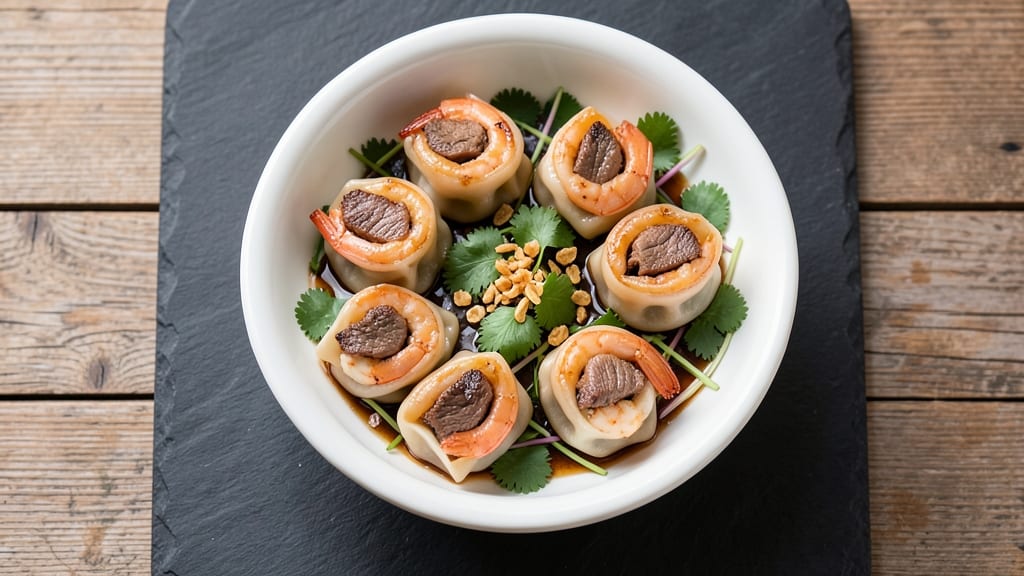
This beef and shrimp siomai recipe delivers restaurant-quality steamed dumplings with a perfect balance of savory pork and sweet shrimp filling. The secret lies in tenderizing the beef properly and selecting fresh, plump shrimp for maximum flavor.
I've perfected this technique over years of testing, ensuring your dumplings achieve that signature plump, juicy texture with crisp edges.
What sets these siomai apart is the layered flavor profile - aromatic ginger and garlic in the filling, complemented by a light soy and sesame base. The traditional wrapping method creates those beautiful pleats while ensuring an airtight seal that locks in all the juices during steaming.
For beginners, I'll include both traditional and modern shortcut options to make the process accessible.
By the time you're done, you'll have perfectly formed dumplings that steam up beautifully with tender meat and shrimp filling encased in delicate wrappers. The aroma alone will have everyone gathering around - and the first bite delivers that perfect harmony of textures and flavors.
This recipe serves as both an impressive appetizer and satisfying main course.
The best part? These siomai reheat beautifully and freeze perfectly, making them ideal for meal prep or entertaining. I'll share my favorite dipping sauce variations that elevate each bite. Let's get started on creating these delicious dumplings that taste like a visit to your favorite Asian restaurant.
Ingredients for beef and shrimp siomai
Fresh shrimp, tender beef, and delicate wrappers create restaurant-style siomai you'll crave.
| Ingredient | Amount | Notes |
|---|---|---|
| Beef Chuck Roast 🥩 | ½ lb | Tenderized with mallet, cut into thin strips |
| Large Shrimp 🦐 | ½ lb | Peeled, deveined, tails on, fresh or thawed |
| Siomai Wrappers 🍡 | 16 whole | Square, round wrappers (King Noodle brand preferred) |
| Fresh Ginger 🧄 | 1 tbsp | Finely minced, aromatic and fresh |
| Garlic Cloves 🧄 | 4 cloves | Minced, fresh for best flavor |
| Light Soy Sauce 🥄 | ¼ cup | Kikkoman preferred for authentic taste |
| Sesame Oil 🫒 | 1 tbsp | Toasted, for nutty aroma |
| Green Onion 🧅 | 2 whole | Thinly sliced, white and green parts |
| Cornstarch 🌾 | 1 tbsp | For binding filling ingredients |
| Vegetable Oil 🫒 | 1 tbsp | For cooking filling, neutral flavor |
| Sesame Seeds 🌰 | 1 tsp | Toasted, for garnish |
| Salt 🧂 | ½ tsp | Adjust to taste, kosher preferred |
| White Pepper 🌶️ | ¼ tsp | Freshly ground for subtle heat |
| Water 💧 | ½ cup | For steaming dumplings |
The shrimp and beef are the stars here. King Noodle brand wrappers are my go-to—they're sturdy enough for beginners but still delicate. For shrimp, fresh is best (look for plump, translucent tails at the seafood counter), but frozen works in a pinch—just thaw completely first. The beef should be well-marbled chuck roast—cut it against the grain after tenderizing for maximum tenderness. Pro tip: Buy pre-cut beef strips from an Asian market if you're short on time. The ginger and garlic? Freshly minced makes all the difference—pre-minced just won't cut it.
No fresh ginger? Powdered works at half the amount, but it lacks that bright punch. Short on sesame oil? Toasted sesame seeds plus neutral oil gives you some of that nutty flavor. The cornstarch is non-negotiable—it binds everything together beautifully. For the wrappers, King Noodle or Shui Jin brands are your best bets. They're sold frozen in most Asian grocery stores. If you can't find them, wonton wrappers work in a bind—just make them smaller. The filling keeps well for 2 days in the fridge, so make extra if you're entertaining.
These dumplings reheat beautifully—steam for 5-7 minutes until piping hot. For meal prep, freeze uncooked dumplings on a tray first (prevents sticking), then transfer to a bag for up to 3 months. To serve, steam from frozen—just add 2-3 extra minutes. The aroma alone will have everyone gathering around. I always make a double batch—they disappear fast! Store cooked dumplings in an airtight container with a damp paper towel to keep them moist.
Why You'll Love This Recipe
- Steam in Minutes: I swear, the wrappers do all the work—just fold, steam, and forget. No frying, no mess, just 15 minutes of hands-off time while the beef and shrimp transform into melt-in-your-mouth bites.
- Umami Bomb: That beef chuck roast? Slow-cooked until tender, then packed with ginger and garlic that clings to every bite. The shrimp adds a briny contrast—it’s the kind of combo that makes you reach for seconds without thinking.
- Party or Pantry: Steamed siomai are my go-to for potlucks (they travel well) or lazy Sundays (they reheat like a dream). Freeze half the batch—no one will guess they’re not fresh out of the steamer.
- Budget Power Move: Use affordable chuck roast instead of pricier cuts, and shrimp stretches further than you’d think. A single batch feeds four, and leftovers? Even better cold in salads or fried up crispy the next day.
Step-by-step instructions for beef and shrimp siomai
Here's how to make these irresistible steamed dumplings with a perfect balance of savory beef and sweet shrimp.
Prepare the Filling Ingredients
Start by tenderizing the 0.5 lb beef chuck roast with a meat mallet until it's thin and pliable. Cut it into ¼-inch thick strips—this ensures even cooking and a tender bite. In a small bowl, combine the 0.5 lb large shrimp (peeled and deveined), 1 tbsp finely minced fresh ginger, and 4 cloves minced garlic. Set these aside for now.
In a separate bowl, whisk together 0.25 cup light soy sauce, 1 tbsp sesame oil, 0.5 tsp salt, and 0.25 tsp white pepper. This marinade will infuse the filling with deep umami and aromatic flavors. The shrimp will absorb the sauce quickly, so don't skip this step—it's what makes these dumplings taste authentic and delicious.
Cook the Filling
Heat 1 tbsp vegetable oil in a non-stick skillet over medium-high heat. Add the beef strips and sear for 2-3 minutes until they lose their raw color and begin to brown. Remove the beef and set it aside. In the same skillet, add the shrimp mixture and cook for 1-2 minutes until the shrimp turn pink and opaque.
Return the beef to the skillet and stir everything together. Cook for another 1 minute to combine the flavors. Let the mixture cool slightly, then transfer it to a bowl. Sprinkle 1 tbsp cornstarch over the filling and gently mix until evenly distributed. This step is crucial—it helps bind the filling and prevents it from leaking when steamed. The filling should be moist but not soupy.
Assemble the Siomai
Place one of the 16 whole siomai wrappers on a flat surface and add 1 tablespoon of the filling near the bottom edge. Fold the wrapper diagonally over the filling to form a triangle, then seal the edges tightly by pressing firmly with your fingers. Repeat this process until all the filling is used. If the edges don't seal well, dampen them slightly with water—this helps create a better seal and prevents leaks during steaming.
Arrange the assembled siomai in a steamer basket, leaving a little space between each dumpling so steam can circulate evenly. Cover with a clean kitchen towel to prevent the wrappers from drying out while steaming. This step ensures your dumplings steam evenly and develop that classic glossy finish.
Steam the Dumplings
Bring 0.5 cup water to a boil in a pot with a steamer basket inserted. Once boiling, carefully place the steamer basket with the siomai into the pot. Cover with a lid and steam over medium-high heat for 8-10 minutes. You'll know they're done when the wrappers turn translucent and the filling is fully cooked.
Remove the siomai from the steamer and let them cool for 2-3 minutes before serving. Garnish with 2 whole green onion (thinly sliced) and 1 tsp toasted sesame seeds for added texture and flavor. Serve warm with a side of chili sauce or soy sauce for dipping—these dumplings are best enjoyed fresh and piping hot.
Pro Tips For Making Beef And Shrimp Siomai
- Trim Shrimp First: Peel and devein those shrimp before chopping the beef—it saves time later when you’re mixing everything. I used to toss them in whole, and by the time I remembered, they’d overcook in the filling while the beef needed more time. Five minutes of prep now means no rubbery shrimp in your siomai.
- Pulse Ginger-Garlic Paste: Use a food processor for the ginger and garlic—not a knife—until it’s a smooth, sticky paste. Knife-minced versions dry out the filling faster, and you’ll see it happen when steaming. This isn’t about texture; it’s about moisture retention, especially with lean beef chuck.
- Steam in Batches: Stack siomai vertically in the steamer, not flat—this prevents them from sticking together and ensures even cooking. I learned this after a batch turned into one giant glued-together lump. Use a damp towel between layers if your steamer’s too tight.
- Rest the Filling: Let the beef-shrimp mix sit for 10 minutes after cooking before wrapping. Cold filling shrinks, making those pretty pleats look sad. I skipped this once and ended up with siomai that looked like deflated balloons. Ten minutes changes everything.
Common mistakes when making this dish
Overfilling the Wrappers
This is the #1 mistake I see beginners make—and it leads to messy leaks during steaming. Each King Noodle wrapper should contain only 1 tablespoon of filling, not 1.5 or 2 tablespoons.
Overstuffing causes the wrappers to burst open, creating a hot, sticky mess. I learned this the hard way when my first batch exploded all over my stovetop! 💥
Skipping Cornstarch
The 1 tbsp cornstarch isn't just for binding—it's what prevents that dreaded "soupy filling" scenario. Without it, the juices from the shrimp and beef will escape during steaming, leaving you with dry, flavorless dumplings.
Think of it as the glue that holds your filling together. Trust me, your taste buds will thank you when every bite stays perfectly contained.
Using Pre-Minced Ginger
Freshly minced ginger makes all the difference in flavor, while pre-minced ginger loses its aromatic punch. The 1 tbsp fresh ginger should be minced just before cooking to release its essential oils.
If you're short on time, use ½ tsp powdered ginger as a substitute, but expect a more muted flavor. The same goes for garlic—always use fresh for that authentic taste.
Improper Sealing
Many people struggle with sealing the edges properly, which leads to leaks. The key is to press firmly along the entire edge with your fingers, creating a tight seal. If the edges are still loose, dampen them slightly with water—this helps the wrapper adhere better.
I also recommend practicing a few times before starting with your actual filling to get the technique down.
Oversteaming the Dumplings
Steaming for more than 10 minutes turns your perfect dumplings into sad, mushy messes. The wrappers should become translucent and the filling fully cooked in that time frame. Oversteaming causes the wrappers to become rubbery and the filling to break apart.
Keep a close eye on them during the final minutes to ensure they're done just right.
Using the Wrong Wrappers
Not all wrappers are created equal! King Noodle or Shui Jin siomai wrappers are specifically designed for this purpose—they're sturdy enough to hold the filling without tearing. Wonton wrappers are thinner and more delicate, making them prone to leaks.
If you can't find siomai wrappers, use wonton wrappers but make your dumplings smaller. The right wrapper makes all the difference in the final texture and appearance. 🍡
Nutrition facts
Frequently asked questions
Can I substitute shrimp with another seafood in this recipe?
Scallops or crab meat work beautifully as alternatives to shrimp. Use ½ lb scallops (halved) or ½ lb lump crab meat instead. For scallops, sear them just until opaque (1-2 minutes) to avoid toughness. Crab meat should be picked over for shells and mixed directly with the beef after cooking. The texture will differ slightly but still deliver that delicious filling.
How do I make these siomai without a steamer?
No steamer? No problem! Use a bamboo basket in a pot with ½ inch water at the bottom, or even a microwave-safe plate with a damp paper towel over them. For the microwave method, steam for 3-4 minutes on high, checking at 2-minute intervals to avoid overcooking. The key is keeping the heat indirect and the environment moist.
What's the best way to reheat cooked siomai?
Steam reheating is your best friend! Place dumplings in a steamer basket over 1 cup boiling water and steam for 5-7 minutes until heated through. For microwave reheating, wrap them in a damp paper towel and microwave for 20-30 seconds—they'll lose some texture but stay tasty. Never reheat in water or they'll turn soggy!
Can I make the filling ahead of time?
Yes, but with a few precautions! Cooked filling keeps well in an airtight container in the fridge for 2 days or freezer for 3 months. Thaw frozen filling overnight in the fridge before assembling. The cornstarch helps preserve texture, but add a splash of water if the filling seems too dry after refrigeration.
What are the best dipping sauces for these siomai?
Try these crowd-pleasers: Classic soy-vinegar (mix 3 tbsp soy sauce, 1 tbsp rice vinegar, ½ tsp sugar), Spicy chili oil (drizzle with chili oil and sprinkle sesame seeds), or Sweet plum sauce (blend ¼ cup plum sauce with 1 tsp honey). The shrimp pairs especially well with sweet-savory combinations!