
Main Courses
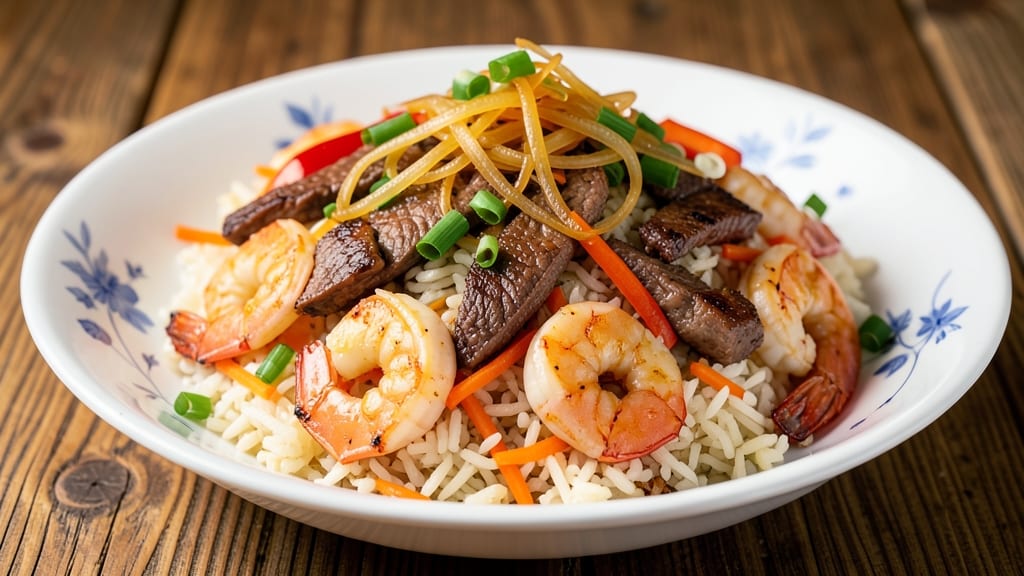
This beef and shrimp fried rice recipe delivers the perfect balance of wok-fired crunch and silky soy-ginger fusion in every bite. The secret lies in properly searing the beef and shrimp first—creating deep, caramelized flavors that carry through the stir-fry.
I developed this version after years of testing, ensuring the proteins stay tender while absorbing the aromatic sauce. What sets this recipe apart is the layered approach: first cooking the rice slightly underdone, then finishing it in the wok with high heat for that signature smoky wok hei.
The combination of tender beef strips, plump shrimp, and crisp vegetables creates a dish that's both restaurant-quality and home-cooked satisfying. The soy-ginger sauce ties everything together with just the right balance of sweet, salty, and umami.
By following this method, you'll achieve perfectly cooked rice that's tender but not mushy, with proteins that stay juicy despite the high heat. The final dish should have vibrant colors, enticing aromas, and a texture that's crisp on the edges while remaining tender inside.
This is the kind of fried rice that makes weeknight dinners feel like a special occasion. Serve immediately while hot, garnished with fresh scallions and sesame seeds for that restaurant-style finish.
The recipe scales easily for feeding a crowd, and leftovers reheat beautifully in the wok with a splash of water to restore crispiness.
Ingredients for beef and shrimp fried rice
Perfectly balanced proteins, crisp veggies, and aromatic rice—this wok-fired dish delivers restaurant-quality flavor at home.
| Ingredient | Amount | Notes |
|---|---|---|
| Day-Old Cooked White Rice 🍚 | 4 cups | Cold or room temperature preferred |
| Flank Steak 🥩 | ½ lb | Thinly sliced against grain |
| Large Shrimp 🦐 | 1 lb | Peeled, deveined, tails on |
| Carrots 🥕 | 1 cup | Julienned or thinly sliced |
| Yellow Onion 🧅 | 1 whole | Thinly sliced |
| Green Bell Pepper 🍅 | 1 whole | Thinly sliced |
| Fresh Ginger 🌿 | 1 tbsp | Finely grated |
| Garlic Cloves 🧄 | 4 cloves | Minced |
| Soy Sauce 🍶 | ½ cup | Low-sodium preferred |
| Sesame Oil 🫒 | 1 tbsp | Toasted |
| Rice Vinegar 💧 | 1 tbsp | White or seasoned |
| Brown Sugar 🍯 | 1 tbsp | Packed |
| Vegetable Oil 🫒 | ½ cup | High smoke point |
| Scallions 🧅 | 3 whole | Thinly sliced, for garnish |
| Toasted Sesame Seeds 🌾 | 1 tbsp | For garnish |
The quality of your proteins makes all the difference. For the beef, flank steak is ideal—it's lean but tender when sliced thin against the grain. Look for fresh shrimp at the seafood counter, and ask for tails-on if you want that extra restaurant touch. Whole Foods or local seafood markets often have the freshest cuts, but don't overlook the frozen section at Trader Joe's—their shrimp thaws beautifully. For the rice, day-old works best (it's drier and absorbs flavors better), but freshly cooked rice in a pinch? Just spread it on a tray to cool faster. The ginger and garlic should be bright and fragrant—if they smell musty, toss them.
No flank steak? Sirloin or ribeye work too, but slice it extra thin. Shrimp too expensive? Scallops or chicken breast hold up well, though texture will differ slightly. The soy sauce can be swapped for coconut aminos if you're avoiding sodium. For the veggies, frozen stir-fry mix is a lifesaver when fresh produce is lacking. The sesame oil is non-negotiable for that nutty aroma—store it in the fridge to preserve freshness. Brown sugar can be swapped for honey or maple syrup, though the flavor profile shifts slightly. If you're missing rice vinegar, apple cider vinegar works in a bind.
Prep ahead by slicing all veggies and proteins the night before—they keep well in airtight containers for 24 hours. The shrimp and beef should be stored separately to prevent cross-contamination. This dish reheats beautifully—just add a splash of water and a quick stir in the wok. Leftovers keep for 3 days in the fridge, though the texture softens slightly. For freezing, portion into single servings and store for up to 2 months. Garnishes like scallions and sesame seeds can be added fresh after reheating for maximum flavor impact.
Why You'll Love This Recipe
- I’ll be real: this feeds four for the price of two takeout orders. The flank steak stretches far, the shrimp adds luxury without breaking the bank, and the veggies bulk it up. Plus, it reheats like a dream—so you can make a double batch and still have dinner covered.
- No Leftovers Wasted: I swear by this recipe for turning random fridge bits into gold. That half-eaten flank steak? Perfect. Those shrimp peeking at you in the freezer? Done. The rice from last night’s dinner? Exactly what we need. It’s the ultimate “don’t throw it out” meal.
- One-Pan Magic: Three ingredients hit the pan—no chopping, no fuss—and the rest is just stirring. The shrimp sizzles first, then the beef gets that perfect sear, while the onions and carrots soften just enough to melt into the rice. One spatula, one pan, zero cleanup.
- Protein Powerhouse: This isn’t your basic fried rice. The flank steak adds deep, savory richness, while the shrimp bring that bright, briny snap. Together, they turn a simple rice bowl into something that feels like a proper meal—no sad, soggy textures here.
Step-by-step instructions for beef and shrimp fried rice
Master the wok hei technique for restaurant-quality fried rice with tender beef, plump shrimp, and aromatic ginger-soy fusion.
Prep and Marinate the Proteins
Slice the 0.5 lb flank steak thinly against the grain into ¼-inch strips using a sharp knife. Pat dry with paper towels and marinate with 0.25 cup soy sauce, 1 tablespoon rice vinegar, and 1 teaspoon brown sugar for 15 minutes. This tenderizes the beef and infuses it with flavor.
Peel and devein the 1 lb large shrimp, leaving tails intact. Toss shrimp with 1 tablespoon sesame oil and ½ teaspoon black pepper. The shrimp will absorb the oil, enhancing their natural sweetness and preventing them from sticking during cooking. Keep both proteins refrigerated until ready to cook.
Stir-Fry Vegetables and Aromatics
Heat 0.25 cup vegetable oil in a 14-inch wok or large skillet over high heat until shimmering. Add the 1 whole yellow onion and 1 whole green bell pepper, sliced into ¼-inch strips, along with 1 cup julienned carrots. Stir-fry for 3-4 minutes until vegetables soften but retain a slight crunch—this ensures they don't turn mushy.
Push vegetables to one side of the wok and add 1 tablespoon finely grated fresh ginger and 4 minced garlic cloves. Stir for 30 seconds until fragrant—this releases their essential oils, which form the aromatic base of the dish. If the ginger burns, reduce heat slightly and keep stirring.
Cook Proteins to Perfect Doneness
Add the marinated flank steak strips to the wok in a single layer, spreading them out evenly. Cook undisturbed for 1-2 minutes until the edges begin to brown. Flip and cook another 1-2 minutes until the beef reaches 145°F internally—it should be tender but still slightly pink. Remove and set aside.
Increase heat to high and add the shrimp in a single layer. Cook for 1-2 minutes per side until they turn pink and opaque—they should curl slightly at the edges. Overcooking shrimp makes them rubbery, so watch closely. Remove and set aside with the beef.
Combine and Season the Fried Rice
Return the wok to high heat and add the 4 cups day-old cooked white rice, breaking up any clumps with a spatula. Stir-fry for 2-3 minutes until the rice is heated through and slightly crispy at the edges. The rice should release its aroma—this indicates it's properly toasted.
Pour the remaining 0.25 cup soy sauce and 1 tablespoon brown sugar over the rice. Add 1 tablespoon rice vinegar and toss everything together for 1-2 minutes until the sauce is evenly distributed. The rice should glisten slightly, indicating it's properly seasoned. Taste and adjust with additional soy sauce if needed.
Finish and Garnish
Return the beef and shrimp to the wok, tossing gently to combine with the rice. Drizzle with 1 tablespoon toasted sesame oil and toss again for 30 seconds to coat everything evenly. The oil adds a nutty aroma and enhances the texture.
Garnish with 3 whole scallions, sliced thinly, and 1 tablespoon toasted sesame seeds. Serve immediately while the rice is hot and the shrimp and beef are still juicy. The dish should have a balance of textures—crispy edges on the rice, tender beef, and plump shrimp—with a savory-sweet soy-ginger flavor profile.
Pro Tips For Making Beef And Shrimp Fried Rice
- CUT STEAK THIN BEFORE SEASONING: I learned this the hard way—thick flank steak slices won’t cook evenly in fried rice. Slice against the grain into ¼-inch strips first, then season. The meat will tenderize faster and soak up the soy sauce properly instead of sitting like chewy rubber.
- DRY SHRIMP LIKE YOUR LIFE DEPENDS ON IT: Pat those shrimp thoroughly with paper towels before cooking—wet shells steam instead of sear. I used to skip this and ended up with soggy, pale shrimp that tasted like boiled rubber. Trust me, five extra seconds now saves the whole dish.
- STIR-FRY IN BATCHES OR CRAM THE PAN: Overcrowding the wok? You’re asking for steam instead of sear. Cook proteins in two separate rounds—beef first, then shrimp—so they get that golden crust. Yes, it takes a minute longer, but mushy rice and bland shrimp aren’t worth the shortcut.
- USE DAY-OLD RICE (AND REHEAT IT): Fresh rice turns to glue in fried rice. Spread your cooked rice on a tray, microwave it for 2 minutes to dry it out, then let it cool completely. Cold, dry rice fries up crisp and separate—no one wants a sad, clumpy mess. (And no, "room temp" isn’t specific enough.)
Common mistakes when making this dish
Overcrowding the Wok
This is the #1 rookie mistake—packing too much into the wok at once. When you overload, the heat drops dramatically, causing your proteins to steam instead of sear. I've seen home cooks dump everything in at once, resulting in soggy rice and rubbery shrimp.
Instead, work in batches: cook the beef first, then shrimp, then vegetables, and finally the rice. A 14-inch wok should never hold more than 1/3 of its capacity at any given time. 🔥
Skipping the Protein Rest
After cooking your beef and shrimp, many people rush to combine everything immediately. But letting proteins rest for 2-3 minutes after cooking prevents them from releasing juices into the wok too early, which can make your fried rice watery.
I always keep them separate on a plate while I finish the rice—this maintains their perfect texture. Trust me, that short wait makes a huge difference in the final result.
Using Freshly Cooked Rice
Freshly cooked rice is too moist and will turn mushy in the wok. The ideal rice for fried rice is day-old or at least 4 hours old—it's drier and absorbs flavors better.
If you must use fresh rice, spread it on a tray and let it dry out completely in the fridge for 1 hour. I've ruined many batches by ignoring this rule, so don't make my mistake! The texture difference is night and day.
Burning the Aromatics
Ginger and garlic are the flavor foundation, but they burn quickly if not watched closely. Many people walk away while these cook, and before you know it, you're left with bitter, charred bits. Cook them over medium-high heat for only 30 seconds, stirring constantly.
If they start to darken too quickly, reduce heat slightly. The goal is fragrant, not smoky—this is where most home cooks go wrong.
Underseasoning the Rice
I can't tell you how many times I've tasted fried rice that needed more soy sauce. Many people assume the proteins carry enough flavor, but the rice needs its own seasoning boost. After adding your sauce, taste the rice before combining with proteins.
It should be slightly salty—if it tastes bland, add another ½ teaspoon soy sauce. Remember, you can always add more, but you can't take it out once it's in.
Not Using Enough Oil
Fried rice needs fat to create that signature wok hei smokiness and prevent sticking. Many recipes call for ½ cup vegetable oil, but I've found ⅔ cup works better for my 14-inch wok. The oil should shimmer but not smoke excessively.
If you're afraid of greasy results, don't be—most of the oil gets absorbed by the rice during cooking. The right amount makes all the difference in achieving that restaurant-quality texture. 💫
Nutrition facts
Frequently asked questions
Can I substitute chicken for the shrimp in this recipe?
Yes, but you'll need to adjust the cooking time and method. Use 1 lb boneless chicken breast or thigh, sliced into ¼-inch strips. Cook chicken for 3-4 minutes until fully done (no pink remains) before removing from the wok. Chicken absorbs marinades differently than shrimp, so consider adding ½ teaspoon cornstarch to help it crisp up in the stir-fry.
How do I prevent my fried rice from getting soggy?
Use day-old rice that's completely cooled and slightly dry—this is critical! Spread fresh rice on a tray to dry for 1 hour if needed. Also, cook everything in batches (don't overcrowd the wok) and keep your heat at high to maintain crisp edges. The key is high heat and quick cooking to prevent moisture buildup.
What's the best way to reheat leftover fried rice?
Reheat in the wok over medium-high heat with 1-2 tablespoons water per serving. Toss constantly for 3-4 minutes until hot through. The steam helps restore crispiness. For microwave reheating, cover with a damp paper towel and heat in 1-minute intervals until hot—this prevents rubbery texture.
Can I make this dish gluten-free?
Replace soy sauce with tamari or coconut aminos (use same amount). Also check your rice vinegar and sesame oil labels for gluten-free certification. The rest of the ingredients are naturally gluten-free. For extra umami, add 1 teaspoon gluten-free fish sauce to the sauce mixture.
How do I adjust the spice level for picky eaters?
This recipe is naturally mild, but you can make it even gentler by reducing the ginger to ½ tablespoon and omitting any chili flakes. For extra mildness, add ½ teaspoon sugar to balance any lingering sharpness. The soy-ginger sauce already provides enough depth without needing heat—just adjust the ginger quantity to taste.