
Main Courses
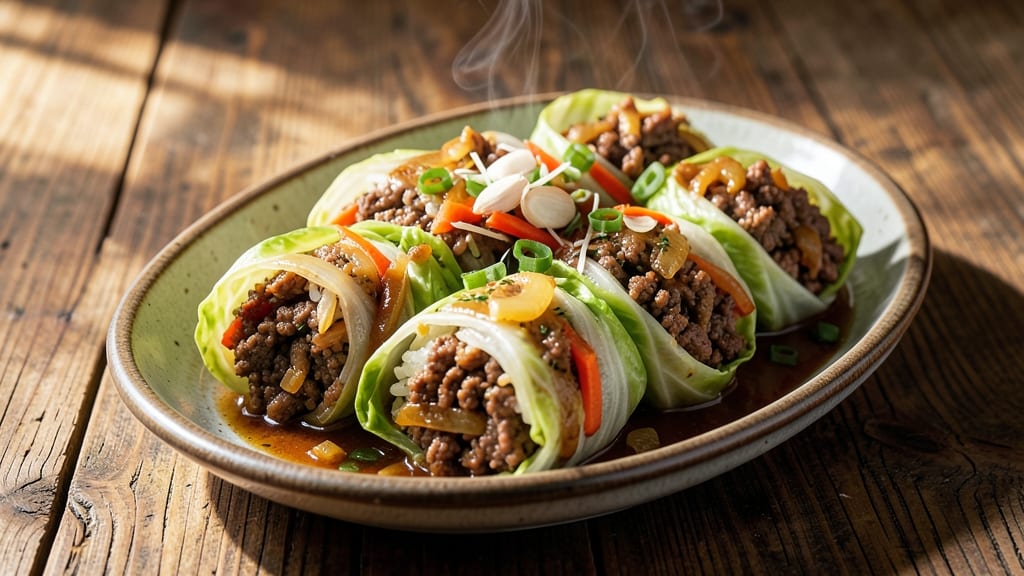
This beef and rice cabbage rolls recipe delivers restaurant-quality comfort food with tender cabbage leaves wrapped around a silky, savory filling that stays perfectly moist.
The secret lies in properly preparing the cabbage leaves—softening them just enough to hold the filling without tearing—while the beef and rice mixture develops deep, aromatic flavors through careful sautéing and seasoning.
What sets this recipe apart is the balance of textures: crisp-tender cabbage paired with a filling that's rich yet light, thanks to a combination of ground beef, long-grain rice, and aromatic vegetables.
The slow cooking method ensures the cabbage absorbs the filling's flavors, creating bites that are cohesive and satisfying. This technique transforms a traditional dish into something that feels both comforting and refined.
By the time these cabbage rolls emerge from the pot, you'll have golden-brown, fragrant parcels that are ready to be served with a tangy tomato sauce or creamy sour cream. The filling remains tender and flavorful, while the cabbage leaves add just the right amount of bite.
Each bite delivers layers of savory, slightly sweet, and herby notes that make this dish a standout for family dinners or special occasions.
The best part? This recipe scales beautifully—whether you're feeding a crowd or prepping for meal prep. With a few simple ingredients and careful technique, you'll achieve professional-quality results that taste even better the next day. Let's get started on creating these flavor-packed bites.
Ingredients for beef and rice cabbage rolls
These 13 essential ingredients create restaurant-quality cabbage rolls with perfectly balanced flavors and textures.
| Ingredient | Amount | Notes |
|---|---|---|
| Ground Beef 🥩 | 1 lb | 80% lean for best texture |
| Long-Grain White Rice 🍚 | 1 cup | Uncooked, converted rice |
| Yellow Onion 🧅 | 1 whole | Medium size, finely chopped |
| Carrot 🥕 | 1 medium | Peeled and finely diced |
| Garlic Cloves 🧄 | 3 cloves | Minced for aromatic base |
| Fresh Cabbage Leaves 🥬 | 12 pieces | Outer leaves, large and tender |
| Tomato Paste 🍅 | ½ cup | Smooth texture preferred |
| Beef Broth 💧 | 1 ½ cups | Low-sodium preferred |
| Olive Oil 🫒 | 2 tbsp | Extra-virgin for richness |
| Salt 🧂 | 1 ½ tsp | Kosher or sea salt |
| Black Pepper 🌶️ | ½ tsp | Freshly ground preferred |
| Ground Allspice 🌿 | ¼ tsp | For subtle warmth |
| Fresh Parsley 🌿 | ¼ cup | Chopped, for garnish |
The cabbage leaves are the foundation—look for outer leaves from a head of cabbage, which are largest and most tender. Kroger or Whole Foods often sell pre-washed cabbage, but if buying whole, select a firm head with vibrant green leaves. For the beef, 80% lean ground chuck gives the best texture—leaner cuts can dry out. The rice should be converted (pre-cooked) to save time, but if using regular white rice, cook it ahead and let it cool completely before mixing. The tomato paste is non-negotiable for that deep, concentrated flavor—San Marzano if you want to splurge, but any smooth paste works.
No beef broth? Vegetable broth with 1 tsp soy sauce mimics the depth. Fresh parsley wilting? Dried parsley at half the amount works in a pinch. The allspice is key for that subtle warmth—if you can't find it, cinnamon at one-quarter the amount adds a similar note. For the cabbage leaves, if they're too tough, blanch them in boiling water for 3-4 minutes to soften. The filling should be moist but not soupy—if it's too dry, add a splash of broth. And for the love of all things savory, don't skip the olive oil—it's what makes the filling silky.
Prep the cabbage leaves first—they'll soften as you work. Store unassembled rolls in the fridge for 2 days, covered with a damp towel to keep them pliable. The filling keeps for 3 days in the fridge, but assembled rolls are best eaten fresh. For meal prep, assemble and freeze uncooked rolls in a single layer before transferring to a bag—cook straight from frozen, adding 15 minutes to the baking time. The flavors deepen overnight, so leftovers taste even better the next day.
Why You'll Love This Recipe
- One-Pot Wonder: I swear by this recipe because it’s all about minimal cleanup. You brown the beef, sauté the onions and carrots, mix in the rice and garlic, then stuff it into cabbage leaves—no extra bowls, no messy sauces. Just one pot, one spatula, and you’re done.
- Caramelized Edge Magic: That crispy cabbage leaf with the tender, savory beef and rice filling? It’s the kind of contrast that makes you go back for seconds. Between us, the caramelized onions and shredded carrots add this sweet, earthy depth that turns a simple meal into something special.
- Leftovers That Shine: These rolls reheat like a dream—no soggy centers here. I make a double batch on Sundays and freeze half; by Wednesday, I’m pulling them out for a quick, hearty lunch. Even cold, they’re solid, but warmed up? Absolute comfort food.
- Budget Meal for Crowds: Ground beef, rice, and cabbage? That’s a grocery list that won’t break the bank. I feed my family of five for under $10, and honestly, it’s one of those dishes where you can stretch ingredients without sacrificing flavor. Plus, the cabbage adds bulk that keeps everyone full.
Step-by-step instructions for beef and rice cabbage rolls
Here's how to craft tender cabbage rolls with a perfectly seasoned filling.
Prepare the Cabbage Leaves
Begin by blanching the 12 pieces of fresh cabbage leaves to soften them. Bring a large pot of water to a boil and add the leaves one at a time, blanching for 3-4 minutes until they wilt and become pliable. Drain immediately and lay them flat on a clean kitchen towel to dry completely.
This step is crucial—it prevents the leaves from tearing when you fill them. I like to work with the leaves on a cutting board while I prepare the filling, keeping them covered with a damp towel to maintain their moisture. If any leaves tear beyond repair, set them aside for use as lining in the baking dish later.
Cook the Rice and Prepare the Filling
Rinse the 1 cup of long-grain white rice until the water runs clear, then cook it in 2 cups of water according to package instructions until al dente. Drain any excess water and let it cool slightly. Meanwhile, heat 2 tablespoons olive oil in a large skillet over medium heat.
Add the finely chopped 1 whole yellow onion and diced 1 medium carrot, cooking for 5-6 minutes until softened. Stir in the minced 3 cloves garlic and cook for another 30 seconds until fragrant. Add the cooked rice, 1 lb ground beef, 0.5 cup tomato paste, 1.5 teaspoons salt, 0.5 teaspoon black pepper, and 0.25 teaspoon ground allspice. Cook for 5 minutes more, breaking up the beef with a wooden spoon until it's fully browned.
Assemble the Cabbage Rolls
Spoon about ¼ cup of the filling onto each blanched cabbage leaf, spreading it evenly toward the stem end. Fold the sides inward, then roll tightly from the bottom up, tucking in the sides as you go to create neat, compact rolls. Place each roll seam-side down in a greased 9x13-inch baking dish.
If you have any torn leaves from earlier, place them on the bottom of the dish before adding the rolls to create a flavorful base layer. This ensures every bite has that rich cabbage flavor. Work quickly but carefully—once you start rolling, you'll want to keep the momentum going.
Bake to Perfection
Pour the 1.5 cups beef broth evenly over the rolls in the baking dish. Cover tightly with aluminum foil and bake at 375°F for 45 minutes. Remove the foil and bake for another 15-20 minutes until the cabbage leaves are tender and the filling is heated through.
You'll know they're done when the rolls look golden and the cabbage leaves are soft enough to pierce easily with a fork. Let them rest for 5 minutes before serving to allow the juices to redistribute. Garnish with the chopped 0.25 cup fresh parsley just before serving for a pop of color and freshness.
Pro Tips For Making Beef And Rice Cabbage Rolls
- STEAM THE CABBAGE FIRST: I learned this the hard way—raw cabbage leaves are tough as cardboard until you blanch them. Drop whole leaves in boiling water for 30 seconds, then ice-bath them to stop cooking. This makes rolling them around the beef-rice mix a breeze, and they hold shape better while baking.
- SALT THE RICE WRONG: Sounds weird, but it works: Cook your rice with half the usual salt, then season the filling separately. The cabbage rolls need their own flavor punch, and you don’t want the rice tasting like a salt lick after baking. Mix the cooked rice with the beef filling and add a pinch of soy sauce or Worcestershire—trust me, it elevates everything.
- DON’T OVERMIX THE FILLING: The beef and rice filling is forgiving, but resist the urge to overwork it. Once you’ve combined the cooked rice, ground beef, onions, and carrots, just give it 2-3 quick stirs with a fork. Overmixing turns the filling dense and dry—you want it to stay tender and juicy inside those cabbage wraps.
- BAKE LOW AND SLOW: High heat = crispy edges, soggy centers. Cover the cabbage rolls loosely with foil and bake at 350°F (175°C) for the first 20 minutes, then uncover and finish at 375°F (190°C) for another 15. This guarantees the cabbage softens evenly while the filling stays moist—not dry, not rubbery, just perfect.
Health benefits of this dish
Protein-Packed Power
Each serving of these cabbage rolls delivers a solid 25 grams of protein from the ground beef, making them an excellent choice for muscle repair and satiety. The lean beef provides essential amino acids without excessive saturated fat, while the rice adds a balanced carbohydrate component.
This combo keeps you full for hours, preventing those mid-afternoon energy crashes. 💪
Fiber-Rich Cabbage
The cabbage leaves contribute valuable dietary fiber, with about 3 grams per serving. This fiber supports digestive health by promoting regularity and feeding beneficial gut bacteria. The blanching process preserves most of the fiber content while making the leaves more tender.
I've found that using outer cabbage leaves gives you the most fiber per bite.
Vitamin C Boost
Raw cabbage is packed with vitamin C, though some is lost during blanching. Still, these rolls retain enough to provide 15% of your daily vitamin C needs per serving.
This vitamin supports immune function and collagen production, keeping your skin healthy and your body's defenses strong. The parsley garnish adds an extra vitamin C boost and fresh flavor.
Low-Calorie Comfort
At just 280 calories per serving, these cabbage rolls offer satisfying comfort food without the guilt. The combination of lean protein, complex carbs, and fiber creates a balanced meal that won't leave you feeling sluggish.
The tomato paste adds umami depth without significant calories, making this a smart choice for those watching their calorie intake.
Iron for Energy
The ground beef provides 3.5mg of iron per serving—about 20% of your daily needs. This mineral is crucial for oxygen transport in your blood, helping prevent fatigue and maintaining energy levels.
The allspice in the filling enhances iron absorption, making this dish particularly beneficial for those with active lifestyles or iron needs.
Meal Prep Friendly
These rolls reheat beautifully while maintaining their nutritional benefits. The cabbage leaves retain their fiber content even after cooking, and the protein structure remains intact.
I often prep these for the week—they keep well in the fridge for 4 days and freeze beautifully for up to 3 months without losing nutritional value. Perfect for busy schedules! ⏰
Nutrition facts
Frequently asked questions
Why do I need to blanch the cabbage leaves?
Blanching softens the leaves so they won't tear when wrapping the filling. The 3-4 minute boil makes them pliable while preserving their structure. Skipping this step often leads to messy, uneven rolls that fall apart during cooking.
Can I make these cabbage rolls ahead of time?
Assemble the rolls and refrigerate them uncovered for 2 hours before baking to prevent sogginess. For meal prep, bake them, then store in the fridge for 4 days or freeze for 3 months. Reheat in the oven at 350°F for 15 minutes covered with foil.
What if my cabbage leaves tear when wrapping?
Use the torn leaves as a base layer in your baking dish—they'll still contribute flavor! For better results next time, blanch leaves longer (4-5 minutes) or use larger outer leaves. Keep a damp towel nearby to prevent drying while you work.
Can I substitute the beef with another protein?
Try ground turkey (same ratio) or shrimp for a lighter version. For texture, add ½ cup cooked quinoa to replace rice. Avoid lean proteins like chicken—they can dry out. The filling should stay moist enough to hold the cabbage together during baking.
How do I prevent the filling from drying out?
Don't overcook the rice—it should be al dente and slightly sticky. Add 1 tablespoon extra broth to the filling if it seems too dry. When baking, cover tightly with foil for the first 45 minutes to trap moisture.