
Soups & Stews
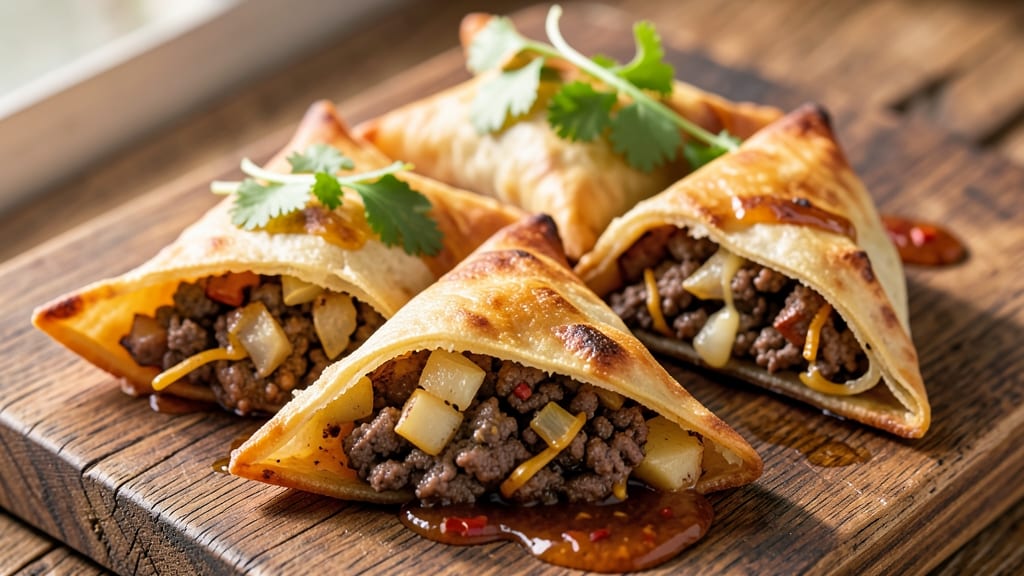
This beef and potato samosa recipe delivers the perfect balance of crispy, golden layers and flavorful spiced filling that makes every bite irresistible. The secret lies in a delicate dough that encases a hearty mix of tender beef, potatoes, and aromatic spices—all deep-fried to golden perfection.
I’ve tested countless variations to ensure the dough stays light and the filling bursts with savory depth, whether you’re making them for a festive gathering or a weeknight treat.
The dough requires just flour, water, and a touch of oil, while the filling combines ground beef, diced potatoes, and a blend of cumin, coriander, and garam masala for that signature samosa flavor. The key to crispiness?
A hot oil bath and careful shaping—no overlapping edges, and a light brush of oil before frying. This method guarantees a crunch that shatters with every bite, paired with a filling that’s tender and packed with umami.
Once fried to a golden brown, these samosas are best served hot with tamarind chutney or mint yogurt for a tangy contrast. The aroma alone will draw everyone to the table, and the combination of textures—crispy shell, fluffy filling—makes them impossible to resist.
Whether you’re a beginner or a seasoned cook, this recipe delivers restaurant-quality results at home.
For a modern twist, you can air-fry the samosas for a lighter version, though deep-frying remains the classic approach. The filling can also be prepped ahead and refrigerated, making assembly quicker on busy days. Let’s get started on creating these crispy, spiced delights that taste like a taste of India.
Ingredients for beef and potato samosa
The perfect blend of crispy layers and spiced beef-potato filling—just 16 ingredients for restaurant-quality samosas.
| Ingredient | Amount | Notes |
|---|---|---|
| All-Purpose Flour 🌾 | 3 cups | For dough, sifted for lightness |
| Water 💧 | 1 ½ cups | Room temperature preferred |
| Vegetable Oil 🫒 | 2 tbsp | For dough, neutral flavor |
| Salt 🧂 | ½ tsp | Fine sea salt preferred |
| Ground Beef 🥩 | 1 ½ lb | Lean ground beef, 80/20 |
| Yellow Onion 🧅 | 1 medium | Finely chopped for filling |
| Russet Potatoes 🥔 | 2 medium | Diced small for even cooking |
| Garam Masala 🌶️ | 1 ½ tsp | Freshly ground preferred |
| Ground Cumin 🌿 | 1 tsp | Toasted for deeper flavor |
| Ground Coriander 🌿 | 1 tsp | Freshly ground if possible |
| Turmeric Powder 🌶️ | ½ tsp | Bright yellow color indicator |
| Red Chili Powder 🌶️ | ½ tsp | Adjust for heat preference |
| Fresh Ginger 🌿 | 1 tbsp | Grated, aromatic kick |
| Green Chilies 🌶️ | 2 whole | Finely chopped for heat |
| Fresh Cilantro 🌿 | ¼ cup | Chopped for garnish |
| Vegetable Oil 🫒 | 4 cups | For deep frying, high smoke point |
The flour is non-negotiable here—King Arthur or Gold Medal work best for that tender, crispy dough. If your local store doesn't carry them, Bob's Red Mill all-purpose is a solid backup. For the spices, Penzeys or Spicewalla are worth the splurge, but the bulk bins at Whole Foods or Indian grocery stores give you freshness at a fraction of the price. The ground beef should be 80/20 fat ratio—Trader Joe's or Costco have great pre-ground options. Look for russet potatoes with firm texture; Yukon Golds work too but won't hold their shape as well when fried.
No garam masala? Mix 1/2 tsp each ground cardamom, cinnamon, cloves, and black pepper—it's not identical but gets you close. Short on fresh ginger? Ground ginger at half the amount works in a pinch, though it lacks that zing. The potatoes should be diced uniformly—about 1/2-inch pieces ensures even cooking. For the dough, if you're short on oil, melted ghee adds incredible flavor (and makes the samosas taste like you spent all day making them). The green chilies can be swapped for jalapeños or serranos if you prefer more heat.
The dough keeps best wrapped in plastic for 2 days in the fridge, though it's ideal to use it fresh. The filling can be prepped 1 day ahead and stored in an airtight container—it actually tastes better after the flavors meld. For frying, maintain oil temperature at 350°F for that perfect golden crust. These stay crispy for 3 hours at room temperature if you're serving a crowd, though they're best enjoyed piping hot with tamarind chutney or mint yogurt. Freeze any leftovers for up to 1 month—just reheat in a 350°F oven for 15 minutes to restore crispiness.
Why You'll Love This Recipe
- Crispy in Minutes: I swear, the dough comes together faster than my coffee brews—just flour, water, and a pinch of salt. Roll it out, fold that spiced beef-potato filling, and fry until golden. No waiting for dough to rise, no fancy techniques.
- Savory-Potato Magic: That mix of tender ground beef and fluffy potatoes? It’s like a hug in filling form. The oil seals in the juices while the crust stays shatteringly crisp—no soggy corners here.
- Party or Pantry: Make a batch for game day, pack extras for lunch, or freeze them for lazy nights. They reheat like a dream (oven or air fryer, no judgment) and feed a crowd without the fuss.
- Budget Crunch-Saver: Ground beef stretches far, and flour costs pennies. One bag of potatoes turns into a mountain of samosas—enough to feed the family twice without breaking the bank. Plus, leftovers? Always welcome.
Step-by-step instructions for beef and potato samosa
Master the perfect balance of crispy layers and spiced filling with these precise instructions.
Prepare the Spiced Filling
In a large skillet, heat 2 tablespoons vegetable oil over medium heat. Add the 1.5 pounds ground beef and cook, breaking it apart with a wooden spoon, until it loses its raw color and begins to brown—about 5-7 minutes. This step develops deep, meaty flavors that form the filling's foundation.
Push the beef to one side of the pan and add 1 medium yellow onion (finely chopped), 1 tablespoon fresh ginger (grated), and 2 whole green chilies (finely chopped). Cook for 3-4 minutes until the onions soften and become translucent. Real talk: This is where the aromatic base builds—don't rush it.
Add the 2 medium russet potatoes (diced small) to the pan and cook for another 5 minutes until they begin to soften. Stir in the 1.5 teaspoons garam masala, 1 teaspoon ground cumin, 1 teaspoon ground coriander, 0.5 teaspoon turmeric powder, and 0.5 teaspoon red chili powder. Cook for 2 more minutes to toast the spices and let their aromas meld.
Remove the pan from heat and let the mixture cool completely before handling. This resting period prevents the filling from releasing moisture when combined with the dough later. If it's still warm, cover loosely with a clean kitchen towel to speed cooling.
Make the Samosa Dough
In a large mixing bowl, combine the 3 cups all-purpose flour and 0.5 teaspoon salt. Using your fingers, rub the flour and salt together to distribute evenly—this prevents clumping when water is added. Make a well in the center of the flour mixture.
Pour in the 1.5 cups water (room temperature) and the 2 tablespoons vegetable oil into the well. Gradually mix the ingredients with a wooden spoon, starting from the center and working outward, until a shaggy dough forms. Here's the thing—you want the dough to be slightly tacky but not sticky.
Turn the dough onto a lightly floured surface and knead for 8-10 minutes until smooth and elastic. The dough should feel firm but pliable, not dry or crumbly. If it's too sticky, add 1 tablespoon flour at a time; if too dry, add 1 teaspoon water. Wrap the dough in plastic wrap and let it rest for 30 minutes at room temperature.
Roll and Assemble the Samosas
Divide the rested dough into 12 equal balls (about 1.5 ounces each) and roll each ball into a thin circle on a floured surface, about 6 inches in diameter. The goal is to create a paper-thin layer—this ensures crispiness when fried. If the dough resists rolling, let it rest for another 5 minutes.
Cut each rolled dough circle into a triangle by folding the circle in half twice (like a business letter) and cutting along the folds. You'll have 4 triangles per circle, totaling 48 pieces. Place 1 teaspoon of the cooled beef and potato filling near the base of each triangle. Fold the sides inward, then fold the base up to form a cone shape, sealing the edges tightly with a bit of water or egg wash.
Press the folded edges firmly to create a tight seal—this prevents filling from leaking during frying. Arrange the assembled samosas on a baking sheet lined with parchment paper, leaving space between each. Don't skip this step; a well-sealed samosa is the key to crispy layers.
Fry to Golden Perfection
Heat 4 cups vegetable oil in a deep, heavy-bottomed pot over medium heat until it reaches 350°F (use a deep-fry thermometer for accuracy). The oil should shimmer gently but not smoke—this is the sweet spot for crispy samosas. If it smokes, reduce the heat slightly.
Fry the samosas in batches of 6-8 pieces at a time, being careful not to overcrowd the pot. This ensures even cooking and prevents the oil temperature from dropping. Fry for 3-4 minutes until the samosas turn a deep golden brown color. They're ready when the dough is crispy and the filling is heated through.
Transfer the fried samosas to a paper towel-lined plate to drain excess oil. Serve immediately while still hot and crispy. The contrast of the golden, shatteringly crisp exterior with the warm, spiced filling inside is what makes these samosas unforgettable. If you can't eat them all at once, store in an airtight container for up to 2 days, but reheat in a dry skillet over medium heat to restore crispiness.
Pro Tips For Making Beef And Potato Samosa
- FRY THE DOUGH TWICE: I learned this the hard way—samosa dough needs a two-stage fry. First, deep-fry at 350°F (175°C) until the edges turn pale golden (about 2 minutes). Then, lower the heat to 325°F (160°C) and finish cooking for another 3-4 minutes. The second fry ensures a crispy exterior without burning the filling.
- SALT THE BEAN MIX WELL: After mixing ground beef, potatoes, and spices, let it sit for 10 minutes before frying. This gives the salt time to break down the meat fibers, making the filling juicier. Skip this, and you’ll end up with a dry, crumbly filling—trust me, it’s a game-changer.
- CHILL THE DOUGH BALLS: Roll out the dough into circles, then stack them with parchment paper in between and refrigerate for 30 minutes. Cold dough is easier to handle, seals better when folded, and won’t shrink as much while frying. (Yes, even if you’re impatient like me.)
- USE POTATOES THAT STARCH: Peel and boil your potatoes until fully tender, then mash them while still warm. Let them cool slightly before mixing with the beef—this prevents the filling from turning gluey. If your potatoes are waxy, add 1 tablespoon cornstarch to the mix to absorb excess moisture.
Regional styles of this beef and potato samosa
North Indian Style
In the heart of Delhi and Punjab, samosas take center stage with a slightly sweeter, more aromatic profile. Here, the filling often includes 1 teaspoon of sugar along with the spices to balance the heat, and cashew paste is sometimes added for richness.
The dough is often brushed with ghee before frying, giving it an extra layer of flavor. Look for Kashmiri red chili powder in local markets—it’s milder but adds a beautiful color. 🌶️
For an authentic touch, serve these with green chutney (made from cilantro, green chilies, and lemon) alongside the tamarind chutney. The contrast of the tangy chutney with the crispy, spiced samosa is pure magic.
In North India, it’s common to see vendors selling samosas from street carts, where the oil is kept hotter (375°F) for an even crispier texture.
South Indian Twist
In Kerala and Tamil Nadu, samosas often feature a coconut-based dough—mix ½ cup grated coconut into your flour for a nutty, fragrant twist. The filling might include grated coconut and curry leaves for a distinct South Indian flavor.
The spices lean heavier on black pepper and cardamom instead of garam masala. 🌿
For a regional variation, try adding boiled and mashed potatoes to the filling instead of raw diced potatoes. This creates a creamier texture that pairs beautifully with the coconut-infused dough.
Serve with a side of coconut chutney (blend coconut, cilantro, and lime) for a tropical-inspired dish that’s perfect for summer gatherings.
Pakistani Pani Puri Fusion
In Pakistan, samosas are often served with a spiced tamarind water (pani) on the side, creating a playful contrast of crispy, spicy, and tangy. The filling here is slightly wetter, with extra green chilies and a pinch of amchur (dried mango powder) for a tangy kick.
The dough is sometimes rolled thinner than traditional samosas to achieve an almost paper-like crispiness. 💛
For a fusion twist, try adding crushed potato chips to the filling before assembling. This adds an extra crunch and makes the samosas taste like a cross between a classic samosa and a pani puri.
Serve with a side of mint yogurt and a bowl of the tangy pani for dipping—it’s a crowd-pleaser at any gathering.
Modern Air-Fryer Adaptation
If deep-frying isn’t your thing, modernize the classic with an air-fryer. Spray the assembled samosas lightly with olive oil and air-fry at 375°F for 8-10 minutes, flipping halfway.
While they won’t be as crispy as deep-fried, they’re still delicious and far healthier. For extra crunch, brush the dough with egg wash before air-frying. ✨
This method is perfect for weeknight dinners or when you’re cooking for kids—less mess and still packed with flavor. Pair with a side of cucumber raita** (yogurt with grated cucumber and mint) for a refreshing balance. The air-fryer version also reheats beautifully, making it ideal for meal prep.
Nutrition facts
Frequently asked questions
Can I make the samosa dough ahead of time?
Wrap the finished dough tightly in plastic wrap and refrigerate for up to 2 days. For best results, let it sit at room temperature for 30 minutes before rolling to prevent cracking. The filling, however, should be made fresh or stored separately—it’s best when used within 24 hours for optimal texture.
Why did my samosas turn out greasy instead of crispy?
Greasy samosas usually mean the oil wasn’t hot enough (350°F is ideal) or the dough was too thick. For extra crispiness, ensure your oil is shimmering but not smoking, and roll the dough paper-thin. Another trick: Pat the assembled samosas dry with a paper towel before frying to remove excess moisture.
What’s the best way to reheat leftover samosas?
To restore that crispy texture, place samosas in a dry skillet over medium heat for 2-3 minutes per side until golden again. Avoid microwaving—they’ll turn soggy. For a quicker option, air-fry at 375°F for 3-4 minutes. Serve with fresh chutney to revive their flavor too!
Can I substitute beef with another protein?
Yes! For a vegetarian version, replace beef with 1 cup cooked chickpeas or paneer, plus ½ cup boiled potatoes. For seafood lovers, try finely chopped shrimp or scallops (cook separately and mix in). Just reduce the filling by 1 teaspoon per samosa since these proteins release less moisture.
How do I prevent filling from leaking during frying?
Seal the edges tightly with a tiny dab of water or egg wash, then press firmly. Chill the assembled samosas in the fridge for 15 minutes before frying—this firms up the dough. Avoid overfilling (stick to 1 teaspoon per samosa) and ensure the dough is rolled evenly thin. A well-sealed samosa is your ticket to no leaks!