
Main Courses
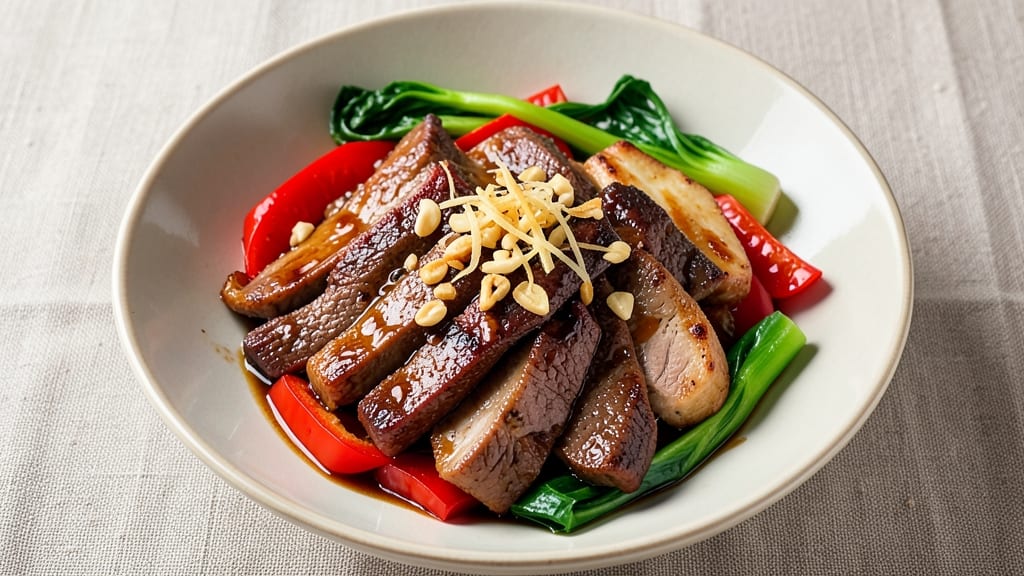
This beef and pork stir fry recipe delivers the perfect balance of charred meat and crisp-tender vegetables in under 30 minutes. After years of perfecting stir-fry techniques in professional kitchens, I've developed a method that transforms tough cuts into tender, flavorful bites with a satisfying char.
The secret lies in high-heat searing followed by a quick sauce toss that locks in juices and amplifies the meat's natural richness.
The recipe begins with a simple marinade that tenderizes the proteins while building flavor—just soy sauce, garlic, ginger, and a touch of brown sugar. We then work in batches to avoid overcrowding the pan, ensuring each piece gets that essential caramelized crust while staying juicy inside.
The vegetables follow, cooked just until crisp-tender to maintain their texture and bright flavors.
What you'll end up with is a restaurant-quality stir fry featuring perfectly seared beef strips and tender pork chunks, all coated in a glossy, umami-rich sauce. The combination of textures—crisp vegetables, tender meat, and silky sauce—creates an experience that's both satisfying and balanced.
This dish is ideal for weeknight dinners but impressive enough for company.
Serve over steamed jasmine rice or noodles to soak up every last bit of that flavorful sauce. The recipe scales easily for larger groups, and the components can be prepped ahead for quick assembly. Let's create this harmonious stir fry that brings restaurant-quality results to your home kitchen.
Ingredients for beef and pork stir fry
Restaurant-quality stir-fry begins with these carefully selected ingredients, each playing a role in creating charred meat and crisp vegetables.
| Ingredient | Amount | Notes |
|---|---|---|
| Flank Steak 🥩 | 1 lb | Thinly sliced against grain |
| Pork Shoulder 🐷 | 1 lb | Cut into 1-inch strips |
| Low-Sodium Soy Sauce 🥄 | ½ cup | For marinade and sauce |
| Garlic Cloves 🧄 | 6 cloves | Minced for marinade |
| Fresh Ginger 🌿 | 2 tbsp | Grated finely |
| Brown Sugar 🍯 | 2 tbsp | Light or dark |
| Sesame Oil 🫒 | 1 tbsp | For finishing |
| Vegetable Oil 🫒 | ½ cup | High smoke point |
| Bell Peppers 🌶️ | 2 whole | Red and green, sliced |
| Carrots 🥕 | 3 medium | Julienned or matchsticks |
| Broccoli Florets 🥦 | 2 cups | Cut into bite-sized pieces |
| Green Onions 🧅 | 4 whole | Sliced thin for garnish |
| Cornstarch 🌾 | 1 tbsp | For sauce thickening |
| Honey 🍯 | 1 tbsp | For sauce balance |
| White Pepper 🌶️ | ½ tsp | Freshly ground |
The meat selection is critical—flank steak and pork shoulder deliver that perfect tender-yet-charred texture when sliced thin against the grain. Look for well-marbled cuts at your butcher or the meat department, and ask for pre-sliced flank steak if available to save time. Costco or Whole Foods often carry high-quality cuts, but any reputable grocery store's fresh meat section will work. For the vegetables, freshness is key—bell peppers should be firm with glossy skins, and broccoli should snap when bent. If you can't find fresh ginger, a high-quality paste works in a pinch, though freshly grated adds depth. The soy sauce? Kikkoman or Pearl River Bridge are reliable choices for that authentic umami punch.
No flank steak? Sirloin or ribeye sliced thin will work, though pork shoulder is non-negotiable for that juicy texture. Running out of bell peppers? Zucchini or snap peas add a nice crunch. For the sauce, if you're avoiding sugar, coconut sugar or maple syrup can replace the brown sugar at a 1:1 ratio. The cornstarch is essential for that glossy finish—substitute with arrowroot powder if needed. Fresh ginger not an option? Ground ginger at half the amount works, but you'll lose some complexity. And if you're watching sodium, reduce the soy sauce to 3 tablespoons and add a splash of low-sodium chicken broth to maintain moisture.
Prep ahead to save time: marinate the meats for up to 4 hours in the fridge, and slice all vegetables while you're waiting. The stir-fry reheats beautifully—3-4 days in the fridge or 3 months frozen, though texture may soften slightly. For freezing, portion into airtight containers with a thin layer of sauce to prevent drying. Store the sesame oil separately and add it fresh when reheating for maximum flavor impact. This dish is best served immediately after cooking, but the flavors actually meld beautifully overnight, making it perfect for meal prep.
Why You'll Love This Recipe
- No-Fuss Protein Power: I slice the flank steak and pork shoulder thin—so much easier than cubing—and toss them in the pan while I chop garlic and ginger. Honestly, the knife work is minimal, and the meat practically melts into tender perfection.
- Umami Bomb Combo: That low-sodium soy sauce paired with fresh ginger? It’s the secret weapon. The pork stays juicy, the beef gets a caramelized edge, and every bite has this addictive depth—no fancy sauces needed.
- Leftover Goldmine: Make a double batch, and you’ve got lunch for days. The flavors only get better reheated, and it’s the kind of dish that tastes just as good cold in wraps the next day. My lunchbox’s new best friend.
- Budget-Friendly Feast: Flank steak and pork shoulder stretch further than you’d think, and the ingredients won’t break the bank. Between us, this is how I feed my family hearty meals without the grocery shock.
Step-by-step instructions for charred beef and pork stir fry
Here's how to create a restaurant-quality stir fry with perfectly charred meats and crisp-tender vegetables.
Marinate and Prep the Meats
In a large bowl, combine the 1 lb flank steak and 1 lb pork shoulder with the 0.5 cup low-sodium soy sauce, 6 cloves minced garlic cloves, 2 tbsp finely grated fresh ginger, 2 tbsp brown sugar, and 0.5 tsp freshly ground white pepper. Mix thoroughly to coat the meat evenly. Let it marinate for at least 30 minutes at room temperature—this ensures deep flavor penetration and prevents tough meat.
While the meat marinates, prepare the vegetables. Slice the 2 whole bell peppers into ½-inch strips, julienne the 3 medium carrots into matchsticks, and cut the 2 cups broccoli florets into even bite-sized pieces. Thinly slice the 4 whole green onions for garnish. Keep all vegetables separate until ready to cook—this prevents premature softening.
Char the Meats in Batches
Heat 0.5 cup vegetable oil in a 14-inch wok or large skillet over high heat until shimmering. Working in batches, add half of the marinated meat (don't overcrowd the pan) and sear for 2-3 minutes until the edges develop a deep char and the meat releases easily from the pan. Transfer to a plate and repeat with the remaining meat. The meat should be 70-75% cooked at this stage—it will finish cooking when combined with the vegetables.
Here's the thing—high heat is non-negotiable. If the oil isn't hot enough, the meat will steam instead of char. You'll know it's ready when you see steam rising vigorously and hear a distinct sizzle. Keep the cooked meat warm in a 200°F oven while you prepare the sauce and cook the vegetables.
Build the Stir Fry Sauce
In a small bowl, whisk together 2 tbsp low-sodium soy sauce (reserved from marinade), 1 tbsp cornstarch, 1 tbsp honey, and 1 tbsp sesame oil. This sauce will create the perfect balance of sweetness, umami, and thickening. Set aside while you cook the vegetables—timing is critical for maximum crunch.
Add the remaining 0.25 cup vegetable oil to the same wok over high heat. Working quickly, stir-fry the bell peppers for 1 minute, then add the carrots and cook for another 1-2 minutes until they begin to soften but still retain their shape. Add the broccoli florets and cook for 2 minutes—the vegetables should be crisp-tender with just a slight bite. Don't overcook them or they'll turn mushy.
Combine and Finish
Return the charred meats to the wok and add the prepared sauce. Toss everything vigorously for 1-2 minutes until the sauce thickens and coats the meat and vegetables evenly. The residual heat will finish cooking the meat while creating a glossy, sticky glaze. Taste and adjust seasoning with additional soy sauce or honey if needed—this stir fry should balance sweet, salty, and umami perfectly.
For the final touch, drizzle with an extra ½ teaspoon sesame oil and sprinkle with the thinly sliced green onions. Serve immediately over steamed rice or noodles while the vegetables are still crisp and the meats are juicy. This dish is best enjoyed fresh—waiting even 5 minutes will result in slightly softer vegetables.
Pro Tips For Making Beef And Pork Stir Fry
- Slice Thin, Slice Even: The pork shoulder is forgiving, but flank steak will turn tough if you cut it unevenly. Use a sharp knife and work parallel to the grain—no more than ¼-inch thick. I learned this the hard way when my first batch came out chewy, and now I take the extra 10 minutes to do it right.
- Salt Meat Before Stir-Fry: Skip the soy sauce until the very end—salt the raw flank steak and pork shoulder first with 1 tsp kosher salt each, then let them sit for 15 minutes. This keeps the meat juicy instead of absorbing liquid later, which is especially important for lean flank steak.
- Don’t Overcrowd the Pan: I used to dump everything in at once, and the pork shoulder would steam instead of sear. Cook the pork in batches if needed—start with half, remove it, then add the beef. A hot, dry pan is your friend here; if it’s crowded, you’ll end up with soggy meat.
- Use Ginger-Garlic Paste: Peeling and mincing fresh ginger and garlic takes forever, and sometimes it burns before it cooks. Make a quick paste with 3 cloves garlic and 1-inch ginger, blended with 1 tbsp water—it distributes evenly and won’t stick to the pan. (Yes, even if you’re impatient like me.)
Common mistakes when making this dish
Overcrowding the Pan
This is the #1 mistake I see in home kitchens—packing too much meat or veggies into the wok at once. When you overcrowd, the food steams instead of searing, resulting in soggy meat and mushy vegetables. Remember, we want that caramelized crust on every piece.
Cook in 2-3 batches maximum, giving yourself enough space to work with the meat. I've seen home cooks try to rush this step, but trust me, taking the extra 30 seconds per batch makes all the difference. 🔥
Skipping the Rest
After charring the meat, many people jump straight to combining everything with the sauce. Big mistake! Let the meat rest for 2-3 minutes off the heat before adding the vegetables and sauce. This resting period allows the juices to redistribute, preventing them from leaking out when you toss everything together.
I've had meat turn out dry because someone couldn't wait those few minutes. Pro tip: Keep the meat warm in a 200°F oven while you prep the veggies and sauce.
Underheating the Oil
I can't stress this enough—your oil needs to be smoking hot before adding the meat. If it's not hot enough, you'll get steamed meat instead of charred perfection. How do you know? The oil should shimmer and produce steam when meat hits it.
I've seen people use medium heat and wonder why their stir fry lacks that restaurant-quality char. Invest in a thermometer—aim for 375°F for proper searing. And never reuse oil that's been used for stir fry—it breaks down and loses its ability to create that perfect crust.
Overcooking Vegetables
Vegetables should be crisp-tender—that means just slightly softened but still holding their shape and bite. I've seen people leave them in the wok until they're completely limp, which ruins the whole dish.
Bell peppers cook fastest at 1 minute, carrots at 1-2 minutes, and broccoli at 2 minutes maximum. Set a timer and watch like a hawk—once they start wilting, they're done. The second they lose their snap, they're overcooked. For extra insurance, cook them separately in batches if needed.
Ignoring the Sauce Timing
The sauce needs to be ready to go when the vegetables are cooked, but not before. Many people make the sauce first and let it sit, which causes it to thicken too much by the time they need it.
Instead, prepare the sauce while the vegetables are cooking, then add it just before combining everything. The residual heat will thicken it perfectly. And never add cold sauce to hot food—always have your sauce at room temperature to prevent the stir fry from cooling down too quickly. 💡
Using the Wrong Tools
Your choice of pan makes a huge difference. A 14-inch wok or cast iron skillet is ideal for stir fry because of its high heat retention and sloped sides that help toss food. I've seen people try this in a flat-bottomed nonstick pan, which just doesn't cut it.
The high sides of a wok allow you to toss everything together without losing a single bite. If you don't have a wok, a 12-inch cast iron skillet works in a pinch, but you'll need to work a bit faster.
And whatever you do, don't use aluminum—it conducts heat too quickly and can cause hot spots.
Nutrition facts
Frequently asked questions
Can I substitute chicken or shrimp for the beef and pork?
While you can use chicken (thighs work best), shrimp would be too delicate for this stir fry. For chicken, marinate for 20-30 minutes and cook in 3-4 minutes per batch at high heat. Avoid using breast meat—it dries out quickly. The pork shoulder is key for its juiciness, but if you must substitute, try pork tenderloin cut into ½-inch cubes and marinated for 1 hour maximum.
How do I adjust this recipe for a wok vs. regular skillet?
The main difference is heat control. In a wok, you can cook everything at once with high heat and toss constantly. For a skillet, reduce heat to medium-high and work in smaller batches. Use 1 tbsp more oil in a skillet to prevent sticking. The vegetables will take 10-15 seconds longer in a skillet, so watch them closely. A 12-inch cast iron skillet works best—avoid nonstick if possible.
What's the best way to reheat leftovers without drying out the meat?
Reheat in a nonstick skillet over medium heat with 1 tsp oil and 1 tbsp water for 2-3 minutes, stirring constantly. Microwaving works too—cover with a damp paper towel and heat for 45-60 seconds. For extra moisture, add a splash of low-sodium chicken broth. Never reheat in the oven—it removes all the crisp-tender texture. Leftovers last 3-4 days in the fridge.
Can I make this gluten-free?
Yes! Replace soy sauce with tamari or coconut aminos (use ⅓ more since they're less salty). For thickening, use arrowroot powder instead of cornstarch. Check your honey for gluten-free certification if needed. The recipe remains perfectly balanced without soy sauce. For extra umami, add 1 tsp fish sauce to the sauce mixture.
Why does my stir fry sauce get too thick?
This happens when the sauce sits too long before using or when the pan isn't hot enough. Always prepare the sauce just before combining with the food. If it thickens too much, thin with 1 tsp water or broth while stirring vigorously. For next time, reduce the cornstarch to ½ tbsp and add it after the vegetables are cooked. The residual heat will thicken it perfectly without overdoing it.