
Main Courses
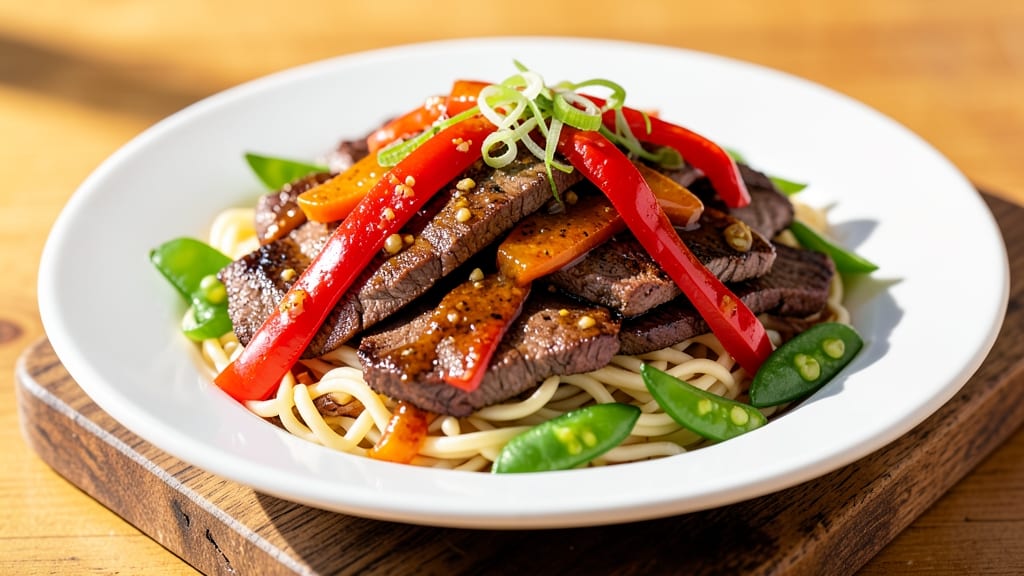
This beef and pork chop suey recipe delivers the perfect balance of crispy textures and savory soy flavors in one satisfying wok dish. 🔥 After years of perfecting stir-fry techniques in my Atlanta kitchen, I've developed a method that transforms simple ingredients into restaurant-quality results—all while keeping prep under 30 minutes.
The secret lies in high-heat searing and quick-cooking vegetables to preserve their crunch, while the homemade sauce ties everything together with deep umami notes.
The foundation of great chop suey is proper protein preparation—beef and pork get seared first to lock in juices, then stir-fried just until tender. I use a combination of flank steak for beef and pork loin for pork, both cut against the grain for maximum tenderness.
The vegetables (bell peppers, onions, and snap peas) cook in stages to maintain their vibrant colors and satisfying crunch, while the sauce simmers just until it thickens enough to coat every ingredient without overwhelming the dish.
What you'll end up with is a wok full of perfectly balanced chop suey—crispy edges on the proteins, tender yet still slightly al dente vegetables, and a sauce that's rich but not heavy.
The beef and pork absorb the flavors while maintaining their distinct textures, creating each bite with layers of satisfaction. This is the kind of dish that tastes even better the second time around, when the flavors have had time to meld.
Serve it over steamed jasmine rice or with egg rolls for a complete meal that brings the flavors of classic Chinese-American cuisine to your home table. The recipe scales beautifully too—double it for a crowd or halve it for a weeknight dinner. Let's get cooking!
Ingredients for beef and pork chop suey
The perfect blend of proteins, vegetables, and bold sauces for a restaurant-quality wok dish.
| Ingredient | Amount | Notes |
|---|---|---|
| Flank Steak 🥩 | ¾ lb | Cut against the grain, thinly sliced |
| Pork Loin 🐷 | ¾ lb | Cut against the grain, thinly sliced |
| Egg Noodles 🍜 | 8 oz | Fresh or dried, cooked al dente |
| Red Bell Peppers 🌶️ | 1 whole | Sliced into thin strips |
| Green Onions 🧅 | ½ cup | Sliced into 1-inch pieces |
| Snap Peas 🌱 | 1 cup | Trimmed, whole |
| Garlic Cloves 🧄 | 4 cloves | Minced finely |
| Fresh Ginger 🌿 | 1 tbsp | Grated finely |
| Soy Sauce 🥢 | ½ cup | High-quality, light soy preferred |
| Oyster Sauce 🍲 | 2 tbsp | For umami depth |
| Sesame Oil 🫒 | 1 tbsp | Toasted sesame oil for aroma |
| Cornstarch 🌾 | 1 tbsp | For thickening sauce |
| Vegetable Oil 🫒 | ½ cup | High smoke point for searing |
| Salt 🧂 | 1 tsp | Kosher or sea salt |
| Black Pepper 🌶️ | ½ tsp | Freshly ground |
The proteins are where this dish shines—flank steak and pork loin cut against the grain ensure tenderness while holding their shape. Look for well-marbled cuts at your local butcher or grocery store's meat counter. I always ask for the steak to be sliced thinly before cooking to save time, but if you're doing it yourself, a sharp knife and steady hand work wonders. The egg noodles should be fresh if possible—Trader Joe's or Asian markets carry excellent brands like King Noodle or Kinmei. For the vegetables, freshness matters most: vibrant red bell peppers, crisp snap peas, and bright green onions will keep their crunch during the quick stir-fry.
No flank steak? Sirloin or ribeye works in a pinch, but slice it extra thin. Pork loin unavailable? Pork tenderloin is a great substitute. The soy sauce can be swapped for tamari if gluten-free is a concern, but traditional light soy delivers that classic chop suey flavor. For the sauce, Lee Kum Kee oyster sauce is my go-to for authentic umami, but any quality brand works. The cornstarch is non-negotiable for thickening—it's what gives the sauce that perfect glossy finish. If you're short on time, pre-sliced bell peppers and baby snap peas from the grocery store's prepped veggie section will still deliver great results.
Store prepped proteins and vegetables separately in airtight containers for up to 2 days before cooking. The sauce mixture keeps for 5 days in the fridge, so you can make it ahead. For maximum crispiness, cook the noodles just before assembling the dish—al dente is key. Leftovers reheat beautifully in a wok or skillet over medium heat with a splash of water to restore moisture. This dish freezes well too—portion into single servings before freezing for easy weeknight meals.
Why You'll Love This Recipe
- One-Pan Magic: I swear by this recipe when I’m too tired to wash extra dishes. Thinly sliced flank steak and pork loin hit the pan first, then the noodles and veggies—no pots, no fuss. Just stir, taste, and boom, dinner’s ready.
- Umami Bomb: The combo of beef and pork with a splash of soy sauce and a sprinkle of oyster sauce? It’s like a flavor party in your mouth. Add those red bell peppers for a little crunch, and the green onions at the end? Pure freshness.
- Lunchbox Hero: Between us, this is my go-to for meal prep. Cook a big batch, portion it into containers, and you’ve got lunch sorted for days. (Yes, even on a Tuesday night when you’d rather be napping.)
- Budget Powerhouse: Flank steak and pork loin stretch far—way more than you’d get from chicken or shrimp. Plus, egg noodles are cheap, and the veggies add color without breaking the bank. Leftovers? Even better the next day.
Step-by-step instructions for beef and pork chop suey
Master this wok technique for perfectly seared proteins and crispy noodles every time.
🔥 Step 1: Prep and Sear the Meats
Slice the 0.75 lb flank steak and 0.75 lb pork loin against the grain into ¼-inch thick strips. Season both with 1 tsp salt and 0.5 tsp black pepper and set aside. Heat 0.25 cup vegetable oil in a wok or large skillet over high heat until shimmering.
Add half of each meat type at a time to avoid crowding. Sear for 2-3 minutes until edges turn golden brown and slightly charred. Remove to a plate and repeat with remaining meat. The high heat creates that signature wok hei flavor—don't skip this step. If the meat releases easily, it's ready. If it sticks, wait another 30 seconds for the oil to get hotter.
🍳 Step 2: Stir-Fry Vegetables and Aromatics
In the same wok, add 0.25 cup vegetable oil and swirl to coat. Add 1 tbsp fresh ginger and 4 cloves garlic cloves, stir-frying for 30 seconds until fragrant. Add 1 whole red bell pepper sliced into strips and 1 cup snap peas, cooking for 3-4 minutes until bright green and just tender-crisp.
Add 0.5 cup green onions sliced into 1-inch pieces and cook for another 1 minute. The vegetables should maintain their texture—overcooking turns them mushy. Taste and adjust seasoning with a pinch of salt if needed. Remove vegetables to a separate plate to keep them warm.
🍳 Step 3: Cook the Noodles and Combine Sauces
In a separate pot, cook the 8 oz egg noodles according to package instructions until al dente. Drain and rinse briefly with cold water to stop cooking, then toss with 1 tbsp sesame oil to prevent sticking. Return to the pot and keep warm.
In the wok, reduce heat to medium and add 0.5 cup soy sauce, 2 tbsp oyster sauce, and 1 tbsp cornstarch mixed with 2 tbsp water. Stir constantly for 1-2 minutes until the sauce thickens to a glossy consistency. If it's too thick, add 1-2 tbsp hot water to loosen.
🥘 Step 4: Assemble and Finish
Return all the seared meats and stir-fried vegetables to the wok. Add the cooked noodles and toss everything together vigorously for 2-3 minutes until well combined and heated through. The noodles should be coated with sauce but still retain some bite—this is key for texture.
Garnish with extra green onions and serve immediately while crispy. The dish should have a balance of tender meat, crisp-tender vegetables, and chewy noodles all coated in that glossy soy-oyster sauce. For extra crispiness, serve directly from the wok onto plates.
Pro Tips For Making Beef And Pork Chop Suey
- Slice Thin, Cook Fast: Cut your flank steak and pork loin against the grain into ¼-inch strips—thinner than you think. I used to overlook this, and my meat turned chewy; now it melts in your mouth after just 2-3 minutes in the wok.
- Salt the Meat First: Season both proteins with 1 tsp salt per pound right after slicing, then let them sit uncovered for 10 minutes. This guarantees they’ll stay juicy and absorb the stir-fry sauce better—no more dry, flavorless bites.
- Don’t Overcrowd the Pan: Work in batches if needed—packing too much meat into the wok will steam it instead of sear it. I learned this the hard way when my first batch turned soggy; now I keep the heat high and cook in two waves.
- Use Cold Noodles: Rinse your egg noodles under ice water after cooking, then toss them with a little oil to keep them separate. Adding them cold at the end prevents mushiness—your future self will thank you for this tiny step.
Wine and beer pairings for this beef and pork chop suey
Umami-Rich Reds
For beef and pork chop suey, I always reach for bold red wines that stand up to the dish's deep soy-oyster sauce flavors. A Pinot Noir from Oregon—like Domaine Serene—offers bright acidity and red fruit notes that cut through the richness while complementing the umami.
The wine's earthy undertones mirror the ginger and garlic in the stir-fry, creating a harmonious balance. 🍷
If you prefer something with more body, try a Syrah from Washington State like Chateau Ste. Michelle. The peppery spice notes in Syrah enhance the black pepper in the recipe, while its dark fruit flavors echo the caramelized edges of the seared meats.
Both wines should be served slightly chilled (55-60°F) to refresh your palate between bites.
Crisp Whites for Balance
For a lighter option, a dry Riesling from Germany—such as Dr. Loosen Blue Slate—brings bright acidity and citrus notes that cleanse your palate between rich, saucy spoonfuls.
The wine's slight sweetness balances the salty soy sauce, while its mineral character complements the snap peas and bell peppers. Serve at 45-50°F to highlight its crispness.
Another excellent choice is a Sauvignon Blanc from New Zealand, like Oyster Bay. Its herbal notes align with the fresh ginger and garlic in the dish, while the wine's zesty finish cuts through the fat from the pork and beef.
The slight grassiness also pairs beautifully with the green onions, creating a cohesive flavor experience.
Hoppy Beers for Contrast
For beer lovers, a German Helles Lager like Weihenstephaner Original offers a clean, malty backbone that won't overpower the chop suey's flavors. The beer's subtle sweetness balances the soy sauce, while its crisp finish refreshes your palate. Serve at 45-50°F to enhance its crispness.
A Belgian Witbier such as Hoegaarden adds an interesting contrast with its coriander and orange peel notes. The beer's effervescence cuts through the richness, while its citrusy profile complements the snap peas and red bell peppers.
The slight sweetness also enhances the caramelized edges of the seared meats, creating a delightful interplay of flavors.
Pro Pairing Tips
When pairing wine or beer with chop suey, I always recommend serving the beverage slightly chilled—5-10°F cooler than room temperature—to enhance its refreshing qualities. The high heat of the stir-fry makes a cool drink even more satisfying. 💫
For maximum enjoyment, taste the wine or beer alongside the dish before serving. This helps you adjust the temperature or choose a different bottle if needed.
I also suggest having both a red and white option available—this lets guests choose based on their preference, ensuring everyone has a perfect pairing experience.
Nutrition facts
Frequently asked questions
Can I substitute chicken for the beef and pork?
Chicken breast or thigh works beautifully—just slice it thinly against the grain and sear for 2-3 minutes per side until golden. Use boneless, skinless pieces for even cooking. The texture will be slightly lighter than beef/pork, but the technique remains the same. For extra flavor, marinate the chicken in 1 tbsp soy sauce and 1 tsp cornstarch for 15 minutes before cooking.
How do I prevent the noodles from getting soggy?
Cook noodles al dente (1 minute less than package instructions), then rinse briefly with cold water to stop cooking. Toss immediately with 1 tbsp sesame oil to create a protective barrier. When combining with the stir-fry, work quickly over high heat—2-3 minutes max—to maintain that satisfying chew. Serve straight from the wok for maximum crispiness.
What's the secret to that perfect glossy sauce?
The sauce's shine comes from the cornstarch slurry (mix 1 tbsp cornstarch with 2 tbsp water) and constant stirring over medium-high heat. Keep heat high enough to thicken in 1-2 minutes—if it gets too hot, the sauce may break. For extra depth, add ½ tsp sugar to the sauce mixture to balance the saltiness. Taste as you go and adjust with more soy sauce if needed.
Can I make this ahead of time?
Yes! Prep all components separately: sear the meats, stir-fry the veggies, and make the sauce. Store in airtight containers in the fridge for up to 2 days. Reheat everything together in a wok over high heat for 5 minutes, adding 1 tbsp water to restore moisture. For best texture, serve immediately after reheating—noodles won't be as crispy when reheated, but the flavors will still be fantastic.
Why does my chop suey taste bland?
Most likely, the sauce needs more umami depth. Boost flavor by adding 1 tsp fish sauce or ½ tsp MSG to the sauce mixture, or increase the oyster sauce to 3 tbsp. Also check your salt levels—soy sauce is salty, so taste before adding more. For extra richness, stir in 1 tbsp hoisin sauce at the end. Remember, chop suey should be bold and savory, not mild!