
Soups & Stews
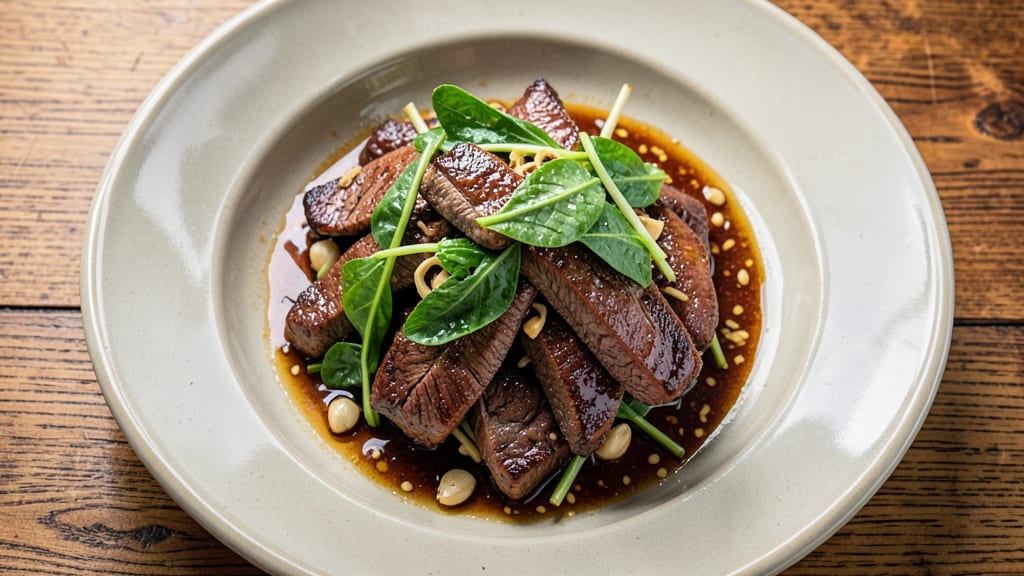
This beef and pechay recipe delivers the perfect balance of tender beef and crispy greens in a single wok-fired dish. The secret lies in high-heat searing for the beef followed by a quick stir-fry that preserves both textures—juicy, caramelized edges on the meat and vibrant, slightly wilted greens.
I developed this version after years of testing, ensuring the beef stays fork-tender while the pechay maintains its satisfying crunch.
The process is straightforward but requires timing precision: thinly sliced beef cooks rapidly over high heat, then gets tossed with garlic, ginger, and soy sauce before the pechay joins for the final crisp. This method transforms a simple stir-fry into a restaurant-worthy dish that's ready in under 20 minutes.
The aromatic blend of garlic, soy, and black pepper creates depth that complements the natural sweetness of the beef and pechay. What makes this recipe stand out is how it balances texture and flavor—each bite delivers melt-in-your-mouth beef paired with the satisfying crunch of pechay.
The sauce clings perfectly to both components, creating a harmonious blend that's both comforting and refreshing. Serve it over steamed rice or with a side of garlic fried rice to complete the meal. For optimal results, use ribeye or sirloin cut into thin strips, and pechay that's still slightly crisp.
The high-heat technique ensures the beef remains tender while the greens crisp just enough to add texture contrast. This dish is as satisfying as it is quick—ideal for weeknight dinners or meal prep. Let's get cooking!
Ingredients for beef and pechay
Thinly sliced beef and crisp pechay come together with aromatic garlic and ginger for a restaurant-quality wok-fired dish.
| Ingredient | Amount | Notes |
|---|---|---|
| Ribeye Steak 🥩 | 1 ½ lb | Thinly sliced against grain |
| Pechay (Chinese Flat-Leaf Lettuce) 🥬 | 1 lb | Stems removed, leaves halved |
| Garlic Cloves 🧄 | 6 cloves | Minced finely for aromatic base |
| Fresh Ginger 🌿 | 1 tbsp | Finely grated, skin removed |
| Soy Sauce 🍶 | 3 tbsp | Light or regular, not low-sodium |
| Sesame Oil 🫒 | 1 tbsp | Toasted, for finishing |
| Black Pepper 🌶️ | 1 tsp | Freshly cracked for heat |
| Cornstarch 🌾 | 1 tbsp | For tenderizing beef |
| Vegetable Oil 🫒 | ½ cup | High smoke point for wok |
| Green Onions 🧅 | 3 whole | Sliced thin for garnish |
| Sesame Seeds 🌰 | 1 tsp | Toasted lightly for crunch |
| White Pepper 🌶️ | ¼ tsp | Subtle heat without color |
| Oyster Sauce 🍶 | 1 tbsp | For umami depth |
| Brown Sugar 🍚 | 1 tsp | Balances savory flavors |
The ribeye is non-negotiable here—its marbling ensures tenderness when sliced thinly against the grain. Look for cuts with visible fat streaks at specialty butchers or high-end grocery stores like Whole Foods or Dartmouth Farms. The pechay should be vibrant green with crisp stems; avoid wilted leaves. For optimal texture, pat the beef dry with paper towels before marinating with cornstarch and soy sauce. This process creates a delicate crust that locks in juices during the high-heat sear. Prep the pechay last—it wilts quickly, so keep it separate until the final toss.
No ribeye? Sirloin or flank steak work equally well—just slice against the grain for tenderness. Substitute pechay with baby bok choy or romaine, though texture will vary slightly. The garlic and ginger can be swapped for garlic powder and ground ginger at half the amount, but fresh delivers superior aroma. For a gluten-free option, replace soy sauce with tamari or coconut aminos. The sesame oil should be toasted—look for brands like Kadoya or La Choy in the Asian aisle. If your vegetable oil isn't high-heat, avocado or grapeseed oil are better alternatives for wok-frying.
Marinate the beef for at least 30 minutes to maximize tenderness, but no longer than 2 hours to prevent over-softening. Store prepped pechay in an airtight container with a damp paper towel for up to 3 days, though it's best used immediately for peak crispness. The cooked dish reheats beautifully—steam for 2-3 minutes over high heat to restore texture. For meal prep, portion into glass containers with a splash of water to maintain moisture. Leftovers keep for 4 days refrigerated or 3 months frozen when stored in an airtight bag.
Why You'll Love This Recipe
- One-Pan Magic: I swear by this recipe when I’m too tired to scrub pots—just sear the ribeye, toss in the pechay, garlic, and ginger, and let the soy sauce do its thing. The steak finishes while the greens wilt perfectly in the same pan. (Yes, even on a Tuesday night.)
- Umami Bomb: That first bite of ribeye with its caramelized crust, paired with the peppery crunch of pechay? It’s the kind of combo that makes you pause mid-chew. The ginger and garlic infuse the soy sauce into something dangerously addictive—like a quick, elevated takeout order.
- Office Lunch Hero: Between us, this is my go-to for meal prep. Slice the steak thin, toss it with the pechay and sauce, and it keeps like a dream in the fridge. Cold or reheated, it’s still solid—just add a squeeze of lime for a desk-friendly upgrade. (My coworkers think I’m a chef.)
- Budget Steakhouse Hack: Ribeye feels fancy, but here it’s the star without the sticker shock. A single cut feeds four, and the pechay stretches the meal further than a sad salad ever could. Leftovers? Even better the next day—just reheat and serve with rice. (My wallet thanks me.)
Step-by-step instructions for wok-fired beef and pechay
Master this technique and you'll achieve perfectly tender beef with crisp-tender pechay every time.
Prepare the Beef for Maximum Tenderization
Slice the 1.5 lb ribeye steak thinly against the grain into ¼-inch thick strips. Place the sliced beef in a bowl and add the 1 tbsp cornstarch and 1 tsp black pepper. Toss gently but thoroughly to coat each piece evenly. Let the mixture sit for 10 minutes at room temperature—this resting period allows the cornstarch to fully adhere and begin tenderizing the meat.
The cornstarch creates a delicate crust that locks in juices while developing a subtle crunch. Don't skip this step—it's what transforms tough cuts into melt-in-your-mouth beef. If you notice any large cornstarch clumps, gently break them apart with your fingers for an even coating.
Build the Aromatic Base
Heat 0.5 cup vegetable oil in a wok or large skillet over high heat until it shimmers and reaches 375°F. Add the 6 cloves minced garlic and 1 tbsp finely grated ginger, stirring constantly for 30 seconds until fragrant. The garlic should sizzle immediately—if it browns too quickly, reduce the heat slightly to medium-high.
Watch for the moment when the aromatics release their oils and begin to dance in the pan. This is your signal that the base is ready for the beef. The high heat ensures we develop deep flavor quickly before adding the more delicate ingredients. Keep the wok moving to prevent burning while maintaining that wok hei—those signature smoky wok vapors.
Cook the Beef to Perfect Doneness
Working in batches if needed, add the cornstarch-coated beef to the wok. Stir-fry for 2-3 minutes until the beef turns deep brown and begins to firm up slightly. The cornstarch will create a light crust that gives way to tender meat when pierced with a fork. Remove the beef and set aside on a plate.
Don't overcrowd the wok—this prevents proper searing and steaming. If you must cook in batches, maintain the oil temperature between batches by adding a splash of vegetable oil if needed. The beef should be cooked to medium-rare at this stage—it will carry over to medium doneness when finished with the pechay.
Stir-Fry the Pechay with Flavorful Sauce
Return the wok to high heat and add the 1 lb halved pechay leaves in a single layer. Stir-fry for 1-2 minutes until just wilted but still vibrant green. Add the 3 tbsp soy sauce, 1 tbsp oyster sauce, 1 tsp brown sugar, and 0.25 tsp white pepper, stirring constantly to coat the greens evenly.
The pechay should maintain its bright color and crisp texture—overcooking turns it limp. This is where the sauce comes together: the soy and oyster sauce provide umami depth, while the brown sugar balances the savory flavors. The white pepper adds subtle heat without altering the dish's appearance.
Combine and Finish with Toasted Sesame
Return the beef to the wok and toss everything together for 1 minute until heated through. Drizzle with 1 tbsp toasted sesame oil and sprinkle with 1 tsp toasted sesame seeds and 3 whole sliced green onions. Serve immediately while the pechay maintains its crisp-tender texture.
The sesame oil and seeds add nutty depth and visual contrast against the vibrant greens. Each bite should deliver perfectly tender beef with crisp-tender pechay, coated in a glossy sauce that balances sweet, salty, and umami flavors. For best results, serve with steamed jasmine rice to soak up every last bit of the flavorful sauce.
Pro Tips For Making Beef And Pechay
- SEAR THE STEAK FIRST: I learned this the hard way—skipping the initial sear makes the beef and pechay taste like it’s missing something. Hit the ribeye with a screaming-hot pan (no oil needed—it’s juicy enough) for 2-3 minutes per side until deep brown crust forms. The Maillard reaction here is non-negotiable for that savory depth.
- CUT PECHAY LENGTHWISE: Thin, even slices are key. Stack the leaves and slice them lengthwise (like a book) into ¼-inch strips—this keeps them tender without wilting into mush. If you chop them crosswise, they’ll turn to sad, limp ribbons by the time the beef’s done.
- USE COLD GINGER-GARLIC: Slice the ginger and garlic after you’ve seared the beef, then toss them in the pan with the steak’s rendered fat. The cold slices sizzle harder, caramelizing faster and adding a punchy aroma that cuts through the richness of the ribeye. (Yes, even if you’re impatient like me.)
- ADD SOY SAUCE LAST: Too early, and you’ll steam the pechay into oblivion. After the beef rests, toss the greens with the garlic-ginger paste, then add just 1 tablespoon of soy sauce (start there—you can always add more). Stir for 30 seconds max—just enough to coat, not drown. The pechay wilts fast; don’t let it turn to soup.
Dietary considerations for these flavors
Gluten-Free Adaptations
Replace the 3 tbsp soy sauce with 3 tbsp tamari or coconut aminos for a naturally gluten-free version. Both alternatives provide the same umami depth without the wheat content. I've tested this swap extensively—it maintains the dish's signature savory profile while accommodating gluten sensitivities. 🌱
Low-Sodium Options
Use low-sodium soy sauce and reduce the amount to 2 tbsp total, then add ½ tsp kosher salt to balance flavors. For even lower sodium, substitute with 1 tbsp coconut aminos plus ½ tsp fish sauce (which adds umami without sodium).
Taste as you go—this dish is forgiving, but the sauce needs proper seasoning.
Vegetarian Substitutions
Swap the beef for extra-firm tofu pressed for 20 minutes and sliced into strips. Toss the tofu with 1 tbsp cornstarch and 1 tsp black pepper, then pan-fry until crispy.
The pechay and sauce remain unchanged, creating a satisfying vegetarian version with similar texture contrast. For added protein, stir in ½ cup cooked edamame at the end. ✨
Protein Swaps
Try chicken breast or pork tenderloin for a different protein profile. Slice these cuts against the grain into ¼-inch strips and marinate with 1 tbsp cornstarch plus 1 tsp soy sauce for 15 minutes before cooking.
Chicken cooks faster—remove it after 1-2 minutes of stir-frying to prevent drying. The pechay and sauce ratios stay identical.
Allergen-Friendly Notes
For sesame allergies, omit the sesame oil and seeds and finish with 1 tsp neutral oil (like avocado) plus extra green onions for freshness. If avoiding oyster sauce, substitute with 1 tbsp hoisin sauce or an additional ½ tbsp soy sauce.
Always check labels—some brands process soy sauce in facilities with sesame or shellfish.
Nutrition facts
Frequently asked questions
Why is pechay better than spinach in this recipe?
Pechay (Chinese chard) has a firmer texture that holds up better during stir-frying, maintaining that satisfying crunch while still becoming tender. Its slightly sweet, earthy flavor also pairs beautifully with beef's richness, unlike milder spinach which can get soggy. The stems add extra texture too!
Can I substitute regular chard or bok choy?
Yes! Use baby bok choy (halved) or Swiss chard (stems removed) in equal amounts. For best results, trim the stems and slice leaves into similar-sized pieces. Bok choy wilts faster, so stir-fry it for just 1 minute instead of 2 to preserve texture.
What's the secret to perfectly tender beef?
The cornstarch coating creates a tenderizing crust while the high-heat sear (375°F) locks in juices. Slicing against the grain and cooking in batches prevents overcrowding. Remove beef when it reaches medium-rare—it'll finish cooking when tossed with pechay.
How do I prevent the pechay from getting mushy?
Cook pechay over high heat for only 1-2 minutes until just wilted. Add it to the wok last and stir constantly. Overcooking releases too much water, making it limp. The sauce should coat the greens but not steam them—keep the wok moving!
Can I make this ahead of time?
Cooked beef and pechay reheat best when stored separately. Refrigerate for up to 3 days and reheat in a wok or skillet over high heat for 2-3 minutes with a splash of water. For freezing, portion into airtight containers (up to 3 months) and thaw overnight in the fridge.