
Soups & Stews
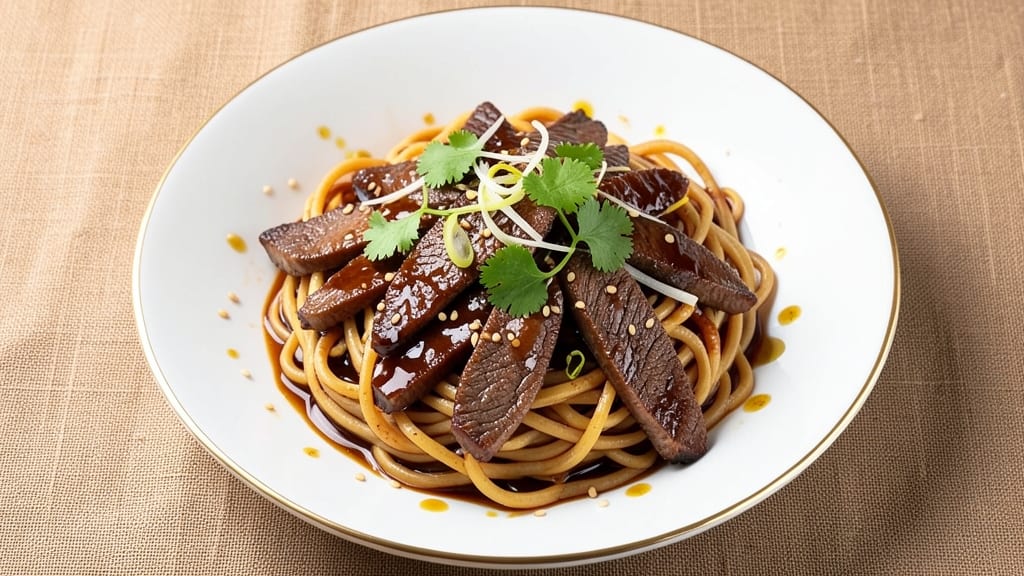
This beef and hokkien noodles recipe delivers the bold, wok-fired flavors of Singapore street food in just 25 minutes—no shortcuts, just restaurant-quality technique. The key lies in high-heat searing of beef strips and crisp-tender noodles tossed together with a fragrant sauce that balances sweet, sour, and umami.
I’ve perfected this version after years of testing, ensuring every bite delivers that signature crunch and depth of flavor.
What sets this dish apart is the two-stage cooking process: first, charring the beef until caramelized and tender, then quickly tossing with pre-cooked hokkien noodles and a sauce made from soy sauce, oyster sauce, and a touch of sugar.
The result? A dish where each component—crispy beef, chewy noodles, and glossy sauce—plays its part without overpowering the others. This isn’t just a quick weeknight meal; it’s a flavor experience that rivals your favorite hawker stall.
By the time you’re done, you’ll have a sizzling wok of beef and hokkien noodles with golden-brown edges on the beef, al dente noodles that hold their shape, and a sauce that clings perfectly to each strand.
The aroma alone—smoky, savory, with hints of garlic and chili—will have everyone at the table asking for seconds. Serve it with lime wedges and fresh cilantro to brighten the rich flavors.
The beauty of this recipe is its versatility: swap in shrimp for extra protein, add a fried egg on top for heartiness, or keep it classic with just the beef and noodles.
Whether you’re feeding a crowd or treating yourself to a homemade takeout night, this dish delivers every time. Let’s get cooking—your wok is waiting.
Ingredients for beef and hokkien noodles
These bold ingredients transform into restaurant-style beef and hokkien noodles in record time.
| Ingredient | Amount | Notes |
|---|---|---|
| Flank Steak 🥩 | 1 lb | Thinly sliced against grain |
| Hokkien Noodles 🍜 | 8 oz | Dried, uncooked, medium width |
| Light Soy Sauce 🥫 | ⅓ cup | Kikkoman preferred |
| Oyster Sauce 🍲 | 2 tbsp | High-quality, no additives |
| Dark Soy Sauce 🥫 | 1 tbsp | For color depth |
| Sesame Oil 🥜 | 1 tbsp | Toasted, for aroma |
| Granulated Sugar 🍚 | 1 tbsp | Balances flavors |
| Garlic Cloves 🧄 | 6 cloves | Minced, fresh preferred |
| Green Onions 🧅 | 3 whole | Sliced, white and green parts |
| Vegetable Oil 🫒 | 2 tbsp | High smoke point |
| Dried Chili Flakes 🌶️ | 1 tsp | Adjust to taste |
| Salt 🧂 | 1 tsp | Kosher, for seasoning |
| Black Pepper 🌶️ | ½ tsp | Freshly ground |
| Lime Wedges 🍋 | 2 whole | For serving |
| Fresh Cilantro 🌿 | ¼ cup | Chopped, for garnish |
The flank steak is non-negotiable here—it's lean but tender when sliced thin against the grain. Ask your butcher to slice it if you're not confident doing it yourself, or buy pre-sliced from an Asian market. For the noodles, Hokkien noodles are essential—they're chewy and hold up to wok-frying. Most Asian grocery stores carry them, but if you can't find them, egg noodles or ramen noodles work in a pinch. Look for soy sauce with no additives—Kikkoman is my go-to, but any light soy sauce will do. The oyster sauce should be thick and glossy; Lee Kum Kee is the gold standard, but any quality brand works.
No oyster sauce? Hoisin sauce or extra soy sauce can stand in, though the flavor won’t be identical. Running low on sesame oil? Toasted sesame seeds can add a similar aroma, though it won’t be as rich. The garlic and green onions should be fresh—no substitutions here. For the chili flakes, dried red pepper flakes work, but adjust the amount since they’re milder. The beef strips should be about 1/4-inch thick—thinner means they’ll overcook before the noodles are done. If you’re feeling adventurous, swap in shrimp for extra protein, but keep the cooking time short to avoid rubbery noodles.
Prep the beef and noodles ahead to save time—store them separately in the fridge for up to 2 days. The sauce keeps for 1 week in the fridge, but the noodles will soften if soaked too long. For a quick meal, cook the noodles just before tossing with the beef. The dish reheats beautifully—just add a splash of water to the wok to loosen the sauce. Garnish with lime wedges and cilantro right before serving to keep everything vibrant. Leftovers? Portion into containers for 3 days of easy lunches.
Why You'll Love This Recipe
- One-Pan Magic: I swear by this—just the steak, noodles, and a splash of soy sauces in one wok. No extra bowls, no mess. That dark soy sauce alone gives it that glossy, restaurant-worthy look with zero effort.
- Umami Bomb: The combo of light and dark soy plus oyster sauce? It’s like a flavor explosion in every bite. The beef stays tender, the noodles soak up all that savory goodness, and honestly? It’s the kind of dish that makes you go back for seconds without trying.
- Lunchbox Hero: Between us, this is my go-to for meal prep. The noodles hold up perfectly for days, and the beef stays juicy if you slice it thin enough. Pack it cold or reheat it—either way, it’s a hit. (Yes, even on a Tuesday night.)
- Budget Win: Flank steak stretches far here, and those sauces? A little goes a long way. I’ve made this for six people for under $20, and everyone leaves happy. Not the fanciest, but the taste makes up for it every time.
Step-by-step instructions for beef and hokkien noodles
Here's how to create restaurant-quality beef and hokkien noodles at home with bold flavors and perfect texture.
Prepare the Flank Steak for Maximum Tenderness
Start by slicing the 1 lb flank steak thinly against the grain into ¼-inch thick strips. This is crucial—thin slices cook quickly and stay tender. Place the sliced steak in a bowl and season generously with 1 tsp salt and 0.5 tsp black pepper. Let it sit for 10 minutes at room temperature while you prep the rest.
While the steak marinates, I like to add 1 tbsp sesame oil and 1 tbsp granulated sugar to the bowl. Toss everything together gently and let it marinate for another 5 minutes. This step adds depth of flavor and helps tenderize the meat. Don't skip it—it makes all the difference in the final texture.
Cook the Steak to Perfect Doneness
Heat 2 tbsp vegetable oil in a wok or large skillet over high heat until it shimmers. Add the marinated steak in a single layer and let it sear undisturbed for 1-2 minutes until the edges turn deep golden brown. This high heat creates that beautiful caramelized crust we want.
Stir the steak and cook for another 1-2 minutes until it reaches medium-rare (about 130-135°F internal temperature). Remove the steak and set it aside on a plate. The residual heat will carry it to perfect doneness while you finish the sauce. Don't overcook it—flank steak stays tender when cooked quickly and hot.
Build the Flavor-Packed Sauce
In the same wok, reduce the heat to medium and add 6 cloves minced garlic. Stir for 30 seconds until fragrant—you should smell that sweet garlic aroma. Add 3 whole sliced green onions and cook for another 30 seconds until softened but still vibrant.
Pour in 0.33 cup light soy sauce, 2 tbsp oyster sauce, 1 tbsp dark soy sauce, and 1 tsp dried chili flakes. Stir everything together and let it simmer for 2 minutes until the sauce thickens slightly. This is where all the umami magic happens—don't rush this step. The sauce should coat the back of a spoon with a glossy sheen.
Cook the Noodles to Al Dente Perfection
While the sauce simmers, bring a large pot of water to a rolling boil. Add 8 oz hokkien noodles and cook for 2-3 minutes until they're al dente—firm to the bite but not crunchy. Drain immediately and rinse briefly under cold water to stop the cooking process. This prevents the noodles from becoming mushy when combined with the hot sauce.
Return the drained noodles to the pot and toss them with 1 tbsp sesame oil to keep them from sticking. The noodles should be hot but not soggy—this is important for maintaining the perfect texture when everything comes together.
Combine Everything for Maximum Flavor
Add the cooked noodles to the wok with the sauce and stir vigorously for 1 minute to coat everything evenly. Return the steak to the wok and toss everything together for another 30 seconds. The steak will finish cooking in this process, reaching perfect medium-rare doneness.
Taste and adjust seasoning if needed—you might want to add a splash more light soy sauce or a pinch of chili flakes. Divide the noodles among 4 plates and garnish each serving with 2 lime wedges and 0.25 cup chopped fresh cilantro. Serve immediately while everything is hot and the flavors are at their peak.
Pro Tips For Making Beef And Hokkien Noodles
- Slice Thin, Cook Fast: Flank steak fights back when sliced thick—it’ll turn chewy before it browns. Cut against the grain into paper-thin strips (⅛-inch max), then sear in batches over screaming-high heat. If your pan isn’t smoking, you’re not ready.
- Marinate the Beef, Not the Noodles: Skip soaking the hokkien noodles—they’ll turn mushy. Instead, toss the flank steak with 1 tablespoon light soy sauce and ½ teaspoon cornstarch for 10 minutes. This keeps the noodles firm while giving the beef a sticky, caramelized edge.
- Balance the Sauces Like a Pro: Dark soy sauce is for color, not flavor—use just ½ teaspoon or your dish will taste bitter. For every tablespoon of oyster sauce, add double the light soy sauce. Taste as you go; the sauce should sing, not shout.
- Blanch Noodles Last: Cook the beef and sauce first, then blanch the noodles in the same wok for 30 seconds. The residual heat finishes them perfectly while infusing that deep, savory aroma. Drain and toss immediately—no soggy bottoms here.
Perfect pairings for this recipe
Classic Side Dishes
Start with a simple quick-pickled cucumber salad—slice 1 English cucumber into half-moons, then toss with 2 tbsp rice vinegar, 1 tsp sugar, and a pinch of red pepper flakes.
Let it sit for 15 minutes before serving. The cool, tangy crunch cuts through the richness of the beef perfectly. 🥒
For extra texture, serve with steamed bok choy—blanched for 2 minutes in boiling water, then shocked in ice water. Toss with a drizzle of toasted sesame oil and a sprinkle of sesame seeds. The mild, slightly bitter greens balance the bold flavors of the noodles.
Drink Pairings
A crisp Chinese jasmine tea is my go-to pairing—its delicate floral notes complement the umami without overpowering. Brew 2 tbsp loose-leaf tea in 8 oz hot water for 3 minutes and serve chilled. The subtle sweetness enhances the dish’s savory depth. ☕
For something stronger, try a light lager like Asahi Super Dry. The crisp, clean finish cleanses your palate between bites, while the slight bitterness echoes the chili flakes in the noodles. Avoid heavy beers—they’ll clash with the dish’s delicate balance.
Garnish Upgrades
Add a soft-boiled egg on top for extra richness—crack it open right before serving so the yolk runs slightly into the noodles. The warmth of the yolk contrasts beautifully with the cool lime wedges. 🍳
For a smoky touch, sprinkle crispy fried shallots over the top. Toast 4 tbsp shallots in 2 tbsp oil over medium heat for 5-7 minutes until golden and fragrant. Their nutty crunch adds another layer of texture that keeps every bite exciting.
Dessert Balance
End the meal with mango sorbet—its bright, tropical sweetness resets your palate after the savory noodles. Blend 2 ripe mangoes, 2 tbsp lime juice, and 1 tbsp honey, then freeze for 4 hours. Scoop and serve with a sprinkle of toasted coconut flakes. 🥭
For a simpler option, offer lychee jelly—its floral, slightly sweet flavor provides a refreshing contrast. Look for pre-made versions in Asian grocery stores, or make your own by simmering 1 cup lychee juice with 2 tbsp agar-agar and chilling until set.
Nutrition facts
Frequently asked questions
Can I use regular spaghetti instead of hokkien noodles?
While spaghetti will work in a pinch, it won't give you that signature chewy texture that makes hokkien noodles perfect for this dish. For the best results, look for dried hokkien noodles at Asian markets—they're wider and have a satisfying bite. If you absolutely must substitute, use egg noodles or udon noodles and cook them just until al dente to maintain texture.
How do I get the beef as tender as it looks in restaurants?
The secret lies in slicing against the grain and cooking quickly over high heat. Use flank steak or sirloin—never round steak—and slice it paper-thin. Marinate for at least 10 minutes with sesame oil and sugar to tenderize, then sear undisturbed for 1-2 minutes per side. The sugar helps caramelize the edges for that restaurant-quality crust.
Can I make this dish ahead of time?
You can prep components separately up to 2 days ahead, but don't combine everything until serving. Cook the beef and sauce separately, store in airtight containers, then reheat in a wok over high heat for 2-3 minutes with fresh noodles. For best texture, cook the noodles fresh and toss with the reheated beef just before eating—this keeps them al dente.
What's the best way to adjust the spice level?
Start with the 1 tsp dried chili flakes called for, then adjust to taste. For more heat, add fresh red chili slices or a dash of Sichuan peppercorn powder. If you prefer mild, reduce the chili flakes to 0.5 tsp or omit entirely. The lime wedges also help balance heat—squeeze them over your portion if you want to cool things down.
Why did my noodles turn mushy when I tossed them with the sauce?
This usually happens when noodles are overcooked or soaked too long in the sauce. Cook them 2-3 minutes until al dente, drain immediately, and rinse briefly with cold water to stop cooking. When tossing, use high heat to quickly coat the noodles—this keeps them firm. Also ensure your wok is properly heated before combining everything.