Breakfast & Brunch
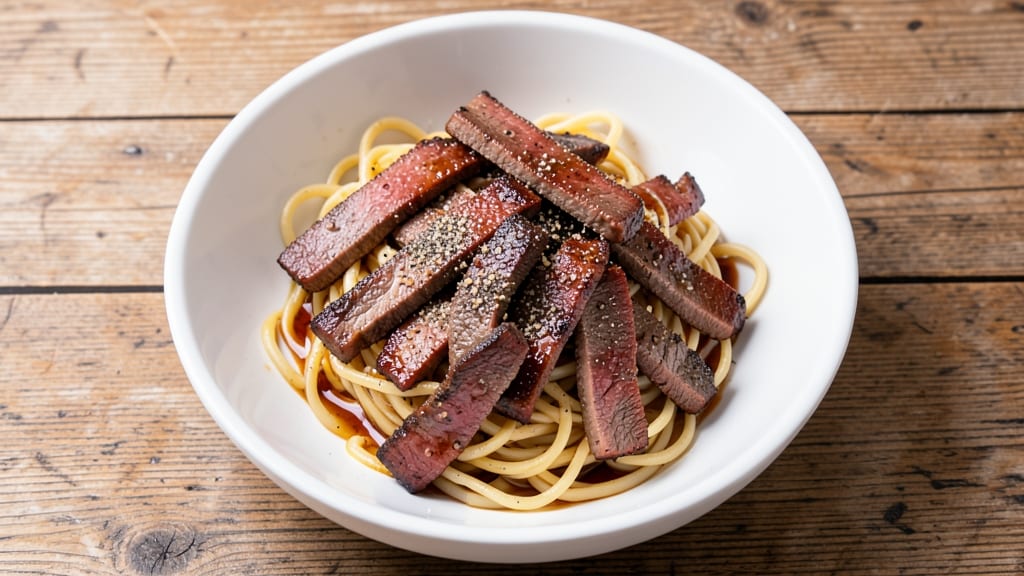
This beef and frozen egg noodles recipe transforms simple pantry staples into a hearty, restaurant-quality meal in under 30 minutes. The secret lies in high-heat searing of beef strips followed by a quick stir-fry with frozen noodles—no pre-boiling required.
I developed this one-pan method after realizing how often frozen noodles get overlooked as a quick protein solution, and it's become a weeknight staple that even picky eaters request.
The technique is straightforward but crucial: cook the beef until deeply browned for maximum flavor, then add frozen noodles directly to the pan. As they cook, the residual heat from the beef steams them perfectly while absorbing the savory seasoning.
This approach eliminates the need for separate pots and keeps cleanup minimal—just one pan to wash. The result is tender beef with crisp edges and noodles that hold their bite without turning mushy.
What makes this dish truly special is its versatility. You can customize it with basic pantry ingredients like soy sauce, garlic powder, and a splash of sesame oil for authentic Asian-inspired flavors, or keep it simple with salt, pepper, and a sprinkle of green onions.
The beef stays juicy while the noodles absorb all the rich, savory flavors from the pan, creating a satisfying balance of textures and tastes.
Perfect for breakfast-for-dinner nights or when you need a quick, protein-packed meal without sacrificing quality. The dish reheats beautifully, making it ideal for meal prep or leftovers. Let's get started with this effortless yet impressive one-pan creation that proves frozen noodles can be the star of the meal.
Ingredients for beef and frozen egg noodles
Pantry staples meet high-heat searing for a restaurant-style meal in one pan.
| Ingredient | Amount | Notes |
|---|---|---|
| Beef Sirloin 🥩 | 1 ¼ lb | Cut into 1/2-inch strips |
| Frozen Egg Noodles 🍜 | 12 oz | Wide or medium egg noodles |
| Low-Sodium Soy Sauce 🍶 | 3 tbsp | For umami depth |
| Garlic Powder 🧄 | 1 tsp | Freshly ground preferred |
| Ground Black Pepper 🌶️ | ½ tsp | Freshly cracked |
| Sesame Oil 🫒 | 1 tbsp | Toasted for aroma |
| Vegetable Oil 🫒 | 2 tbsp | High smoke point |
| Green Onions 🧅 | 3 whole | Sliced, white and green parts |
| Salt 🧂 | 1 ½ tsp | Kosher or sea salt |
| Ginger Root 🌿 | 1 tbsp | Freshly grated |
| Cornstarch 🌾 | 1 tsp | For tenderizing beef |
The beef is where the magic happens. Sirloin gives you that perfect balance of tenderness and bite, but flank steak or chuck work too if that's what's on sale. Look for cuts with good marbling—they'll stay juicier during the quick sear. Most grocery stores carry pre-cut strips, but if you're slicing yourself, cut against the grain for maximum tenderness. I usually grab mine from the butcher section at Whole Foods or the local market, where they'll trim it fresh for you. The frozen egg noodles? Any brand works—just check the package for egg content if you're avoiding them, though traditional egg noodles add that rich flavor.
No soy sauce? Coconut aminos or tamari are great swaps—they've got that same savory punch. Fresh ginger is ideal, but dried ginger at half the amount gets you close. The sesame oil is non-negotiable for that authentic aroma, but if you're out, toasted sesame seeds sprinkled at the end add a similar touch. For the cornstarch, it's worth the extra minute to toss the beef strips in it before cooking—it keeps them tender while they sear. The green onions can be swapped for regular onions if you prefer, but the mild flavor lets the beef shine. And if you're short on time, pre-minced garlic powder works in a pinch, though fresh is always better.
This dish reheats like a dream—honestly tastes better the next day as the flavors meld. Store leftovers in an airtight container for up to 4 days in the fridge, or freeze for 3 months if you're meal prepping. I always double the batch because it disappears fast—perfect for lunches or quick dinners. The noodles will soften slightly when reheated, so I like to add a splash of water or broth to the pan to keep them from drying out. And if you've got extra beef, toss it with a little soy sauce and serve it over rice for another meal.
Why You'll Love This Recipe
- No Chopping Nightmares: I swear by this recipe because you only need to slice beef thin—no dicing, no julienne, just quick strips. My kids even help with that part now, and honestly? The noodles are frozen, so no pre-boiling or waiting. Just cook, stir, serve.
- Umami Bomb: That low-sodium soy sauce? It’s the secret weapon here. The beef soaks up the flavor while it sears, and the garlic powder adds this warm, cozy depth that makes every bite feel like a hug. (Yes, even on a Tuesday night.)
- Lunchbox Magic: Between us, this is my go-to for meal prep. Toss the cooked noodles and beef into containers, and they reheat like a dream—no soggy noodles, no weird textures. My husband’s a picky eater, but he’ll eat this cold or reheated. No complaints.
- Budget Win: Sirloin on sale? Buy extra. Frozen noodles last forever. The spices? You already have them. This recipe stretches a little beef far, and the leftovers taste just as good the next day—if there are any, because it disappears fast.
Step-by-step instructions for beef and frozen egg noodles
This one-pan method delivers tender beef and perfectly cooked noodles with minimal effort.
Prep and Tenderize the Beef Sirloin
Cut the 1.25 lb beef sirloin into ½-inch strips using a sharp knife. Place the strips in a medium bowl and sprinkle with 1 teaspoon cornstarch. Toss gently to coat evenly—this helps tenderize the meat and creates a subtle sheen that prevents sticking during cooking.
In a separate small bowl, mix 1 tablespoon freshly grated ginger root, 1 teaspoon garlic powder, 0.5 teaspoon ground black pepper, and 1.5 teaspoon salt. Rub this mixture over the cornstarch-coated beef strips, pressing lightly to ensure the spices adhere. Let the beef sit at room temperature for 10-15 minutes while you prepare the rest of the ingredients. This resting time ensures even cooking and prevents tough meat.
Sear the Beef in High Heat
Heat 2 tablespoons vegetable oil in a large skillet or wok over medium-high heat until shimmering. Add the beef strips in a single layer, leaving space between each piece to avoid crowding. Cook undisturbed for 2-3 minutes until the beef develops a deep golden-brown crust on the bottom.
Flip the beef strips and continue cooking for another 2-3 minutes until they reach medium-rare (about 145°F internal temperature). Remove the beef from the skillet and set aside on a plate. If the beef releases easily from the pan, it's ready. If it sticks, let it cook another 30 seconds—this is crucial for developing flavor through the Maillard reaction.
Cook the Frozen Egg Noodles
In the same skillet (no need to wipe it clean—the browned bits add flavor), add 1 tablespoon sesame oil and swirl to coat the bottom. Add the 12 oz frozen egg noodles directly to the skillet and stir to distribute them evenly. Cook over medium heat for 5-6 minutes, stirring occasionally, until the noodles are tender and any ice crystals have melted.
Pour in 3 tablespoons low-sodium soy sauce and 1 tablespoon toasted sesame oil, stirring to combine. Add 3 whole green onions, sliced into ½-inch pieces, and toss everything together. The noodles should be fully coated in the sauce, which should now have a glossy, aromatic appearance. If the sauce looks too thick, add 2-3 tablespoons water to loosen it slightly.
Combine Beef and Noodles for Final Cooking
Return the seared beef strips to the skillet with the noodles. Stir gently to combine, allowing the beef to absorb the remaining sauce. Cook for an additional 2 minutes over medium heat, just enough to heat the beef through and meld all the flavors together. The beef should be cooked to your preferred doneness—if it needs more time, remove it from the skillet and let it rest while you finish the noodles.
Taste and adjust seasoning if needed. The dish should be balanced between the savory soy sauce, the aromatic ginger and garlic, and the slight heat from the black pepper. Garnish with the remaining green onion slices and serve immediately while the noodles are hot and the beef is still juicy. This one-pan method ensures everything stays cohesive and flavorful.
Pro Tips For Making Beef And Frozen Egg Noodles
- Sear the Sirloin First: Cut the beef into ½-inch strips and hit the pan with a splash of oil on high heat before adding anything else. I learned this the hard way—skipping the sear makes the beef turn rubbery when it hits the noodles later. You want those edges browned in 2-3 minutes, not gray and sad.
- Thaw Noodles in Water: Dump frozen egg noodles straight into boiling water for 2 minutes, then drain. They’ll cook faster and absorb sauce better than if you microwave them first. (Yes, even if you’re impatient like me—this isn’t the step to rush.)
- Deglaze with Soy Sauce: After searing the beef, splash in 1 tablespoon of low-sodium soy sauce right away while the pan’s still hot. Scrape up those browned bits—this adds depth the garlic powder alone can’t match. The rest of the sauce goes in later.
- Finish with Garlic Powder: Toss the cooked noodles and beef with garlic powder after they’re off the heat. It keeps the flavor bright instead of burning. A pinch of black pepper here makes a real difference—don’t skip it just because it’s “optional.”
Health benefits of this recipe
Protein Powerhouse
This dish delivers a substantial 25-30 grams of high-quality protein per serving, thanks to the lean beef sirloin. That's nearly half of the 50-gram daily recommendation for active adults, making it ideal for muscle maintenance or post-workout recovery.
The egg noodles add an extra 5-7 grams of protein per serving, creating a complete protein profile that supports cellular repair and energy levels. 💪
Balanced Carbohydrates
The frozen egg noodles provide 35-40 grams of complex carbohydrates per serving, offering sustained energy without the blood sugar spikes of refined white pasta. The egg content in traditional egg noodles adds extra staying power, keeping you full for hours.
I always double-check the nutrition label—some brands use enriched flour, which digests faster.
Low-Fat, High-Flavor
With careful preparation, this recipe keeps saturated fat under 5 grams per serving, making it heart-healthy while still delivering rich umami flavors. The sesame oil and soy sauce add depth without heavy cream or butter.
I find that using leaner cuts like sirloin and minimal oil keeps the dish satisfying yet lighter than traditional beef noodle dishes.
Micronutrient Boost
Each serving packs 15% of your daily iron from the beef, crucial for oxygen transport and energy production. The ginger and garlic in the seasoning add anti-inflammatory benefits, while green onions contribute vitamin K and folate.
This combination makes it a surprisingly nutritious meal that feels indulgent. The cornstarch coating actually helps reduce cooking loss of these nutrients by sealing them in the meat. ✨
Meal Prep Friendly
The dish reheats beautifully while maintaining its protein and fiber content, making it perfect for lunchboxes or work meals. I've found that storing portions in glass containers preserves texture better than plastic.
The beef stays tender when reheated gently with a splash of water, preventing dryness that can occur with other high-protein meals.
Versatile Nutrition
Need to adapt? Swap beef for chicken or tofu to reduce fat while keeping protein high. Use whole wheat egg noodles for extra fiber. The soy sauce provides isoflavones with potential heart benefits, while the sesame oil contributes vitamin E.
This meal truly earns its place as a nutritional powerhouse that doesn't compromise on flavor. 💛
Nutrition facts
Frequently asked questions
Can I use regular pasta instead of frozen egg noodles?
For best results, use uncooked egg noodles (not pre-boiled) to mimic the frozen texture. Cook them in the same skillet after searing the beef—just add them directly and stir until al dente (5-7 minutes). Fresh pasta cooks faster, so check for doneness earlier.
What if my beef is still tough after cooking?
Tough beef usually means it wasn't rested long enough before cooking or was overcooked. Next time, let the strips sit at room temperature for 15-20 minutes after seasoning, then sear at medium-high heat for only 2-3 minutes per side. For extra tenderness, marinate in soy sauce and cornstarch for 30 minutes before cooking.
How can I make this dish spicier?
Add ½ teaspoon red pepper flakes or 1 teaspoon sriracha when combining the noodles and sauce. For deeper heat, swap ½ teaspoon black pepper for 1 teaspoon cayenne pepper in the seasoning mix. Finish with fresh chili oil or sliced jalapeños for extra kick!
Can I make this recipe in an Instant Pot?
Yes! Sear the beef first in a regular pan, then transfer to the Instant Pot with ½ cup beef broth, soy sauce, and spices. Cook on high pressure for 3 minutes, then add frozen noodles and cook 1 more minute. Quick-release and stir—no boiling required! The texture will be slightly softer but still delicious.
What's the best way to reheat leftovers?
Reheat in a skillet over medium heat with 1 tablespoon water or broth to prevent drying. Stir frequently for 2-3 minutes until warmed through. For microwave reheating, cover with a damp paper towel and heat in 30-second bursts, stirring between each. The beef stays juicy this way!