
Soups & Stews
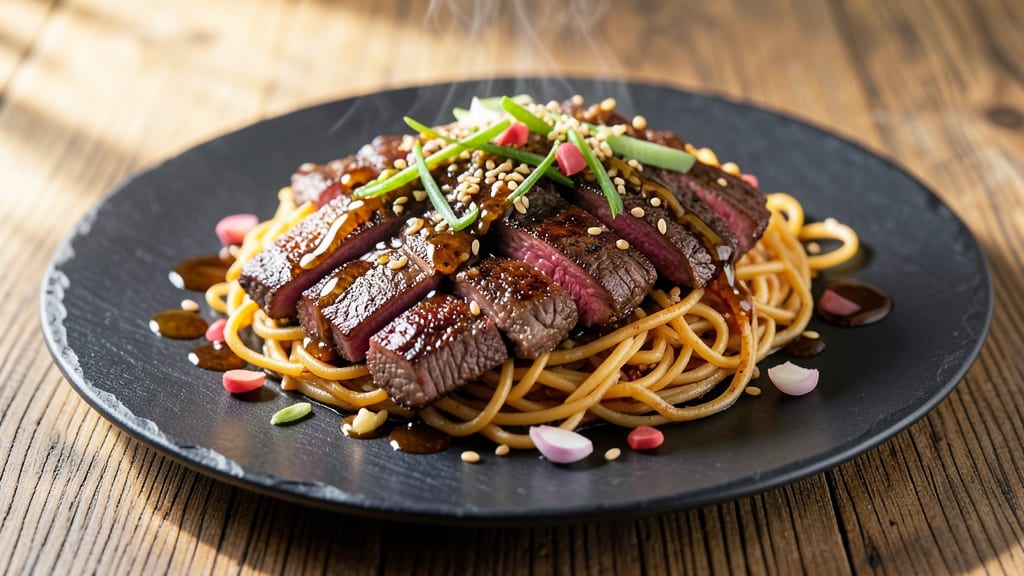
This beef and frozen noodles recipe transforms a simple pantry staple into a restaurant-worthy dish with just 15 minutes of active work. The secret lies in high-heat stir-frying that creates a satisfying wok-fried crunch while keeping the beef tender and the noodles perfectly al dente.
I developed this method after realizing how often frozen noodles get overlooked—until you add the right technique and bold flavors.
The magic happens in the sauce—a silky soy-ginger infusion that balances umami, heat, and freshness without overpowering the beef. We'll use simple pantry staples like garlic, ginger, and a splash of sesame oil to elevate the dish, proving that frozen noodles can be just as impressive as fresh.
The key is timing: cooking the beef until just tender and tossing the noodles while still hot ensures they absorb all that flavor.
What you'll end up with is a dish that's hearty enough for dinner but quick enough for weeknight meals—golden beef strips, crisp-tender noodles, and a sauce that clings perfectly to every bite.
The aroma alone will have everyone at the table asking for seconds. This recipe delivers restaurant-quality results with minimal effort, making it perfect for busy nights when you still want something special.
Serve it as-is for a classic take, or customize with chili flakes for heat, a drizzle of sriracha mayo for creaminess, or extra green onions for freshness. The possibilities are endless, but the foundation stays the same: simple ingredients, bold flavors, and a technique that transforms ordinary into extraordinary.
Ingredients for beef and frozen noodles
Pantry staples and a few fresh aromatics—this beef and noodles dish delivers restaurant-quality results in minutes.
| Ingredient | Amount | Notes |
|---|---|---|
| Frozen Stir-Fry Noodles 🍜 | 8 oz | Any brand, cooked al dente |
| Flank Steak 🥩 | 1 lb | Thinly sliced against grain |
| Soy Sauce 🍶 | ⅓ cup | Low-sodium preferred |
| Sesame Oil 🫒 | 2 tbsp | Toasted, for aroma |
| Fresh Ginger 🧅 | 1 ½ tbsp | Finely grated, peel removed |
| Garlic Cloves 🧄 | 4 cloves | Minced, not pre-minced |
| Neutral Oil 🫒 | 2 tbsp | Vegetable or canola |
| Brown Sugar 🍯 | 1 tbsp | Light or dark |
| Rice Vinegar 🍶 | 1 tbsp | Seasoned preferred |
| Green Onions 🧅 | 3 whole | Thinly sliced, white/green |
| Sesame Seeds 🌾 | 1 tbsp | Toasted for crunch |
| Kosher Salt 🧂 | 1 ½ tsp | Diamond Crystal preferred |
| Black Pepper 🌶️ | ½ tsp | Freshly ground |
| Red Chili Flakes 🔥 | ½ tsp | Optional for heat |
The beef makes or breaks this dish, so flank steak is ideal—it's lean but tender when sliced thin against the grain. Most grocery stores carry it pre-packaged for stir-fry, but if you're buying whole, ask the butcher to slice it for you. Costco or Trader Joe's often have it pre-sliced, which saves time. For the noodles, any frozen stir-fry brand works—just check the package for cooking times, as some are thicker than others. The soy sauce should be low-sodium if you're watching salt, or regular if you want more umami punch. I grab mine in the Asian foods aisle at Walmart—it's usually cheaper than specialty stores.
No sesame oil? Toasted peanut oil works in a pinch, though it lacks that nutty aroma. Fresh ginger and garlic are non-negotiable here—they're the flavor foundation. Pre-minced garlic is fine, but fresh ginger needs grating. For the brown sugar, white sugar works too, but the molasses notes in brown sugar add depth. The rice vinegar adds brightness, so if you only have white vinegar, use half the amount. Green onions can be swapped for scallions, but the white part is key for flavor. For extra heat, add chili flakes to taste—start with 1/2 teaspoon and adjust.
The beef cooks in minutes, so keep it chilled until ready to use. Frozen noodles thaw in 2-3 minutes in hot water, but don't overcook them—they should be crisp-tender when tossed. This dish reheats beautifully—just add a splash of water or broth to the pan and stir. Keeps for 4 days in the fridge or 3 months frozen. I always double the recipe because leftovers make the best lunches. For freezing, portion into containers with a little extra sauce to keep it moist.
Why You'll Love This Recipe
- Fridge-to-Table Speed: I swear by this when I’ve got 20 minutes and a hungry house. Toss the noodles in boiling water while I slice the steak—no waiting, no fuss. The flank steak cooks fast with that ginger and soy, and by the time the noodles are al dente, dinner’s ready.
- Umami Bomb: That sesame oil hitting the pan? Instant flavor upgrade. The soy sauce caramelizes just enough to coat the beef, while the ginger adds a bright kick. It’s not fancy, but it’s ridiculously satisfying—like a takeout vibe without the delivery fee.
- Lunchbox Hero: Between us, this is my go-to for meal prep. Double the batch, pack it cold, and reheat with a splash of water. The noodles stay tender, the beef stays juicy, and my kids actually eat their veggies (if I sneak them in). Zero sad leftovers here.
- Budget Power Move: Flank steak is affordable, frozen noodles last forever, and a little sesame oil goes a long way. I make this when I’m pinching pennies, and no one ever guesses it’s not a restaurant dish. Honestly, it’s the kind of meal that makes grocery day feel like a win.
Step-by-step instructions for wok-fried beef and noodles
Here's the precise method for achieving that perfect balance of tender beef, chewy noodles, and aromatic soy-ginger sauce.
Prep the Flank Steak and Aromatics
Slice the 1 lb flank steak thinly against the grain using a sharp knife. This ensures tender bites—thin slices cook faster and stay juicy. Pat the sliced steak dry with paper towels to remove any surface moisture, which helps achieve a better sear later.
In a small bowl, combine the 1.5 tbsp finely grated fresh ginger, 4 cloves minced garlic, 1 tbsp brown sugar, 1.5 tsp kosher salt, and 0.5 tsp black pepper. Mix well to create a flavorful marinade. Add the sliced steak to this mixture and toss to coat evenly. Let it marinate for 15-20 minutes at room temperature—this allows the flavors to penetrate the meat.
Cook the Noodles Al Dente
Bring a pot of water to a rolling boil and add the 8 oz frozen stir-fry noodles. Cook according to package instructions until they're al dente—slightly firm to the bite. Drain immediately and rinse under cold water to stop the cooking process and remove excess starch. This prevents the noodles from becoming mushy when stir-fried later.
Toss the drained noodles with 1 tbsp sesame oil and set aside. The sesame oil adds a nutty aroma that complements the beef perfectly. Keep the noodles covered to prevent them from drying out while you prepare the rest of the dish.
Stir-Fry the Beef to Perfect Doneness
Heat a large wok or skillet over high heat until it's smoking. Add 2 tbsp neutral oil and swirl to coat the pan evenly. Once the oil is shimmering, add the marinated steak in a single layer. Let it sear undisturbed for 1-2 minutes until the edges turn golden brown.
Stir-fry the beef for an additional 2-3 minutes until it's cooked through but still tender. Remove the beef from the wok and set it aside on a plate. The beef should be lightly charred on the edges but still juicy inside—overcooking will make it tough. Keep the wok on high heat for the next step.
Build the Soy-Ginger Sauce
In the same wok, add the 0.33 cup soy sauce, 1 tbsp rice vinegar, and 0.5 tsp red chili flakes (if using). Stir to deglaze the wok, scraping up any browned bits from the bottom—these bits are packed with flavor. Let the sauce simmer for 1-2 minutes until it slightly thickens.
Return the cooked beef to the wok and toss everything together. Add the cooked noodles and stir-fry for an additional 2 minutes until everything is well combined and heated through. The noodles should be evenly coated with the sauce, and the beef should be evenly distributed throughout.
Finish and Serve
Remove the wok from heat and stir in the 3 whole green onions, sliced thinly, and 1 tbsp sesame seeds. These add a fresh crunch and visual appeal to the dish. Taste and adjust seasoning if needed—you might want to add a splash more soy sauce or a pinch of salt to balance the flavors.
Serve the beef and noodles immediately while hot. Garnish with extra sesame seeds if desired. The dish should have a perfect balance of chewy noodles, tender beef, and a silky soy-ginger sauce with a hint of spice. Enjoy with a side of steamed vegetables or a simple green salad for a complete meal.
Pro Tips For Making Beef And Frozen Noodles
- THIN THE STEAK SLICES: I learned this the hard way—flank steak is tough when cold. Slice it against the grain first, then pound it gently with the flat side of your knife or a meat mallet to even out the thickness. This ensures it cooks fast and stays tender, not chewy, even when stir-frying.
- SOAK NOODLES HALF THE TIME: Frozen stir-fry noodles are a lifesaver, but they still need a quick rinse and a 30-second soak in hot water before cooking. This removes excess starch so they don’t turn gummy—just drain well and toss with a tiny bit of oil right away to keep them from sticking.
- SAUTE GINGER FIRST: Fresh ginger adds depth, but burning it turns your dish bitter. Mince it super fine (or grate it) and cook it in sesame oil over medium heat for 20 seconds—just until fragrant—before adding anything else. This builds flavor without overpowering the beef.
- USE COLD SOY SAUCE: I was skeptical until I tried it: chill your soy sauce in the fridge for 10 minutes before using it. The cold sauce cools the pan slightly, preventing the beef from overcooking in the final stir. Add it in the last 30 seconds, and your noodles will soak up that salty-sweet goodness without drying out.
Make-ahead tips for beef and frozen noodles
Prep Ahead Sauce
Make the soy-ginger sauce the night before to save 10 minutes on cook day. Combine ⅓ cup soy sauce, 1 tbsp rice vinegar, 1 tbsp brown sugar, and ½ tsp red chili flakes in a small bowl.
Store in an airtight container in the fridge for up to 3 days. The flavors meld beautifully overnight, and you can simply reheat it in the wok while cooking the beef. 💫
Marinate Beef Overnight
For maximum tenderness, marinate the beef for 8-12 hours instead of just 15-20 minutes. Use the same marinade ingredients but add 1 tbsp honey to enhance sweetness. Store in a sealed container in the fridge.
The longer marinating time breaks down the meat fibers, making each bite melt-in-your-mouth tender. Just pat dry before cooking—no need to rinse. 🥩
Pre-Cook Noodles
Cook the noodles ahead of time and store them in the fridge for up to 2 days. After draining and rinsing, toss them with 1 tbsp sesame oil and store in an airtight container.
When ready to serve, simply reheat them in the wok with the beef and sauce for 2 minutes. This ensures they're perfectly crisp-tender without overcooking. 🍜
Freezer-Friendly Portions
Portion the cooked beef and sauce into quart-sized freezer bags, leaving 1 inch of headspace for expansion. Freeze for up to 3 months. When ready to eat, thaw overnight in the fridge, then reheat with pre-cooked noodles in the wok for 3-4 minutes over medium heat.
Add a splash of water to help the sauce cling to the noodles. 🧊
Double the Batch
This recipe doubles easily for meal prep. Cook 2 lbs flank steak and 16 oz noodles, then divide into 4 airtight containers. Store in the fridge for 4 days or freeze for 3 months.
Each serving reheats perfectly—just add a splash of water or broth to the pan. I always make extra because it's perfect for lunches or quick dinners. ✨
Garnish Prep
Slice the 3 green onions and toast the 1 tbsp sesame seeds in a dry pan over low heat for 2 minutes. Store both in separate small containers in the fridge for up to 5 days.
Just sprinkle them on top when serving for freshness and crunch—no last-minute chopping required. 🌿
Nutrition facts
Frequently asked questions
Can I use any type of frozen noodles for this recipe?
Yes! Any brand of frozen stir-fry noodles works, but check the package for cooking times—some are thicker than others. For best results, cook them al dente (slightly firm) so they hold up during stir-frying. Egg noodles or wheat-based varieties add extra texture, while rice noodles offer a lighter bite.
What's the best cut of beef for this dish?
Flank steak is ideal because it's lean, flavorful, and tender when sliced thin against the grain. Other good options include sirloin or ribeye—just ensure it's thinly sliced for even cooking. Avoid tougher cuts like chuck unless you're willing to slow-cook them first.
How do I prevent the noodles from getting mushy?
Drain the noodles immediately after cooking and rinse them under cold water to stop the cooking process. Then toss them with 1 tbsp sesame oil before adding to the wok. Stir-frying on high heat for just 2 minutes keeps them crisp-tender. Overcrowding the pan also causes mushiness—work in batches if needed.
Can I make this dish spicier?
Start with 0.5 tsp red chili flakes and adjust to taste. For extra heat, add 1 tsp sriracha to the sauce or top with sliced jalapeños. If you love spice, swap the rice vinegar for 1 tbsp chili crisp> and increase the chili flakes to 1 tsp.
Why does my beef turn out tough?
Overcooking is the most common mistake—beef should cook for just 2-3 minutes after searing. Always slice against the grain and avoid stirring constantly (let it sear undisturbed first). For extra tenderness, marinate for 8-12 hours instead of 15-20 minutes**.