
Soups & Stews
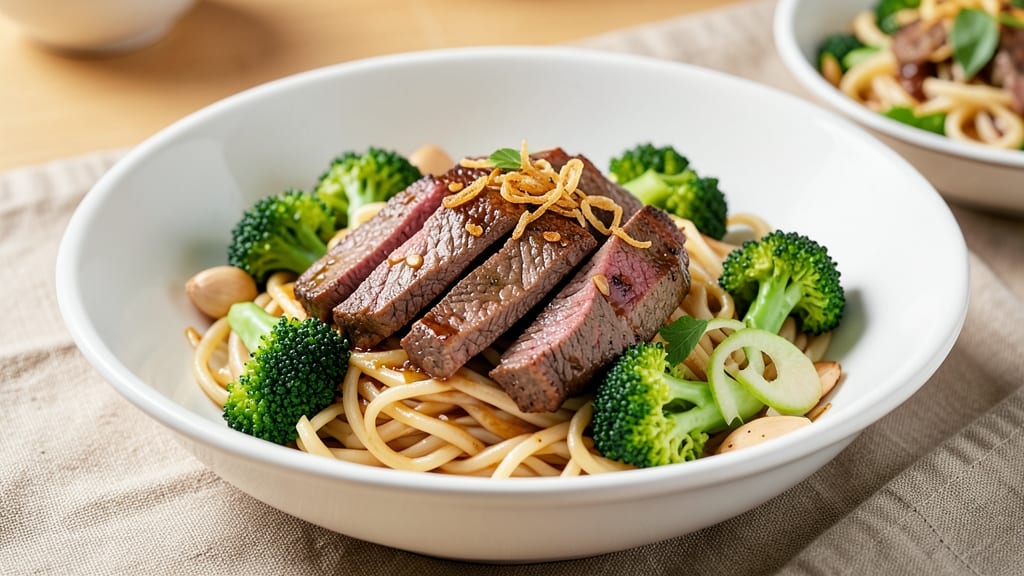
This beef and broccoli udon recipe delivers the perfect balance of wok-fired beef, crisp-tender broccoli, and silky udon noodles in a rich, umami-packed sauce.
The secret lies in high-heat searing for the beef and quick blanching of broccoli to preserve texture, all while building layers of flavor through garlic, ginger, and a savory soy-based sauce.
I developed this recipe after years of perfecting stir-fry techniques, ensuring every bite delivers that satisfying crunch and deep, savory taste.
The dish starts with udon noodles—either fresh or dried—cooked just until al dente, then finished with a quick stir-fry in the wok to prevent mushiness.
Thinly sliced beef gets marinated in a blend of soy, mirin, and sesame oil, then seared to medium-rare perfection before being tossed with the noodles. The broccoli, blanched just enough to soften slightly, adds a vibrant contrast that keeps the dish bright and fresh.
What makes this recipe stand out is the sauce—a harmony of garlic, ginger, oyster sauce, and a touch of honey—that coats everything in a glossy, umami-rich glaze. The wok-fired technique ensures the beef stays juicy while the broccoli retains its satisfying crunch.
Each forkful brings together tender beef, chewy udon, and crisp broccoli, all enveloped in that addictive sauce.
Serve this dish with a sprinkle of sesame seeds and sliced green onions for extra texture and aroma. It’s hearty enough for a main course but versatile enough to pair with miso soup or a simple side salad.
Let’s get cooking—this recipe is your ticket to restaurant-quality udon night at home.
Ingredients for beef and broccoli udon
The foundation of this wok-fired udon dish: tender beef, crisp broccoli, and silky noodles bathed in umami sauce.
| Ingredient | Amount | Notes |
|---|---|---|
| Udon Noodles 🍜 | 8 oz | Fresh or dried, cut into 6-inch lengths |
| Top Sirloin Steak 🥩 | 1 lb | Thinly sliced against grain |
| Broccoli Florets 🥦 | 1 ½ lb | Medium-sized, cut into bite-sized pieces |
| Garlic Cloves 🧄 | 6 cloves | Minced for marinade and sauce |
| Fresh Ginger 🌿 | 2 tbsp | Finely grated, peeled |
| Soy Sauce 🍶 | ⅓ cup | High-quality, preferably Japanese |
| Mirin 🍶 | 2 tbsp | Sweet cooking rice wine |
| Sesame Oil 🫒 | 1 tbsp | Toasted, for aroma |
| Oyster Sauce 🍶 | 2 tbsp | Rich, umami-packed |
| Honey 🍯 | 1 tbsp | Light, for sauce balance |
| Neutral Oil 🫒 | 2 tbsp | High smoke point (avocado or vegetable) |
| Sesame Seeds 🌰 | 1 tbsp | Toasted for garnish |
| Green Onions 🧅 | 3 whole | Thinly sliced, for garnish |
| Salt 🧂 | 1 tsp | Kosher or sea salt |
| Black Pepper 🌶️ | ½ tsp | Freshly ground |
The udon noodles are the backbone of this dish—fresh or high-quality dried makes all the difference. Look for thick udon at Asian markets or the refrigerated section of well-stocked grocery stores like Whole Foods or H Mart. The beef should be top sirloin, sliced paper-thin against the grain for optimal tenderness. For broccoli, bright green florets with tight buds ensure the best texture after quick blanching. The garlic and ginger? Freshly minced—no powdered shortcuts here. Penzeys or the bulk section at Trader Joe's are great sources for quality spices.
No mirin? Substitute 1 tbsp sugar plus 1 tbsp dry sherry—it won’t be identical, but close enough. Oyster sauce missing? Hoisin sauce or extra soy sauce works in a pinch, though the umami depth will differ. The sesame oil is non-negotiable for aroma, but if you’re avoiding it, toasted peanut oil adds a similar nuttiness. Broccoli too tough? Blanch for 30 seconds less—it should stay crisp with just a slight softening. For the beef, ribeye or flank steak work if sirloin isn’t available, but trim excess fat first.
Store cooked udon in an airtight container with a thin layer of oil to prevent sticking—keeps for 3 days in the fridge. The beef marinade can be prepped 1 day ahead, but reserve the sesame oil until cooking to preserve its aroma. Broccoli blanches best fresh, but pre-cut florets in a sealed bag last 4 days. For leftovers, reheat gently in a wok with a splash of water to restore crispness. Freeze portions without sauce for up to 2 months—just thaw and finish with fresh sauce.
Why You'll Love This Recipe
- No-Fuss Prep: I swear by this recipe when I’m too tired to chop—just toss in pre-cut broccoli florets and slice the steak thin while the water boils. The udon cooks in minutes, and you’re left with zero counter clutter.
- Umami Bomb: That first bite? The garlic-ginger sear on the steak, the chewy udon, and the broccoli’s crisp-tender crunch—it’s like a hug for your taste buds. Honestly, the sauce (just soy, mirin, and a splash of sesame oil) does all the heavy lifting.
- Lunchbox Hero: I pack leftovers in my kids’ bento boxes, and they come back begging for more. The udon stays firm enough to hold up, the beef stays juicy, and the broccoli? Still bright green. (Yes, even on a Tuesday night.)
- Budget Meal Magic: Top sirloin might sound fancy, but a single pound stretches for two meals—plus, the rest of the ingredients cost pennies. I’ll be real: this is my go-to when I need to feed the family without breaking the bank.
Step-by-step instructions for wok-fired beef and broccoli udon
Master this technique for restaurant-quality texture—silky noodles, tender beef, and crisp-tender broccoli.
Prepare the Udon and Marinate the Beef
Fill a large pot with water and bring to a rolling boil. Cook the 8 oz udon noodles according to package instructions until al dente—typically 4-5 minutes for fresh udon. Drain immediately and rinse under cold water to stop cooking. Toss with 1 tbsp sesame oil to prevent sticking and set aside.
While the noodles cook, slice the 1 lb top sirloin steak thinly against the grain into ¼-inch strips. In a bowl, combine the beef with 6 cloves minced garlic, 2 tbsp finely grated ginger, 0.33 cup soy sauce, 0.5 tsp black pepper, and 1 tsp salt. Marinate for at least 20 minutes—this ensures maximum tenderness and flavor penetration. The beef should be evenly coated and slightly glossy from the marinade.
Build the Umami Sauce
In a small saucepan, combine 2 tbsp oyster sauce, 2 tbsp mirin, 1 tbsp honey, and 1 tbsp toasted sesame oil. Simmer over medium-low heat for 3-4 minutes until slightly thickened—it should coat the back of a spoon. Remove from heat and set aside. This sauce is the flavor backbone of your dish, balancing sweet, salty, and umami notes perfectly.
For the wok, heat 2 tbsp neutral oil over high heat until shimmering. Add the 1.5 lb broccoli florets and stir-fry for 2-3 minutes until bright green and just beginning to soften. Remove with a slotted spoon and set aside—you want them to finish cooking with the beef, not overcook.
Cook the Beef and Assemble
In the same wok, add the marinated beef in a single layer. Cook undisturbed for 1-2 minutes until the edges brown and crisp. Stir-fry for another 1-2 minutes until the beef reaches 145°F internally and is nearly cooked through. The high heat ensures a caramelized crust while keeping the center tender.
Return the broccoli to the wok and toss everything together. Pour in the prepared sauce and toss vigorously for 30 seconds until everything is evenly coated. Add the cooked udon noodles and toss gently to combine. The noodles should absorb the sauce without becoming mushy—if they're too dry, add 1-2 tablespoons of water to loosen the sauce.
Finish and Serve
Transfer the beef and broccoli udon to serving plates. Garnish each portion with 1 tbsp toasted sesame seeds and 3 thinly sliced green onions. The sesame seeds add a nutty crunch, while the green onions provide freshness and visual appeal. Serve immediately while the noodles are still warm and the sauce is glossy.
For optimal texture, I recommend serving this dish straight from the wok—each bite should deliver tender beef with a slight bite, crisp-tender broccoli, and silky noodles coated in a balanced sauce. The contrast of textures and flavors makes this dish truly special.
Pro Tips For Making Beef And Broccoli Udon
- SEAR THE STEAK FIRST: I used to toss everything in the pan together, but that turns the beef into sad, gray mush. Cut the sirloin into thin strips, pat them bone-dry, and sear them in a screaming-hot wok with 1 tablespoon of oil for 2-3 minutes until the edges are deep brown—this builds flavor that no sauce can match. (Yes, even if you’re impatient like me.)
- BLANCH BROCCOLI LAST: Broccoli florets straight from the fridge into boiling water? They’ll turn into soggy green blobs. Instead, blanch them for exactly 30 seconds in salted water, then shock in ice water to stop cooking—this keeps them crisp. Toss them into the udon bowl after assembling everything else so they stay bright and snappy.
- DON’T OVERCOOK THE UDON: Fresh udon is delicate—if you boil it more than 2-3 minutes (check the package), it’ll turn to glue. Use the "al dente" test: lift a strand with chopsticks; it should have a slight bite. Drain, rinse briefly under cold water, and toss with a splash of sesame oil right away to keep it from sticking.
- USE GINGER JUICE, NOT SLICES: Grating ginger is fine, but for this dish, I crush a 1-inch knob with the flat side of a knife, then squeeze out the juice into the sauce. That concentrated punch cuts through the richness of the beef and broccoli without adding fibrous texture. (Sounds weird, but it works—trust me.)
Storing and reheating this recipe
Refrigerator Storage
Store leftovers in an airtight container with a tight-fitting lid for up to 4 days. I like to portion the udon into quart-sized containers—this makes reheating easier and keeps the noodles from becoming gummy.
The sauce will thicken slightly when chilled, so add 1-2 tablespoons of water when reheating to restore its glossy texture. 🥫
Freezer Prep Tips
For longer storage, freeze cooked udon without the sauce in a single layer on a tray before transferring to a freezer bag. This prevents clumping. The beef and broccoli can be frozen separately for up to 2 months—just thaw overnight in the fridge before reheating.
Label bags with the date to track freshness. 🧊
Reheating Stovetop
My preferred method is stovetop reheating in a wok or skillet over medium heat. Add 1 tablespoon of water or beef broth to prevent sticking, then toss everything together for 2-3 minutes until heated through.
The high heat helps restore that crisp-tender texture in the broccoli. Stir frequently to avoid burning the sauce. 🔥
Microwave Method
For quick reheating, cover the dish with a damp paper towel and microwave on 50% power for 1-2 minutes. Stir halfway through to distribute heat evenly. The microwave tends to make udon noodles softer, so add 1 tablespoon of water and let sit for 30 seconds after microwaving.
Garnish fresh with sesame seeds and green onions to brighten the dish. ⏰
Reviving Texture
If your reheated udon loses its crispness, don’t worry—simply return it to a hot wok for 30 seconds with a splash of water. The residual heat will help restore some of that satisfying crunch.
For extra freshness, finish with a drizzle of toasted sesame oil and a sprinkle of black pepper. This trick works wonders for restaurant-quality results at home. 💫
Sauce Refresh
The sauce often thickens when reheated, so keep a small reserve of fresh sauce in the fridge. Mix 1 tablespoon of oyster sauce with ½ teaspoon of honey and a splash of mirin to revive the flavor. Drizzle it over reheated udon just before serving for that restaurant-fresh taste. 🍶
Nutrition facts
Frequently asked questions
Can I use regular spaghetti instead of udon noodles?
While you can substitute spaghetti, udon's thicker texture and chewy bite are key to this dish. For a closer match, use thick rice noodles or fettuccine—both hold up better to stir-frying. If using spaghetti, cook it 1 minute less than package instructions to prevent mushiness when tossed with the sauce. The flavor will still work, but the texture contrast will be different.
How do I prevent the beef from getting chewy?
Three secrets: thin slicing, proper marinating, and high-heat cooking. Always slice against the grain into ¼-inch strips, marinate for at least 20 minutes (longer if possible), and cook over high heat for 2-3 minutes total. Overcooking is the #1 culprit—remove beef when it reaches 145°F internally. The sauce will carry it to perfect doneness.
Can I make this recipe with frozen broccoli?
Yes, but with adjustments: thaw and pat completely dry first, then stir-fry for 1 minute less than fresh broccoli. Frozen florets release more moisture, which can dilute your sauce. For best results, use fresh broccoli—the brighter color and firmer texture make a noticeable difference in the final dish. If using frozen, blanch for 30 seconds before stir-frying to jumpstart cooking.
What's the best way to make this gluten-free?
Replace soy sauce with tamari or coconut aminos, use gluten-free oyster sauce, and check that mirin is gluten-free (some brands contain wheat). For udon, opt for rice-based udon or shirataki noodles. The sauce will still deliver that umami punch—just watch for subtle flavor differences. All other ingredients (beef, broccoli, sesame) are naturally gluten-free.
Why does my sauce turn too thick when reheating?
This happens when the starches in the sauce break down further during storage. To fix it, add 1-2 tablespoons of water or beef broth and stir over medium heat for 30 seconds. For prevention, store sauce separately in an airtight container and reheat it alone first. The key is gentle heat—high heat makes sauces thicken faster. Keep a small batch of fresh sauce on hand for quick flavor revival.