
Soups & Stews
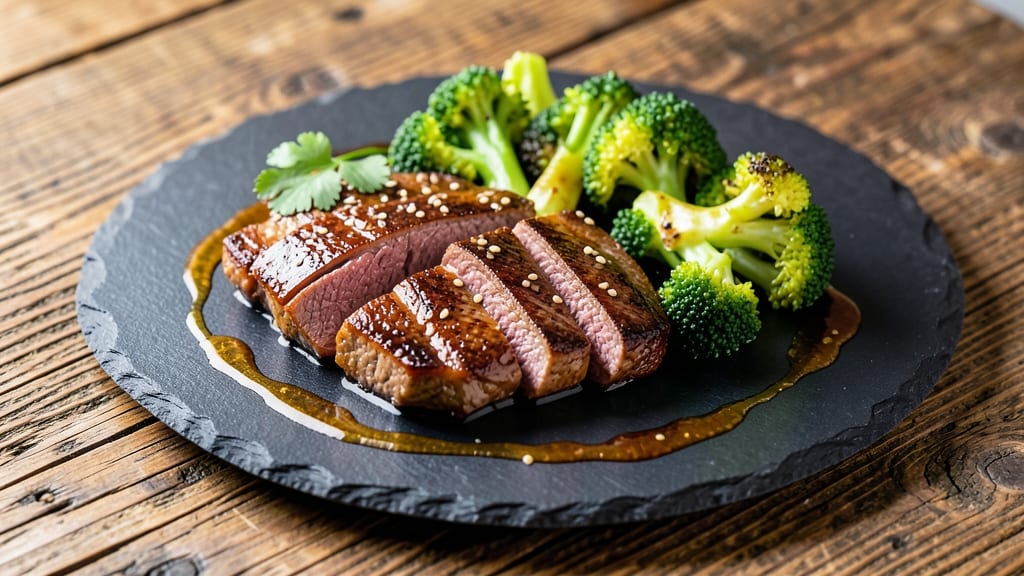
This beef and broccoli recipe is better than takeout, delivering restaurant-quality wok-fired crunch and silky soy-ginger balance that'll make takeout a distant memory. 🔥 The secret lies in high-heat searing for tender beef and crisp broccoli, paired with a sauce that's rich yet perfectly balanced.
I've perfected this technique over countless weeknight dinners, and it never fails to impress—even skeptical eaters.
What sets this recipe apart is the wok-hei technique, where the beef develops a caramelized crust while staying juicy inside, and the broccoli achieves that coveted snap.
The sauce reduces to a glossy, sticky consistency that coats every bite, blending sweet soy, zesty ginger, and a touch of chili for depth. This isn't just another beef and broccoli—it's a full meal with restaurant-quality texture and flavor.
By the time you finish cooking, you'll have perfectly seared beef strips with a glossy sheen, crisp-tender broccoli florets, and a sauce that's both rich and balanced. The aroma alone will have everyone gathering around the table, and each bite delivers that perfect harmony of textures and flavors.
Serve it over steamed rice or noodles for a complete, satisfying meal that rivals your favorite takeout spot.
This recipe builds on classic techniques but elevates them with professional-level results at home. The high-heat cooking ensures that beef stays tender while developing that signature wok-fired crust, and the sauce reduction creates a depth of flavor you won't find in most takeout versions.
Whether you're feeding a crowd or treating yourself to a special weeknight dinner, this beef and broccoli delivers every time.
Ingredients for beef and broccoli recipe better than takeout
Restaurant-quality beef and broccoli starts with these 15 ingredients—simple but transformative when cooked right.
| Ingredient | Amount | Notes |
|---|---|---|
| Flank Steak 🥩 | 1 ½ lb | Thinly sliced against grain |
| Broccoli Florets 🥦 | 2 cups | Fresh, medium-sized florets |
| Extra-Virgin Olive Oil 🫒 | 2 tbsp | High smoke point preferred |
| Sesame Oil 🫒 | 1 tbsp | For aroma, not cooking |
| Low-Sodium Soy Sauce 🍶 | ½ cup | Kikkoman preferred |
| Oyster Sauce 🍶 | 2 tbsp | Lee Kum Kee brand |
| Fresh Ginger 🧄 | 1 tbsp | Finely minced, peeled |
| Garlic Cloves 🧄 | 4 cloves | Minced, fresh preferred |
| Brown Sugar 🍚 | 2 tbsp | Light or dark variety |
| Red Chili Flakes 🌶️ | 1 tsp | Adjust for heat preference |
| Cornstarch 🌾 | 1 tbsp | For sauce thickening |
| Sesame Seeds 🌾 | 1 tsp | Toasted for garnish |
| White Rice 🍚 | 2 cups | Uncooked, long-grain |
| Salt 🧂 | 1 tsp | Kosher or sea salt |
| Black Pepper 🌶️ | ½ tsp | Freshly ground |
The flank steak is non-negotiable here—it's lean but tender when sliced thin against the grain. Look for USDA Choice or Prime at Whole Foods or your local butcher shop (they'll slice it for you). Broccoli should be bright green with tight florets—Trader Joe's has the best pre-cut florets if you're short on time. For the sauce, Kikkoman soy sauce and Lee Kum Kee oyster sauce are the gold standards, but any good-quality brands work. Fresh ginger and garlic are essential—don't use powdered—they make the difference between takeout and restaurant-quality.
No sesame oil? Avocado oil works in a pinch, though it lacks the nutty aroma. Short on oyster sauce? Hoisin sauce at half the amount gives similar depth. The cornstarch is crucial for that glossy sauce—arrowroot powder works too. For extra heat, swap chili flakes for Sichuan peppercorns (toasted and crushed). The brown sugar balances the saltiness, but honey works in a bind. If you're prepping ahead, slice the steak and store it in the fridge (use within 2 days)—just pat it dry before cooking. Broccoli can be blanched and frozen for up to 3 months.
This dish reheats beautifully—just add a splash of water to the sauce and warm through. Keeps for 4-5 days in the fridge, though the beef gets slightly tougher after day 2. For leftovers, re-crisp the broccoli in a hot pan with a touch of sesame oil. The sauce freezes well for 3 months—just thaw and reheat gently. I always make extra rice because it disappears fast, and this dish deserves a proper bed. Garnish with toasted sesame seeds right before serving—they add that final crunch that takes it over the top.
Why You'll Love This Recipe
- One-Pan Magic: I swear by this—just sear the flank steak, toss in the broccoli florets, and let the sesame oil do its thing. No extra dishes, no stress, and honestly? That crispy broccoli edge after a quick stir-fry is worth every second.
- Umami Bomb: The combo of low-sodium soy sauce and a splash of sesame oil at the end? It’s like takeout’s secret weapon. The beef stays tender but packs that deep, savory punch—no mystery sauce required.
- Weeknight Workhorse: Between us, this feeds my family of four and leaves enough for lunch tomorrow. (Yes, even on a Tuesday night.) Double the soy sauce, halve the prep, and boom—effortless leftovers that taste fresh.
- Budget-Friendly Luxury: Flank steak’s affordable, broccoli’s a veggie powerhouse, and a little olive oil goes a long way. I make this twice a month, and my wallet and taste buds thank me. No fancy ingredients, just pure satisfaction.
Step-by-step instructions for wok-fired beef and broccoli
Here's how to create restaurant-quality beef and broccoli with perfect wok hei and silky sauce.
🍳 Step 1: Prep the Flank Steak for Maximum Tenderness
Pat the 1.5 lb flank steak completely dry with paper towels—this ensures a good sear. Place it between two sheets of plastic wrap and pound it to an even ¼-inch thickness using a meat mallet. You want to break down the muscle fibers for tender bites.
Slice the steak against the grain into ¼-inch thick strips. The grain runs diagonally across the flank, so cutting perpendicular creates shorter, more tender pieces. Arrange the sliced steak on a plate, sprinkle with 1 tsp salt and ½ tsp black pepper, and toss gently to coat. Let it sit at room temperature for 15 minutes before cooking—this ensures even doneness.
🥘 Step 2: Build the Flavor-Packed Sauce
In a small bowl, whisk together the ½ cup low-sodium soy sauce, 2 tbsp oyster sauce, 2 tbsp brown sugar, 1 tbsp minced fresh ginger, and 4 cloves minced garlic. This is your flavor base—taste it now to adjust the balance. I like to add a pinch more sugar if the soy sauce is too salty, or a splash of water if it's too thick.
In a separate small bowl, mix 1 tbsp cornstarch with 2 tablespoons cold water to create a slurry. This will give your sauce that perfect glossy finish. Set both mixtures aside—they'll be ready when you need them during the stir-fry.
🔥 Step 3: Stir-Fry the Beef to Perfect Doneness
Heat a 14-inch wok or large skillet over high heat until it's screaming hot. Add 2 tablespoons extra-virgin olive oil and swirl to coat the pan. Add half of the sliced steak in a single layer and let it sear undisturbed for 1-2 minutes until the edges turn deep golden brown. This creates that beautiful crust we crave.
Push the beef to one side of the pan and add the remaining steak. Cook for another 1-2 minutes until all pieces are browned. Transfer the beef to a clean plate and set aside. Don't walk away—this is the moment that matters: the beef should be cooked through but still juicy, not dry. It'll finish cooking in the sauce.
🍳 Step 4: Wok-Fry the Broccoli for Crunch
In the same wok, add 1 tablespoon sesame oil and swirl to coat. Add the 2 cups broccoli florets in a single layer and stir-fry for 2-3 minutes until they turn bright green and develop a slight char on the edges. You want them to retain their crunch—overcooking turns them mushy.
Add the sauce mixture to the wok and stir vigorously for 1 minute until it begins to thicken slightly. Pour in the cornstarch slurry and stir constantly for 30-60 seconds until the sauce reaches your desired consistency—it should coat the back of a spoon but still be silky, not gluey. Taste and adjust seasoning with more soy sauce if needed.
🥘 Step 5: Combine and Finish with Wok Hei
Return the beef to the wok and toss everything together for 1-2 minutes until the beef is heated through and coated in the glossy sauce. Sprinkle with 1 tsp sesame seeds and 1 tsp red chili flakes for color and heat. The chili flakes add a subtle kick without overpowering the dish—adjust to taste.
Serve immediately over 2 cups cooked white rice (preferably jasmine or basmati). The contrast of the warm rice with the bold, slightly charred beef and vibrant broccoli creates the perfect balance. Each bite should deliver tender beef, crisp broccoli, and that addictive sauce with just the right amount of sweetness and umami.
Pro Tips For Making Beef And Broccoli Recipe Better Than Takeout
- Slice Against the Grain: I learned this the hard way—thin slices of flank steak cook faster and soak up sauce better, but cutting against the grain (not with it) makes each bite tender. Use a sharp knife and angle it at 45 degrees for clean, even slices that won’t turn chewy.
- Blanch Broccoli First: Skip the soggy florets: Plunge broccoli into boiling water for 30 seconds, then shock in ice water. This preserves color, locks in nutrients, and ensures it stays crisp when stir-fried later. (Yes, even if you’re impatient like me.)
- Start Hot, Finish Low: After searing the beef in a screaming-hot pan, turn the heat down to medium-low for the sauce. High heat at the end burns the soy sauce and sesame oil, turning them bitter. Keep it steady—this is where the real flavor melds.
- Use Two Oils: Extra-virgin olive oil handles high heat for searing, but sesame oil belongs at the end—just a teaspoon—to add aroma without burning. Add it when the beef is almost done, then toss everything together. (Your nose will thank you.)
Wine and beer pairings for this recipe
Soy Sauce Harmony
The rich, umami depth of this dish pairs beautifully with dry Riesling from Germany or Austria. A 2018 Dr. Loosen Blue Slate offers bright acidity that cuts through the soy sauce's saltiness while complementing the ginger's zing.
The slight sweetness in the wine mirrors the brown sugar in the sauce, creating a perfect balance. Serve slightly chilled to enhance its crispness against the warm beef. 🍷
Umami-Enhanced Reds
For red wine lovers, a Pinot Noir from Oregon's Willamette Valley delivers the ideal match. Look for a 2019 Domaine Serene—its earthy notes and red fruit flavors harmonize with the beef's caramelized crust and the sauce's savory depth.
The wine's moderate tannins won't overpower the dish, allowing the ginger and garlic to shine. Let it breathe for 30 minutes before serving to open its aromas fully.
Craft Beer Balance
A wheat beer with a touch of spice works surprisingly well with this dish. Try a Blue Moon Belgian White—its coriander and orange peel notes complement the ginger and chili flakes, while the light body won't compete with the beef's richness.
For a darker option, a Session IPA (like New Belgium Voodoo Ranger) brings hoppy bitterness that cleanses the palate between bites. Serve at 45°F for the best experience.
Light Brew Pairing
If you prefer beer, a Japanese junmai sake like Dassai 23 adds an unexpected but brilliant pairing. The sake's clean, slightly sweet profile enhances the dish's umami without overpowering it. Serve it slightly warmed (100°F) to amplify its aromatic qualities.
The subtle rice notes in the sake mirror the white rice serving, creating a cohesive dining experience that feels both traditional and innovative.
Non-Alcoholic Options
For a refreshing non-alcoholic match, try sparkling yuzu soda—its citrusy brightness contrasts the dish's savory depth. Add a splash of yuzu juice (or substitute with lime) to chilled sparkling water and serve over ice.
The effervescence cleanses the palate between bites, while the citrus enhances the ginger's zing. For a warmer option, jasmine tea with a hint of honey provides a soothing complement to the dish's bold flavors. 💛
Nutrition facts
Frequently asked questions
Why does slicing beef against the grain make it more tender?
Slicing against the grain cuts across the muscle fibers, shortening them so they're easier to chew. The grain runs diagonally across flank steak, so cutting perpendicular creates tender ¼-inch strips that stay juicy instead of tough. This technique is key to restaurant-quality texture—never skip it!
Can I use a regular skillet instead of a wok?
A 14-inch heavy-bottomed skillet works perfectly—just make sure it's screaming hot before adding oil. The key is high heat and quick cooking to maintain that crisp-tender texture. If your pan isn't wide enough, cook in batches to avoid crowding the beef.
How do I fix beef that's tough after cooking?
If your beef turns out tough, it likely cooked too long. Next time, cook in batches for 1-2 minutes per side max—it should be slightly pink inside. For leftovers, slice thinly against the grain again and quickly sear in a hot pan with a splash of soy sauce to restore tenderness.
What's the best way to store leftovers?
Store in an airtight container for up to 4-5 days in the fridge. For longer storage, freeze the sauce separately (up to 3 months) and reheat gently with the beef. To revive texture, toss reheated beef with a little extra sesame oil and broccoli in a hot pan for 1-2 minutes.
Can I make this dish gluten-free?
Yes! Replace soy sauce with tamari or coconut aminos (use ½ cup total) and check oyster sauce labels for gluten. For extra umami, add 1 tbsp gluten-free fish sauce to the sauce mixture. The texture and flavor will be just as rich when made with these substitutes.