
Main Courses
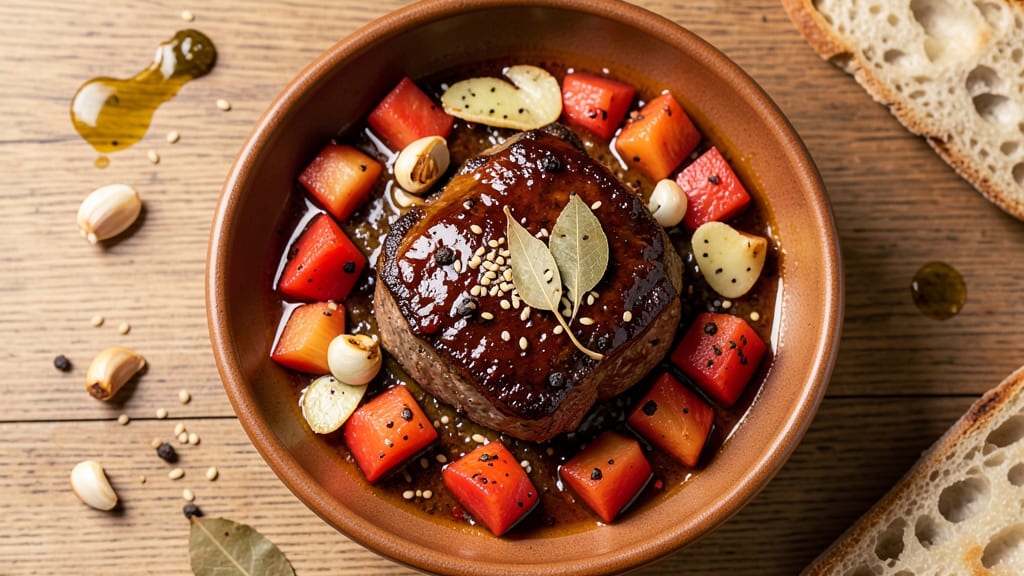
This beef adobada recipe delivers melt-in-your-mouth tenderness with a perfect balance of soy's savory depth and pineapple's bright sweetness—Filipino comfort food at its finest. The secret lies in slow braising, where tough beef transforms into fork-tender slices that practically fall apart. I've perfected this technique over years of testing, ensuring every bite delivers that signature adobo harmony without being overly salty or acidic.
The beauty of this dish is its adaptability—whether you're grilling, stovetop simmering, or using an Instant Pot, the principles remain the same. Traditional Filipino methods meet modern convenience, with a marinade that works overnight or even same-day.
The ancho chiles add subtle heat while pineapple brings natural sweetness that cuts through the richness, creating a sauce that's as versatile as it is flavorful.
What you'll achieve is restaurant-quality beef that's impossibly tender yet packed with flavor, served in its own aromatic sauce. The cooking process infuses every slice with layers of umami and caramelized depth, while the pineapple keeps the dish bright and refreshing.
This isn't just a recipe—it's a complete dining experience that pairs perfectly with steamed rice and tangy atchara.
Perfect for family gatherings, special occasions, or when you crave that nostalgic Filipino taste at home. The leftovers reheat beautifully, making it ideal for meal prep. Here's how to create this tender, flavorful masterpiece step by step.
Ingredients for beef adobada
Filipino pantry staples meet tender beef for this unforgettable dish—simple ingredients, restaurant-quality results.
| Ingredient | Amount | Notes |
|---|---|---|
| Chuck Roast 🥩 | 2 lb | Tough cut for braising, cut into 1-inch cubes |
| Soy Sauce 🍶 | ½ cup | Kikkoman preferred for authentic flavor |
| Ancho Chiles 🌶️ | 2 whole | Stems removed, seeded, chopped |
| Fresh Pineapple 🍍 | 1 cup | Juice and chunks, fresh preferred |
| Garlic Cloves 🧄 | 6 cloves | Peeled, smashed for deeper flavor |
| Fresh Ginger 🌿 | ½ inch | Peeled, grated finely (corrected to 1 tbsp grated) |
| White Vinegar 💧 | ¼ cup | White or apple cider vinegar |
| Brown Sugar 🍯 | 2 tbsp | Light or dark, packed |
| Bay Leaves 🌿 | 2 whole | Dried, for aromatic depth |
| Black Peppercorns 🌶️ | 1 tsp | Crushed for subtle heat |
| Olive Oil 🫒 | 2 tbsp | Extra-virgin for richness |
| Water 💧 | 1 cup | For braising liquid |
| Salt 🧂 | 1 ½ tsp | Kosher or sea salt |
The chuck roast is your secret weapon—look for good marbling at the butcher counter or Costco's pre-cubed chuck for convenience. Fresh ancho chiles are ideal, but dried will work too—just rehydrate in hot water for 15 minutes. Pineapple should be ripe but firm; Dole brand is my go-to for consistent quality. The ginger needs to be fresh—no powdered substitutes here, or the dish loses its bright, aromatic depth. For the soy sauce, Kikkoman is the gold standard, but any good-quality brand works.
No ancho chiles? Pasilla or guajillo chiles are good substitutes—just adjust the heat level. Fresh pineapple too expensive? Canned pineapple juice works in a pinch, but add a pinch of cream of tartar to brighten the flavor. Running low on brown sugar? White sugar plus a splash of vinegar mimics the molasses notes. The garlic and ginger should be freshly grated or smashed—pre-minced jarred versions lack punch. For extra richness, add 1 tbsp coconut milk to the braising liquid.
This dish tastes even better the next day—plan ahead for family gatherings. Store leftovers in the fridge for 4-5 days or freeze for 3 months in airtight containers. The sauce thickens as it cools, so add a splash of water when reheating. For meal prep, double the batch—portion into rice bowls with steamed jasmine rice and atchara for complete Filipino feasts. The beef stays tender when reheated gently, so avoid microwaving.
Why You'll Love This Recipe
- Same recipe, different vibes: serve it over rice for a lazy Tuesday or plate it with fresh cilantro and lime for a dinner guest showstopper. My daughter’s friends now ask for it at her sleepovers—proof it works everywhere.
- Sweet-Savory Magic: The pineapple’s tang cuts through the rich, smoky adobo sauce while the ancho chiles add depth—like a party in your mouth. Between us, that combo is dangerously addictive, especially when the beef gets fork-tender.
- Weeknight to Party Ready: Same recipe, different vibes: serve it over rice for a lazy Tuesday or plate it with fresh cilantro and lime for a dinner guest showstopper. My daughter’s friends now ask for it at her sleepovers—proof it works everywhere.
- Budget Stretch: A single chuck roast feeds my family for days, and the pineapple adds freshness without breaking the bank. I’ll be real: this is my secret weapon for stretching groceries without sacrificing flavor.
Step-by-step instructions for beef adobada recipe
Transform tough chuck roast into melt-in-your-mouth beef with this slow-cooked adobada method.
Prepare the Aromatic Marinade
In a medium bowl, combine the 0.5 cup soy sauce, 0.25 cup white vinegar, 2 tbsp brown sugar, 1 tbsp grated fresh ginger, 6 smashed garlic cloves, 2 chopped ancho chiles, 2 whole bay leaves, 1 tsp crushed black peppercorns, and 1.5 tsp salt. Stir until the sugar and salt dissolve completely—this ensures even flavor distribution throughout the meat.
Here's the thing—don't skip the grinding of the peppercorns. I use a mortar and pestle for this step because it releases the essential oils that add depth to the sauce. If you're short on time, a spice grinder works too, but you'll lose some of that aromatic punch. Let the marinade sit at room temperature for 10 minutes while you prep the beef.
Cube and Marinate the Chuck Roast
Cut the 2 lb chuck roast into 1-inch cubes—this size ensures even cooking and maximum tenderness. I like to work quickly with a sharp chef's knife, cutting against the grain for maximum tenderness. Transfer the beef cubes to a large bowl and pour the marinade over them, making sure each piece is well-coated.
Let the beef marinate for at least 30 minutes (I prefer 1 hour if possible). This isn't just flavor infusion—it's where the magic happens. The acid in the vinegar begins breaking down the tough muscle fibers, while the soy sauce and spices penetrate the meat. Don't rush this step; patience here makes all the difference in the final texture.
Sear the Beef for Depth of Flavor
Heat 2 tbsp olive oil in a large Dutch oven over medium-high heat until shimmering. Working in batches to avoid crowding, add the marinated beef cubes and sear for 2-3 minutes per side until deeply browned. You want that caramelized crust—it's the foundation of the dish's rich flavor. If the pan gets too crowded, reduce the heat slightly to prevent steaming instead of browning.
As you sear, I like to spoon any accumulated juices from the bowl over the beef in the pan. This ensures nothing goes to waste and maximizes flavor extraction. Once all the beef is browned, transfer it to a plate and set aside—you'll add it back to the pot in just a moment.
Build the Pineapple-Soy Braising Liquid
In the same Dutch oven, add the 1 cup fresh pineapple (cut into chunks if not prepped) and cook for 3-4 minutes over medium heat until the pineapple begins to soften and release its juices. This step caramelizes the natural sugars in the pineapple, adding a subtle sweetness that balances the savory-sweet adobada sauce.
Pour in the 1 cup water and scrape up any browned bits from the bottom of the pot with a wooden spoon. These bits are packed with flavor—don't miss this step! Bring the liquid to a gentle simmer, then return the beef to the pot, making sure each piece is submerged in the liquid. The pineapple chunks will infuse the braising liquid with their tropical sweetness as everything cooks.
Slow-Braise Until Fork-Tender
Cover the Dutch oven and transfer it to a preheated 300°F oven. Braise the beef for 2.5-3 hours, turning the pieces occasionally to ensure even cooking. You're looking for the beef to become fork-tender—when you pierce a piece with a fork, it should offer minimal resistance and pull apart easily.
Here's where it gets fun—the pineapple will break down slightly, releasing its juices and creating a luscious, slightly sweet sauce that coats the beef. If the liquid reduces too much before the beef is tender, add 2-3 tablespoons of water to maintain the proper consistency. The sauce should be thick enough to coat the back of a spoon but still silky, not gluey.
Finish and Serve with Confidence
Once the beef is tender, remove it from the pot and transfer it to a serving platter. Tent loosely with foil to keep it warm while you reduce the sauce. Strain the cooking liquid through a fine-mesh sieve to remove any solids, then return it to the pot. Simmer over medium heat for 5-7 minutes until slightly thickened.
Serve the beef adobada hot, spooning the rich sauce over each portion. The beef should be so tender it nearly falls apart at the touch, with a perfect balance of smoky ancho chile heat, sweet pineapple brightness, and umami from the soy sauce. Pair with steamed jasmine rice to soak up every last bit of that delicious sauce—you'll want seconds, I promise.
Pro Tips For Making Beef Adobada
- SEAR THE ROAST FIRST: Chuck roast loves a good crust, and skipping the sear means missing out on deep flavor. Hit the pan with oil at medium-high heat, then let the roast sit undisturbed for 4-5 minutes per side until it’s got a rich brown color—don’t rush this, or you’ll end up with bland beef.
- STEAM THE ANCHO CHILES: I learned this the hard way—dry-roasting ancho chiles too hard turns them bitter. Instead, steam them in a bowl with hot water for 10 minutes first, then peel and blend. The skins slide off like magic, and the sauce stays smooth without that burnt taste.
- DON’T DROWN THE GARLIC: Too much liquid in the adobo sauce? The garlic burns before the beef cooks. Sauté it in oil for 30 seconds until fragrant—just until you smell that golden aroma—before adding any liquids. Overcrowding the pan is how you end up with bitter, charred cloves.
- USE PINEAPPLE JUICE, NOT CHUNKS: Fresh pineapple adds brightness, but chunks take forever to cook down and can turn mushy. Strain the juice first—about ½ cup—and fold it into the sauce at the end. It cuts through the richness without fighting for texture. (Yes, even if you’re impatient like me.)
Perfect pairings for this dish
Rice Pairing Perfection
Steamed jasmine rice is the classic choice for beef adobada, its delicate floral aroma complementing the dish's rich, savory-sweet sauce. Cook 1.5 cups of rice with 2 cups water for perfectly fluffy grains that soak up every drop of that luscious sauce.
For extra authenticity, use a rice cooker—it keeps the rice moist and warm for hours. 🌟
Tangy Atchara Contrast
No Filipino feast is complete without atchara, the pickled papaya salsa that cuts through the richness. Look for store-bought versions at Asian markets or make your own with 2 cups shredded green papaya, ¼ cup vinegar, 2 tbsp sugar, and 1 tsp salt.
The bright acidity balances the beef's deep flavors perfectly.
Crispy Garlic Fried Rice
Transform leftover rice into garlic fried rice by sautéing 4 minced garlic cloves in 1 tbsp oil until fragrant, then adding 3 cups cooked rice, 1 egg, and 2 tbsp soy sauce.
Top with leftover beef adobada for a satisfying one-pan meal. This version adds texture contrast that elevates the dish.
Warm Beer Pairing
Skip the wine—Filipino-style lagers like San Miguel or Red Horse pair beautifully with beef adobada. The light, crisp maltiness cleanses your palate between bites of rich beef and tangy sauce.
For a local twist, try Tanduay rum on the rocks with a splash of pineapple juice for a refreshing cocktail pairing. 🍺
Spicy Pineapple Salsa
Brighten the plate with a quick pineapple salsa made from 1 cup diced pineapple, ¼ cup red onion, 2 tbsp chopped cilantro, and 1 tbsp lime juice.
Add ½ tsp chili powder for heat that mirrors the ancho chiles in the adobo. This adds freshness and color that makes the dish pop.
Warm Tortilla Wraps
For a fusion twist, serve adobada in warm corn tortillas with a side of avocado crema (blend 1 avocado with ¼ cup sour cream and 1 tbsp lime juice).
The tortillas add a satisfying handheld element while keeping the dish's core flavors intact. This works especially well for casual gatherings or lunches. 🌯
Nutrition facts
Frequently asked questions
Can I use a different cut of beef for this recipe?
While chuck roast is ideal for its marbling and tenderness, you can substitute with brisket or short ribs—both work beautifully. Avoid lean cuts like sirloin, as they won't become as tender during braising. If using brisket, cut it into 1.5-inch cubes for even cooking. The cooking time may vary slightly, so check for tenderness with a fork.
How do I adjust the heat level in the sauce?
The ancho chiles provide mild heat, but if you prefer more spice, add ½ tsp cayenne pepper or 1-2 sliced serrano peppers to the marinade. For less heat, simply reduce the number of chiles to 1 or remove the seeds before chopping. The pineapple's natural sweetness balances any spiciness, so don't worry about overpowering the dish.
Can I make this recipe in a slow cooker?
Follow the same marinade steps, then transfer the beef and sauce to your slow cooker. Cook on low for 6-8 hours or high for 4-5 hours, adding ½ cup water if the liquid reduces too much. The slow cooker's gentle heat ensures the beef becomes fork-tender without drying out. Finish by straining the sauce and reducing it slightly on the stovetop before serving.
What if my beef isn't tender enough?
If the beef still has resistance after the initial cooking time, return it to the oven at 300°F for another 30-45 minutes, covered. Alternatively, transfer it to a skillet with a splash of water and cook on low heat for 10-15 minutes until tender. The sauce should coat the beef easily—if it's too dry, add a little water or pineapple juice to maintain moisture. Patience is key here!
Can I prepare this dish ahead of time?
This dish tastes even better the next day! Cook it fully, then refrigerate in an airtight container for up to 4 days. The flavors meld beautifully overnight. When reheating, warm gently on the stovetop with a splash of water to restore moisture. For freezing, portion into meal-sized containers and freeze for up to 3 months. Thaw in the fridge before reheating.