Main Courses
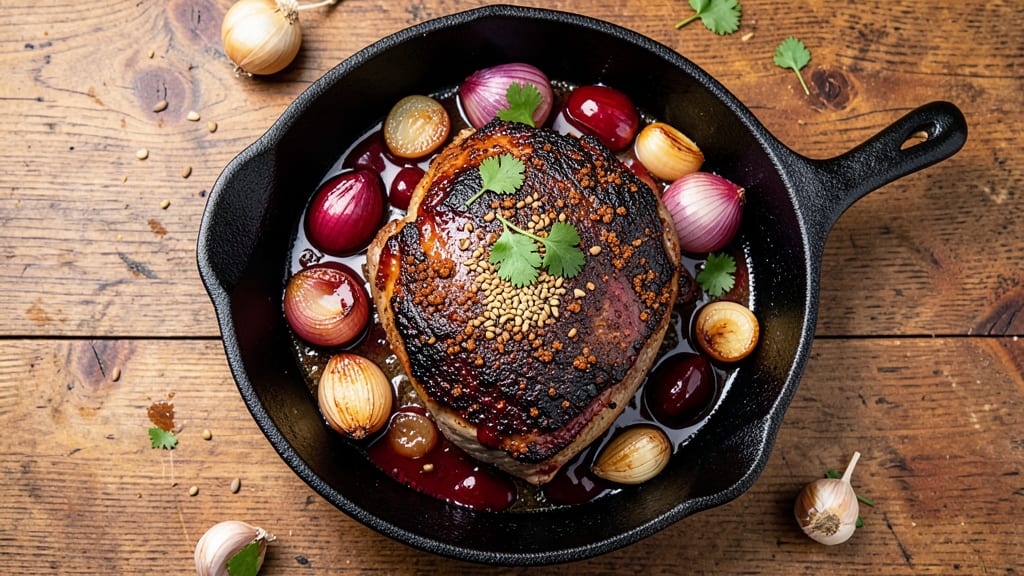
This BBQ beef recipe ideas transforms tough cuts into tender, smoky-sweet masterpieces that'll make your grill the centerpiece of summer gatherings. I've spent years perfecting techniques that deliver restaurant-quality results at home, from choosing the right wood to mastering the perfect bark.
The key lies in balancing bold spices with sweet, tangy sauces that penetrate every fiber of the meat.
What sets this recipe apart is its versatility—whether you're smoking a brisket for hours or searing a ribeye on the grill, the same principles apply.
We'll focus on a dry rub that creates that coveted crust while keeping the interior juicy, plus a sauce that caramelizes beautifully without overwhelming the smoky flavors. The secret weapon? Patience and precise temperature control, which I'll walk you through step by step.
By the time you're done, you'll have beef that's so tender it practically melts in your mouth, with a perfect balance of smoky, sweet, and savory flavors. The aroma alone will have everyone gathering around the grill, and each bite will be a testament to your newfound BBQ mastery.
This isn't just another recipe—it's a complete guide to elevating your grilling game.
We'll cover everything from choosing your cut to resting the meat properly, plus tips for adapting the technique to different beef varieties. Whether you're hosting a backyard barbecue or treating yourself to a solo dinner, these methods will deliver results that impress even the most seasoned grill masters.
Let's get started on creating your signature BBQ beef dish.
Ingredients for bbq beef recipe ideas
Six ingredients transform tough beef into melt-in-your-mouth BBQ masterpieces—smoky, sweet, and packed with flavor.
| Ingredient | Amount | Notes |
|---|---|---|
| Beef Chuck Roast 🥩 | 3 lb | Tough cut for slow smoking |
| Yellow Onion 🧅 | 1 whole | Sliced into wedges |
| Garlic Cloves 🧄 | 8 cloves | Peeled for rub |
| Smoked Paprika 🌶️ | 2 tbsp | For signature smoky flavor |
| Brown Sugar 🍯 | ½ cup | Light or dark works |
| Kosher Salt 🧂 | 2 tbsp | Diamond Crystal preferred |
| Ground Black Pepper 🌶️ | 1 tbsp | Freshly cracked |
| Ground Cumin 🌿 | 1 tbsp | Toasted for depth |
| Dried Thyme 🌿 | 1 tbsp | Or 1 tsp fresh |
| Apple Cider Vinegar 🍎 | ½ cup | For tangy sauce |
| Honey 🍯 | ½ cup | Local if possible |
| Tomato Paste 🍅 | ¼ cup | San Marzano preferred |
| Wood Chips 🌳 | 2 cups | Hickory or cherry |
| Beef Broth 🥫 | 1 cup | Low-sodium preferred |
The beef cut matters most here. Chuck roast is ideal for its marbling and collagen—it turns tender with slow cooking, while ribeye stays too firm for long smokes. Grab it from the butcher counter if possible (Costco or Whole Foods have great pre-cut options), and look for good marbling. If you're using a whole roast, trim excess fat but leave some for flavor. The onions and garlic get tucked into the rub for extra depth, while the wood chips add that signature smoky aroma. Pro tip: soak your wood chips in water for 30 minutes before using—they'll smoke longer and produce less ash.
No smoked paprika? Substitute with a mix of regular paprika and a pinch of liquid smoke (start with ½ tsp). Running short on honey? Maple syrup or agave works in a pinch, though honey's floral notes are ideal. The tomato paste can be swapped for crushed tomatoes (use 1 cup), but you'll lose some thickness. For the beef broth, low-sodium is key—otherwise, you'll need to adjust the salt in the rub. The cumin and thyme are non-negotiable for that authentic BBQ flavor, but if you're out of fresh thyme, dried works at half the amount. And if you don't have wood chips, chop up a whole onion and throw it on the coals for a quick smoke boost.
This dish tastes even better the next day once all the flavors meld. Store leftovers in an airtight container in the fridge for up to 5 days, or freeze for 3 months in portion-sized containers. For reheating, slow cook on low with a splash of beef broth to keep it moist. I always make extra because it disappears fast—doubling the recipe is worth it for a crowd. And if you're short on time, you can prep the rub and sauce ahead, then apply them right before grilling.
Why You'll Love This Recipe
- Foolproof Roast: I swear by this—no fancy searing or basting required. Toss the chuck roast in a bag with onions, garlic, and spices, then let the oven do the work. That’s how you cook when you’ve got better things to do than stand at the stove.
- Smoky-Sweet Magic: The smoked paprika and brown sugar caramelize into this sticky, tender glaze that clings to every bite. It’s the kind of flavor that makes you slow down mid-chew—like biting into a perfectly balanced BBQ sandwich, but better.
- Leftovers That Win: Between us, this recipe actually improves the next day. Shred it for tacos, sandwiches, or even a loaded baked potato. My kids fight over the fridge scraps, and I don’t even have to cook again for days.
- Budget Game-Changer: A chuck roast stretches farther than you’d think, especially when you’re feeding a crowd. I’ve fed six people for under $20, and everyone leaves happy—no sad salads or expensive cuts here. Pure value.
Step-by-step instructions for smoky-sweet BBQ beef roast
Transform your tough chuck roast into fall-off-the-bone perfection with this sweet-smoky method.
Prepare the Rub and Season the Roast
In a medium bowl, combine the 2 tbsp smoked paprika, 0.5 cup brown sugar, 2 tbsp kosher salt, 1 tbsp ground black pepper, 1 tbsp ground cumin, and 1 tbsp dried thyme. Mix well until the spices are evenly distributed and the sugar crystals dissolve slightly. This creates a sticky, flavorful coating that clings perfectly to the meat.
Pat the 3 lb beef chuck roast completely dry with paper towels—this is crucial for developing that beautiful bark. Then generously coat all sides with the spice mixture, pressing it into the meat so it adheres well. Place the roast on a plate and let it sit at room temperature for 30 minutes before cooking. This resting period ensures even cooking and better flavor penetration.
Set Up the Smoker with Wood Chips
Soak the 2 cups wood chips (hickory or cherry) in water for 30 minutes to prevent burning. Fill your smoker with the soaked chips and preheat to 225°F. I like to use a water pan in the smoker to help maintain moisture and prevent the meat from drying out during the long cook.
When the smoker reaches temperature and you see steady, thin blue smoke (not thick white smoke), you're ready to add the roast. Place the roast fat-side up on the smoker grates. The fat will render slowly and baste the meat as it cooks, creating layers of flavor. Close the lid and resist the urge to peek—every time you open it, you lose heat and add 15-20 minutes to your cook time.
Smoke the Roast Low and Slow
Smoke the roast undisturbed for 6-8 hours, or until the internal temperature reaches 165-170°F. This is where you'll hit "the stall"—the temperature stops rising as moisture evaporates. Don't panic; this is normal and part of the process. The key is patience—this slow cooking breaks down the tough connective tissue, transforming the meat into tender, juicy perfection.
About 1 hour before the roast is done, prepare the sauce by combining the 0.5 cup apple cider vinegar, 0.5 cup honey, 0.25 cup tomato paste, and 1 cup beef broth in a saucepan. Bring to a simmer over medium heat and let it reduce for 20-30 minutes until it thickens slightly. This sauce will add a tangy-sweet glaze to the finished roast.
Wrap and Finish Cooking
Once the roast reaches 165-170°F, wrap it tightly in two layers of heavy-duty aluminum foil. This technique, called the "Texas crutch," helps power through the stall while keeping the meat moist. Return the wrapped roast to the smoker and continue cooking until the internal temperature reaches 200-205°F—this usually takes another 2-3 hours. The meat should be fork-tender and pull apart easily.
While the roast finishes, brush the reduced sauce lightly over the foil. This step adds extra flavor and a glossy finish. Once the roast reaches the target temperature, remove it from the smoker and let it rest for 15-20 minutes before slicing. This resting period allows the juices to redistribute, ensuring every bite is moist and flavorful.
Slice and Serve
Unwrap the roast and slice it against the grain into ¼-inch thick slices. The meat should be dark mahogany on the outside with a beautiful pink smoke ring just beneath. Serve the sliced roast with the remaining sauce spooned over the top. Each bite should deliver a perfect balance of smoky, sweet, and tangy flavors.
For best results, serve immediately with crusty bread or over mashed potatoes to soak up all that delicious sauce. The leftovers reheat beautifully—simply warm them in the oven with a splash of beef broth to keep them moist.
Pro Tips For Making Bbq Beef Recipe Ideas
- Sear the Chuck First: High heat. Seriously, crank it up to 450°F for 5 minutes per side before adding liquid—this locks in flavor and prevents the roast from drying out later. I used to skip this, and the sauce would just pool instead of sticking.
- Slice Onions Thin: No, "chopped" isn’t the same as "paper-thin." Use a mandoline or knife to slice onions into 1/8-inch pieces—they’ll caramelize faster and sweeten the sauce without turning mushy. (Yes, even if you’re impatient like me.)
- Don’t Rush the Paprika: Smoked paprika burns faster than you think. Toast it dry in a separate pan for 2 minutes before mixing it into the sauce—this deepens the smoky flavor without overpowering the beef. I learned this the hard way after one batch tasted bitter.
- Use a Meat Thermometer: Guessing won’t cut it. Pull the chuck at 195°F internal temp—it’ll rest to 203°F and shred like butter. I was skeptical until I tried it; the difference between dry, stringy beef and melt-in-your-mouth perfection is exactly those 8 degrees.
Dietary considerations for this bbq beef recipe ideas
Gluten-Free Adaptations
This recipe is naturally gluten-free, but I always double-check my ingredients to avoid cross-contamination. The smoked paprika, brown sugar, and spices are all gluten-free, but verify labels if using store-bought blends.
For the sauce, ensure your tomato paste and beef broth are certified gluten-free—brands like Annie's or Pacific Foods are reliable choices. 🌾
Low-Carb Options
To make this dish keto-friendly, swap the brown sugar for erythritol or monk fruit sweetener (about ½ cup equivalent). Use sugar-free apple cider vinegar and reduce the honey to 2 tablespoons, then add 1 tablespoon of stevia for sweetness.
The beef broth should be low-sodium and sugar-free, and skip the crusty bread—opt for cauliflower mash instead. 🥩
Dairy-Free Considerations
This recipe is already dairy-free, but if you're serving it alongside dairy-based sides, keep that in mind. For example, if you're using mashed potatoes with butter, offer a dairy-free alternative like olive oil or coconut milk-based mash.
The sauce and rub contain no dairy, so the beef itself remains safe for lactose-intolerant guests. 🥛
Allergen-Friendly Swaps
For nut allergies, ensure your honey is pure (some brands process in facilities with nuts). If someone has a vinegar allergy, replace the apple cider vinegar with lemon juice (use ½ cup).
For soy allergies, check your beef broth—some brands use soy-based thickeners. Always ask guests about allergies before serving, and keep emergency options like gluten-free crackers or dairy-free cheese on hand. 🚑
Protein-Packed Boost
This recipe already delivers high-quality protein—about 50 grams per serving—but if you want to boost it further, add 1 cup cooked quinoa per serving or serve with a side of roasted Brussels sprouts (about 1 cup) for extra fiber.
For a vegetarian twist, skip the beef and use portobello mushrooms (marinated in the same rub), though the texture will differ. 💪
Nutrition facts
Frequently asked questions
What's the best cut of beef for BBQ?
For tender, flavorful results, chuck roast is my top pick—it's affordable, well-marbled, and becomes melt-in-your-mouth tender with slow smoking. Other great options include brisket (for Texas-style BBQ) or ribeye (for quicker grilling). Avoid lean cuts like sirloin—they dry out during long cooks.
How do I know when my BBQ beef is done?
Use a meat thermometer! For pulled beef, aim for 200-205°F—the connective tissue breaks down at these temps. For steaks or roasts you want to slice, 135-145°F (medium-rare) is ideal. Never guess—overcooking ruins the texture and flavor.
Can I make this recipe without a smoker?
Use an oven set to 225°F with a water pan for moisture. Place a foil tray with wood chips soaked in water on the bottom rack to create smoke. For extra flavor, wrap the beef in foil with onion wedges and apple slices during cooking.
What's the secret to perfect bark on BBQ beef?
The magic happens with a sticky rub (brown sugar + spices) and high heat at the end. After smoking, sear the beef over direct heat for 5-10 minutes to caramelize the sugars. Keep the smoker lid closed—opening it too often prevents that beautiful crust from forming.
How far ahead can I prep the rub and sauce?
Make the dry rub up to 1 month ahead and store in an airtight container. The sauce can be prepped 3 days early—just reheat and reduce before serving. For extra flavor, let the rub sit on the beef overnight in the fridge before cooking.