
Main Courses
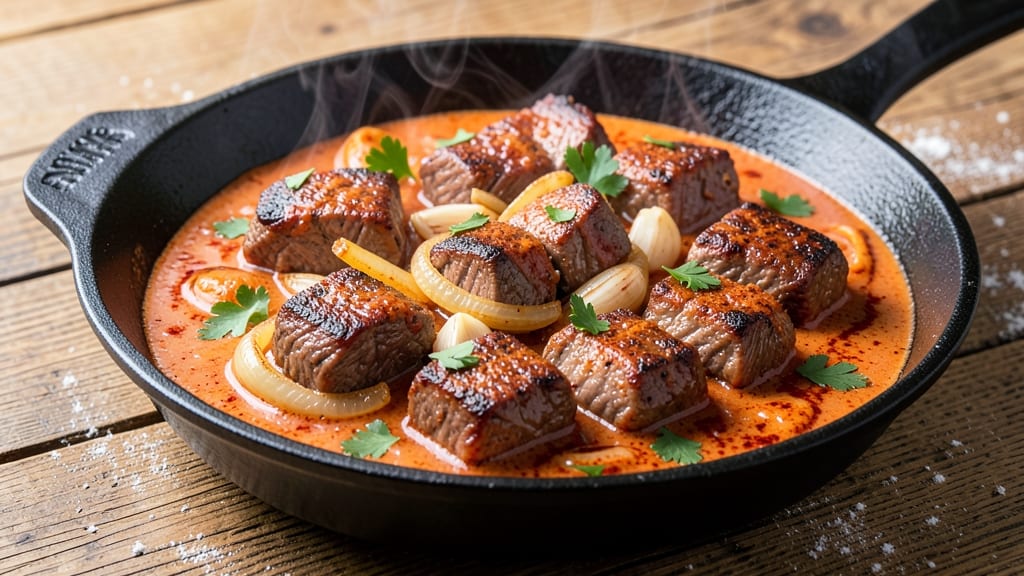
This Bavarian beef goulash recipe delivers the comforting, paprika-spiced richness of a classic German one-pot meal—perfect for hearty weeknight dinners or special gatherings. The secret lies in slow-braising tender beef with aromatic spices until the sauce thickens into a velvety, flavorful broth.
I've perfected this recipe over years of testing, ensuring every bite balances smoky paprika, sweet onions, and deep umami from the beef.
The beauty of this dish is its simplicity: just one pot, minimal prep, and hands-off cooking. You'll start with browning beef for deep flavor, then simmer it with onions, paprika, and tomatoes until the meat becomes fork-tender.
The sauce reduces naturally, creating that signature Bavarian richness without needing thickeners. This method transforms tough cuts into melt-in-your-mouth perfection while keeping your kitchen clean.
What you'll end up with is a steaming pot of goulash where the beef falls apart at the touch of a fork, swimming in a sauce that's both comforting and complex. The aroma alone—smoky, slightly sweet, with hints of garlic and caraway—will have everyone gathering around the table.
Serve it with buttery spaetzle or crusty bread to soak up every last drop of that flavorful sauce.
This recipe is designed to impress without stress, making it ideal for both beginners and seasoned cooks. The slow-cooking process means you can prep ahead and let the flavors develop fully, resulting in a dish that tastes even better the next day.
Whether you're feeding a family or hosting dinner guests, this Bavarian beef goulash delivers restaurant-quality comfort food with minimal effort.
Ingredients for bavarian beef goulash
Just 14 ingredients for a dish that tastes like a Bavarian home kitchen—rich, smoky, and full of slow-simmered love.
| Ingredient | Amount | Notes |
|---|---|---|
| Beef Chuck Roast 🥩 | 2 ½ lb | Cut into 1-inch cubes |
| Yellow Onions 🧅 | 3 whole | Medium size, sliced thin |
| Garlic Cloves 🧄 | 6 cloves | Minced for depth of flavor |
| Sweet Paprika 🌶️ | 2 tbsp | Hungarian preferred for authentic taste |
| Smoked Paprika 🌶️ | 1 tbsp | For smoky depth |
| Tomato Paste 🍅 | ½ cup | High-quality, no sugar added |
| Beef Broth 💧 | 3 cups | Low-sodium preferred |
| Red Wine 🍷 | 1 cup | Dry red like Cabernet or Merlot |
| Caraway Seeds 🌾 | 1 tsp | Toasted lightly for aroma |
| Bay Leaves 🌿 | 2 whole | Fresh if possible |
| Black Peppercorns 🌶️ | 1 tsp | Freshly cracked |
| All-Purpose Flour 🌾 | 2 tbsp | For thickening sauce |
| Olive Oil 🫒 | 2 tbsp | For searing beef |
| Salt 🧂 | 1 ½ tsp | Kosher or sea salt |
The beef is everything here. Chuck roast is the gold standard—it's tough enough to stand up to long cooking but breaks down into tender perfection. Most grocery stores carry it pre-cut, but if you're buying a whole roast, ask your butcher to cube it for you. I always grab mine from Costco when I'm making a big batch, but the regular supermarket stuff works fine. Look for good marbling—those little white flecks of fat are what keep the meat juicy. If you can't find chuck, beef stew meat is a solid backup, but it's pricier. For the paprika, Hungarian sweet and smoked are non-negotiable—those little jars at Trader Joe's are perfect if you want to splurge on quality.
No red wine? Beef broth with a splash of balsamic vinegar works in a pinch, though the acidity won't be quite the same. Fresh garlic is ideal, but jarred minced garlic saves time—just drain it well first. The tomato paste can be the squeeze-tube kind from Trader Joe's (no waste!) or a can of the good stuff. For the caraway seeds, if you can't find them at your regular store, check the spice aisle at Whole Foods or order online. The bay leaves? Fresh are amazing, but dried work fine too—just use half the amount. And if you're worried about the flour thickening too much, just stir in a splash more broth at the end.
This goulash tastes even better the next day, so make extra if you can. It keeps for 4-5 days in the fridge, sealed tightly in a container. For freezing, portion it into airtight containers and it'll last up to 3 months. I like to freeze it in single-serving portions so I can grab a container for a quick lunch. When reheating, add a splash of broth or water to loosen the sauce—it thickens as it cools. And if you've got leftovers, spaetzle or crusty bread are your best friends for soaking up every last drop of that smoky, paprika-kissed sauce.
Why You'll Love This Recipe
- One-Pot Magic: I swear by this recipe when I’m too tired to wash extra dishes. The beef chuck roast practically melts into tender shreds while the onions caramelize right in the same pot—no strainers, no fuss.
- Smoky Depth Bomb: That combo of sweet and smoked paprika? It’s like a warm hug for your taste buds. The garlic cloves toast in the oil until they’re fragrant enough to wake up the whole house.
- Leftovers That Shine: Between us, this goulash tastes better the next day. I make a double batch on Sundays—some for dinner, some to freeze for lazy nights when I just want rich, hearty flavor without the effort.
- Budget-Friendly Feast: A chuck roast stretches for miles, and onions/garlic/paprika won’t break the bank. Honestly, it’s the kind of dish where you’re feeding a crowd but still saving money—my wallet and my family thank me every time.
Step-by-step instructions for Bavarian beef goulash
Here's how to create a rich, paprika-spiced goulash that simmers beautifully in one pot.
Sear the Beef for Deep Flavor
Heat the 2 tablespoons olive oil in a large Dutch oven over medium-high heat until shimmering. Working in batches, add the 2.5 lb beef chuck roast cut into 1-inch cubes, spreading them out in a single layer. Let each piece sear undisturbed for 2-3 minutes until deeply browned on all sides.
This browning step is crucial—it develops the Maillard reaction that creates that deep, meaty flavor. Don't rush it; you want each piece to develop a rich crust. Once all beef is browned, transfer it to a plate and set aside. You'll notice the oil will look darker after searing—this is perfect for building flavor in your goulash.
Build the Flavor Base with Onions and Spices
In the same Dutch oven, add the 3 whole yellow onions sliced thin and cook for 5-6 minutes until softened and beginning to caramelize. Stir occasionally to prevent burning. Add the 6 cloves minced garlic and cook for another 30 seconds until fragrant.
Now add the 2 tablespoons sweet paprika, 1 tablespoon smoked paprika, and 1.5 teaspoons salt. Stir vigorously to toast the spices for 30 seconds—this releases their aromatic oils. You'll smell that unmistakable paprika aroma filling your kitchen. Next, sprinkle in the 1 teaspoon caraway seeds and 1 teaspoon black peppercorns, crushing them slightly with a wooden spoon to release their flavors.
Develop the Sauce with Wine and Tomato
Pour in the 1 cup red wine and scrape up any browned bits from the bottom of the pot—this is where all the flavor hides. Let the wine simmer for 2-3 minutes until reduced by half. Add the 0.5 cup tomato paste and stir until completely dissolved, creating a thick, glossy base for your goulash.
This is where the magic happens. The wine's acidity cuts through the richness of the beef while the tomato paste adds depth. The sauce should be thick enough to coat the back of a spoon but still fluid enough to coat the beef properly. If it looks too thick, you can add a splash of beef broth later, but it should be ready to accept the remaining ingredients.
Simmer the Goulash to Perfection
Return the browned beef to the pot along with the 3 cups beef broth. Add the 2 whole bay leaves and bring everything to a gentle simmer. Partially cover the pot and let it cook for 1.5 hours on low heat, stirring occasionally to prevent sticking.
The key here is patience. You want the beef to become fork-tender and the flavors to meld together beautifully. The goulash should reduce slightly, becoming thicker and more concentrated. You'll know it's ready when the beef easily pulls apart with a fork and the sauce has a rich, velvety consistency. The aroma should be intoxicating—paprika, wine, and beef all working together in harmony.
Thicken and Finish the Goulash
Remove the bay leaves from the pot. Sprinkle the 2 tablespoons all-purpose flour over the goulash and stir well to combine. Let it simmer uncovered for another 10-15 minutes until the sauce thickens to your desired consistency. Taste and adjust seasoning with additional salt or pepper if needed.
This final step ensures your goulash has that perfect balance of richness and body. The flour helps create a silky texture that coats each piece of beef beautifully. Serve immediately with crusty bread or over egg noodles to soak up every last bit of that delicious sauce. The flavors will only get better as it sits, so don't hesitate to make extra for leftovers!
Pro Tips For Making Bavarian Beef Goulash
- Sear the Chuck Hard: I learned this the hard way—skipping a proper sear means flavor hiding in the sauce instead of popping in every bite. Use a heavy pot or Dutch oven, crank the heat to medium-high, and let those beef chunks develop a deep brown crust for 3-4 minutes per side. The paprika will shine brighter when it’s got that caramelized base to cling to.
- Slice Onions Thinly: Yes, even if you’re impatient like me, resist the urge to chop onions roughly. Thinly sliced yellow onions (about 1/8-inch) cook faster and dissolve into the sauce without turning mushy. Do this ahead of time if you’re juggling other steps—it’ll save you from staring at a pot of half-cooked onions while the beef waits.
- Don’t Rush the Paprika: After burning three batches of paprika, I finally figured out: toast those spices low and slow. Add sweet and smoked paprika to the pot after the onions soften, stir for 30 seconds on medium-low, then let them bloom for another minute before adding liquid. This deepens their flavor without turning them bitter—trust the process.
- Deglaze with Beer: I was skeptical until I tried it—using a splash of dark beer (like a Munich Dunkel) to deglaze the pot after searing adds depth the water or broth can’t match. Just ½ cup is enough to scrape up all those browned bits, and it cuts through the richness of the chuck beautifully. (Yes, even if you’re not a beer drinker.)
Essential equipment for bavarian beef goulash
Dutch Oven
A heavy-bottomed Dutch oven is my non-negotiable choice for this recipe—it distributes heat evenly and handles the long simmer beautifully. I use a Le Creuset 5.5-quart because it retains heat like a dream and lasts forever.
If you're on a budget, Lodge's pre-seasoned cast iron Dutch oven works just as well and develops even better flavor over time. Just be sure to preheat it gradually to avoid thermal shock. 🔥
Meat Thermometer
For perfect doneness, a meat thermometer is essential—especially since we're dealing with tough cuts that need precise timing. I recommend the Thermoworks Smoke for its accuracy and durability. Insert it into the thickest piece of beef when it returns to the pot.
The ideal internal temperature for tender beef is 195-203°F—this is when connective tissues break down completely. Without one, you risk overcooking or undercooking your beef.
Wooden Spoon
A heat-resistant wooden spoon (like OXO Good Grips) is perfect for stirring and scraping up those flavorful browned bits from the bottom of your pot. I avoid metal utensils during the simmering phase because they can scratch the Dutch oven's seasoning over time.
The wooden spoon also helps prevent the sauce from sticking while you're developing the base. Keep one dedicated to your Dutch oven for best results. ✨
Fine-Mesh Strainer
While not always needed, a fine-mesh strainer comes in handy if you want to remove the bay leaves before serving. I use a stainless steel strainer from OXO because it's durable and easy to clean.
If you prefer to leave the bay leaves in during cooking but remove them afterward, this is the perfect tool. For extra flavor, you could even strain the sauce through a cheesecloth for a silky texture, though this is optional.
Tongs for Browning
Kitchen tongs make searing the beef much easier than a fork or spatula. I prefer Merco Forged Tongs because they're sturdy and have a good grip. They help you flip the beef pieces without losing any of that precious rendered fat. The fat is what creates the rich, flavorful base for your goulash, so keeping it in the pot is crucial. These tongs also help you work in batches without overcrowding the pan. 💪
Nutrition facts
Frequently asked questions
Can I substitute chuck roast with another beef cut?
Yes! For best results, use stew meat or chuck shoulder—both have similar fat content and connective tissue. Avoid lean cuts like sirloin, as they'll dry out during the long simmer. If using brisket, cut it into 1-inch cubes and trim excess fat to prevent greasiness. The key is choosing a cut with good marbling for flavor and tenderness.
Why does my goulash taste too acidic?
This usually happens when the red wine isn't reduced enough or the tomato paste overpowers. To fix it, add 1 teaspoon sugar or 1 tablespoon honey to balance the acidity, then simmer for 5 minutes. For prevention, reduce the wine by half before adding tomato paste, and use high-quality tomato paste (no added sugar). A pinch of baking soda (¼ teaspoon) can also neutralize excess acid in a pinch.
How do I make this goulash in a slow cooker?
Brown the beef first in a skillet, then transfer everything to a 6-quart slow cooker. Add all ingredients except flour, then cook on LOW for 7-8 hours or HIGH for 4-5 hours. Stir in flour during the last 30 minutes to thicken. The slow cooker method is perfect for hands-off prep, but the flavors may be slightly less concentrated than stovetop. For extra richness, finish with 2 tablespoons butter at the end.
Can I make this goulash ahead of time?
This dish tastes even better the next day. Let it cool completely, then store in an airtight container in the fridge for up to 5 days. Reheat gently on the stove with a splash of beef broth to restore moisture. For freezing, portion into single-serving containers and freeze for up to 3 months. Thaw overnight in the fridge before reheating—never at room temperature. The flavors deepen as it sits, making it ideal for meal prep!
What's the best way to serve Bavarian beef goulash?
Traditionally, it's served with buttered spaetzle or crusty rye bread to soak up the sauce. For a heartier meal, pair with egg noodles or mashed potatoes. Garnish with fresh parsley or a sprinkle of grated parmesan for brightness. In Bavaria, it's often enjoyed with a cold dark lager or apple cider to cut through the richness. Leftovers make great sandwiches the next day!