
Main Courses
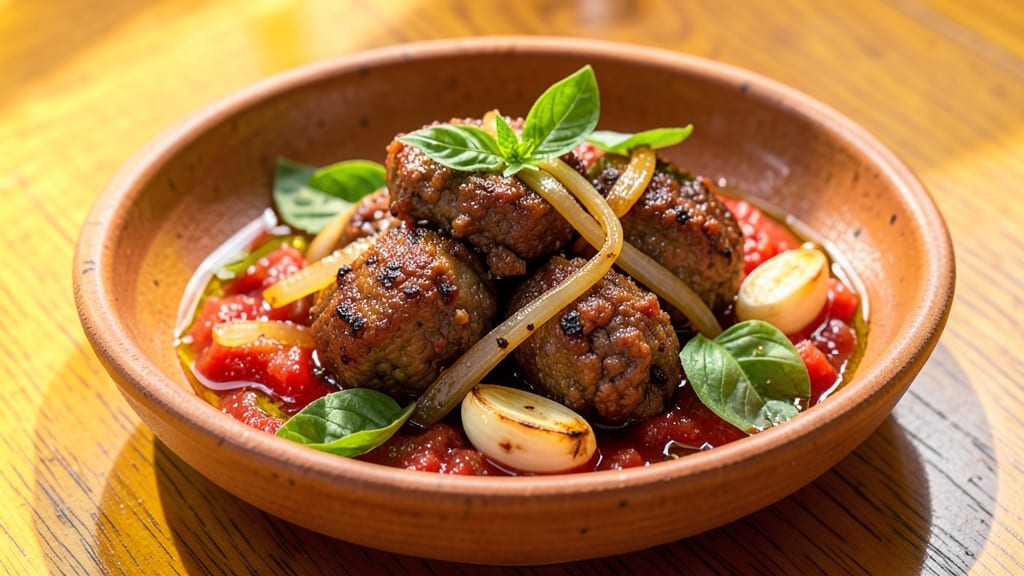
This basil minced beef recipe transforms simple ingredients into a restaurant-quality pasta dish with rich tomato sauce and fragrant basil. The secret lies in properly browning the beef for deep flavor, then simmering it until tender in a silky tomato base.
Fresh basil brightens every bite, creating a balance of savory and aromatic notes that elevate this weeknight meal.
What sets this dish apart is the perfect harmony of textures and flavors—tender beef, al dente pasta, and a velvety sauce that coats every strand. The recipe delivers professional results in under 45 minutes, making it ideal for busy weeknights when you still want to serve something impressive.
The fresh basil adds a vibrant green color and refreshing aroma that instantly makes the dish feel special.
This method works equally well with ground beef or finely chopped chuck, ensuring you can adapt it to whatever you have on hand. The silky tomato sauce develops rich depth as it simmers, while the basil infuses its signature freshness throughout.
Serve it over your favorite pasta or with crusty bread to soak up every last bit of that flavorful sauce.
For extra depth, consider adding a pinch of red pepper flakes or a splash of balsamic vinegar at the end. The dish tastes even better the next day as the flavors meld together.
Perfect for feeding a family or sharing with friends, this basil minced beef recipe proves that homemade Italian can be both effortless and extraordinary.
Ingredients for basil minced beef
Fresh basil and tender minced beef create a restaurant-quality pasta dish with silky tomato sauce.
| Ingredient | Amount | Notes |
|---|---|---|
| Minced Beef 🥩 | 1 ½ lb | Ground or finely chopped chuck |
| Onion 🧅 | 1 whole | Medium, finely chopped |
| Garlic Cloves 🧄 | 4 cloves | Minced for sauce |
| Fresh Basil Leaves 🌿 | 1 cup | Packed, stems removed |
| Canned San Marzano Tomatoes 🍅 | 1 can | 28 oz, crushed by hand |
| Extra-Virgin Olive Oil 🫒 | ½ cup | For cooking and finishing |
| Dry Pasta 🍝 | 12 oz | Spaghetti or linguine |
| Tomato Paste 🍅 | 2 tbsp | For sauce depth |
| Red Wine 🍷 | ½ cup | Bold dry variety |
| Beef Broth 💧 | 1 cup | Low-sodium preferred |
| Salt 🧂 | 1 ½ tsp | Kosher or sea salt |
| Black Pepper 🌶️ | ½ tsp | Freshly ground |
| Balsamic Vinegar 🍶 | 1 tbsp | For finishing touch |
| Parmesan Cheese 🧀 | ½ cup | Freshly grated |
The beef is the foundation—chuck roast gives the best texture, but ground beef works too. Look for 80/20 fat ratio if using ground, as the fat renders for flavor. Costco or Whole Foods carry pre-minced chuck, saving you chopping time. Fresh basil is non-negotiable here; farmers market varieties have the most vibrant flavor. If you're using dried basil, reduce to one-third the amount. The San Marzano tomatoes are worth the splurge—their sweetness elevates the sauce dramatically.
No red wine? Beef broth with a splash of balsamic works perfectly. Short on fresh basil? Dried basil at one-third the amount gets you close, though it won't have that same bright aroma. The tomato paste can be substituted with 1 extra can of crushed tomatoes if needed. For extra depth, add a pinch of red pepper flakes or a dash of smoked paprika. The Parmesan should be real Parmigiano-Reggiano—pre-grated versions lack the same richness. If you're using linguine, opt for bronze-die for better sauce cling.
This sauce freezes beautifully—portion into 1-cup containers for quick weeknight meals. Keeps in the fridge for 5 days or frozen for 3 months. The pasta cooks best al dente, so save some starchy pasta water to thin the sauce if needed. Double the recipe and freeze half for lazy nights—just reheat the sauce and toss with freshly cooked pasta. The flavors meld even better the next day, making this a perfect make-ahead dish.
Why You'll Love This Recipe
- No-Fuss Weeknight Win: I swear by this when I’m too tired to think. Brown the beef, toss in the onions and garlic, then dump in the San Marzano tomatoes and basil—boom. Twenty minutes later, I’ve fed my family something that feels like a restaurant dish without the fuss. The minced beef browns up just enough for that meaty bite, while the tomatoes keep it juicy.
- Herb-Packed Umami Bomb: That basil? It’s the star. I tear it fresh, not chopped—just because I like the bright, peppery bursts in every bite. The San Marzano tomatoes add sweetness that balances the garlic’s punch, and the beef soaks up all the flavors like a sponge. Honestly, the first time I made it, my partner stole half before I even sat down.
- Leftover Goldmine: This recipe begs to be made extra. The flavors deepen overnight, so I double the batch and reheat it for lunches all week. Freezes like a dream too—just thaw and warm, and it’s like you made it yesterday. My kids ask for it on school nights because it’s always there, no questions asked.
- Budget-Friendly Flex: Minced beef stretches far, and San Marzano tomatoes last ages in the pantry. Fresh basil makes it feel special, but even a small bunch goes a long way. I’ll be real: this is my go-to when I’m pinching pennies but still want something that tastes like I cared. Plus, it’s the kind of dish that makes grocery shopping feel like a victory.
Step-by-step instructions for basil minced beef pasta
Master this fragrant herb pasta with a silky tomato sauce that balances rich beef and bright basil.
🍳 Step 1: Sauté Onion and Garlic for Flavor Foundation
Heat 0.25 cup of the extra-virgin olive oil in a large skillet over medium heat. Add the finely chopped onion and cook for 5-6 minutes until softened and translucent. This gentle cooking prevents bitterness and forms the aromatic base.
Add the minced garlic cloves and cook for another 30 seconds until fragrant but not browned—garlic burns quickly, so watch carefully. The onions should release their sweetness while the garlic adds depth without overpowering. Keep the heat steady; any sizzling means it's too hot.
🍳 Step 2: Brown the Minced Beef Thoroughly
Increase heat to medium-high and add the minced beef, breaking it apart with a wooden spoon. Cook for 8-10 minutes until the beef loses its raw color and develops a deep brown crust. This step is critical—proper browning creates rich flavor through the Maillard reaction.
Once the beef is fully browned, stir in the tomato paste and cook for 1 minute to toast its flavors. The paste will darken slightly, deepening the sauce's complexity. If the mixture looks dry, add 2 tablespoons of the beef broth to loosen it while maintaining the concentrated flavor.
🍳 Step 3: Build the Tomato-Basil Sauce
Pour in the crushed San Marzano tomatoes, red wine, and remaining 0.5 cup of beef broth. Bring to a gentle simmer, then reduce heat to low and let it cook uncovered for 15 minutes. This slow reduction allows the flavors to meld and the sauce to thicken naturally.
Stir in the fresh basil leaves and balsamic vinegar during the last 5 minutes of cooking. The basil should wilt slightly, releasing its aromatic oils into the sauce. Taste and adjust seasoning with the salt and black pepper—this is where you balance the acidity from the wine and vinegar with the richness of the beef.
🍳 Step 4: Cook the Pasta Al Dente
While the sauce simmers, bring a large pot of salted water to a rolling boil. Add the dry pasta and cook until 1 minute before the package instructions specify for al dente. Reserve 1 cup of pasta water before draining—this starchy liquid is essential for adjusting the sauce consistency.
Drain the pasta and immediately transfer it to the skillet with the beef sauce. Toss vigorously for 2 minutes to coat each strand evenly. If the sauce seems too thick, add reserved pasta water 1 tablespoon at a time until it reaches a silky, clinging consistency. The pasta should be fully coated with sauce, not swimming in it.
🍽️ Step 5: Finish and Serve Immediately
Remove the skillet from heat and stir in the freshly grated Parmesan cheese. The residual heat will melt the cheese into the sauce, creating a velvety finish. Taste one final time and adjust seasoning if needed—the sauce should be vibrant, slightly acidic, and deeply aromatic.
Serve immediately while the pasta is hot and the sauce is at its peak. The dish should deliver a perfect balance of tender beef, sweet tomatoes, bright basil, and rich Parmesan. Each bite should be cohesive, with no single ingredient overpowering the others. Pair with a crisp white wine to complement the herbaceous flavors.
Pro Tips For Making Basil Minced Beef
- CRANK THE HEAT FIRST: Brown that minced beef hard and fast—no simmering yet. I used to let it cook too slow, and the dish ended up tasting flat. Get it sizzling in a hot pan with 1-2 tablespoons of oil until it loses its raw color, then only lower the heat to add onions and garlic. That crust locks in flavor.
- CHOP BASIL LAST MINUTE: Basil wilts and turns bitter if cooked too long. Tear the leaves by hand right before the tomatoes go in—no chopping, no prepping ahead. If you must prep early, store stems in water like flowers, but add leaves when the sauce is just about done.
- DON’T SKIP THE TOMATO SKIM: San Marzano tomatoes are great, but their skins and seeds can make the sauce watery. After crushing the tomatoes, let them sit in the pan for 2 minutes, then skim off the foam and any floating bits. It’s gross, but it keeps your sauce thick and bright.
- SALT THE MEAT BEFORE COOKING: Season the minced beef with salt before browning—it keeps the texture tender and the flavor even. I learned this the hard way after making a batch that tasted bland no matter how much I added later. A pinch of black pepper here too, but save the basil salt until the end.
Dietary considerations for this dish
Gluten-Free Adaptations
For a gluten-free version, simply swap the pasta for a high-quality gluten-free brand like Barilla Gluten-Free or Jovial Brown Rice Pasta. Both hold up well to the silky sauce and cook in about the same time as traditional pasta. Just
Dairy-Free Options
Skip the Parmesan cheese and use nutritional yeast for a cheesy flavor without dairy. I recommend Bragg Organic Nutritional Yeast, which adds a rich, umami note. For extra creaminess, stir in 2 tablespoons of coconut cream when tossing the pasta with the sauce. The basil and tomato flavors will still shine through beautifully.
Lower-Carb Modifications
Replace the pasta with zucchini noodles or shirataki noodles for a lower-carb option. Zucchini noodles work best when cooked al dente and tossed immediately with the sauce. For shirataki, rinse thoroughly and sauté for 2 minutes in the skillet before adding to the sauce.
The beef and basil flavors will still be the stars of the dish.
Allergen-Friendly Swaps
If you have nut allergies, avoid nutritional yeast and instead use sunflower seed butter (just 1 teaspoon) for a neutral, creamy finish. For a completely nut-free, dairy-free option, add ½ cup of cooked lentils to the sauce for extra protein and texture.
The lentils absorb the flavors beautifully while keeping the dish hearty and satisfying.
Vegetarian Alternative
Swap the minced beef for lentils or mushrooms to make this a vegetarian dish. I recommend 1.5 cups cooked brown lentils or 1 lb finely chopped cremini mushrooms sautéed until golden.
The mushrooms will add a meaty texture, while the lentils provide a hearty base. The basil and tomato sauce will still create a rich, flavorful dish that everyone will love. 🌱
Nutrition facts
Frequently asked questions
Can I use ground beef instead of minced chuck? Ground beef works perfectly for this recipe, especially if it's an 80/20 fat ratio. The extra fat renders during cooking, creating a richer sauce. Just
How do I prevent the basil from turning the sauce bitter?
Add the fresh basil only in the last 5 minutes of cooking to preserve its bright flavor. Overcooking basil releases bitter compounds, so remove any stems and add whole leaves to avoid overpowering the dish. For extra freshness, garnish with additional basil just before serving.
What's the best way to store leftovers?
Store leftovers in an airtight container in the fridge for up to 5 days. The flavors actually improve overnight as the basil and beef meld together. Reheat gently in a skillet over low heat, adding a splash of water or broth to prevent drying. Freeze portions for up to 3 months by portioning into 1-cup containers with sauce.
Can I make this without red wine?
Yes! Replace the red wine with ½ cup beef broth plus 1 tablespoon balsamic vinegar for similar depth. The vinegar adds acidity to balance the richness, while the broth maintains the sauce's consistency. The dish will still be flavorful, just with a slightly different profile.
Why does my sauce look too thick after cooking?
This happens when the sauce reduces too much. Thin it with reserved pasta water (add 1 tablespoon at a time) until it reaches a silky consistency. If you didn't reserve any, a splash of beef broth or water works in a pinch. The sauce should coat the back of a spoon without being watery.