
Main Courses
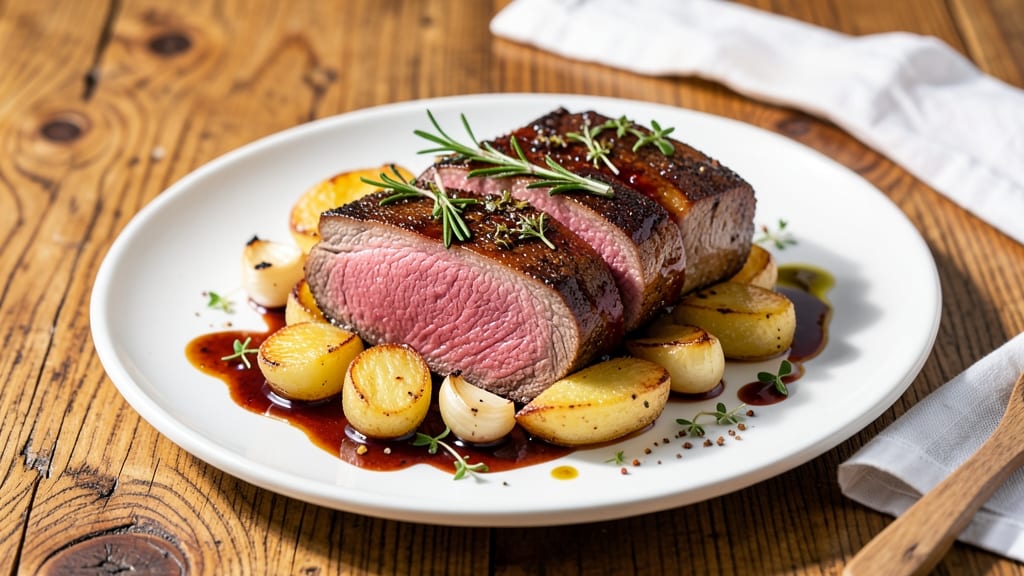
Barefoot Contessa’s slow-roasted beef tenderloin delivers restaurant-quality tenderness with a foolproof 3-hour method that transforms tough cuts into melt-in-your-mouth perfection. ✨ The secret lies in her signature garlic-herb glaze, which caramelizes beautifully during the slow roast, locking in flavor while keeping the meat impossibly juicy.
This isn’t just a recipe—it’s a technique that elevates any dinner from ordinary to extraordinary.
What sets this method apart is the two-phase cooking process: a high-heat sear for a flavorful crust followed by a low-and-slow roast that ensures even doneness. No need for fancy equipment—just a reliable oven, a meat thermometer, and patience.
The glaze, made with fresh garlic, rosemary, and white wine, infuses the beef with layers of aromatic depth that pair beautifully with classic sides like roasted potatoes or creamy mashed.
By the time you serve this tenderloin, you’ll have a centerpiece dish that’s tender enough to cut with a fork, with a glossy glaze that glistens under the lights. The internal temperature will be precise—130°F for medium-rare—guaranteeing juicy bites every time.
This is the kind of meal that makes guests ask for the recipe, and with good reason: it’s restaurant-quality without the fuss.
The beauty of this method is its adaptability. Whether you’re cooking for a special occasion or a weeknight dinner, the same principles apply. The glaze can be prepped ahead, and the beef can rest while you finish sides, making it a stress-free yet impressive dish.
Let’s get started on mastering this timeless technique.
Ingredients for barefoot contessa slow roasted beef tenderloin
Six essential ingredients transform a simple roast into restaurant-quality beef tenderloin.
| Ingredient | Amount | Notes |
|---|---|---|
| Beef Tenderloin 🥩 | 4 lb | Center-cut, trimmed of fat |
| Extra-Virgin Olive Oil 🫒 | ½ cup | High-quality, fruity variety |
| Fresh Garlic Cloves 🧄 | 12 cloves | Peeled, smashed for glaze |
| Fresh Rosemary 🌿 | ¼ cup | Finely chopped, stems removed |
| Fresh Thyme 🌿 | ⅛ cup | Leaves only, finely chopped |
| Dry White Wine 🍷 | 1 cup | Sauvignon Blanc or Pinot Grigio |
| Unsalted Butter 🧈 | ½ cup | Cold, cubed for sear |
| Diamond Crystal Kosher Salt 🧂 | 1 ½ tsp | For seasoning and glaze |
| Freshly Ground Black Pepper 🌶️ | 1 tsp | Coarsely cracked |
| Granulated Garlic 🧄 | 1 tsp | For final seasoning |
| Heavy Cream 🥛 | ¼ cup | For finishing glaze |
| Fresh Parsley 🌿 | ⅛ cup | Chopped, for garnish |
The beef tenderloin is non-negotiable—center-cut with visible marbling ensures tenderness. Butcher shops often carry superior cuts compared to grocery stores, but high-end supermarket selections like Whole Foods or Kroger's premium line work well. Trim excess fat to prevent flare-ups during searing. For a 4-pound roast, look for a cut that's roughly 1.5 inches in diameter at its thickest point. The wine should be dry but approachable—Kim Crawford or La Crema are reliable choices, but any crisp white will suffice. Fresh herbs are critical: Trader Joe's sells pre-bundled rosemary and thyme that's perfect for this recipe.
No white wine? Substitute with chicken stock and a splash of lemon juice—the acidity mimics wine's brightness. Fresh herbs unavailable? Dried rosemary and thyme at one-third the amount work in a pinch, though texture will differ. The butter must be cold for searing—microwave for 40 seconds to soften slightly if needed. For extra richness, swap heavy cream with whole milk or half-and-half. The glaze can be prepped 24 hours ahead and stored in the fridge, making this a stress-free dinner. If using a meat thermometer, calibrate it first—accuracy is critical for perfect doneness.
The roast reheats beautifully—warm in a 300°F oven for 10-15 minutes with a splash of beef broth. Leftovers keep for 3-4 days in the fridge, but the glaze thickens when chilled. To restore gloss, warm gently with a splash of water. For make-ahead convenience, portion the glaze into ice cube trays and freeze—thaw overnight in the fridge before using. The tenderloin's internal temperature will rise 5°F during resting, so pull it at 125°F for medium-rare. Garnish with parsley just before serving to maintain vibrant color.
Why You'll Love This Recipe
- Hands-Off Magic: I swear by this recipe because it’s the closest I get to a stress-free Sunday dinner. Just sear the tenderloin, toss it with garlic, rosemary, and thyme in olive oil, then let the oven do the work. No flipping, no fussing—just pure, melt-in-your-mouth beef when you walk back in.
- Garlic-Kissed Perfection: Between us, that slow-roasted garlic and rosemary crust? It’s the kind of flavor that makes you close your eyes and sigh. The olive oil caramelizes into a fragrant, herby glaze while the beef stays juicy—no dry bites here, promise.
- Weeknight or Weekend Star: This isn’t just for holidays. I’ve served it at casual dinners with crusty bread, packed it for lunch the next day, and even sliced it thin for tacos (yes, really). The tenderloin’s forgiving—it works when you’re in a hurry or when you’ve got time to linger.
- Leftovers That Don’t Suck: Honestly, I always make extra. The beef stays tender for days, and I repurpose it into sandwiches, salads, or even a quick beef stroganoff. No sad, rubbery leftovers—just reliable, crave-worthy meat that won’t go to waste.
Step-by-step instructions for slow roasted beef tenderloin with garlic-herb glaze
Here's how to achieve that signature Barefoot Contessa tenderness and rich glaze every time.
🔥 Step 1: Preheat and Prepare the Beef
Preheat your oven to 425°F with a rack positioned in the lower third. Place the 4 lb beef tenderloin on a wire rack set over a rimmed baking sheet. This elevation allows air to circulate all around, ensuring even cooking and a perfect sear.
Pat the beef dry with paper towels—this step is non-negotiable for crispy skin. Rub the entire surface with 0.5 cup extra-virgin olive oil to create a protective barrier. Season generously with 1.5 tsp kosher salt and 1 tsp freshly ground black pepper, pressing the seasoning into the meat so it adheres.
👨🍳 Step 2: Sear the Beef for Maximum Flavor
Heat a large oven-safe skillet over high heat until smoking. Add 0.5 cup cubed unsalted butter and let it melt completely, then add the beef. Sear on all sides for 2-3 minutes per side until developing a deep golden-brown crust. This step locks in juices and builds flavor.
Transfer the seared beef to the preheated oven rack, fat-side up. Roast for 20 minutes at 425°F to establish an internal temperature of 130°F. This initial high-heat phase creates the perfect foundation for the slow cook.
⏰ Step 3: Build the Garlic-Herb Glaze
While the beef roasts, create the glaze by combining 12 smashed garlic cloves, 0.25 cup chopped rosemary, 0.125 cup chopped thyme, and 1 cup dry white wine in a saucepan. Bring to a simmer over medium heat and reduce by half, about 8-10 minutes, until syrupy and fragrant.
Strain the mixture through a fine-mesh sieve into a bowl, pressing on the solids to extract every bit of flavor. Whisk in 0.25 cup heavy cream and set aside. This reduction transforms simple ingredients into a luxurious, aromatic glaze that will elevate your tenderloin.
🍳 Step 4: Slow Roast to Perfect Doneness
Reduce oven temperature to 325°F and return the beef to the oven. Roast for 2-2.5 hours, basting with the garlic-herb mixture every 30 minutes. The internal temperature should reach 135°F for medium-rare—use a meat thermometer for accuracy.
Here's the thing—this slow roast transforms the beef into melt-in-your-mouth perfection. The glaze not only adds flavor but also helps retain moisture. If the glaze thickens too much during basting, whisk in 1-2 tablespoons of beef drippings to maintain the right consistency.
🔪 Step 5: Rest and Garnish for Showstopping Results
Transfer the beef to a cutting board and tent loosely with foil. Let it rest for 20-30 minutes—this crucial step allows the juices to redistribute, ensuring every slice is succulent. During this time, reheat the glaze in a small saucepan over low heat until warmed through.
Slice the beef against the grain into 1-inch thick medallions. Spoon the warmed glaze over each slice and garnish with 0.125 cup chopped parsley. The final touch? Sprinkle with 1 tsp granulated garlic for an extra layer of aromatic depth. Serve immediately with roasted vegetables or mashed potatoes for a complete meal.
Pro Tips For Making Barefoot Contessa Slow Roasted Beef Tenderloin
- Trim the Fat First: The tenderloin’s fat cap can burn before the meat hits its perfect medium-rare—cut it off before roasting. I learned this the hard way when my first attempt turned into a sad, crispy exterior with undercooked centers. Use a sharp knife and leave just a thin layer (about 1/8-inch) if you’re feeling generous.
- Don’t Overcrowd the Pan: If you’re searing the tenderloin before roasting, resist the urge to toss in all the garlic and herbs at once. Crowding steams the aromatics instead of browning them—sear the meat first, then scatter the garlic cloves and herbs in a single layer around it. This gives you that deep, caramelized flavor the recipe relies on.
- Use a Meat Thermometer: The Barefoot Contessa recipe might say “medium-rare,” but that’s not enough—aim for an internal temp of 120–125°F for perfect doneness. I used to eyeball it and ended up with either dry slices or sad, pink centers. A cheap instant-read thermometer changes everything.
- Salt the Meat Early: Season the tenderloin at least 4 hours ahead (or overnight) for even penetration—this isn’t just about flavor, it’s about tenderness. I skipped this once and got a salty exterior with bland edges. Trust me, your knife will glide through it like butter.
Best sauces and condiments for this recipe
Classic Garlic-Herb Glaze
The signature glaze from Barefoot Contessa's recipe is where the magic happens—it's a garlic-herb reduction with white wine and cream that caramelizes beautifully during roasting.
Start by smashing 12 garlic cloves with the flat side of your knife to release their oils, then combine with 0.25 cup chopped rosemary, 0.125 cup thyme, and 1 cup dry white wine in a saucepan.
Simmer over medium heat for 8-10 minutes until reduced by half to a syrupy consistency. Strain through a fine-mesh sieve, whisk in 0.25 cup heavy cream, and set aside. This glaze isn't just flavorful—it creates a glossy finish that makes your tenderloin look (and taste) restaurant-worthy. 🌟
Red Wine Reduction Upgrade
For a deeper, bolder flavor profile, swap the white wine for 1 cup dry red wine (like Cabernet Sauvignon) and add 1 tsp balsamic vinegar to the reduction. The tannins in red wine pair beautifully with beef, adding complexity that complements the richness.
Reduce the wine until it reaches a thick, jam-like consistency before straining and finishing with cream. This version works especially well if you prefer a darker, more robust glaze that stands up to heartier sides like roasted root vegetables. 🍷
Mustard-Dijon Twist
Add 1 tbsp Dijon mustard and 1 tsp honey to the glaze for a sweet-tangy contrast that cuts through the richness. Whisk these into the reduced wine-herb mixture before adding cream, then simmer for an extra 2 minutes to meld flavors.
This variation adds a bright, almost French bistro vibe to the dish. It's particularly effective if you're serving the tenderloin with creamy mashed potatoes or buttery egg noodles—the mustard adds a sophisticated balance. 💛
Brown Butter Glaze
For a nutty, caramelized depth, brown 0.5 cup unsalted butter in a separate pan until golden and fragrant, then whisk it into the reduced glaze along with the cream. The brown butter adds a toasted, almost toast-like quality that pairs perfectly with the beef's natural sweetness.
This version requires 5 minutes of extra attention but transforms the glaze into something truly luxurious. Save the brown butter foam from the pan—it's packed with flavor and can be whisked back in at the end for extra richness. 🔥
Spicy Chipotle Glaze
Infuse heat into your glaze by adding 1 chipotle pepper in adobo sauce (minced) and ½ tsp smoked paprika to the wine reduction. Simmer until the pepper softens, then strain and finish with cream.
This smoky, slightly spicy glaze works beautifully with charred corn salsa or black bean purée on the side. For a milder kick, reduce the pepper to ½ chipotle or use ½ tsp cayenne pepper instead. The heat balances the richness of the beef while adding a Southwestern flair. 🌶️
Make-Ahead Glaze Tips
Prep the glaze up to 24 hours ahead and store it in an airtight container in the fridge. When ready to use, reheat gently over low heat, stirring occasionally, until warmed through. If the glaze thickens during storage, whisk in 1-2 tbsp beef broth or water to restore consistency.
For extra convenience, portion the glaze into ice cube trays, freeze, and thaw overnight in the fridge before using. This is a game-changer for stress-free cooking—just grab and go when you're basting the beef. ✨
Nutrition facts
Frequently asked questions
Can I use a different cut of beef instead of tenderloin?
The recipe is designed specifically for beef tenderloin because of its natural tenderness and lean profile. However, if you must substitute, try a top sirloin roast or strip loin—both work well with this method. Just be prepared for a slightly longer cooking time (up to 3 hours) and expect a more pronounced beefy flavor. Avoid tougher cuts like chuck roast, as they won’t achieve the same melt-in-your-mouth texture.
What’s the best way to check if the beef is done?
Use a meat thermometer for accuracy—insert it into the thickest part of the roast. For medium-rare, aim for 135°F internal temperature (it will rise to 140°F while resting). If you don’t have a thermometer, cut into the thickest part: medium-rare beef should feel slightly springy with a warm, pink center. Never rely on color alone, as overcooking can turn the meat gray even if it’s still raw inside.
Can I make this recipe in a slow cooker?
While the Barefoot Contessa method relies on precise oven temperatures, you can adapt it for a slow cooker—but with adjustments. Sear the beef first in a skillet, then transfer it to the slow cooker with the glaze ingredients. Cook on low for 6-8 hours or high for 4-5 hours, basting occasionally. The texture will be more tender than roasted, but less crispy. For best results, finish with a quick broil under the oven’s broiler to recreate the caramelized crust.
Why does the beef need to rest before slicing?
Resting (for 20-30 minutes) is critical because it allows the juices to redistribute evenly throughout the meat. When you slice into freshly cooked beef, those juices rush out, leaving you with dry slices. During resting, the muscle fibers relax and reabsorb the moisture, ensuring every bite is succulent. Pro tip: Tent the beef loosely with foil to keep it warm without steaming.
How far ahead can I prep the glaze?
You can make the glaze up to 24 hours ahead and store it in an airtight container in the fridge. When ready to use, reheat it gently over low heat, stirring occasionally, until warmed through. If it thickens too much, whisk in 1-2 tablespoons of beef broth or water to restore consistency. For extra convenience, freeze the glaze in ice cube trays and thaw overnight in the fridge before using. This makes it a stress-free dinner!