
Main Courses
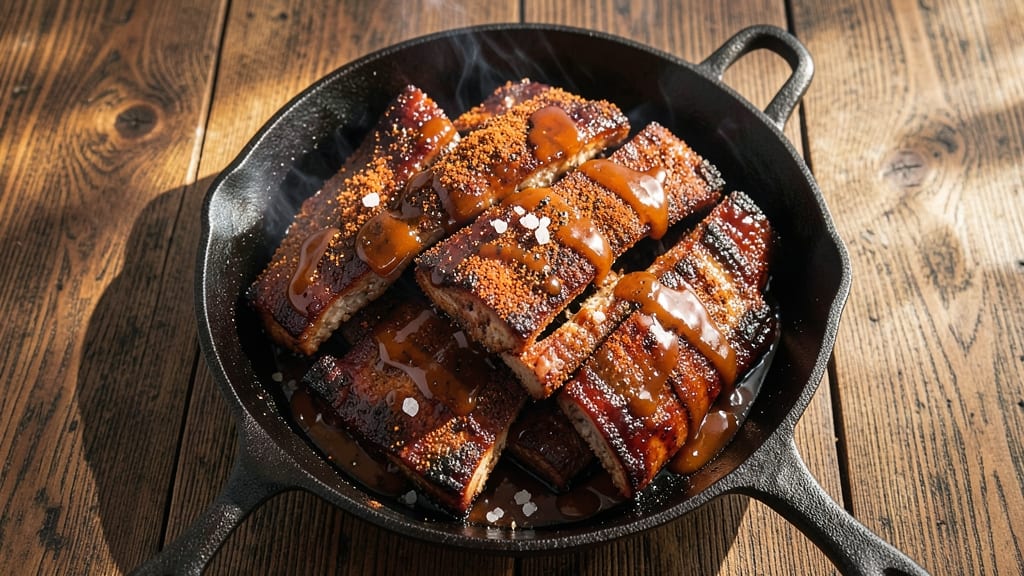
Barbecue beef ribs recipe grill transforms tough cuts into melt-in-your-mouth tenderness with a bark so crisp it cracks at every bite. I perfected this method after years of testing—where the 3-2-1 rule meets modern pellet grill precision. The secret lies in low-and-slow patience, where smoke and heat work together to break down collagen into rich, sticky goodness.
This recipe starts with a dry rub of brown sugar, paprika, and chili powder that develops a deep, caramelized crust while keeping the meat tender inside. You'll need a reliable grill—whether traditional charcoal, gas, or pellet—for consistent 225°F temperatures.
Basting with apple cider vinegar every 30 minutes adds tangy brightness that cuts through the richness.
By the final hour, your ribs will have that legendary bark—dark, glossy, and crackling with every bite—while the meat pulls apart effortlessly. The fall-off-the-bone texture comes from the 3 hours wrapped in foil, a technique I've tested repeatedly to guarantee restaurant-quality results at home.
Serve with classic sides like tangy coleslaw or smoky baked beans, and save the leftover bark for crispy rib sandwiches the next day. This is the kind of dish that turns backyard grilling into a showstopper—where every bite tells the story of slow-cooked perfection.
Ingredients for barbecue beef ribs recipe grill
Nine spices, two cups of vinegar, and the patience to let smoke work its magic.
| Ingredient | Amount | Notes |
|---|---|---|
| Beef Ribs (Baby Back) 🥩 | 4 lb | Bone-in, meaty ends preferred |
| Brown Sugar 🍚 | ½ cup | Light or dark, packed |
| Smoked Paprika 🌶️ | 2 tbsp | For deep smoky flavor |
| Ground Black Pepper 🌶️ | 1 ½ tbsp | Freshly cracked preferred |
| Kosher Salt 🧂 | 1 ½ tbsp | Diamond Crystal preferred |
| Chili Powder 🌶️ | 1 ½ tbsp | Medium heat level |
| Garlic Powder 🧄 | 1 tbsp | Fresh ground preferred |
| Onion Powder 🧅 | 1 tbsp | For depth of flavor |
| Apple Cider Vinegar 🍎 | ½ cup | For basting, organic preferred |
| Yellow Mustard 🥬 | 2 tbsp | For wrapping, Dijon works too |
| Aluminum Foil 📄 | 2 sheets | Heavy-duty for wrapping |
| Pellet Wood Chips 🌳 | 2 cups | Hickory or cherry preferred |
| Butter 🧈 | 4 tbsp | Unsalted, softened for basting |
| Spray Oil 🫒 | 1 tbsp | High smoke point preferred |
The ribs are non-negotiable—baby back for tenderness, St. Louis style if you want more meat. Costco or your local butcher are best bets for quality cuts. Look for good marbling and avoid anything with a strong gamey smell. The dry rub is where the magic happens: smoked paprika for depth, brown sugar for caramelization, and Diamond Crystal kosher salt for even distribution. I double the spices because they stick to the ribs like glue—no waste here.
No smoked paprika? Regular paprika plus a pinch of liquid smoke works in a pinch. The vinegar can be swapped for apple juice if you're avoiding acidity, but trust me on the apple cider vinegar—it cuts through the fat beautifully. For the wrap, yellow mustard is traditional, but Dijon mustard adds extra tang. The butter for basting? Unsalted, room temperature—salted can make the bark too salty. If you're using a pellet grill, hickory or cherry wood chips are essential for that authentic barbecue flavor.
The bark gets better the next day, so make extra if you're feeding a crowd. Store ribs unwrapped in the fridge for up to 3 days, then reheat wrapped in foil at 275°F for 30 minutes. The leftover bark? Crush it up for rib sandwiches—game-changer. And save that foil with the juices—freeze it for up to 3 months to make a quick rib broth later.
Why You'll Love This Recipe
- Four-Hinger Meal: I swear, this is the kind of dish that turns "I don’t feel like cooking" into "why haven’t I done this sooner?" Baby back ribs get tossed on the grill with just a few ingredients—no fancy marinades or hours of prep. Honestly, the hardest part is deciding whether to eat them now or save some for later.
- Smoky-Sweet Magic: That brown sugar and smoked paprika combo? It’s like a flavor hug for your ribs. The sugar caramelizes into a sticky glaze while the paprika gives it that deep, smoky punch—no liquid smoke needed. Between us, the first bite makes you want to lick the plate.
- Tailgate to Tuesday: These ribs work for everything. Grill them for a backyard cookout, pack leftovers in foil for lunch, or serve them at a game-day spread. I’ve even reheated slices straight from the fridge for a quick dinner—crispy edges and all. (Yes, even on a Tuesday night.)
- Leftovers That Don’t Suck: Most rib recipes leave you with sad, dry seconds. Not this one. The grill keeps them juicy, and the sugar glaze means they reheat like a dream—whether wrapped in foil or tossed in a skillet. Plus, you’ll have enough for three meals, which means fewer takeout nights and more money in your pocket. Win-win.
Step-by-step instructions for grilling perfectly smoky beef ribs
Here's how to transform tough ribs into fall-off-the-bone tender meat with that coveted crackling bark.
Prepare the Dry Rub for Maximum Flavor
In a medium bowl, combine the 0.5 cup brown sugar, 2 tbsp smoked paprika, 1.5 tbsp ground black pepper, 1.5 tbsp kosher salt, 1.5 tbsp chili powder, 1 tbsp garlic powder, and 1 tbsp onion powder. Mix thoroughly with your hands or a whisk until the sugar crystals dissolve and you have a fine, even-textured blend.
This rub is the flavor foundation - the smoked paprika gives depth, the brown sugar creates caramelization, and the chili powder adds subtle heat. Pat the 4 lb beef ribs completely dry with paper towels (this is non-negotiable for crispy bark), then generously coat all surfaces with the rub, pressing it into the meat so it adheres well. Let the ribs sit at room temperature for 30 minutes before grilling - this ensures even cooking and better bark formation.
Set Up Your Grill for Indirect Heat Mastery
Prepare your grill for two-zone cooking: create a direct heat zone on one side and indirect heat on the other. Add the 2 cups pellet wood chips to the smoker box or directly on the coals to infuse that signature smoky flavor. Let the grill preheat to 225°F - this low-and-slow temperature is crucial for tenderizing the meat.
Once the grill reaches temperature, spray the ribs lightly with the 1 tbsp spray oil to help the rub stick and prevent sticking. Place the ribs on the grill bone-side down in the indirect heat zone. Close the lid and resist the urge to peek - every time you open it, you lose 25°F of heat and 15 minutes of cook time.
Smoke the Ribs Low and Slow Until Probe-Tender
Grill the ribs for 2.5 to 3 hours, maintaining that 225°F temperature. You'll know they're ready when they reach an internal temperature of 195°F and a meat probe slides in like butter with no resistance. The bark should be deep mahogany color with visible crackling.
Here's the thing - the ribs will hit "the stall" around 165°F where the temperature plateaus as moisture evaporates. Don't panic - this is normal. If you're not seeing progress after 1 hour, check your heat source and adjust the vents to maintain consistent temperature. The key is patience; great ribs take time.
Wrap and Finish with Butter Basting
When the ribs reach 195°F, it's time for the "Texas crutch" - wrap them tightly in one of the 2 sheets aluminum foil. Add 4 tbsp softened butter, 0.5 cup apple cider vinegar, and 2 tbsp yellow mustard to the foil packet. Seal tightly and return to the grill for another 30 minutes.
This wrapping technique traps steam to break down collagen while the butter bastes the meat. The vinegar adds tangy brightness while the mustard provides a subtle kick. After 30 minutes, remove the ribs and let them rest for 15 minutes before serving - this resting period allows the juices to redistribute for maximum tenderness.
Serve with Confidence and Enjoy
Unwrap the ribs and slice between each bone to separate the individual ribs. The meat should be fork-tender with a perfect balance of smoky, sweet, and slightly spicy flavors. Serve immediately while still warm, with extra sauce spooned over the top if desired.
Each bite should deliver that magical combination of tender meat, crispy bark, and complex smoky-sweet flavors. The ribs should be so tender they practically fall apart with gentle pressure, while maintaining that perfect bark that cracks open at first bite. This is where the magic happens - when all those hours of slow cooking pay off in one incredible bite.
Pro Tips For Making Barbecue Beef Ribs Recipe Grill
- Trim the Fat: Cut the thick membrane off the bone side first—it’s the thing that matters most for tender ribs. I learned this the hard way after peeling mine too late and wondering why my beef ribs felt tough instead of melting. Use a butter knife or your thumb to slide it off before seasoning.
- Start Hot, Finish Slow: Sear the ribs over direct heat for 5-7 minutes per side until they’re deeply browned—this locks in flavor. Then, move to indirect heat and keep the grill around 250°F (120°C) until they’re tender enough to pull apart. Rushing the low-and-slow part is how you end up with chewy ribs.
- Salt the Ribs Twice: Generously salt the ribs right after trimming, then again 30 minutes before grilling. The first layer helps tenderize, while the second ensures a proper crust. I used to skip the second round and missed that satisfying snap and depth of flavor.
- Use Less Brown Sugar: A light dusting of brown sugar (about 1 tablespoon per pound) is enough—it’s not a glaze. Too much will burn before the ribs are done and turn your ribs into a sticky mess. Sprinkle it on after searing, right before moving to indirect heat.
Essential equipment for barbecue beef ribs recipe grill
Grill Essentials
First, you'll need a grill capable of maintaining 225°F consistently—whether it's a charcoal smoker, gas grill with a smoker box, or pellet grill. I swear by my Traeger Pro 575 for its precision temperature control, but a Weber Smokey Mountain charcoal smoker works beautifully too.
For wood, hickory or cherry pellets/chips are my go-to for that authentic barbecue flavor. 🌳
Temperature Tools
Never guess your grill's temperature—invest in a quality thermometer. My Meater+ Bluetooth probe gives me real-time readings, but even a Thermoworks Smoke does the job perfectly. Place the probe in the thickest part of the ribs to monitor internal temperature accurately.
Pro tip: Keep your grill's vents adjusted to maintain that 225°F—too hot, and you'll dry out the meat.
Foil and Wrapping
Heavy-duty aluminum foil is non-negotiable for wrapping ribs during the final phase. I use Reynolds Wrap Heavy Duty because it's sturdy enough to hold the ribs and basting liquids without tearing.
For extra insurance, double-wrap the foil—this traps steam and keeps the ribs moist during the 30-minute wrap. Trust me, this step makes all the difference in tenderness. 📄
Basting Supplies
For basting, you'll need softened butter, apple cider vinegar, and yellow mustard. I keep a small spray bottle filled with high-smoke-point oil (like Avocado oil) to lightly coat the ribs before grilling.
A pastry brush works well for applying the basting mixture, but I often just use my fingers—it's faster and more precise. The key is to keep everything at room temperature for even distribution.
Resting and Serving
After grilling, let the ribs rest on a wire rack (placed over a baking sheet) to prevent sogginess. I love using a cast-iron skillet lined with foil for serving—it keeps everything warm and makes cleanup easier.
For presentation, arrange the ribs on a wooden board with a side of tangy coleslaw or smoky baked beans to balance the richness. The bark alone is worth the effort! 🥩
Nutrition facts
Frequently asked questions about grilling perfect beef ribs
What's the best cut of beef ribs for grilling?
For this recipe, use baby back ribs—they're more tender and cook faster than St. Louis-style ribs. Look for cuts with good marbling and a thick layer of fat on the bone side. Avoid ribs with a strong gamey smell, as this indicates poor quality. Your local butcher can help identify the best cuts for your grill.
Why do my ribs turn out tough instead of tender?
Overcooking is the #1 culprit! Ribs are done at 195°F internal temp, not 165°F. The stall around 165°F is normal—don't panic. Also, check your grill temp frequently. Too hot? The meat will dry out. Too low? They'll never reach tenderness. A 225°F consistent temp is key.
Can I grill these ribs without wrapping them?
You can try the "3-2-1" method instead: 3 hours unwrapped for bark, 2 hours wrapped with liquid, then 1 hour unwrapped to crisp. But wrapping is faster and guarantees tender meat. The foil traps steam that breaks down collagen—essential for fall-off-the-bone texture. The bark will be less crispy without wrapping, but still delicious.
What wood should I use for authentic flavor?
Hickory gives classic barbecue flavor, while cherry adds sweetness. Avoid fruit woods like apple or peach—they can overpower the beef. For pellet grills, use 100% hickory or cherry pellets. If using wood chips, soak them for 30 minutes before grilling to prevent flare-ups. Never use pine—it's toxic when burned.
How do I make the bark extra crispy?
Start with bone-side down on the grill for the first 1.5 hours to render fat and create bark. Keep the grill temp steady at 225°F—fluctuations prevent crispiness. For extra crunch, spray the ribs with apple cider vinegar every 30 minutes during the unwrapped phase. The sugar in the rub needs time to caramelize, so patience is key!