
Soups & Stews
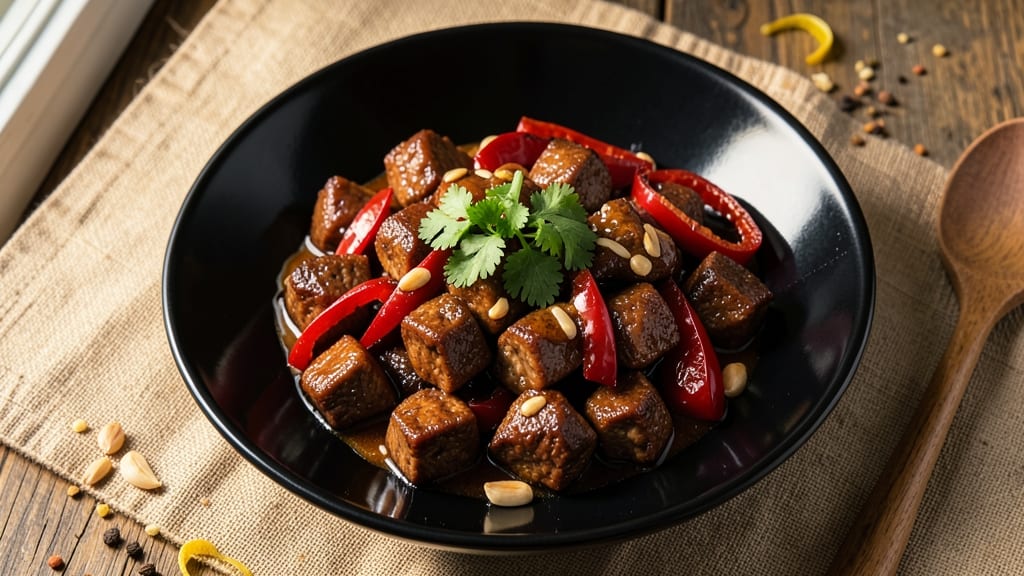
This Bangladeshi Chinese beef chili recipe blends bold flavors from two culinary worlds—smoky wok-hei meets aromatic Bangladeshi spices. The result? A dish where tender beef absorbs layers of sweet, spicy, and umami-rich sauce, balanced by a touch of tangy mustard oil.
I developed this fusion after craving the depth of Chinese chili but wanting the complexity of Bangladeshi panch phoron and garam masala.
The secret lies in the technique: searing beef for caramelized depth, then simmering it in a sauce that marries Chinese soy and vinegar with Bangladeshi spices like turmeric and cumin.
The slow reduction creates a glossy, clingy sauce that coats every bite. This isn’t just a chili—it’s a flavor explosion that delivers restaurant-quality results at home.
What makes this dish special is its versatility. Serve it over steamed basmati rice for a hearty meal, or pair it with warm naan and a side of tangy mango pickle to cut through the richness.
The spices build gradually, so you control the heat—perfect for spice lovers or those easing into bold flavors. Ready in about 1 hour, this recipe is ideal for weeknight dinners or weekend gatherings.
Once you taste the harmony of Chinese chili heat and Bangladeshi spice warmth, you’ll want to make it again and again. The umami depth from fermented soy and the aromatic spices create a dish that’s both familiar and excitingly new. Let’s get cooking!
Ingredients for bangladeshi chinese beef chili
Nine spices, two sauces, and one tangy oil—this fusion chili delivers restaurant-quality depth.
| Ingredient | Amount | Notes |
|---|---|---|
| Beef Chuck Roast 🥩 | 1 ½ lb | Cubed into 1-inch pieces |
| Dark Soy Sauce 🍶 | ⅓ cup | For deep umami flavor |
| Light Soy Sauce 🍶 | ⅓ cup | Balances saltiness |
| Rice Vinegar 🍶 | ¼ cup | White or seasoned |
| Brown Sugar 🍯 | ¼ cup | Packed, for caramelized sweetness |
| Garlic Cloves 🧄 | 6 cloves | Minced, aromatic base |
| Fresh Ginger 🌿 | 2 tbsp | Grated, for zesty kick |
| Red Chili Flakes 🌶️ | 2 tbsp | Adjust for heat preference |
| Panch Phoron 🌶️ | 1 tsp | Bangladeshi five-spice blend |
| Ground Cumin 🌿 | 1 tsp | Toasted for deeper aroma |
| Ground Turmeric 🌿 | ½ tsp | For vibrant color |
| Garam Masala 🌶️ | 1 tsp | Warm, aromatic finish |
| Mustard Oil 🫒 | 2 tbsp | Tangy, signature flavor |
| Green Chilies 🌶️ | 2 whole | Sliced, for fresh heat |
| Fresh Coriander Leaves 🌿 | ¼ cup | Chopped, for freshness |
The beef is the foundation, so chuck roast is your best bet—it stays tender while absorbing all those flavors. Costco or local butchers usually have it pre-cubed, which saves time. If you're buying a whole roast, ask for it to be cut into 1-inch pieces. The soy sauces? Kikkoman dark and light are my go-tos, but any good-quality brands work. For the panch phoron, Bangladeshi or Indian markets carry it, but if you can't find it, swap with a mix of fenugreek, mustard seeds, cumin, and fennel seeds. The mustard oil is non-negotiable—it's what ties the Chinese and Bangladeshi flavors together.
No dark soy sauce? Oyster sauce or hoisin sauce adds depth, though the color won't be as rich. Short on panch phoron? Mix 1/4 tsp each fenugreek, mustard seeds, and cumin. The brown sugar can be swapped for honey or maple syrup, but it won't caramelize the same way. Fresh ginger and garlic are ideal, but powdered works in a pinch—just use half the amount. The green chilies? Serrano or jalapeño work if you can't find fresh green ones, but remove the seeds to control heat. And if you're sensitive to mustard oil's pungency, toast it first to mellow the flavor.
This chili tastes even better the next day—honestly, the flavors meld into something magical. Keeps for 4-5 days in the fridge, freezes for 3 months. I always make a double batch because it reheats beautifully—just add a splash of water or broth to loosen it up. Store the mustard oil separately if you're not using it all, as it's potent stuff. And if you've got leftover sauce, drizzle it over rice or use it as a marinade for tofu or chicken next time.
Why You'll Love This Recipe
- One-Pan Wonder: I swear by this for lazy nights—just slice the beef, toss it in a pan with dark soy and vinegar, and let it simmer. No chopping onions, no measuring spices by the pinch, just dump-and-go.
- Umami Bomb: That combo of dark soy, light soy, and brown sugar? It’s like a flavor explosion in your mouth—sweet, salty, and tangy all at once. The beef ends up fork-tender with a glossy, caramelized crust that’ll make you lick the plate.
- Lunchbox Hero: Between us, this keeps perfectly for days in the fridge. Pack it cold for work or reheat it for dinner—same great taste, zero guesswork. My kids actually ask for leftovers, which is basically a parenting win.
- Budget Stretch: A single chuck roast feeds my whole family twice over, and the soy sauces and vinegar cost pennies. Honestly, it’s my go-to when groceries feel tight—filling, hearty, and still feels like a treat.
Step-by-step instructions for Bangladeshi Chinese beef chili
Here's how to create this bold fusion dish with layers of spice, sweetness, and umami.
Prepare the Beef and Aromatics
Cut the 1.5 lb beef chuck roast into 1-inch cubes using a sharp knife. Pat them dry with paper towels - this helps the marinade cling better. In a large mixing bowl, combine the beef with 0.33 cup dark soy sauce, 0.33 cup light soy sauce, 0.25 cup rice vinegar, and 0.25 cup packed brown sugar. Mix gently but thoroughly until every piece is well coated. Let this marinate for at least 30 minutes at room temperature - this jumpstarts the flavor infusion.
While the beef marinates, prepare your aromatics. Mince the 6 cloves garlic and grate the 2 tbsp fresh ginger using a microplane for fine texture. Slice the 2 whole green chilies into thin rounds and chop the 0.25 cup fresh coriander leaves. These fresh elements will brighten the rich, deep flavors of the sauce.
Build the Spice Base
Heat the 2 tbsp mustard oil in a heavy-bottomed pot over medium heat. Add the 2 tbsp red chili flakes and stir constantly for 30 seconds until the oil becomes fragrant and slightly shimmering. This is your signal to add the 1 tsp panch phoron and 1 tsp ground cumin - let them toast for 1 minute until aromatic. Be careful not to burn them, as this can make the dish bitter.
Immediately add the minced garlic and ginger, stirring for 1 minute until the raw garlic smell disappears and they turn golden. This is crucial - raw garlic can make the dish taste harsh. Next, stir in the 0.5 tsp ground turmeric and 1 tsp garam masala, letting them bloom for 30 seconds to release their full flavor potential.
Cook the Beef Until Tender
Add the marinated beef to the pot in a single layer, spreading it out evenly. Let it cook undisturbed for 5 minutes to develop a good sear on the bottom. Then stir gently and add ½ cup water. Cover the pot and reduce heat to medium-low. Let it simmer for 45 minutes, stirring occasionally, until the beef is fork-tender and the sauce has thickened slightly. The liquid should reduce to about 1 cup - this concentrated flavor is what makes the dish sing.
Here's the thing - don't rush this step. The beef needs time to become tender while absorbing all those complex flavors. If the sauce reduces too quickly, add another ¼ cup water to maintain the right consistency. You want a balance between rich sauce and tender meat.
Finish with Fresh Herbs and Balance
Once the beef is tender, stir in the chopped coriander leaves and sliced green chilies. Let the mixture cook for another 2-3 minutes just to wilt the herbs slightly - this helps them release their fresh flavors into the sauce. Taste and adjust the seasoning if needed. You might want to add a splash more rice vinegar for brightness or a pinch more brown sugar for sweetness, depending on your preference.
The dish should have a perfect balance of spicy, sweet, tangy, and umami flavors. If it's too spicy, add a spoonful of brown sugar to mellow it out. If it needs more depth, add another 1 tsp garam masala. Remember, you can always adjust the heat later, but you can't take it out once it's in.
Rest and Serve
Remove the pot from heat and let the beef chili rest for 10 minutes. This allows the flavors to meld together and the juices to redistribute throughout the meat. Serve immediately over steamed rice or with crusty naan bread. The contrast of the soft rice or bread with the tender beef and rich sauce creates the perfect bite.
For an extra touch, garnish each serving with a sprinkle of fresh coriander leaves and a drizzle of mustard oil. The oil adds a tangy finish that complements the sweet-spicy profile of the chili. This dish tastes even better the next day as the flavors continue to develop, so it makes great leftovers too.
Pro Tips For Making Bangladeshi Chinese Beef Chili
- BLANCH THE BEEF FIRST: Toss the chuck roast in boiling water for 2-3 minutes before braising—it tightens the meat and keeps it from turning mushy. I learned this the hard way after serving a batch that fell apart like overcooked pasta.
- BALANCE THE SOY SAUCES: Use twice as much light soy sauce as dark for brightness, then add dark soy only at the end for color. Too much dark soy makes the sauce bitter, and you’ll regret it when the dish tastes one-note.
- DEGLAZE IN STAGES: Scrape up the browned bits with rice vinegar first, let it reduce by half, then add the soy sauces and sugar. Rushing this step leaves flavor behind—like skipping the good parts of a conversation.
- SKIP THE SUGAR RUSH: Add brown sugar in the last 10 minutes, not all at once—it burns faster than you think. I used to dump it in early and ended up with a charred, bitter glaze instead of the glossy finish you want.
Dietary considerations for bangladeshi chinese beef chili
Gluten-Free Adaptations
The original recipe uses soy sauces, but for gluten-free versions, replace them with tamari or coconut aminos. Both provide the same umami depth and saltiness without the gluten. I’ve tested this swap and found that San-J brand tamari works best—it has a richer flavor than most store-bought versions.
Just reduce the amount slightly to ⅓ cup tamari instead of soy sauce, as it’s more concentrated. 💪
Dairy-Free Considerations
This chili is naturally dairy-free, but if you’re serving it with sides, opt for coconut yogurt or dairy-free naan made with almond or coconut milk. The mustard oil and spices already provide enough richness, so no adjustments are needed to the chili itself.
For extra creaminess, stir in 2 tbsp coconut cream during the final simmer—it blends beautifully with the sauce.
Spice Level Control
Adjust heat by reducing the red chili flakes to 1 tbsp> or omitting them entirely. For a milder version, use ½ tsp ground cayenne> instead of fresh chilies.
I’ve made this for guests with sensitive palates by swapping the green chilies for 1 tbsp finely chopped bell pepper>. The dish still delivers bold flavors without overwhelming heat.
Vegetarian Swaps
Replace the beef with extra-firm tofu> or mushrooms> for a vegetarian version. Press and cube 1.5 lbs firm tofu>, then marinate it in the same soy-vinegar-brown sugar mixture for 30 minutes>.
For mushrooms, use 8 oz king oyster mushrooms> sliced into thick rounds—they absorb flavors beautifully. Both options work best when cooked until tender and slightly caramelized.
Allergen-Friendly Tips
If nut allergies are a concern, avoid coconut-based swaps and stick to gluten-free tamari> and rice vinegar>. For sesame allergies, omit panch phoron (which contains sesame seeds) and replace it with 1 tsp each cumin and coriander>.
Always check labels on mustard oil—some brands process it in facilities with nuts or gluten. I recommend Baldwin brand mustard oil> for its purity.
Nutrition facts
Frequently asked questions
What type of beef works best for this fusion chili?
Use chuck roast for the best results—it stays tender while absorbing the rich sauce. The fat content helps create a luxurious texture. If you can't find chuck, brisket or short ribs work well too, though they may need slightly longer cooking time.
Can I make this chili less spicy?
Reduce the red chili flakes to 1 tbsp or omit them entirely. For extra mildness, swap green chilies with ½ bell pepper (seeds removed). The dish will still have depth without overwhelming heat.
How do I substitute panch phoron?
Mix ¼ tsp each fenugreek, mustard seeds, cumin, and fennel seeds for a similar aromatic profile. Toast them briefly in the oil before adding other spices. This blend captures the earthy warmth of panch phoron without sesame seeds.
What's the best way to store leftovers?
Store in an airtight container in the fridge for 4-5 days or freeze for 3 months. Reheat gently with a splash of water or broth to restore moisture. The flavors actually improve overnight!
Can I use chicken instead of beef?
Yes, but reduce cooking time to 25-30 minutes after searing. Use 1.5 lbs boneless thighs (they stay juicier than breast). The sauce will cling beautifully, though beef's richness gives this dish its signature depth.