
Main Courses
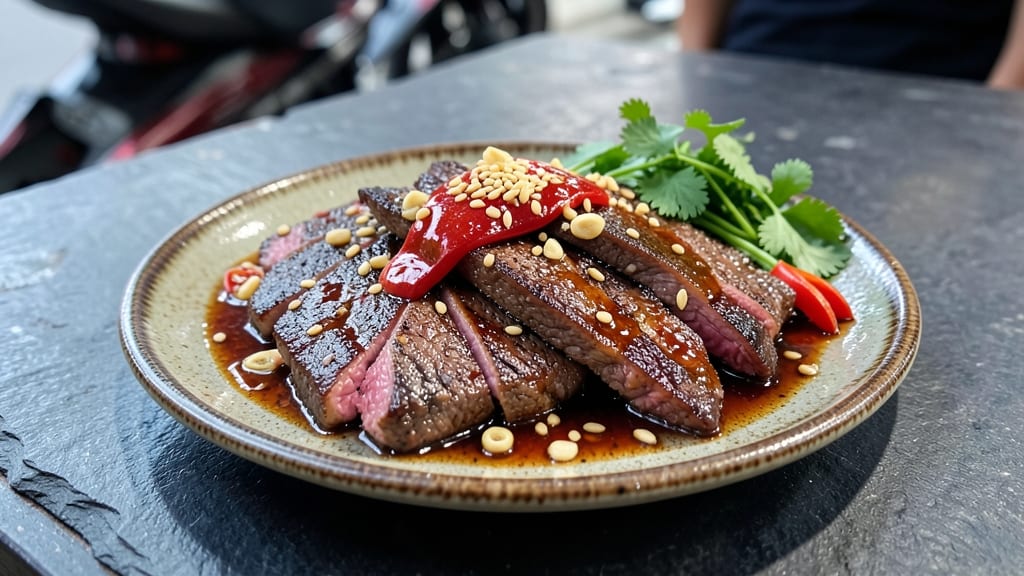
This Bangkok beef recipe delivers the bold, aromatic flavors of Thailand in every bite—silky tender beef wok-fired with fragrant spices and a perfect balance of sweet, salty, and tangy soy harmony. 🔥 The secret lies in marinating the beef overnight, allowing the spices to deeply penetrate while keeping the meat incredibly tender.
This isn't just a stir-fry; it's a restaurant-quality dish that captures the vibrant street food spirit of Bangkok.
What sets this recipe apart is the technique: high-heat wok searing followed by a quick toss in a homemade sauce that combines traditional Thai flavors with a modern twist. The beef remains juicy and flavorful, while the sauce delivers that signature sweet-spicy kick without overpowering the dish.
It's the kind of recipe that transforms a simple weeknight dinner into an authentic Thai feast.
By the time you're done, you'll have perfectly seared beef strips with a glossy, caramelized crust, all coated in a sauce that's both rich and balanced. The aroma alone will transport you to Bangkok's bustling streets, where the scent of sizzling beef and fragrant herbs fills the air.
Serve it over steamed jasmine rice or with a side of cucumber salad for the full experience.
The best part? This recipe scales beautifully—whether you're feeding a family or a crowd, the technique remains the same. The ingredients are simple but powerful, and the process is straightforward enough for weeknight cooking. Let's get started on this Bangkok-inspired masterpiece.
Ingredients for bangkok beef
Authentic Bangkok flavors start with these carefully chosen ingredients—each playing its part in the symphony of sweet, salty, and spicy harmony.
| Ingredient | Amount | Notes |
|---|---|---|
| Flank Steak 🥩 | 1 ½ lb | Thinly sliced against grain |
| Soy Sauce 🍶 | ½ cup | High-quality, reduced if possible |
| Fish Sauce 🐟 | 2 tbsp | Thai brand preferred for authenticity |
| Brown Sugar 🍚 | ¼ cup | Packed, light brown preferred |
| Garlic Cloves 🧄 | 8 cloves | Minced, fresh preferred |
| Shallots 🧅 | ¼ cup | Finely chopped, about 3-4 shallots |
| Thai Chili Paste 🌶️ | 1 tbsp | Red curry or nam prik pao |
| Lime Juice 🍋 | 2 tbsp | Freshly squeezed, about 1 lime |
| Sesame Oil 🫒 | 1 tbsp | Toasted sesame oil for aroma |
| Cornstarch 🌾 | 1 tbsp | For tenderizing beef |
| Green Onions 🧅 | ¼ cup | Sliced, for garnish |
| Fresh Cilantro 🌿 | ¼ cup | Chopped, for garnish |
| Vegetable Oil 🫒 | ½ cup | High smoke point for wok |
| Jasmine Rice 🍚 | 2 cups | Uncooked, for serving |
| Salt 🧂 | 1 tsp | Kosher or sea salt |
The flank steak is non-negotiable here—its lean yet tender texture absorbs marinades perfectly. Look for grass-fed cuts at specialty butchers like D'Artagnan or your local Asian market for the best quality. If using pre-sliced beef, ensure it's thinly cut against the grain for optimal tenderness. The soy sauce should be reduced for deeper flavor; Lee Kum Kee is a trusted brand for that authentic umami punch. Fish sauce is the soul of Thai cuisine—Red Boat or Thai Union deliver the rich, funky profile this dish demands. For the brown sugar, Domino or Wholesome Sweeteners brands ensure consistent quality without gritty impurities. Garlic and shallots should be freshly minced—no pre-chopped jarred versions here.
No Thai chili paste? Sriracha plus a pinch of sugar works in a pinch, though it lacks the depth of Maesri or Thai Kitchen brands. Lime juice must be fresh—bottled just won't cut it. Sesame oil should be toasted for that nutty aroma; Kadoya or La Choy are reliable choices. The cornstarch acts as a meat tenderizer—don't skip it. For green onions and cilantro, organic from the grocery store's produce section works fine, but Asian markets often carry fresher, more vibrant bunches. Vegetable oil needs a high smoke point—Avocado oil or canola oil are ideal for wok searing. Jasmine rice should be long-grain; Thai Kitchen or Lotus Foods brands are widely available and excellent choices.
Marinate the beef overnight for maximum flavor penetration—store in an airtight container in the fridge. The chili paste and fish sauce can be pre-mixed and stored for up to 2 weeks in the fridge. Fresh herbs like cilantro and green onions keep best in the fridge wrapped in damp paper towels for 5-7 days. Sesame oil lasts 6-12 months unopened in a cool, dark place. For leftovers, store the cooked beef and sauce separately—3-4 days in the fridge or 3 months frozen. Reheat gently on the stovetop to preserve that caramelized crust.
Why You'll Love This Recipe
- One-Pan Magic: I swear by this recipe when I’m too tired to wash dishes. Sear the flank steak, toss in the garlic and fish sauce, and let the soy and brown sugar caramelize—no extra pots, no stress. The only cleanup is wiping down one pan, and honestly? That’s my kind of cooking.
- Umami Bomb: Between the salty punch of soy, the funky depth of fish sauce, and that sweet caramelized crust from the brown sugar? It’s a flavor trifecta. The garlic cloves get crushed right into the marinade, so every bite has that punchy, aromatic kick—like a little Thai street-food explosion in your mouth.
- Lunchbox Hero: Between us, this is my go-to for meal prep. Slice the cooked beef thin, toss it with rice or noodles, and pack it for work. The flavors only get better the next day—no sad, dry leftovers here. My coworkers still ask where I get my “fancy takeout” every time I bring it.
- Budget Power Move: Flank steak stretches far, and the pantry staples (soy, fish sauce, sugar) won’t break the bank. I’ve made this for date nights, family dinners, and even a last-minute potluck—always a hit. Plus, the leftovers reheat like a dream, so you’re basically getting two meals for the price of one.
Step-by-step instructions for wok-fired Bangkok beef
Master this Thai street food classic with perfectly tender beef and vibrant, balanced flavors.
🔥 Step 1: Marinate and Prep the Flank Steak
Slice the 1.5 lb flank steak thinly against the grain into ¼-inch thick strips. Transfer to a bowl and toss with 1 tbsp cornstarch, coating evenly. This creates a delicate barrier that keeps the beef tender during high-heat cooking.
In a separate bowl, whisk together 0.5 cup soy sauce, 2 tbsp fish sauce, 0.25 cup packed brown sugar, 1 tbsp Thai chili paste, and 2 tbsp lime juice. Pour this marinade over the cornstarch-coated beef and massage it in thoroughly. Let it marinate for at least 30 minutes (or up to 2 hours in the refrigerator) to allow the flavors to penetrate deeply.
🍳 Step 2: Cook the Jasmine Rice to Perfection
Rinse the 2 cups jasmine rice thoroughly under cold water until the water runs clear. This removes excess starch that would make the rice gummy. Combine the rice with 4 cups water and 1 tsp salt in a pot and bring to a boil. Once boiling, reduce heat to low, cover tightly, and simmer for 15 minutes without lifting the lid.
After 15 minutes, remove from heat and let it steam undisturbed for another 10 minutes. Fluff gently with a fork before serving. The rice should be tender with separate grains that don't stick together. Keep it warm covered while you prepare the beef.
🔥 Step 3: Wok-Fry the Bangkok Beef
Heat a wok or large skillet over high heat until it's smoking hot. Add 0.5 cup vegetable oil and swirl to coat the bottom evenly. Working in batches if needed, add the marinated beef strips and cook without stirring for 1-2 minutes until they develop a deep golden crust on one side.
Stir-fry for another 2-3 minutes until the beef is cooked through but still retains its juices. The edges should be caramelized, and the beef should pull apart easily with chopsticks. Remove from the wok and set aside. Don't overcrowd the pan or the beef will steam instead of sear.
🍳 Step 4: Build the Signature Sauce
In the same wok, reduce heat to medium-high and add 0.25 cup finely chopped shallots and 8 cloves minced garlic. Cook for 30 seconds until fragrant but not browned. Add 1 tbsp toasted sesame oil and stir to combine with the flavorful bits stuck to the wok.
Return the cooked beef to the wok and toss everything together. The residual heat will meld all the flavors into a cohesive, aromatic sauce. Taste and adjust seasoning if needed—you might want to add a splash of water or more soy sauce for the perfect balance between sweet, salty, and umami.
🥘 Step 5: Finish and Serve with Fresh Herbs
Transfer the Bangkok beef to serving plates and garnish with 0.25 cup sliced green onions and 0.25 cup chopped fresh cilantro. The fresh herbs add a bright contrast to the rich, savory beef. Serve immediately over the steamed jasmine rice for the full street food experience.
Each bite should deliver perfectly tender beef with a caramelized crust, wrapped in a glossy sauce that balances sweet, salty, spicy, and umami flavors. The rice acts as a neutral canvas that lets the beef shine while soaking up any extra sauce.
Pro Tips For Making Bangkok Beef
- Slice Thin, Against the Grain: Flank steak’s tough fibers need to be cut perpendicular to the grain—no wider than ¼-inch thick. I used to eyeball it and end up with chewy strips; now I measure with a ruler. If you’re unsure which way is "with the grain," look for the long muscle lines and slice across them.
- Toast Garlic Until Golden: Crush those cloves first, then fry them in the same pan you’ll sear the beef—no oil needed. Let them sizzle until they’re golden brown (not burnt), about 2 minutes. That deep, nutty flavor carries through the whole dish. Skipping this step leaves the sauce tasting flat.
- Balance the Salt Early: Fish sauce and soy sauce pack a punch—taste your marinade (or sauce) before adding the steak. I learned this the hard way: overdoing it makes the beef taste like a salt lick. Aim for 1 tablespoon soy sauce to 1 teaspoon fish sauce, then adjust. The brown sugar will mellow it out, but not erase it.
- Rest the Steak Before Slicing: Five minutes under foil after cooking is non-negotiable. The meat will firm up, making it far easier to slice neatly. I used to rush this and end up with a messy pile of strings—now I just wait, even if I’m hungry. Your knife (and your guests) will thank you.
Storing and reheating your leftovers
Refrigerator Storage
Store leftover Bangkok beef in an airtight container with a tight-sealing lid. The beef and sauce should be kept separate to prevent sogginess—place the beef in one container and the sauce in another.
This dish stays fresh in the fridge for 3-4 days when stored properly. I always reheat the beef and sauce separately to maintain their textures. ❄️
Freezer Storage
For longer storage, freeze the beef and sauce in quart-sized freezer bags with excess air removed. The beef freezes well for up to 3 months, while the sauce can last 2 months.
When ready to eat, thaw overnight in the fridge and reheat gently on the stovetop. Never microwave directly from frozen—this ruins the caramelized crust. 🥶
Reheating Stovetop
My preferred method is stovetop reheating. Heat a skillet over medium heat with 1 tbsp vegetable oil, then add the beef and sauce. Cook for 3-4 minutes until heated through and the sauce is glossy again.
This preserves the beef's texture and prevents drying. Add a splash of water if the sauce thickens too much. 🔥
Microwave Reheating
If you're short on time, microwave reheating works in a pinch. Cover the beef and sauce with a damp paper towel and heat on 50% power for 1-2 minutes.
Stir halfway through to distribute heat evenly. The result won't be as perfect as stovetop, but it's quick and still delicious. 💫
Rice Handling
Reheat leftover jasmine rice in a pot with 2 tbsp water over low heat for 3-4 minutes, stirring occasionally. This prevents the rice from drying out. Keep the rice warm in a covered pot until ready to serve with the beef.
The contrast of warm rice and reheated beef makes every bite satisfying. 🍚
Sauce Refresh
If the sauce loses its gloss after reheating, revive it by adding 1 tsp toasted sesame oil and ½ tsp soy sauce. Stir well and let it sit for 1 minute before serving.
This restores the sauce's depth and aroma. A squeeze of fresh lime juice also brightens up the flavors. 🍋
Nutrition facts
Frequently asked questions
Can I substitute flank steak with another cut of beef?
Yes, but choose cuts with similar tenderness and grain structure. Sirloin or ribeye work well—just slice them thinly against the grain. Avoid tough cuts like chuck roast, as they won't become tender enough with this quick cooking method.
How do I adjust the spice level for sensitive eaters?
Reduce the Thai chili paste to ½ tbsp or omit it entirely. For mild heat, add ½ tsp sugar to balance any remaining spice. If you love heat, increase to 2 tbsp chili paste and add ½ tsp crushed red pepper flakes for extra kick.
What's the best way to make this recipe gluten-free?
Replace the soy sauce with tamari or coconut aminos (use ½ cup for similar flavor). Ensure your Thai chili paste and fish sauce are also gluten-free. Check labels, as some brands may contain wheat.
Can I make this dish in a regular skillet instead of a wok?
Use a large, heavy skillet (like cast iron) and reduce the oil to 3 tbsp. Cook the beef in single layers to avoid steaming. The high heat is key—get your pan as hot as possible before adding the beef.
What are the best sides to serve with Bangkok beef?
Classic pairings include jasmine rice, Thai cucumber salad, or steamed bok choy. For extra flavor, add fried shallots or pickled vegetables to your plate. The freshness cuts through the rich beef perfectly.