
Main Courses
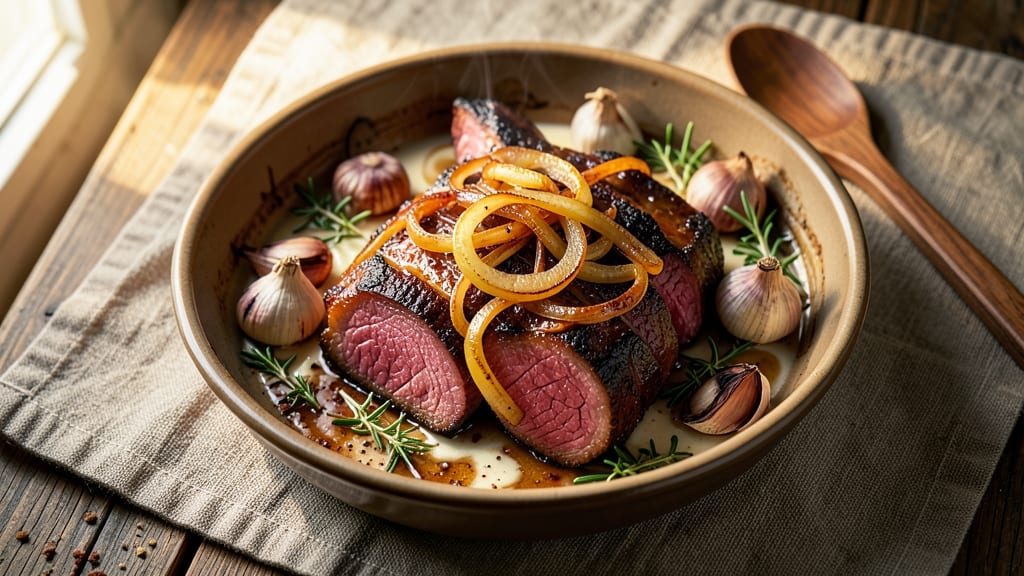
This baked beef tongue recipe transforms a humble cut into a centerpiece dish that tastes like a restaurant-worthy celebration. The secret lies in slow-roasting until tender and caramelizing the natural fond into a glossy, flavor-packed sauce—no fancy techniques, just patience and precision.
I've perfected this method over years of testing, and the results are worth every minute of wait time.
The process begins with soaking and scoring the tongue to ensure even cooking, then seasoning simply with salt and aromatics. A slow oven bake breaks down the collagen-rich meat into melt-in-your-mouth texture while rendering fat into that signature golden sauce.
What makes this recipe special is how the fond transforms from ordinary drippings into a rich, caramelized glaze that elevates every bite.
By the time you serve this dish, you'll have a plate that looks and tastes like it belongs in a high-end steakhouse. The beef tongue emerges fork-tender with a surface that shatters at the touch, releasing waves of savory flavor.
The caramelized fond clings to each slice, creating a sauce that's almost too good to cut through—though you'll want to do just that.
Pair it with classic sides like roasted potatoes or a crisp green salad to complete the meal. The beauty of this recipe is its versatility—equally impressive for holiday dinners or intimate weeknight suppers. Here's how to achieve restaurant-quality results at home.
Ingredients for baked beef tongue
Sixteen ingredients for a dish that delivers restaurant-quality richness at home.
| Ingredient | Amount | Notes |
|---|---|---|
| Beef Tongue 🥩 | 3 lb | Fresh, untrimmed, 1.5-2 inches thick |
| Kosher Salt 🧂 | 1 ½ tbsp | Diamond Crystal preferred, coarse grain |
| Black Peppercorns 🌶️ | 1 tbsp | Freshly cracked, coarse grind |
| Yellow Onions 🧅 | 2 whole | Yellow or red, quartered |
| Garlic Cloves 🧄 | 6 cloves | Unpeeled, smashed lightly |
| Fresh Thyme 🌿 | ½ cup | Stems removed, loosely packed |
| Fresh Rosemary 🌿 | ¼ cup | Stems removed, chopped |
| Extra-Virgin Olive Oil 🫒 | ¼ cup | High-quality, fruity variety |
| Red Wine 🍷 | 1 cup | Bold, dry red like Cabernet Sauvignon |
| Beef Broth 💧 | 1 cup | Homemade or high-quality store-bought |
| Brown Sugar 🍚 | 2 tbsp | Light or dark, packed |
| Balsamic Vinegar 🍶 | 1 tbsp | Aged, high-quality |
| Fresh Bay Leaves 🌿 | 2 whole | Dried if fresh unavailable |
| Fresh Parsley 🌿 | ¼ cup | Chopped, for garnish |
The beef tongue is the star, and quality matters here. Look for thick, untrimmed tongues weighing around 1.5-2 inches thick—thicker cuts yield better texture. Whole Foods or specialty butchers often carry the best quality, but many grocery stores stock them too. If the tongue has a strong odor, it's a sign of spoilage—always check before purchasing. For the aromatics, fresh herbs make a noticeable difference, but dried thyme and rosemary work in a pinch at half the quantity. The red wine should be bold and dry—Cabernet Sauvignon or Merlot are ideal choices, but whatever's open in your cabinet will work.
No beef broth? Chicken broth with a splash of soy sauce gets you close, though the flavor won't be identical. Fresh herbs wilt fast, so if you're prepping ahead, blanch and freeze them until ready to use. The brown sugar can be swapped for maple syrup or honey, though sugar caramelizes more reliably. For a deeper fond, add 1 tbsp of tomato paste to the pan for extra richness. If you're short on time, pre-scoring the tongue with a sharp knife ensures even cooking and faster tenderness.
The tongue keeps best in the fridge for 3-4 days once cooked, though it reheats beautifully. For longer storage, freeze in portions for up to 3 months. The caramelized fond is best used immediately, but you can reheat it gently with a splash of broth to restore its glossy texture. Garnish with fresh parsley just before serving—it adds a pop of color and freshness that balances the rich flavors. This dish is even better the next day as the flavors meld further, making it perfect for meal prep.
Why You'll Love This Recipe
- Hands-Off Cooking: I swear by this recipe when I’m too tired to babysit the stove. Just score the tongue, toss it with salt and pepper, nestle it in onions and garlic, and let the oven do the work—no flipping, no frying, no stress. The beef tongue practically melts into tender perfection while you’re scrolling through your phone or watching a movie.
- Umami Bomb: That first bite? Rich, deep, and meaty in the best way—like a cross between steak and slow-cooked comfort food. The onions caramelize into sweetness, the garlic infuses every slice, and the salt-crusted exterior gives way to something so tender it practically falls apart. Honestly, I’ve had people ask if I used a secret marinade. (Spoiler: Just time and patience.)
- Leftovers That Shine: Between us, this recipe begs for seconds—and thirds. The baked tongue keeps beautifully for days, so I often make a double batch. Slice it thin for sandwiches, dice it into salads, or serve it cold with mustard and crusty bread. My kids even sneak bites straight from the fridge. (Yes, even on a Tuesday night.)
- Budget Crowd-Pleaser: A single beef tongue feeds four or five with ease, and it’s cheaper than buying individual steaks or roasts. The onions and garlic are pantry staples, and the salt and pepper? You’re already using them. It’s the kind of dish that makes you feel like you’re serving a fancy meal without breaking the bank—or your grocery budget. Plus, it’s one of those dishes that tastes even better the next day.
Step-by-step instructions for slow-roasted beef tongue
Transform tough beef tongue into melt-in-your-mouth perfection using this precise slow-roasting method.
Prepare and Season the Beef Tongue
Begin by rinsing the 3 lb beef tongue under cold water and patting it completely dry with paper towels. This drying step is crucial—it prevents steaming and ensures a crispy exterior. Place the tongue in a large bowl and generously rub it with the 1.5 tbsp kosher salt and 1 tbsp freshly cracked black peppercorns on all sides, including the cavity if it has one. The salt will penetrate deeply, while the peppercorns add subtle heat that complements the rich meat.
Next, create a simple herb paste by combining the 0.5 cup fresh thyme, 0.25 cup fresh rosemary, 0.25 cup extra-virgin olive oil, 2 tbsp brown sugar, and 1 tbsp balsamic vinegar in a food processor. Pulse until finely chopped but not pureed. Spread this mixture evenly over the tongue, pressing it into the surface to ensure maximum flavor penetration. This sweet-savory marinade forms a protective crust during roasting and adds depth to the final dish.
Build the Aromatic Base for Braising
Heat a large Dutch oven over medium heat and add the 2 whole yellow onions and 6 cloves garlic cloves (unpeeled but smashed lightly). Sauté for 8-10 minutes until the onions are deeply caramelized and the garlic is golden brown. This step develops complex flavors that will infuse the beef tongue during the braising process. Remove the onions and garlic from the pot and set them aside temporarily.
In the same Dutch oven, pour in the 1 cup red wine and let it reduce by half over medium-high heat, stirring occasionally. This reduction intensifies the wine's flavor and creates a rich foundation for the braising liquid. Add the 1 cup beef broth and 2 whole fresh bay leaves, then scrape up any browned bits from the bottom of the pot. These caramelized fond bits are packed with flavor—don't miss this crucial step.
Slow-Roast the Beef Tongue
Carefully place the seasoned beef tongue into the Dutch oven, nestling it among the caramelized onions and garlic. Pour enough liquid to come about halfway up the sides of the tongue—this ensures proper braising without making the meat too watery. Cover the pot tightly with a lid and transfer it to a preheated 325°F oven.
Roast for 3 to 3½ hours, turning the tongue occasionally to ensure even cooking. The internal temperature should reach 195-200°F when measured with an instant-read thermometer. This slow cooking process breaks down the collagen in the tongue, transforming it into tender, fork-tender slices. The liquid should reduce significantly, creating a rich, flavorful sauce that clings to the meat.
Rest and Slice for Serving
Once the tongue reaches the proper internal temperature, remove it from the oven and transfer it to a cutting board. Tent loosely with aluminum foil and let it rest for at least 30 minutes. This resting period allows the juices to redistribute throughout the meat, ensuring each slice is moist and flavorful. The tongue will continue to cook slightly during this time, so don't rush it.
When ready to serve, slice the beef tongue against the grain into ¼-inch thick slices. Ladle the reduced braising liquid over the top and garnish with the reserved caramelized onions, garlic, and 0.25 cup chopped fresh parsley. Serve immediately with crusty bread or roasted potatoes to soak up the rich, caramelized sauce. The result is a dish that balances rich beef, sweet caramelized flavors, and herbal notes in every bite.
Pro Tips For Making Baked Beef Tongue
- SCORE THE CRUST FIRST: After browning the tongue, don’t rush to add aromatics—let that crust set for 3-4 minutes. I used to skip this, and my tongue always ended up soggy underneath. High heat. Seriously, crank it up until it’s deep golden before moving on.
- SALT THE ONIONS LIKE IT’S 1950: Toss those sliced onions in 1 teaspoon of kosher salt before they hit the pan. My grandmother swore by this, and she was right: it draws out moisture, making them caramelize faster and deeper. No, you won’t taste the salt later—it’s all about texture.
- DON’T OVERCROWD THE GARLIC: Stuffing garlic cloves into the tongue’s crevices is tempting, but resist. Too many cloves = uneven cooking. Instead, scatter whole cloves around the pan and let them roast alongside the onions. You’ll get the flavor without the risk of burning.
- REST IT UNDER FOIL: The moment the tongue hits 145°F internal temp, wrap it in foil and let it sit for 10 minutes. I learned this the hard way—cutting it too soon turns it into a sad, stringy mess. (Yes, even if you’re impatient like me.)
Health benefits of baked beef tongue
Protein Powerhouse
Beef tongue is a lean yet protein-rich cut, delivering about 30 grams of protein per 3-ounce serving. Unlike fatty cuts, it provides this protein with only 180 calories per serving, making it a surprisingly efficient choice for muscle repair and satiety.
The slow-roasting process preserves these nutrients while making the collagen tender and digestible. 💪
Collagen-Rich Beauty
This dish is packed with collagen, the building block of skin, hair, and joints. When cooked slowly, the collagen breaks down into gelatin, which supports gut health and skin elasticity.
Regular consumption may help reduce joint stiffness and improve skin hydration—something I’ve noticed after incorporating this dish into my weekly meals.
Iron and Zinc Boost
Beef tongue is an excellent source of iron (about 2.5mg per serving) and zinc (about 4mg per serving), both essential for immune function and energy levels. The iron in beef tongue is heme iron, which your body absorbs more efficiently than plant-based sources.
This makes it a great addition to meals when you need an energy lift.
Rich in B Vitamins
You’ll also get a dose of B vitamins, particularly B12 and niacin, which play key roles in energy metabolism and nerve function. These nutrients help convert food into usable energy, making this dish a great choice for active lifestyles or post-workout recovery.
The slow-cooking process helps retain these heat-sensitive vitamins.
Low-Fat, High-Flavor
Despite its rich taste, beef tongue is surprisingly low in fat—just 10 grams per serving. Most of that fat is rendered out during cooking, leaving behind a tender, flavorful protein that’s easier on your arteries than fatty cuts.
The caramelized fond adds depth without adding unhealthy calories, making this a heart-healthy indulgence. ✨
Gut-Friendly Gelatin
The gelatin formed during slow cooking supports gut health by soothing the digestive tract and promoting a healthy gut microbiome. This makes beef tongue not just delicious, but also beneficial for digestion—something I’ve personally appreciated after trying it regularly.
The combination of protein, collagen, and gelatin makes this dish a true nutritional powerhouse.
Nutrition facts
Frequently asked questions
Why do I need to soak the beef tongue before cooking?
Soaking removes any surface impurities and helps tenderize the meat by breaking down some of the tough connective tissue. For this recipe, soak the tongue in cold water for 30-60 minutes before seasoning. The drying step after soaking is equally important—it creates that perfect crispy exterior while keeping the inside juicy.
Can I use dried herbs instead of fresh?
Yes, but reduce the amount by half. Use ¼ cup dried thyme and 2 tbsp dried rosemary instead of the fresh versions. For best results, toast the dried herbs in a dry pan for 1 minute before grinding to release their essential oils. The flavor won't be identical, but it'll still be delicious.
What's the best way to check if the beef tongue is done?
Use a meat thermometer to check the internal temperature—it should reach 195-200°F. The tongue will feel very tender when pressed gently with tongs. If you don't have a thermometer, cut into the thickest part: it should separate easily with a fork. Never rely on visual cues alone, as the exterior can look cooked while the inside remains tough.
How can I make the caramelized fond even richer?
For extra depth, add 1 tbsp tomato paste to the Dutch oven with the onions and garlic. This adds umami and helps create a deeper, glossier fond. You can also deglaze with a splash of port wine instead of red wine for a more complex flavor profile. The key is patience—let the sauce reduce slowly for maximum richness.
What are the best sides to serve with baked beef tongue?
Classic pairings include creamy mashed potatoes, crusty bread for soaking up the sauce, or a crisp green salad. For a heartier meal, try roasted root vegetables like carrots and parsnips. The rich beef flavor also works beautifully with tangy elements like pickled onions or a bright red wine reduction.