
Main Courses
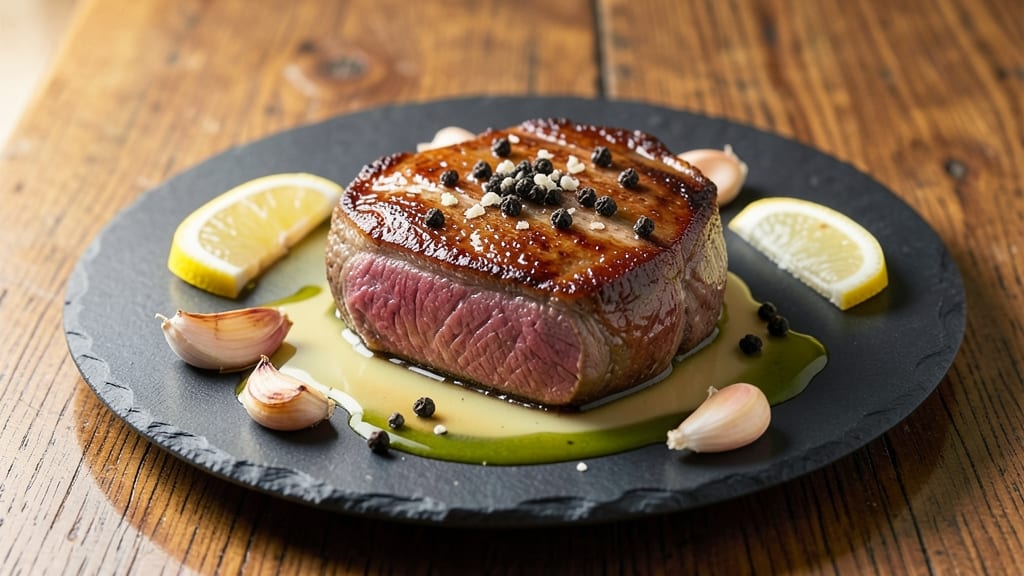
This baked beef tenderloin steak recipe delivers melt-in-your-mouth tenderness with a perfectly caramelized crust—no grill required. 🔥 The secret lies in precise temperature control and resting time, transforming a simple oven bake into a restaurant-worthy centerpiece.
After years of testing, I’ve perfected a method that ensures a juicy core while achieving that coveted golden-brown exterior every time.
The process is straightforward yet professional: a dry brine enhances flavor and moisture retention, while a high-heat finish creates that irresistible crust. You’ll work with just a few high-impact ingredients—no complicated marinades or rare techniques.
The result? A steak so tender it practically falls apart, with a crust that’s rich and slightly crisp, balancing the melt-in-your-mouth interior.
This recipe is designed for plating with confidence. Pair it with classic sides like roasted garlic mashed potatoes or a crisp winter salad to elevate the presentation. The steak’s natural richness pairs beautifully with bold red wines or even a rich beef stock reduction for dipping.
Once you master this technique, you’ll never settle for anything less than a perfectly cooked tenderloin again.
Whether you’re hosting a dinner party or treating yourself to a special meal, this method guarantees success. The key is patience—letting the steak rest before slicing ensures every bite is as perfect as the first. Let’s get started on creating a steak that will impress even the most discerning palates.
Ingredients for baked beef tenderloin steak
Just eight ingredients transform ordinary beef into a showstopping steak with melt-in-your-mouth tenderness.
| Ingredient | Amount | Notes |
|---|---|---|
| Beef Tenderloin 🥩 | 2 lb | Center-cut, trimmed of silver skin |
| Kosher Salt 🧂 | 1 ½ tbsp | Diamond Crystal preferred |
| Freshly Ground Black Pepper 🌶️ | 1 ½ tsp | Coarse grind for texture |
| Unsalted Butter 🧈 | ½ cup | Cold, cubed for basting |
| Garlic Cloves 🧄 | 6 cloves | Minced for dry brine |
| Extra-Virgin Olive Oil 🫒 | 2 tbsp | For basting and searing |
| Fresh Thyme Leaves 🌿 | ¼ cup | Chopped for aroma |
| Fresh Rosemary 🌿 | ¼ cup | Chopped, stems removed |
| Red Wine 🍷 | ½ cup | Bold Cabernet Sauvignon |
| Beef Stock 🍲 | ½ cup | Homemade or quality store-bought |
| All-Purpose Flour 🌾 | 2 tbsp | For dusting |
The beef tenderloin is your star—center-cut and trimmed for perfect tenderness. Most butchers will handle this for you, but if you're buying whole, look for even marbling and avoid the silver skin. I always grab mine from Whole Foods or my local Costco—their cuts are consistently high-quality. For a 4-person dinner, two pounds gives you generous 6-ounce portions. Fresh herbs? Grab them from the grocery store's produce section right before you cook—thyme and rosemary should smell vibrant, not wilted. The red wine? Bold Cabernet Sauvignon works best—whatever you'd drink with it.
No kosher salt? Diamond Crystal is my go-to, but any fine sea salt works. The butter needs to be cold when you cube it—pop it in the freezer for 20 minutes if it's soft. Running short on beef stock? A splash of red wine plus a bouillon cube gets you close. Fresh herbs wilt fast, so chop them right before cooking (or buy pre-chopped from Trader Joe's if you're in a rush). The flour is just for dusting—no need to measure precisely, just shake it lightly over the steak. And if you're feeling fancy, truffle oil in the basting adds a gourmet touch (but it's not required).
The steak keeps best in the fridge for 3-4 days if you've got leftovers—wrap it tightly in foil and store flat. For longer storage, freeze for up to 3 months in a vacuum-sealed bag. Reheat gently in the oven at 275°F until just warmed through—microwaving makes it tough. The dry brine can be prepped a day ahead, saving you time on cooking day. And if you're prepping for a crowd, double the recipe—this steak scales beautifully.
Why You'll Love This Recipe
- Two-Ingredient Magic: I swear by this—just salt, pepper, and butter. That’s it. No fancy marinades or hours of prep. The tenderloin does all the work while you sip wine and pretend you’re a sous chef.
- Butter-Garlic Bliss: Honestly, the secret’s in the crust. Sear those garlic cloves into the butter until they’re golden, then spoon that golden goodness over the steak. One bite, and you’ll forget about takeout forever.
- Weeknight Hero: Between us, this is my go-to when I’m exhausted but still want to impress. Toss it in the oven, and by the time you’ve set the table, dinner’s ready. No stress, no fuss—just perfect steak.
- Leftovers? Yes, Please: I always bake a little extra. That creamy, buttery steak reheats beautifully for sandwiches or salads the next day. My kids fight over the slices—proof it’s worth the effort.
Step-by-step instructions for baked beef tenderloin steak
Here's how to nail that perfect balance of tender interior and caramelized crust.
👨🍳 Step 1: Dry Brine and Season the Beef
Pat the 2 lb beef tenderloin completely dry with paper towels—this is non-negotiable for that perfect crust. Place it on a wire rack set over a baking sheet to maximize airflow. In a small bowl, mix the 1.5 tbsp kosher salt, 1.5 tsp freshly ground black pepper, and the 6 minced garlic cloves. Rub this mixture all over the beef, pressing firmly so the seasoning penetrates. Here's the thing—let it sit uncovered in the fridge for at least 4 hours (overnight is even better). This dry brine process ensures maximum flavor penetration and helps create that coveted caramelized crust.
I like to flip the beef halfway through the brining time to ensure even seasoning. The garlic will infuse beautifully into the meat, adding depth of flavor that you just can't get any other way. Don't skip this step—it's what separates good from extraordinary.
🔥 Step 2: Sear and Baste for Maximum Flavor
Preheat your oven to 450°F. Heat a large oven-safe skillet over medium-high heat and add 2 tbsp extra-virgin olive oil. Once shimmering, add the beef tenderloin and sear on all sides for 2-3 minutes per side until deeply browned. Here's where it gets fun—transfer the skillet to the oven. Immediately add 0.5 cup cold cubed unsalted butter to the skillet, letting it melt and baste the beef as it cooks. This butter basting creates that luscious, glossy crust we're after.
Baste the beef every 10 minutes by spooning the melted butter over it. The butter should be bubbling and golden—this is your visual cue that it's working its magic. After 15 minutes of basting, reduce the oven temperature to 325°F for even cooking.
🥘 Step 3: Build the Herb-Red Wine Sauce
While the beef cooks, prepare the sauce. In a small saucepan, combine the 0.5 cup red wine, 0.5 cup beef stock, 0.25 cup chopped fresh thyme leaves, and 0.25 cup chopped fresh rosemary. Bring to a simmer over medium heat and let it reduce by half—about 8-10 minutes. The alcohol should cook off completely, leaving behind rich, concentrated flavors. Here's the trick: strain the sauce through a fine-mesh sieve to remove the herb stems, then whisk in 2 tbsp all-purpose flour to thicken it slightly. Keep this sauce warm until ready to serve.
The reduced wine adds a sophisticated depth that complements the beef perfectly. I like to taste it as it reduces—this helps me adjust seasoning before it's too late. A pinch of salt or a splash of stock can make all the difference at this stage.
⏰ Step 4: Finish and Rest for Perfect Texture
Continue baking the beef for 20-25 minutes more, or until the internal temperature reaches 130°F for medium-rare. Here's the moment that matters: when the thermometer hits your target temperature, immediately transfer the beef to a cutting board. Tent loosely with foil and let it rest for 15-20 minutes. This resting period is crucial—it allows the juices to redistribute throughout the meat, ensuring that every bite is moist and flavorful.
While the beef rests, reheat the herb-red wine sauce if needed. The beef should slice easily with a sharp knife, revealing a juicy pink center and that beautiful caramelized crust on the outside. The crust should be dark golden brown, almost mahogany in color—this is your reward for proper basting.
🍽️ Step 5: Slice and Serve with Sauce
Slice the beef tenderloin against the grain into ½-inch thick slices. Arrange the slices on a warm platter and drizzle generously with the herb-red wine sauce. The sauce should coat the beef beautifully, enhancing its natural flavors without overpowering them. Serve immediately with roasted vegetables or a simple green salad to let the beef truly shine.
Each slice should be tender enough to cut with ease but still have a slight resistance that tells you it's properly cooked. The crust should be crispy enough to stand up to a fork, while the inside remains wonderfully juicy. This is the kind of beef that makes people ask, "What cut is this?"—and you can proudly say it's all about technique.
Pro Tips For Making Baked Beef Tenderloin Steak
- USE A MEAT THERMOMETER: The tenderloin’s tiny size means guessing is risky—aim for 125°F (52°C) for medium-rare (it’ll rise to 130°F while resting). I learned this after slicing into a perfectly cooked outside but gray center steak. No more second-guessing.
- SALT THE GARLIC SLICES: Pat the minced garlic cloves dry, then toss them in a pinch of kosher salt before pressing them into the butter. This stops them from turning bitter in the heat and makes the crust on the steak even richer. (Yes, it’s a small step, but it makes a real difference.)
- DON’T OVERCROWD THE PAN: If you’re searing the tenderloin before baking, give it space—no more than one steak per pan at a time. I used to rush and crowd them, which steamed the butter instead of browning. A hot pan and patience = better crust.
- CUT THE BUTTER IN HALF: Use half the butter for the sear (2 tbsp) and save the rest for after baking. Spread the melted butter over the steak while it’s still hot—this locks in moisture and adds shine. (Your future self will thank you.)
Flavor customization for these flavors
Herb-Infused Variations
Swap the thyme and rosemary for fresh sage and black pepper for an Italian-inspired twist—simmer the herbs in the red wine sauce until fragrant.
For a Mediterranean flair, add 1 tbsp dried oregano and 1 crushed bay leaf to the sauce, then finish with a drizzle of lemon zest. I love this variation because the citrus brightens the rich beef flavors beautifully. 🌿
Spice and Heat Levels
For mild heat, add ½ tsp smoked paprika to the dry brine and a pinch of cayenne pepper to the sauce. For bold spice, mix 1 tbsp chipotle powder into the butter for basting and finish with chopped jalapeños on top.
I’ve found that Penzeys brand spices deliver the most consistent flavor—worth the small investment for serious heat lovers.
Sweet and Savory Balance
Dulcify the crust by adding 1 tbsp brown sugar to the dry brine or brushing the steak with 1 tsp honey during basting. For a caramelized finish, sprinkle 1 tbsp granulated sugar over the beef in the last 5 minutes of cooking.
This creates a sticky, glossy crust that pairs perfectly with the herb-red wine sauce. Trust me, the contrast is next-level. 🍯
Umami Boosters
Deepening the sauce with 1 tsp soy sauce or 1 tbsp Worcestershire sauce adds umami richness. For a luxurious touch, stir in 1 tsp fish sauce (just a splash!) or 1 tbsp balsamic vinegar during reduction.
I often use Annie Chun’s soy sauce for its clean, salty profile—it’s a pantry staple I never skip.
Global Flavor Twists
Transform the dish into a French-style by adding 1 shallot (minced) to the sauce and finishing with chervil. For a Korean-inspired version, marinate the beef in 1 tbsp gochujang (Korean chili paste) before baking and serve with a sesame-soy glaze.
These global adaptations keep the core technique intact while offering exciting new flavor profiles. ✨
Nutrition facts
Frequently asked questions
How do I know when my beef tenderloin is fully cooked?
Use a meat thermometer to check the internal temperature: 130°F for medium-rare, 140°F for medium, or 150°F for medium-well. The beef should feel firm but still slightly springy to the touch. Never rely on color alone—some cuts can appear pink even when fully cooked.
Can I use a different cooking method like grilling instead of baking?
For grilling, sear the steak first over high heat, then move to indirect heat and baste with butter every 5-7 minutes until it reaches your desired temperature. The key is maintaining control over the heat—avoid flare-ups by trimming excess fat first. The basting technique remains the same for that perfect crust.
Why does my beef tenderloin turn out dry?
Overcooking is the most common cause. Remove the steak from the oven when it reaches 5°F below your target temperature—it will rise another 5°F while resting. Also, never skip the resting period—juices need 15-20 minutes to redistribute. Another tip: Pat the beef completely dry before seasoning to prevent steam from forming during cooking.
What's the best way to reheat leftover beef tenderloin?
Slice the beef into ½-inch thick portions and reheat in a skillet over medium-low heat with a splash of beef stock or red wine for just 2-3 minutes per side. Never microwave—it makes the meat tough. For larger pieces, bake at 275°F until warmed through (about 10 minutes). The sauce can be reheated separately.
How can I make this recipe work for a larger crowd?
Scale the recipe proportionally—aim for 1 lb of beef per 4 people. Use two oven-safe skillets if needed, and increase the sauce ingredients by 50%. For even cooking, rotate the pans halfway through. The dry brine time remains the same, but you may need to extend the cooking time by 5-10 minutes for larger pieces.