
Side Dishes
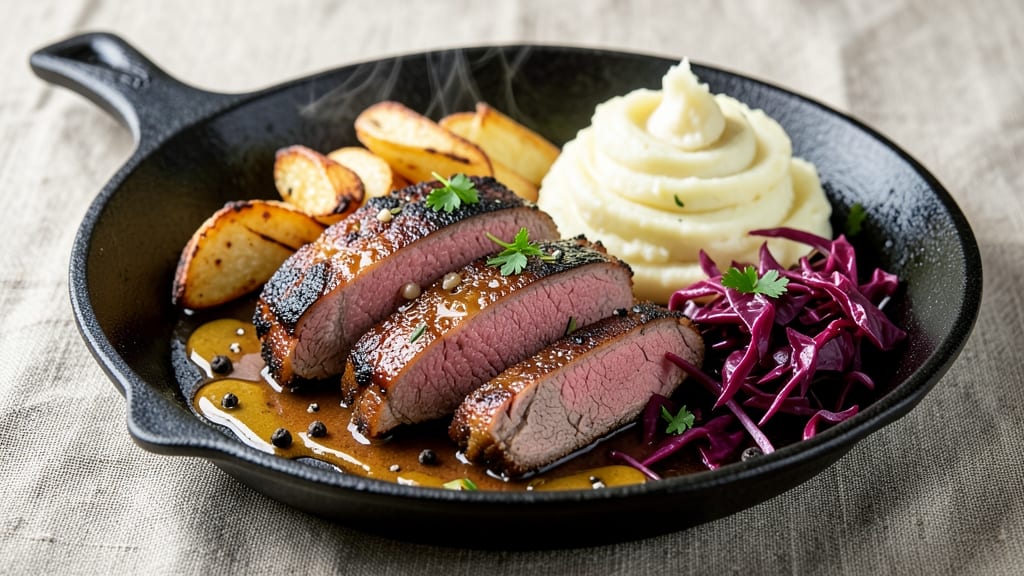
This awesome corned beef recipe transforms tough cuts into melt-in-your-mouth perfection with a slow-braised approach that builds deep, savory flavors over hours. The secret lies in a balanced brine—just enough salt to tenderize without overpowering—and a touch of smoked paprika that adds subtle warmth.
Unlike quick methods, this recipe rewards patience with a texture that’s both buttery and shreds effortlessly, making it ideal for sandwiches, hash, or serving alongside classic sides.
What sets this apart is the two-stage cooking process: an initial simmer in the brine to infuse the meat, followed by a slow braise that renders fat back into the meat for unmatched richness. No pressure cooker required—just a pot, time, and attention to temperature control.
The result? Corned beef so tender it practically falls apart at the touch, with a surface that’s beautifully caramelized and studded with aromatic spices.
Serve it sliced thin over toasted rye with mustard and sauerkraut, or crumble it into a hearty potato hash for breakfast the next day. The versatility is just as impressive as the flavor—this isn’t just a side dish; it’s the star of the meal.
Ready to elevate your corned beef game? Let’s get started with a method that delivers restaurant-quality results at home.
For those short on time, a pressure cooker adaptation cuts the cooking time by half without sacrificing tenderness—just adjust the liquid and cooking duration. The key remains the same: balance, patience, and letting the meat work its magic.
Whether you’re hosting a St. Patrick’s Day feast or craving a comforting weeknight dinner, this recipe delivers every time.
Ingredients for awesome corned beef
Six ingredients transform tough brisket into melt-in-your-mouth perfection with slow-braised tenderness.
| Ingredient | Amount | Notes |
|---|---|---|
| Corned Beef Brisket 🥩 | 3 lb | Tough cut, 1-inch thick slices |
| Water 💧 | 8 cups | Filtered preferred for clarity |
| Kosher Salt 🧂 | ½ cup | Diamond Crystal preferred |
| Brown Sugar 🍯 | ¼ cup | Light or dark variety |
| Smoked Paprika 🌶️ | 2 tbsp | High-quality for smoky depth |
| Black Peppercorns 🌶️ | 1 tbsp | Coarsely crushed |
| Bay Leaves 🍃 | 2 whole | Fresh preferred |
| Garlic Cloves 🧄 | 6 cloves | Smashed lightly |
| Onions 🧅 | 1 whole | Yellow, peeled, halved |
| Apple Cider Vinegar 🍎 | ¼ cup | For tangy balance |
| Mustard Seeds 🌶️ | 1 tsp | Whole, toasted lightly |
| Cloves 🌿 | 4 whole | For aromatic warmth |
| Olive Oil 🫒 | 2 tbsp | For finishing caramelization |
The brisket is non-negotiable here—look for thick-cut, well-marbled pieces at your butcher or Costco's pre-sliced brisket for convenience. Kosher salt matters: Diamond Crystal dissolves slower, creating a more even brine. For smoked paprika, Penzeys or McCormick deliver consistent quality. The vinegar adds tang, but apple cider vinegar (not white) gives subtle fruitiness. Toast your spices lightly in a dry pan before adding—they'll release deeper aromas. If you're short on time, pre-sliced brisket from the deli counter works, but trim excess fat to 1/4-inch thickness for even cooking.
No kosher salt? Diamond Crystal kosher salt substitute—use 1.5 times the amount of table salt. Short on vinegar? Lemon juice at half the quantity works, but the flavor shifts slightly. The onions and garlic can be pre-minced if you're in a rush, but whole cloves and halved onions infuse better. For a deeper smoky flavor, add 1/4 cup liquid smoke to the braising liquid (trust me, it's a game-changer). The brown sugar caramelizes beautifully—light brown sugar adds molasses notes, while dark brown gives more depth. If you're feeling adventurous, swap half the water for beef broth for richer flavor.
This braise tastes better the next day—plan ahead. Store leftovers in the braising liquid (covered) for up to 5 days in the fridge. For longer storage, freeze in portions for up to 3 months. The caramelized surface? Don't skip it—it's where all the magic happens. Reheat gently in the same liquid over low heat, or microwave with a splash of water to keep it moist. The meat should be fork-tender—if it's not shredding easily, it needs another 30-60 minutes of simmering. Serve with toasted rye bread, sauerkraut, and mustard for the full experience.
Why You'll Love This Recipe
- Five-Ingredient Magic: I swear, this recipe is that simple—just brisket, water, salt, sugar, and smoked paprika. No fancy prep, no chopping, no stress. Honestly, I’ve made it while scrolling through my phone.
- Smoky-Sweet Perfection: That brown sugar and smoked paprika combo? It’s like a slow-cooked hug for your taste buds. The saltiness of the brisket turns into this rich, caramelized flavor that’s dangerously addictive.
- Leftovers That Save Me: This feeds a crowd but reheats like a dream—whether it’s sandwiches the next day or reheated slices with mustard. Between us, I’ve lived off these leftovers for three days straight.
- Budget-Friendly Feast: A whole brisket for this price? You’re getting more meat than you’d expect, and it stretches across meals without breaking the bank. My wallet and my family thank me every time.
Step-by-step instructions for slow-braised corned beef
Transform tough brisket into melt-in-your-mouth perfection with this foolproof slow-braising method.
Prepare the Corned Beef and Aromatics
Rinse the 3 lb corned beef brisket under cold water to remove any surface brine, then pat it completely dry with paper towels. This step is crucial—moisture on the meat will prevent proper browning later. Place the brisket in a large Dutch oven or heavy pot that can hold all ingredients without overflowing.
In a small bowl, combine the 0.5 cup kosher salt, 0.25 cup brown sugar, 2 tbsp smoked paprika, and 1 tbsp coarsely crushed black peppercorns. Rub this mixture evenly over all sides of the brisket, pressing it into the meat so it adheres well. The sugar will help caramelize during cooking, adding depth of flavor.
Peel and halve the 1 whole yellow onion, then add it to the pot along with the 6 smashed garlic cloves, 2 whole bay leaves, 0.25 cup apple cider vinegar, 1 tsp whole mustard seeds, and 4 whole cloves. The vinegar adds tangy brightness that balances the richness, while the spices infuse the meat with aromatic complexity.
Build the Braising Liquid and Begin Cooking
Add the 8 cups water to the pot, ensuring all aromatics are submerged. The liquid should cover the brisket by about 1 inch—if not, add a bit more water. Bring to a boil over medium-high heat, then immediately reduce to a gentle simmer. This prevents the meat from boiling vigorously, which could make it tough.
Once simmering, partially cover the pot with a lid (leave a small gap for steam to escape) and cook for 3 hours. The brisket will release its own juices and begin to soften. Here's the thing—don't be tempted to check it frequently. Every time you lift the lid, you lose heat and extend cooking time. I've found that leaving it undisturbed for the first 3 hours yields the best results.
After 3 hours, carefully remove the brisket and set it aside. Skim any foam or impurities from the surface of the braising liquid using a spoon. This creates a cleaner flavor foundation for the second stage of cooking.
Finish the Braise for Maximum Tenderness
Return the brisket to the pot, fat-side up, and continue simmering uncovered for an additional 2 to 3 hours until the meat is fork-tender. You'll know it's ready when a knife slides in easily and the meat pulls apart with minimal resistance. The total cooking time should be about 5 to 6 hours, but this can vary based on your stove's heat output.
During the final hour, check the liquid level occasionally and add hot water as needed to maintain about 1 inch of coverage. The brisket should be submerged enough to prevent drying out but not so much that it steams instead of braises. The liquid will reduce and develop a rich, caramelized flavor that coats the meat.
Rest and Shred for Serving
Once the brisket reaches the perfect tenderness, remove it from the pot and transfer it to a cutting board. Let it rest for at least 15 minutes before shredding. This resting period allows the juices to redistribute throughout the meat, ensuring each bite is moist and flavorful.
While the brisket rests, skim any remaining fat from the braising liquid and discard it. The remaining liquid is your flavorful corned beef broth—strain it if you prefer a smoother texture, or leave it whole for heartier results. Heat the 2 tbsp olive oil in a small skillet over medium heat until shimmering, then add the strained broth and simmer for 5 minutes to enhance its richness.
Using two forks, gently shred the brisket against the grain into bite-sized pieces. The meat should pull apart easily, revealing a tender, juicy texture with a beautiful pink center. Serve the shredded corned beef with the reduced braising liquid spooned over the top for maximum flavor impact.
Pro Tips For Making Awesome Corned Beef
- Trim the Fat First: Slice off that thick white fat cap before cooking—it’s not just about looks. I learned this the hard way when my brisket turned greasy instead of crispy, and now I always trim it down to about ¼-inch thick. Less fat means better browning and a cleaner bite.
- Start with Boiling Water: Don’t skimp on heat—use boiling water to cover the brisket completely. I used to add cold water, and the cooking time stretched out like a bad joke. Boiling water cuts the time in half and guarantees the meat stays tender, not tough.
- Skip the Overcrowding: If you’re cooking in a pot, resist the urge to pile everything in. Too much brisket in one layer means uneven cooking and a watery mess. Stack it in two layers with parchment between them—your future self will thank you when the meat stays juicy.
- Brown Sugar Last: Add that brown sugar in the final 15 minutes, not at the start. I was skeptical until I tried it—it caramelizes into a glossy crust instead of dissolving into the liquid. The result? A sweet, sticky finish that makes all the difference.
Pro cooking tips for awesome corned beef
Brine Balance Matters
Your corned beef's texture and flavor hinge on the brine ratio—too much salt and it becomes overwhelming, too little and the meat stays tough. I swear by 8 cups water to 0.5 cup kosher salt (Diamond Crystal preferred) for a perfect balance.
The apple cider vinegar and brown sugar work together to tenderize while adding depth, but don't substitute with white vinegar—the fruitiness is key. Trust me, this ratio transforms even the toughest brisket into melt-in-your-mouth perfection. 🌶️
Two-Stage Cooking Secret
The magic happens in two distinct phases: first, a 3-hour covered simmer to break down collagen, then an uncovered 2-3 hour braise to develop that caramelized crust. During the first stage, resist the urge to peek—every lid lift loses heat and extends cooking time.
For the final phase, fat-side up is critical—it renders slowly, basting the meat in its own juices. This technique ensures every bite is buttery and rich. ⏰
Temperature Control Wins
Maintain a gentle simmer (small bubbles, not a rolling boil) throughout both stages—this prevents toughening. I use a candy thermometer to monitor the liquid at 185-190°F during the braise. If your stove runs hot, reduce heat to medium-low and add water as needed to keep the brisket submerged.
The goal is slow, even cooking that renders fat back into the meat for maximum tenderness. 🌡️
Resting Isn't Optional
After removing the brisket, rest it for 15 minutes before shredding—this crucial step redistributes juices that would otherwise pool on your cutting board. I've learned the hard way: skipping this results in dry, stringy meat.
While resting, skim the fat from the braising liquid and finish it with 2 tbsp olive oil for a silky sauce. The difference in texture and flavor is night and day. 💫
Shred Against the Grain
Corned beef has two distinct muscle fibers—flat and point cuts—so rotate your cutting board mid-slice. Use two forks to pull the meat apart in pencil-width strips (about ¼-inch thick).
This technique ensures each bite is tender and flavorful. For extra drama, finish with a drizzle of the reduced braising liquid—it ties everything together beautifully. 🍽️
Pressure Cooker Shortcut
Need it faster? Use a 6-quart pressure cooker with 4 cups liquid (same brine ratio) and cook on high pressure for 90 minutes, then natural release for 15 minutes. The meat will be just as tender, though the crust won't caramelize as deeply.
For best results, finish with a quick broil in the oven to crisp the surface. This cuts total time to 2 hours without sacrificing tenderness. ⚡
Nutrition facts
Frequently asked questions
Why does this recipe call for such a long cooking time?
The extended braising time—5-6 hours—is what transforms tough brisket into melt-in-your-mouth perfection. Slow cooking breaks down collagen fibers, rendering fat back into the meat for that signature buttery texture. Rushing it risks dry, stringy results that lack depth of flavor.
Can I use pre-cooked corned beef from the deli?
For a shortcut, buy pre-sliced deli corned beef and simmer it in a fresh beer-brine mix (substitute 2 cups beer for water) with 1 tbsp smoked paprika and 1 bay leaf for 1 hour. This rehydrates the meat and infuses it with new flavor. Just reduce the cooking time to 30-45 minutes total.
What's the best way to reheat leftovers?
Always reheat corned beef gently to preserve its tenderness. Place slices in a skillet with a splash of the original braising liquid and warm over low heat for 5-7 minutes. For microwave reheating, cover with a damp paper towel and heat in 30-second intervals until warmed through. Never let it dry out—moisture is key!
How do I know when the brisket is fully tender?
The brisket is ready when it reaches an internal temperature of 195-203°F and a knife slides in effortlessly. For the ultimate test, take a fork and pull apart a small piece—it should shred easily with minimal resistance. If it's still slightly firm, return it to the pot for another 30 minutes of simmering. Patience pays off!
What's the best way to use up the braising liquid?
Strain and reduce the liquid by half to create a rich corned beef gravy—perfect for serving over mashed potatoes or dumplings. For extra flavor, add 1 tbsp Dijon mustard and 1 tsp Worcestershire sauce while reducing. You can also freeze portions for future soups or stews. The liquid keeps for 5 days in the fridge or 3 months frozen.