
Soups & Stews
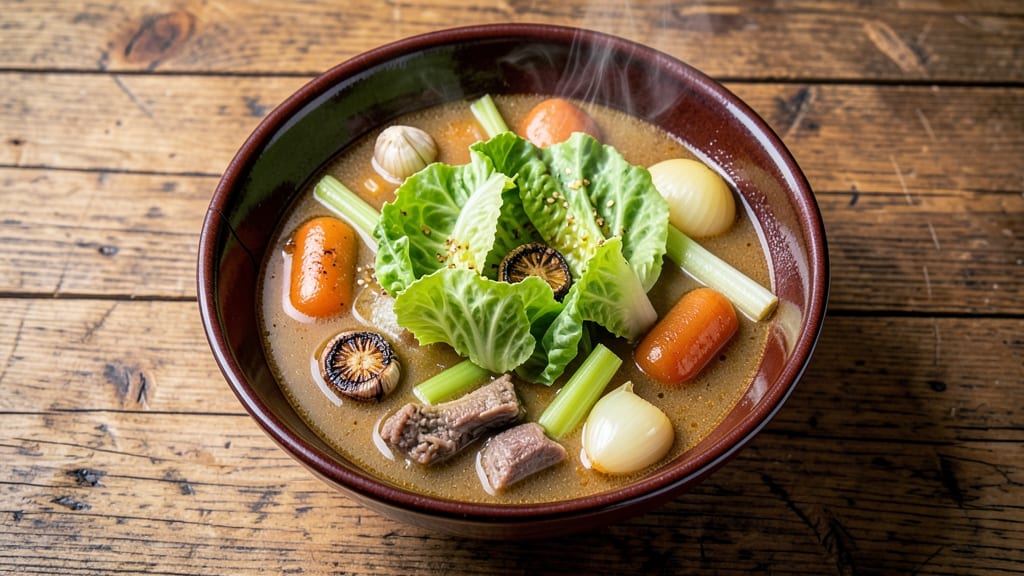
Award-winning vegetable beef soup with cabbage transforms humble ingredients into a deeply satisfying bowl of slow-simmered comfort. The secret lies in caramelizing onions and garlic until they're sweet and golden, then building layers of umami through slow cooking—where tough beef becomes fork-tender and cabbage develops satisfying bite. This isn't just soup; it's a restaurant-quality experience that wins over skeptical eaters with its rich broth and balanced flavors.
The recipe begins with a proper base: beef bones and vegetables simmered for hours to develop depth, while cabbage is added late to preserve its texture. A touch of tomato paste deepens the color and complexity, and fresh herbs at the end brighten the final bowl.
What makes this award-worthy is the harmony—meaty, vegetal, and savory notes all working together without any single element overpowering.
By the time you're ladling this into bowls, you'll have a soup that's visually stunning with its vibrant cabbage leaves floating in golden broth, and flavor-packed with every spoonful delivering layers of taste.
The aroma alone will have everyone gathering around the table, and the first bite confirms why this deserves its accolades.
Perfect for chilly evenings or meal prep, this soup reheats beautifully and tastes even better the next day. The technique is straightforward but requires patience—worth every minute for a bowl that feels like a hug. Let's get cooking.
Ingredients for award winning vegetable beef soup recipe with cabbage
Six hours of slow simmering transforms humble ingredients into restaurant-quality beef cabbage soup.
| Ingredient | Amount | Notes |
|---|---|---|
| Beef Bones 🦴 | 2 lb | Marrow bones for richness |
| Yellow Onions 🧅 | 3 large | Thinly sliced for caramelization |
| Garlic Cloves 🧄 | 6 cloves | Minced for aromatic depth |
| Green Cabbage 🥬 | 1 small | Core removed, shredded |
| Carrots 🥕 | 4 medium | Peeled, chopped into chunks |
| Celery Stalks 🌿 | 4 medium | Diced for base flavor |
| Tomato Paste 🍅 | 2 tbsp | For color and umami depth |
| Beef Broth 💧 | 6 cups | Homemade or high-quality store-bought |
| Bay Leaves 🌿 | 2 whole | For aromatic complexity |
| Thyme Sprigs 🌿 | 4 whole | Fresh preferred for brightness |
| Fresh Parsley 🌿 | ¼ cup | Chopped for garnish |
| Olive Oil 🫒 | ½ cup | Extra-virgin for richness |
| Salt 🧂 | 1 ½ tsp | Diamond Crystal preferred |
| Black Peppercorns 🌶️ | 1 tsp | Freshly cracked for heat |
| Dried Bay Leaves 🌿 | 2 whole | Substitute if fresh unavailable |
The beef bones are non-negotiable for that rich, velvety broth—marrow bones add depth most store-bought broths lack. Whole Foods or local butcher shops often carry them fresh. For the cabbage, green or purple both work, but green holds its shape better during cooking. The onions and carrots should be fresh, firm, and vibrant—wilted produce will make the broth taste flat. If you can't find marrow bones, oxtails make an excellent substitute, though they require longer simmering to tenderize.
No fresh thyme? Dried works at one-third the amount, but fresh delivers that bright, herbal punch. The tomato paste is crucial—avoid the watery canned kind—look for San Marzano if you want to splurge, or Trader Joe's brand for a budget-friendly option. For the broth, homemade is ideal, but if you're using store-bought, low-sodium versions prevent over-salting. The celery should be crisp and clean—any browning means it's past its prime. If you're prepping ahead, par-cook the vegetables before assembling the soup to save time later.
This soup tastes even better the next day as flavors meld. Store in the fridge for up to 5 days in an airtight container, or freeze for 3 months—portion into single-serving containers for easy reheating. The cabbage will soften further upon reheating, so add a splash of beef broth when warming to maintain texture. For meal prep, double the recipe—it reheats beautifully and makes an impressive lunch for the week. The herbs should be added right before serving to preserve their freshness.
Why You'll Love This Recipe
- One-Pot Magic: I swear by this recipe—just toss everything into one pot with beef bones, and let it simmer. The bones melt into rich broth while I chop the onions and carrots in the same space, no extra pans needed.
- Umami Bomb: That first spoonful of broth? Pure flavor gold. The beef bones release deep, savory notes that marry perfectly with caramelized onions and garlic, while the cabbage adds a satisfying crunch that disappears into creamy goodness.
- Weeknight Workhorse: This soup is my go-to for busy nights, potlucks, or when company drops by unexpectedly. It’s hearty enough for a cold evening but light enough for a summer picnic—just adjust the cabbage thickness based on the weather.
- Budget-Friendly Feast: Beef bones stretch this recipe into three solid meals, and the veggies bulk it up without breaking the bank. Honestly, it’s the kind of dish that makes me feel like I’m feeding a crowd without stressing my wallet.
Step-by-step instructions for award-winning vegetable beef cabbage soup
Master this slow-simmered technique for restaurant-quality depth and texture in every bite.
🔥 Step 1: Roast the Beef Bones for Maximum Flavor
Preheat your oven to 425°F and place the 2 lb beef bones on a baking sheet. Roast for 30-40 minutes until they develop a deep golden-brown crust and smell intensely aromatic. This step extracts rich marrow and creates a flavorful base for your soup.
Turn the bones occasionally to ensure even browning. The crust should be dark enough to resemble charred wood chips—this is where the umami magic happens. Remove the bones from the oven and let them cool slightly before transferring to a large Dutch oven or heavy pot.
🍳 Step 2: Build the Aromatic Vegetable Base
In the same Dutch oven, heat 0.5 cup olive oil over medium heat. Add the 3 large yellow onions (thinly sliced) and cook for 10-12 minutes until deeply caramelized and golden. This transformation takes patience—don't rush it. The onions should be soft and sweet-smelling, with visible color changes from pale to rich amber.
Add the 4 medium celery stalks (diced) and 4 medium carrots (chopped into chunks), cooking for another 5 minutes until they soften slightly. Stir in the 6 cloves garlic cloves (minced) and cook for 30 seconds until fragrant. This aromatic trio forms the flavor foundation of your soup.
🥘 Step 3: Develop Depth with Tomato Paste and Herbs
Stir in the 2 tbsp tomato paste and cook for 1-2 minutes until it loses its raw taste and blends smoothly with the vegetables. This step adds color and umami that will carry through the entire soup. Add the 2 whole bay leaves, 4 whole thyme sprigs, and 2 whole dried bay leaves, stirring to coat everything with their aromatic oils.
Pour in the 6 cups beef broth and scrape up any browned bits from the bottom of the pot. These flavorful bits, called fond, contain concentrated taste that will infuse your soup. Bring the mixture to a gentle simmer, then add the roasted beef bones. The broth should cover the bones by about 1 inch—add water if needed to reach this level.
⏰ Step 4: Slow-Simmer for Tender Vegetables and Rich Broth
Cover the pot and simmer gently for 1.5 hours on low heat. The broth should bubble softly—never a rolling boil. This slow cooking extracts collagen from the bones, creating a naturally thickened, velvety broth while tenderizing all the vegetables. Check occasionally and add water if the broth reduces too much.
After 1.5 hours, remove the bones and strain the broth through a fine-mesh sieve into a clean pot. Discard the bones and vegetables from the first batch. Return the strained broth to the pot and bring it back to a gentle simmer. This step ensures your final soup is smooth and free of any tough vegetable pieces.
👨🍳 Step 5: Finish with Cabbage and Seasoning
Add the 1 small green cabbage (core removed and shredded) to the simmering broth. Cook for 15-20 minutes until the cabbage is tender but still holds its shape—you want those satisfying hearty bites. Season with 1.5 tsp salt and 1 tsp freshly cracked black peppercorns, adjusting to taste.
Remove the pot from heat and stir in the 0.25 cup fresh parsley (chopped). The parsley adds freshness that brightens the rich, savory flavors. Let the soup rest for 10 minutes before serving to allow the flavors to meld completely. The cabbage should be vibrant green and tender, while the broth remains rich and velvety.
Pro Tips For Making Award Winning Vegetable Beef Soup Recipe With Cabbage
- BLANCH CABBAGE FIRST: I used to toss whole cabbage wedges into the pot raw, thinking they’d soften eventually. Wrong. Blanch the outer leaves in boiling water for 30 seconds first—they’ll stay crisp and vibrant instead of turning into mush. (Yes, even the toughest ones.)
- CHAR THE ONIONS DEEP: Don’t just sweat those onions—get them downright dark, almost caramelized, before adding garlic. I learned this the hard way when my soup tasted flat. Use medium-high heat and stir like you’re performing a magic trick: 8-10 minutes until they’re sticky and smell like a French bistro.
- SKIP THE BONE RINSE: That quick rinse of beef bones to remove blood? It leaches flavor right out of your broth. Save the rinse for when you’re making a delicate consommé, but for this rich soup, embrace the depth—just pat them dry with paper towels to avoid grease splatter.
- SIMMER LOW AND LATE: After the initial boil, drop the heat to a whisper—just above a gentle bubble. I used to keep it rolling, and my cabbage turned to sludge. A steady 160°F (71°C) for the last hour ensures tender beef and crisp-tender veggies without falling apart. (Your thermometer’s your best friend here.)
Perfect pairings for this award winning vegetable beef soup recipe with cabbage
Crusty Bread Pairing
Nothing complements this rich soup like a warm, crusty loaf of sourdough or baguette. The crisp exterior contrasts beautifully with the velvety broth, while the soft interior soaks up every last drop.
I love using a freshly baked baguette from my local bakery—Breads Bakery—which has just the right amount of chew. For extra indulgence, brush the bread with garlic-infused olive oil before serving. 🥖
Sharp Cheese Accents
A sprinkle of aged cheddar or Pecorino Romano adds a salty, tangy contrast that elevates the soup. I like grating 1-2 tablespoons over each bowl just before serving—it melts slightly into the warm broth while adding a satisfying crunch.
For a vegetarian twist, try nutritional yeast for a cheesy, umami boost without dairy. 🧀
Acidic Brighteners
A squeeze of fresh lemon juice or a dollop of sour cream cuts through the richness, balancing the deep flavors. I add 1 teaspoon of lemon juice per bowl right before serving, or top with a small spoonful of sour cream for a creamy contrast.
For a tangy crunch, toss pickled red onions into the soup during the final 5 minutes of cooking. 🍋
Herb Garnishes
Fresh herbs like dill or chives add a bright, aromatic finish. I always stir in 2 tablespoons of chopped dill or 1 tablespoon of chives at the end, as their freshness contrasts perfectly with the hearty cabbage and beef.
For a pop of color, add edible flowers like nasturtiums—they’re beautiful and mildly peppery. 🌿
Spicy Kick Options
If you love heat, a dash of hot sauce or red pepper flakes adds a fiery contrast. I keep a small bowl of chipotle-honey sauce on the table for guests to drizzle as they like.
For a smoky twist, sprinkle smoked paprika over the soup before serving—just ½ teaspoon per bowl is enough to enhance the depth. 🌶️
Beer or Wine Pairings
A crisp lager like Peroni or Heineken cleanses the palate between bites, while a dry Riesling complements the soup’s acidity and richness. For red wine lovers, a Pinot Noir offers enough body to stand up to the beef without overpowering the cabbage.
I always suggest serving with a light beer for casual meals or a wine for a more refined dining experience. 🍷
Nutrition facts
Frequently asked questions
Can I substitute beef bones with another type of beef for this recipe?
Yes! While beef bones create the richest broth, you can use chuck roast or short ribs instead. Cut the meat into 1-inch cubes and simmer for 2.5 hours instead of 1.5 hours to ensure tenderness. The broth will be slightly less velvety but still deeply flavorful. For extra richness, add 1 cup beef broth to compensate for lost marrow flavor.
How do I make this soup vegetarian?
Replace the beef bones with mushrooms (8 oz cremini) and 1 tbsp soy sauce for umami depth. Use vegetable broth instead of beef broth and add 1 tsp smoked paprika to mimic the meaty flavor. The cabbage and carrots will still provide hearty texture, while the mushrooms add earthy richness. Simmer for 1 hour total to develop flavors.
Why does my cabbage turn mushy in soup?
Overcooking is the most common issue—cabbage should cook for only 15-20 minutes after adding to hot broth. For firmer texture, add cabbage in the last 10 minutes of simmering. Also, avoid cutting cabbage too small—1-inch shreds hold up better. If using purple cabbage, it may soften faster due to its thinner leaves.
Can I make this soup in an Instant Pot?
Sauté the onions, celery, carrots, and garlic as directed. Add all ingredients except cabbage, then cook on High Pressure for 45 minutes. Quick-release the pressure, add cabbage, and cook on Sauté for 5 minutes. The Instant Pot cuts cooking time by half while keeping flavors concentrated. For extra richness, add 1 cup beef broth after pressure cooking.
What's the best way to reheat leftovers?
Reheat gently on the stovetop over low heat with a splash of beef broth to prevent drying. Avoid microwaving—it can make the cabbage rubbery. For best results, reheat only until steaming (5-7 minutes), then let it rest 5 minutes before serving. If the soup seems too thick after reheating, thin with additional broth or water.