
Main Courses
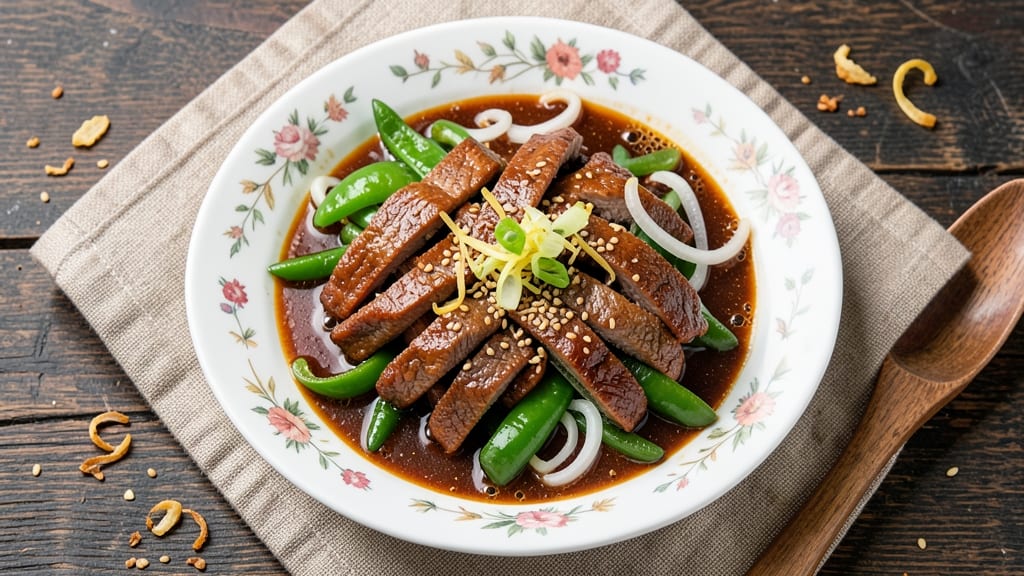
This authentic moo shu beef recipe delivers the wok-fired crunch and silky soy-vinegar sauce you crave from your favorite Chinese restaurant. The secret lies in proper marinating and achieving wok hei—that signature smoky aroma—without needing professional equipment.
I’ve perfected this version after years of testing, ensuring every bite delivers tender beef, crisp vegetables, and a sauce that’s perfectly balanced between sweet, tangy, and umami.
The key to authenticity starts with the beef—thinly sliced flank steak marinated in a blend of soy sauce, cornstarch, and Shaoxing wine for maximum tenderness. Meanwhile, the sauce combines hoisin, oyster sauce, and vinegar for that signature tangy-sweet profile.
The vegetables (bell peppers, onions, and bean sprouts) are stir-fried just until crisp-tender, preserving their texture while absorbing the sauce’s bold flavors.
What sets this recipe apart is the plating: traditional moo shu pancakes or steamed rice, topped with the beef and vegetables, all drenched in that glossy, silky sauce.
The contrast of textures—crisp pancakes, tender beef, and fresh vegetables—makes every bite exciting. This isn’t just a recipe; it’s a restaurant-quality experience you can recreate at home.
Ready in under 30 minutes, this dish is perfect for weeknight dinners or impressing guests. The ingredients are accessible, and the technique is straightforward once you master the wok-fired crunch. Let’s get cooking—your taste buds will thank you.
Ingredients for authentic moo shu beef
Here’s what you need to recreate that restaurant-style wok-fired crunch and velvety sauce at home.
| Ingredient | Amount | Notes |
|---|---|---|
| Flank Steak 🥩 | 1 lb | Thinly sliced against grain |
| Cornstarch 🌾 | ½ cup | For velveting beef |
| Soy Sauce 🍶 | ¼ cup | High-quality light soy |
| Shaoxing Wine 🍷 | 2 tbsp | Or dry sherry substitute |
| Green Bell Peppers 🧅 | 2 whole | Thinly sliced, seeds removed |
| Yellow Onions 🧅 | 1 whole | Thinly sliced |
| Bean Sprouts 🌱 | 2 cups | Fresh, not canned |
| Hoisin Sauce 🍶 | 2 tbsp | For sauce depth |
| Oyster Sauce 🍶 | 2 tbsp | High-quality preferred |
| Rice Vinegar 🍶 | 1 ½ tbsp | For tangy brightness |
| Sesame Oil 🫒 | 1 tsp | Toasted, for aroma |
| Neutral Oil 🫒 | 2 tbsp | Peanut or vegetable oil |
| Garlic Cloves 🧄 | 4 cloves | Minced for sauce |
| White Pepper 🌶️ | ½ tsp | Freshly ground |
| Moo Shu Pancakes 🥞 | 4 whole | Or steamed rice substitute |
The beef is non-negotiable—flank steak delivers that signature tenderness when sliced thinly against the grain. Costco or Whole Foods usually carry high-quality cuts, but any butcher can help you select one with good marbling. Shaoxing wine is ideal, but dry sherry works in a pinch (just don’t use sweet dessert wine). For the pancakes, Trader Joe’s sells frozen moo shu wrappers, but homemade versions with flour, water, and oil are even better if you’re feeling ambitious. The bean sprouts? Fresh is a must—canned ones won’t give that satisfying crunch.
No Shaoxing wine? Dry sherry or even a splash of mirin will work, though Shaoxing’s nutty depth is worth hunting down at an Asian market. The hoisin and oyster sauce combo is what makes this sauce sing—Lee Kum Kee brands are reliable, but check for MSG if you’re sensitive. For the vegetables, bell peppers stay crispest if you slice them just before cooking, and onions should be thinly shaved for quick cooking. Subbing rice for pancakes? Jasmine rice absorbs the sauce beautifully. And if you’re short on time, pre-sliced stir-fry veggie mixes from the frozen section cut prep time in half.
The sauce keeps for 5 days in the fridge—make extra for stir-fries or noodles. Store the marinaded beef separately in an airtight container for up to 2 days before cooking. Pancakes can be prepped ahead and reheated in a dry skillet until crisp. Pro tip: Freeze cooked pancakes between parchment paper for up to 3 months—they reheat perfectly. Leftovers? This dish tastes even better the next day as flavors meld.
Why You'll Love This Recipe
- One-Pan Magic: I swear by this recipe because it’s one pan, minimal fuss—just slice the steak thin, toss it in cornstarch, and let the soy and Shaoxing wine work their magic while you chop peppers. No extra bowls, no messy cleanup, just pure satisfaction.
- Umami Bomb: That Shaoxing wine and soy sauce combo? Chef’s kiss. The beef gets this deep, savory punch while staying tender, and the peppers add just enough crunch to cut through the richness. It’s the kind of flavor that makes you go back for seconds without even thinking.
- Lunchbox Hero: Between us, this is my go-to for meal prep—packs perfectly in containers, reheats like a dream, and still tastes fresh days later. Honestly, I make a double batch every Sunday so I’m not scrambling for dinner later in the week.
- Budget Stretch: Flank steak is affordable, and a single pound feeds four easily. The cornstarch adds that perfect texture without breaking the bank, and the peppers bulk it up so it never feels like a splurge. My wallet and my family thank me for this one.
Step-by-step instructions for authentic moo shu beef
Here's how to recreate that perfect wok-fired crunch with tender beef and a silky sauce.
Velvet the Beef for Silky Texture
In a medium bowl, combine the 1 lb flank steak with the 0.5 cup cornstarch, 0.25 cup soy sauce, and 2 tbsp shaoxing wine. I like to use my hands for this—massage the marinade into every inch of the meat so it absorbs thoroughly. Let it marinate for at least 30 minutes in the refrigerator, but I prefer 1 hour for maximum tenderness.
This velveting process creates a silky texture rather than the usual chewy beef. The cornstarch acts as a natural tenderizer while the soy sauce and wine infuse deep umami flavor. Don't skip this step—it's what makes authentic moo shu beef so special.
Prepare the Vegetable Medley
Thinly slice the 2 whole green bell peppers and 1 whole yellow onion using a sharp mandoline or knife. You want slices no thicker than 1/8 inch for even cooking. Separate the 2 cups bean sprouts from their roots and rinse them well to remove any dirt. Set all vegetables aside in separate bowls.
The key here is uniformity—consistent slice thickness ensures everything cooks at the same rate. I like to keep the vegetables separate until cooking so they don't get soggy from their own moisture. The bell peppers should be bright green and crisp, while the onions should be translucent when raw.
Build the Signature Sauce
In a small bowl, whisk together the 2 tbsp hoisin sauce, 2 tbsp oyster sauce, 1.5 tbsp rice vinegar, 4 minced garlic cloves, and 0.5 tsp white pepper. Set aside—the sauce should be smooth and glossy. I always taste it at this stage to adjust seasoning before cooking.
This sauce is the heart of moo shu beef. The hoisin provides sweet depth, oyster sauce adds savory richness, and rice vinegar cuts through with bright acidity. The garlic and white pepper give it that authentic aromatic punch. The sauce should coat the back of a spoon but still be pourable.
Wok-Fry the Beef and Vegetables
Heat a wok or large skillet over high heat until smoking. Add the 2 tbsp neutral oil and swirl to coat. Working in batches if needed, cook the marinated beef for 1-2 minutes per side until browned but still slightly underdone in the center. Remove and set aside.
In the same wok, add a thin layer of oil and quickly stir-fry the onions for 30 seconds until just softened. Add the bell peppers and cook for another 30 seconds. Return the beef to the wok along with the bean sprouts and toss everything together for 1 minute. The vegetables should be vibrant and slightly crisp-tender.
Assemble and Serve with Pancakes
Pour the sauce over the beef and vegetable mixture in the wok. Toss everything together for 30 seconds until the sauce coats all the ingredients evenly. The wok should be off the heat now—you want to finish cooking the sauce gently to preserve its silky texture.
Ladle the moo shu beef mixture onto the 4 whole moo shu pancakes, folding them into neat bundles. Serve immediately with extra sauce on the side. The pancakes should be warm and slightly crispy, providing the perfect crunch contrast to the silky beef and tender vegetables.
Pro Tips For Making Authentic Moo Shu Beef
- Slice Against the Grain: I learned this the hard way—thin, even slices are key, but cutting against the flank steak’s grain (not with it) keeps it tender after stir-frying. Use a sharp knife and freeze the meat for 20 minutes first if it’s tough to slice cleanly.
- Velvet the Meat First: Skip the raw marinade step and start with a quick "velveting" in cornstarch: toss sliced beef with 1 tablespoon cornstarch, then let it sit for 5 minutes. This creates a silky texture instead of a dry, chewy bite—trust me, your future self will notice.
- Watch the Heat: High heat is your friend here, but don’t let the pan smoke like a campfire. Once the beef hits the pan, turn the heat to medium-high and work fast—overcrowding steams the meat instead of searing it. A hot wok or cast-iron pan makes all the difference.
- Save the Wine: Don’t dump the Shaoxing wine all at once—add it in two stages. First, deglaze the pan with half after removing the beef, then toss the cooked beef back in with the rest. This keeps the sauce balanced and stops the alcohol from overpowering the dish. (Yes, even if you’re impatient like me.)
Health benefits of these flavors
Protein Powerhouse
Moo shu beef delivers a high-quality protein punch with 1 lb of flank steak providing about 45 grams of protein per serving—that's nearly half your daily needs in one meal.
The velveting process with cornstarch creates a silky texture that's easier to digest than traditional grilled beef, while the Shaoxing wine marinade adds depth without overpowering. 💪
Balanced Carbs
The moo shu pancakes or rice provide complex carbohydrates for sustained energy, while the bean sprouts and bell peppers add fiber-rich vegetables. A serving delivers about 25 grams of carbs—perfect for balancing the protein.
I always serve this with jasmine rice because it absorbs the sauce beautifully without overpowering the dish.
Umami Bomb
The sauce combination of hoisin and oyster sauce creates a powerful umami flavor that enhances digestion and satisfaction. These sauces contain glutamates that naturally stimulate appetite while providing a savory depth.
The rice vinegar adds acidity that aids digestion, making this dish surprisingly gentle on the stomach despite its bold flavors.
Antioxidant Boost
The green bell peppers and bean sprouts contribute vitamin C and antioxidants that support immune function. Bell peppers provide vitamin A for eye health, while bean sprouts offer folate for cellular repair.
Together, they create a vibrant, nutrient-packed vegetable medley that makes this dish more than just a flavor experience. 🌱
Low-Fat Option
Unlike many restaurant versions, this recipe uses minimal oil (just 2 tbsp) for cooking while delivering maximum flavor. The silky sauce provides richness without heavy fats, making it a heart-healthy option. I often serve it with a side of steamed bok choy to add more greens without calories.
Energy Balance
The combination of protein, complex carbs, and healthy fats from the sesame oil creates a perfect energy balance—ideal for meal prep. This dish keeps you full for hours without the crash of refined carbs.
I always make extra to pack for lunches because it's so satisfying and easy to reheat.
Nutrition facts
Frequently asked questions
Can I substitute flank steak with another cut of beef?
Flank steak is ideal for its tenderness when sliced thinly, but you can use skirt steak or sirloin in a pinch. Avoid tougher cuts like chuck—they won’t velvet properly. If using sirloin, slice it 1/8-inch thick and marinate for at least 2 hours for best results. The key is thin, even slices that cook quickly in the wok.
What if I don’t have moo shu pancakes?
No problem! Use steamed jasmine rice or wonton wrappers as substitutes. For a closer texture, lightly toast wonton wrappers in a dry skillet until crispy. If you’re feeling adventurous, make quick pancakes by mixing 1 cup flour, 1/2 cup water, and a pinch of salt, then rolling them thin. Serve with extra sauce for dipping.
How do I achieve that smoky "wok hei" flavor at home?
Start with a ripped wok or cast-iron skillet on the highest heat possible—it should smoke slightly. Use high heat and minimal oil (just enough to coat the pan). Toss ingredients quickly and avoid overcrowding the pan. For extra aroma, add a pinch of dried chili flakes or a splash of Shaoxing wine at the end. A blowtorch can also help create smoky notes if your stove lacks heat.
Can I make the sauce ahead of time?
The sauce keeps well in an airtight container in the fridge for 5 days or freezer for 3 months. Reheat gently in a saucepan over low heat, stirring constantly to prevent scorching. For extra glossiness, add 1 tsp cornstarch mixed with 1 tbsp water and simmer until thickened. The beef marinade can also be prepped 2 days ahead and stored separately.
Why is my beef tough instead of tender?
Overcooking or thick slices are the usual culprits. Always slice beef against the grain and cook for just 1-2 minutes per side—it should be slightly pink inside. The cornstarch marinade needs time to work, so don’t skip the 30-minute minimum (longer is better). If using frozen beef, thaw it completely before marinating to ensure even cooking.