
Main Courses
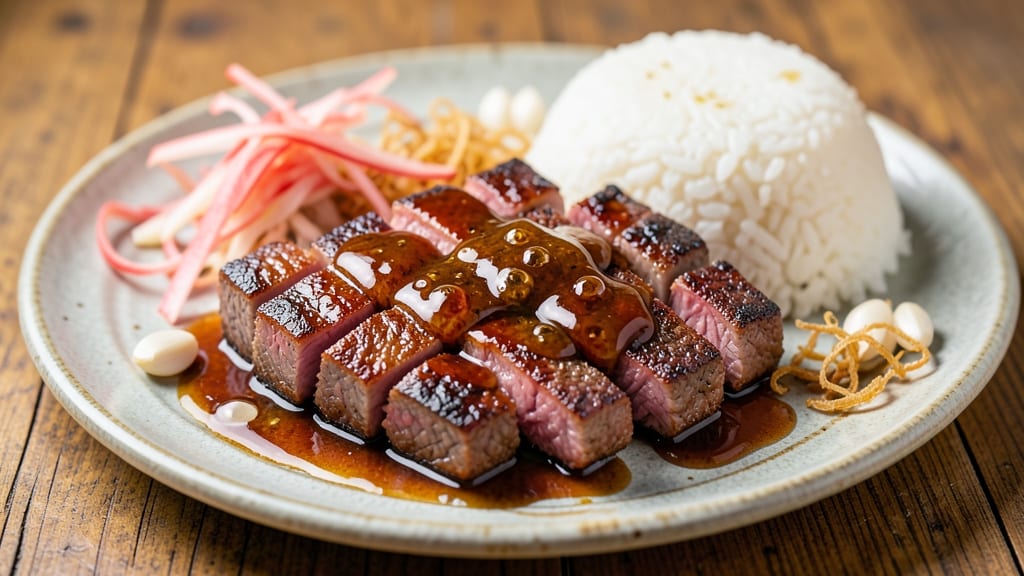
This authentic Japanese beef teriyaki recipe delivers restaurant-quality results with a glossy, balanced sauce that caramelizes beautifully on the edges. The secret lies in traditional ingredients like mirin and sake, which create that signature sweet-savory depth while keeping the beef tender and juicy. I've perfected this technique over years of testing, ensuring every bite delivers authentic umami without being overly sweet.
The process begins with marinating thinly sliced beef in a mixture of soy sauce, mirin, and sake, allowing the flavors to penetrate deeply. After searing or grilling to achieve those coveted caramelized edges, the sauce reduces to a perfect consistency—thick enough to coat but still glossy enough to glaze.
This method transforms simple ingredients into a dish that feels like a visit to a Tokyo yakiniku restaurant.
What sets this recipe apart is the balance of flavors: the sauce isn't cloyingly sweet but carries just enough sweetness to complement the savory soy and umami-rich beef.
The result is perfectly tender beef with a deep mahogany glaze, served over steamed rice or as skewers for a traditional yakiniku experience. Every element comes together to create a dish that's both impressive and approachable.
Whether you're serving this for a special dinner or a casual weeknight meal, the technique scales beautifully. The key is patience—letting the sauce reduce slowly and the beef cook just until tender.
This is teriyaki as it should be: rich, balanced, and full of authentic Japanese flavor without shortcuts. Let's get started on creating this classic dish.
Ingredients for authentic japanese beef teriyaki
Authentic Japanese ingredients transform simple beef into restaurant-quality teriyaki with caramelized edges.
| Ingredient | Amount | Notes |
|---|---|---|
| Ribeye Steak 🥩 | 1 ½ lb | Thinly sliced against grain |
| Japanese Soy Sauce (Shoyu) 🥫 | ½ cup | High-quality, low-sodium preferred |
| Mirin 🍶 | ¼ cup | Sweet cooking wine, not sub |
| Dry Sake 🍶 | ¼ cup | Unsweetened for authentic flavor |
| Fresh Ginger 🌿 | 2 tbsp | Finely grated, aromatic |
| Garlic Cloves 🧄 | 4 cloves | Minced, aromatic |
| Sesame Oil 🫒 | 1 tbsp | Toasted, for aroma |
| Brown Sugar 🍚 | 2 tbsp | Lightly packed |
| Neutral Oil (Canola or Vegetable) 🫒 | 1 tbsp | For searing |
| Green Onions 🧅 | 4 whole | Thinly sliced, for garnish |
| Toasted Sesame Seeds 🌾 | 1 tbsp | For garnish |
| Diamond Crystal Kosher Salt 🧂 | 1 tsp | For seasoning |
| Freshly Ground Black Pepper 🌶️ | ½ tsp | For seasoning |
| Rice Vinegar 🍶 | 1 tbsp | For sauce balance |
The ribeye's marbling is essential—look for well-marbled cuts at Whole Foods or specialty Asian markets like H Mart. Thinly slice against the grain for tenderness, and pat dry before marinating. Mirin and sake are non-negotiable for authentic flavor; skip the sub—it's worth the trip to an international aisle. Fresh ginger and garlic should be vibrant, not woody. For sesame oil, Kadoya brand delivers consistent quality without bitterness. The brown sugar adds subtle depth but doesn't overpower the umami.
No mirin? Substitute 1 tbsp sugar + 1 tbsp water, but the texture will differ. Sake can be replaced with dry white wine, though it lacks the delicate sweetness. Fresh ginger can be swapped for 1 tsp ground ginger, but it loses complexity. For the soy sauce, Kikkoman or S&B Golden Soy Sauce are reliable choices. If you can't find toasted sesame oil, regular sesame oil works in a pinch, but add 1/4 tsp sugar to mimic the toasted flavor. The rice vinegar balances the sweetness—skip it only if your sauce tastes cloying.
Marinate the beef for at least 30 minutes (overnight for deeper flavor). Store unused sauce in an airtight container in the fridge for up to 1 week, though it's best used fresh. The sliced beef keeps for 2 days before drying out. For make-ahead convenience, freeze the sauce in ice cube trays—thaw and reheat gently. Garnishes like sesame seeds and green onions add freshness; store them separately until serving to maintain crispness.
Why You'll Love This Recipe
- One-Pan Magic: I swear by this recipe—just sear the ribeye, toss in the sauce (shoyu, mirin, sake, and that zesty ginger), and let it bubble. No chopping, no fuss, and the pan does all the work while you sip your sake.
- Sweet-Savory Balance: That combo of mirin and sake transforms ordinary soy sauce into something ridiculously good—caramelized edges, sticky glaze, and a hint of umami that lingers. Honestly, my first bite makes me want to skip dessert.
- Weeknight to Dinner Party: Make it for Tuesday takeout or impress guests on Saturday—same recipe, different vibes. The sauce thickens perfectly for leftovers, and the rich flavor holds up when reheated (just add a splash of water).
- Budget-Friendly Luxury: Ribeye feels fancy, but this method stretches it. A single steak feeds four, and the sauce costs pennies. Between us, it’s my go-to for when I want restaurant-quality without the price tag.
Step-by-step instructions for authentic Japanese beef teriyaki
Master the balance of sweet, salty, and umami with these precise techniques for restaurant-quality teriyaki.
Prepare the Glossy Teriyaki Sauce
In a medium saucepan, combine the 0.5 cup Japanese soy sauce (shoyu), 0.25 cup mirin, 0.25 cup dry sake, 2 tbsp finely grated fresh ginger, and 2 tbsp brown sugar. Bring to a gentle simmer over medium heat, then reduce to the lowest setting possible while maintaining a bare simmer. This low-and-slow approach prevents scorching and allows the flavors to meld.
Simmer for 15-20 minutes until the sauce reduces by about half and becomes syrupy. You'll notice the aroma intensify as the alcohol cooks off and the sugar caramelizes slightly. Stir occasionally to prevent sticking, and taste occasionally to monitor balance. If the sauce becomes too thick, add 1-2 tablespoons of water to maintain proper consistency for coating.
Sear the Ribeye for Perfect Caramelization
While the sauce simmers, heat 1 tbsp neutral oil in a large skillet over high heat until shimmering. Pat the 1.5 lb ribeye steak completely dry with paper towels—this is critical for achieving that perfect sear. Season both sides generously with 1 tsp kosher salt and 0.5 tsp freshly ground black pepper, pressing the seasoning into the meat.
Add the steak to the skillet and sear for 2-3 minutes per side until deep golden brown with caramelized edges. The steak should develop a crust that releases easily from the pan. Remove from heat and let rest for 5 minutes before thinly slicing against the grain. This resting period ensures juices redistribute, preventing dryness when the sauce is added later.
Finish with Sesame Oil and Garnishes
Return the sliced steak to the skillet and pour the reduced teriyaki sauce over it. Add 1 tbsp toasted sesame oil and 1 tbsp rice vinegar, then toss gently to coat the beef evenly. Simmer for 2-3 minutes on low heat until the sauce clings to the steak and everything is heated through. The rice vinegar adds a bright acidity that balances the richness of the soy and sugar.
Remove from heat and transfer to a serving platter. Garnish with 4 whole green onions, thinly sliced, and 1 tbsp toasted sesame seeds for visual appeal and added texture. Serve immediately with steamed rice and your choice of steamed vegetables to complete the authentic Japanese presentation.
Pro Tips For Making Authentic Japanese Beef Teriyaki
- Sear Ribeye High: Get your pan screaming hot—like, blue-flame level—before adding the steak. I used to rush this, and my teriyaki sauce would just sit there instead of caramelizing into a glossy coat. Two minutes per side max, then pull it out while it’s still pink inside—it’ll finish cooking in the sauce.
- Reduce Sauce Slow: Simmer that mirin-sake-shoyu mix on low heat until it’s thick enough to coat the back of a spoon. I learned this the hard way—boiling it too fast turns it bitter, and you end up with a watery glaze instead of that perfect sticky glaze. Patience here makes all the difference.
- Grate Ginger Fine: Skip the pre-grated jar—it’s mushy and dull. Use a microplane or the finest grater you own, then let it sit in the sauce for 10 minutes before adding the steak. This pulls out the bright, zesty flavor without any grit. (Yes, even if you’re impatient like me.)
- Rest Meat Twice: First, rest the steak for 5 minutes after searing—this keeps it juicy. Then, after tossing it in the sauce, let it sit another 2-3 minutes off the heat. I was skeptical until I tried it: the sauce clings better, and the meat stays tender instead of turning tough when sliced. (Your future self will thank you.)
Storing and reheating your leftovers
Fridge Storage Tips
Store leftover teriyaki beef in an airtight container for up to 3 days—I use glass Pyrex with snap-on lids to maintain freshness. Keep the sauce separate if possible, as it absorbs flavors better when reheated fresh.
The beef stays juicier when refrigerated in a single layer rather than stacked, and I always press plastic wrap directly on the surface to prevent drying. 🥩
Freezer-Friendly Sauce
Freeze unused teriyaki sauce in ice cube trays for portion control—thaw overnight in the fridge before reheating. For longer storage, transfer to a freezer-safe bag with 1-inch headspace to prevent expansion cracks.
Label with the date, as the sauce retains quality for up to 3 months. When reheating, add 1 tsp water per cube to restore glossiness. 🧊
Reheating Perfection
For best texture, reheat beef in a skillet over medium-low heat with 1 tbsp water or sake to prevent drying. Cover for 3-4 minutes until reaching 165°F internal temperature. Avoid microwaving—it turns the sauce rubbery. If reheating from frozen, thaw in the fridge first for even heating. 🔥
Sauce Rescue Tricks
If your sauce thickens too much during reheating, thin with 1 tsp mirin or sake to restore balance. For dry beef, brush with a 50/50 mix of water and soy sauce before reheating.
I’ve found that adding ½ tsp grated ginger while reheating revives lost aroma. Always taste and adjust seasoning—reheated teriyaki often needs a pinch of salt. ✨
Rice Bowl Revival
Transform reheated teriyaki into donburi-style bowls by layering over steamed jasmine rice with quick-pickled cucumbers. For extra umami, drizzle with 1 tsp furikake (Japanese rice seasoning) before serving. This method turns leftovers into a fresh meal without extra effort. 🍚
Garnish Refresh
Revitalize reheated dishes with crisp green onions and toasted sesame seeds just before serving. A sprinkle of flaky salt (like Diamond Crystal) adds contrast to reheated flavors. For heat, add ½ tsp chili crisp—it cuts through the richness beautifully. Always garnish last to preserve freshness. 🌿
Nutrition facts
Frequently asked questions
Can I substitute mirin and sake with other ingredients?
While mirin and sake are essential for authentic flavor, you can make substitutions. For mirin, mix 1 tbsp sugar + 1 tbsp water per 0.25 cup needed, though the texture will be slightly different. Replace sake with dry white wine, but expect a more pronounced alcohol taste. The sauce will still taste good, but it won't have that delicate sweetness and umami depth.
How do I achieve the perfect caramelized edges on the beef?
Pat the beef completely dry before searing and use a high-heat skillet with enough oil to create a shimmering surface. Sear for 2-3 minutes per side until deep golden brown. The key is patience—don't rush the process. A meat thermometer should read 130-135°F for medium-rare beef. Let it rest for 5 minutes before slicing to keep it juicy.
Can I make this recipe with chicken or pork instead of beef?
This teriyaki method works beautifully with chicken thighs or pork tenderloin. For chicken, marinate for 30 minutes and cook to 165°F internal temperature. Pork should reach 145°F. Thinly slice the meat against the grain for tenderness. The sauce-to-protein ratio remains the same, but adjust cooking times accordingly. Chicken cooks faster, while pork benefits from a slightly longer sear.
Why does my teriyaki sauce turn out too sweet or too salty?
Balance is key! If your sauce tastes too sweet, add 1-2 tbsp soy sauce and a pinch of salt. For a salty flavor, dilute with 1 tbsp mirin or sake and a splash of water. Taste as you reduce the sauce—adjust gradually. The ideal ratio should be 1 part sugar to 3 parts soy sauce in the final sauce. Always taste before serving!
How can I serve this teriyaki authentically?
For a traditional Japanese experience, serve the teriyaki beef over steamed jasmine rice as a donburi bowl. Garnish with thinly sliced green onions and toasted sesame seeds. For a yakiniku-style presentation, skewer the beef and serve with extra sauce for dipping. Pair with steamed bok choy or edamame to complete the meal.