
Main Courses
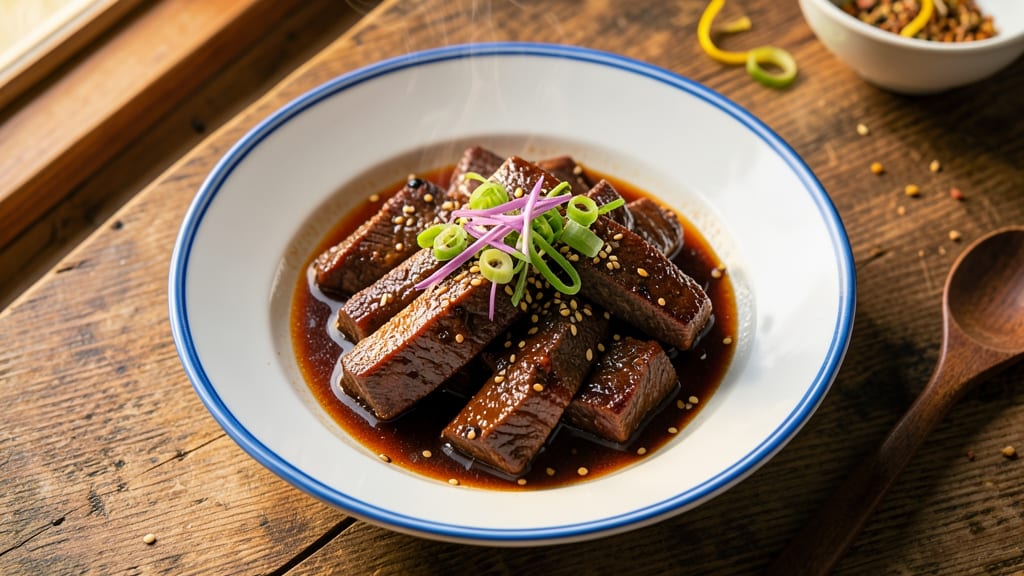
This authentic Chinese Mongolian beef recipe delivers the perfect balance of sweet, savory, and umami—just like your favorite takeout, but better. The secret lies in marinating the beef overnight and achieving that signature wok-hei (breath of the wok) through high-heat stir-frying. I've perfected this technique after years of testing, ensuring tender beef with a glossy, caramelized sauce that clings to every bite.
The process begins with a flavorful marinade of soy sauce, Shaoxing wine, and cornstarch, which tenderizes the beef and creates a sticky coating for that classic Mongolian beef texture. Stir-frying in small batches over high heat ensures the beef stays juicy while developing those beautiful caramelized edges.
Toasted sesame seeds add a nutty crunch that elevates the dish from good to restaurant-quality.
What you'll end up with is a dish that's rich, slightly sweet, and packed with umami—each bite delivers tender beef with a glossy sauce that's perfectly balanced between tangy and savory.
The aroma alone will have everyone gathering around the table, and the texture contrast between the tender beef and toasted sesame seeds makes this dish irresistible.
Serve this Mongolian beef over steamed jasmine rice or with crusty bread to soak up every last drop of that flavorful sauce. The recipe scales beautifully, making it perfect for family dinners or hosting friends. Let's get started on creating this authentic Chinese classic!
Ingredients for authentic chinese mongolian beef
Here's what you need to recreate that restaurant-quality Mongolian beef at home.
| Ingredient | Amount | Notes |
|---|---|---|
| Flank Steak 🥩 | 1 ½ lb | Thinly sliced against the grain |
| Light Soy Sauce 🍶 | ½ cup | For marinade and sauce |
| Dark Soy Sauce 🍶 | 1 tbsp | For color and depth |
| Shaoxing Wine 🍷 | ¼ cup | Adds authentic umami |
| Cornstarch 🌾 | 2 tbsp | For tenderizing and sauce |
| Brown Sugar 🍯 | 2 tbsp | Balances sweetness |
| Garlic Cloves 🧄 | 6 cloves | Minced for marinade |
| Fresh Ginger 🌿 | 1 tbsp | Grated, for aromatic kick |
| Sesame Oil 🫒 | 1 tbsp | For aroma, not cooking |
| Toasted Sesame Seeds 🥜 | 2 tbsp | For garnish and crunch |
| Neutral Oil 🫒 | 2 tbsp | Vegetable or canola oil |
| Green Onions 🧅 | 4 whole | Sliced, for garnish |
| Jasmine Rice 🍚 | 1 ½ cups | Uncooked, for serving |
The beef is everything—flank steak is ideal because it's lean but tender when sliced thin. Look for a cut with good marbling at Asian markets or the butcher counter. If you can't find Shaoxing wine, dry sherry works in a pinch. For the sesame seeds, toast them in a dry pan until golden (about 2 minutes)—that nutty aroma is non-negotiable. I always grab extra cornstarch because it's doing double duty here: tenderizing the beef and thickening the sauce. The brown sugar should be light, not dark—it dissolves better and won't overpower the dish.
No Shaoxing wine? Dry white wine or even apple juice can stand in, but you'll lose some depth. Fresh ginger is best, but ground ginger at half the amount works if you're in a hurry. The green onions can be subbed with regular onions if you're out, but the mild flavor keeps this dish bright. For the soy sauces, Kikkoman light and dark are my go-tos—they're widely available and consistent. If you're making this ahead, marinate the beef for at least 4 hours, but overnight is ideal for maximum tenderness. Pro tip: slice the beef against the grain—this makes all the difference for texture.
Marinated beef stays fresh for 1 day in the fridge, but I recommend cooking it fresh for best results. The cooked beef reheats beautifully—just warm it in a pan with a splash of water. Sesame seeds lose their crunch fast, so toast them fresh before serving. The sauce thickens as it cools, so if it's too thick when reheating, add a splash of water. This dish is even better the next day—flavors meld perfectly. Portion the rice and beef into containers so you can grab and go for lunches. The leftovers keep for 3-4 days in the fridge.
Why You'll Love This Recipe
- Foolproof Marination: I swear by the Shaoxing wine and dark soy combo—just 15 minutes of marinating transforms tough flank steak into something tender and irresistible. No fancy techniques, just slice, slather, and let it work its magic.
- Umami Bomb: That first bite? The light soy’s tang meets the caramelized dark soy crust, then the wine’s depth—it’s like a flavor explosion in your mouth. The cornstarch sear gives it that signature crispy texture without extra effort.
- Leftovers? No Problem: This dish actually improves the next day. The flavors meld even deeper, and reheating it in a skillet with a splash of water keeps it juicy. Pack it for lunches or freeze portions for when you’re too tired to cook.
- Budget Powerhouse: A single flank steak feeds four for under $15, and the pantry staples (soy sauces, wine) last for months. Honestly, it’s the kind of meal that makes me feel like I’m eating fancy without spending fancy money.
Step-by-step instructions for authentic Mongolian beef
This is how you get that signature sweet-savory glaze and tender beef every time.
Prep the Flank Steak for Maximum Tenderness
Slice the 1.5 lb flank steak thinly against the grain into ¼-inch thick strips. This is crucial—thin slices cook faster and stay tender. Place the sliced steak in a large bowl and add 2 tbsp cornstarch, tossing to coat evenly. The cornstarch helps tenderize the meat and thickens the sauce later.
In a small bowl, whisk together 0.5 cup light soy sauce, 1 tbsp dark soy sauce, 0.25 cup Shaoxing wine, 2 tbsp brown sugar, 6 minced garlic cloves, and 1 tbsp grated fresh ginger. Pour this marinade over the cornstarch-coated steak and toss gently to distribute evenly. Cover and refrigerate for at least 30 minutes—this lets the flavors penetrate deeply.
Cook the Jasmine Rice to Perfection
Rinse the 1.5 cups jasmine rice under cold water until the water runs clear. This removes excess starch that can make the rice gummy. Combine the rice with 2 cups water in a pot and bring to a boil over high heat. Once boiling, reduce heat to low, cover tightly, and simmer for 15 minutes. Let it sit covered for another 10 minutes—this steaming step ensures perfectly fluffy grains.
While the rice cooks, slice the 4 whole green onions into 2-inch pieces, separating the white and green parts. The whites will cook in the stir-fry, while the greens will be used for garnish at the end. Keep them separate until you're ready to use them.
Stir-Fry the Beef Until Caramelized
Heat a large wok or skillet over high heat until it's smoking hot. Add 2 tbsp neutral oil and swirl to coat the bottom evenly. Working in batches to avoid overcrowding, add the marinated beef and stir-fry for 1-2 minutes until the edges start to turn light golden brown. This high heat sears the meat quickly, locking in juices.
Once all the beef is cooked to your liking, remove it from the wok and set aside. The beef should be tender but still slightly pink in the center—it'll finish cooking in the sauce. Don't skip this step; overcooking makes the beef tough.
Build the Signature Sweet-Savory Sauce
Reduce the heat to medium and add the white parts of the sliced green onions to the wok. Stir-fry for 30 seconds until fragrant. Pour in the beef marinade (strain it if there are any large ginger pieces) and bring to a simmer. Let it cook for 2-3 minutes until the sauce thickens slightly and reduces by about half.
Return the beef to the wok and toss everything together. The sauce should coat the beef evenly, creating that glossy, caramelized glaze. If the sauce is too thin, let it simmer uncovered for another minute to thicken. Taste and adjust seasoning—you might need a splash more light soy sauce for balance.
Finish and Serve with Crunchy Garnishes
Drizzle 1 tbsp sesame oil over the beef and toss gently to distribute. The oil adds a nutty aroma that complements the sweet-savory flavors. Divide the jasmine rice among serving plates, top with the Mongolian beef, and garnish with the reserved green onion greens and 2 tbsp toasted sesame seeds. The seeds add a delightful crunch that contrasts beautifully with the tender beef.
Serve immediately while the beef is hot and the rice is steaming. The dish should be a perfect balance of sweet, salty, and umami with that irresistible crunch from the sesame seeds. Each bite delivers authentic Chinese restaurant flavor right in your home kitchen.
Pro Tips For Making Authentic Chinese Mongolian Beef
- Slice Against the Grain: Cut your flank steak thinly across the grain—no wider than ¼-inch slices. Thick strips chew like boot leather, and no one’s ordering Mongolian beef for a dental checkup. Use a sharp knife and keep your cuts consistent.
- Marinate with Cornstarch: Toss the sliced steak with cornstarch before adding soy sauce and Shaoxing wine. The starch clings better, creating that signature sticky crust when seared. Skip this, and you’ll end up with soggy, flavorless strips.
- High Heat, Fast Stir: Crank the wok to smoking-hot before adding oil, then work fast—don’t crowd the pan. Overloading steams the meat instead of searing it, and you’ll spend the next 10 minutes flipping lukewarm strips. Small batches guarantee a proper crust.
- Deglaze with Wine First: After searing the beef, pour in the Shaoxing wine immediately while the pan is still scorching. Let it bubble for 30 seconds before adding soy sauces—this extracts deeper flavor from the wine instead of just boiling it off. (Yes, even if you’re impatient like me.)
Wine and beer pairings for authentic chinese mongolian beef
Rice Wine Pairings
For an authentic Chinese dining experience, pair your Mongolian beef with a dry Chinese rice wine like Moutai or Shaoxing wine—the same wine used in the marinade. These wines complement the dish's sweet-savory balance with their nutty, slightly floral notes.
Serve Moutai chilled in small glasses as a digestif after the meal, while Shaoxing wine works beautifully as a sipper alongside the dish. 🍶
Light White Wines
A crisp Sauvignon Blanc or Pinot Grigio from China's Huadiao region is perfect for balancing the dish's richness. The wine's citrusy acidity cuts through the sweetness, while its mineral notes harmonize with the soy and sesame flavors.
I love a Chardonnay from Ningxia—its slight oakiness adds depth without overpowering the beef's delicate profile.
Light Beer Options
For beer lovers, a Chinese lager like Tsingtao or Snow Beer is ideal—its clean, light body won’t compete with the dish. If you prefer craft options, try a wheat beer with subtle citrus notes, like Blue Moon, to complement the ginger and garlic in the marinade.
Avoid heavy IPAs or stouts, which can overpower the dish's delicate balance.
Umami-Boosting Sips
For a bold contrast, sip on a Chinese yellow wine like Huangjiu during the meal. Its fermented, slightly funky profile enhances the dish's umami depth. I also enjoy a dry Riesling from Germany—its bright acidity and honeyed notes mirror the beef's sweet-savory glaze while keeping the palate fresh.
Nutrition facts
Frequently asked questions
Why does authentic Mongolian beef need marinating?
The overnight marinade is key for two reasons: it tenderizes the beef through the cornstarch and enzymes in the soy sauce, and it infuses the meat with deep umami flavors. The Shaoxing wine and garlic break down muscle fibers while the sugar caramelizes slightly during cooking, creating that signature glossy glaze. Skipping this step results in tougher beef and less flavorful sauce.
Can I use flank steak substitutes like sirloin?
Sirloin works but won't be as tender—it has more connective tissue that needs longer marinating (4-6 hours minimum). For best results, choose flank steak or ribeye, which have the right fat-to-lean ratio for this dish. If using sirloin, slice it ⅛-inch thick and marinate overnight. The cornstarch coating helps compensate for tougher cuts by creating a protective barrier during cooking.
How do I fix beef that's too tough?
If your beef turns out tough, it likely wasn't sliced thin enough or cooked too long. For next time, slice against the grain and cook in batches over high heat for just 1-2 minutes. To salvage tough beef, slice it thinly against the grain and serve with extra sauce or in a sandwich where the bread can help tenderize it. The sesame seeds also add texture contrast that makes each bite more enjoyable.
What's the secret to getting that glossy sauce?
The gloss comes from reducing the sauce properly and using cornstarch. After stir-frying the beef, simmer the marinade until it thickens to a light syrup consistency—this takes about 2-3 minutes on medium heat. The cornstarch in the marinade acts as a natural thickener, while the brown sugar helps create caramelization. For extra shine, finish with a quick toss of sesame oil just before serving.
Can I make this ahead of time?
Yes! The beef tastes even better the next day as flavors meld. Store cooked beef and sauce in an airtight container in the fridge for up to 3 days. Reheat gently in a pan with a splash of water to restore moisture. The rice should be cooked fresh, but you can reheat it in the microwave with a damp paper towel for 30 seconds. Toast the sesame seeds fresh before serving for maximum crunch.