
Main Courses
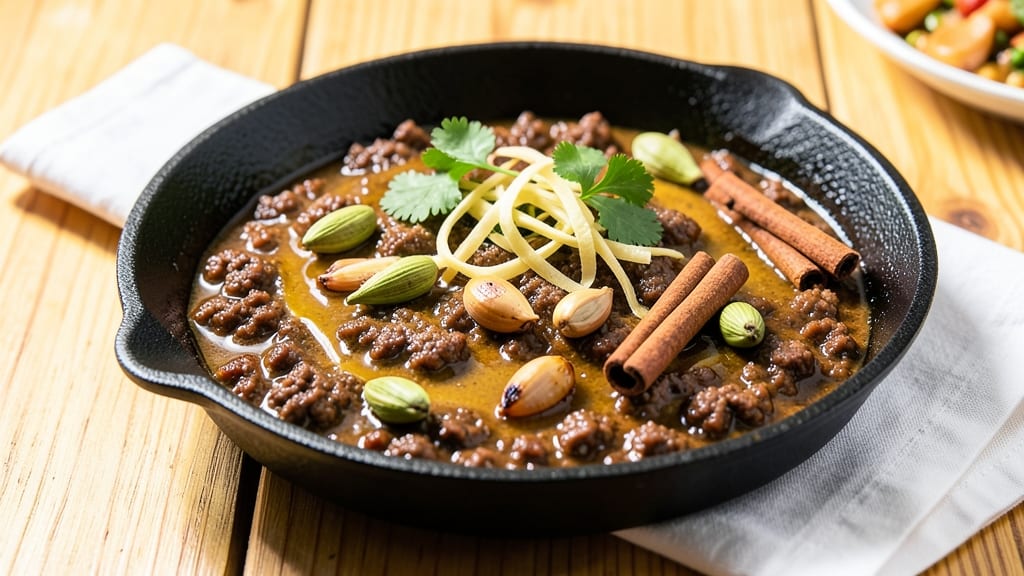
This authentic beef keema recipe brings the rich, aromatic flavors of Indian home cooking straight to your kitchen, where tender ground beef simmers in a fragrant blend of spices until it practically melts in your mouth.
The secret lies in slow-cooking the meat with whole spices that bloom into complex layers of warmth—cardamom, cinnamon, and cloves—while keeping the texture perfectly moist. I’ve perfected this recipe over years of testing, ensuring every bite delivers that restaurant-quality depth without shortcuts.
The foundation of great keema is patience—letting the spices toast gently in ghee before adding the beef transforms them from dry powders into fragrant, flavorful oils that coat every piece. Traditional techniques like tempering (tadka) with garlic and ginger add another dimension, while a touch of tamarind balances the richness.
This isn’t just a dish; it’s a flavor journey that starts with the sizzle of spices and ends with a plate of tender, spice-infused beef that pairs beautifully with naan or steamed basmati rice.
What sets this recipe apart is its authenticity—no pre-mixed spice blends or rushed cooking here. The beef becomes so tender it nearly dissolves, yet retains just enough bite to hold its shape.
The slow simmer allows the spices to meld into the meat, creating a dish that’s as comforting as it is complex. Whether you’re serving it for a family gathering or a quiet weeknight dinner, this keema will transport your taste buds straight to the streets of Delhi.
Serve it with a side of garlic naan or fluffy jeera rice to soak up every last drop of that fragrant, spiced gravy. The leftovers reheat beautifully, making it perfect for meal prep. Let’s get cooking—your kitchen is about to smell like home.
Ingredients for authentic beef keema
The heart of authentic keema: tender beef, fragrant spices, and slow-simmered richness.
| Ingredient | Amount | Notes |
|---|---|---|
| Ground Beef 🥩 | 1 ½ lb | Lean-to-medium fat ratio preferred |
| Ghee 🧈 | ½ cup | Clarified butter for authentic flavor |
| Green Cardamom Pods 🌿 | 8 whole | Lightly crushed before toasting |
| Cinnamon Sticks 🌿 | 2 whole | 2-inch pieces for proper toasting |
| Fresh Ginger 🧄 | 2 tbsp | Finely grated, organic preferred |
| Garlic Cloves 🧄 | 6 cloves | Peeled and roughly chopped |
| Onion 🧅 | 1 whole | Medium yellow, finely chopped |
| Tomato Puree 🍅 | ½ cup | San Marzano preferred for sweetness |
| Tamarind Paste 🍋 | 1 tbsp | Adjust for desired tanginess |
| Ground Cumin 🌶️ | 1 tsp | Toasted for deeper flavor |
| Ground Coriander 🌿 | 1 tsp | Freshly ground preferred |
| Turmeric Powder 🧂 | ½ tsp | Bright yellow for color |
| Red Chili Powder 🔥 | 1 tsp | Adjust for heat preference |
| Garam Masala 🌶️ | 1 tsp | Homemade if possible |
| Salt 🧂 | 1 tsp | Diamond Crystal preferred |
The beef is non-negotiable here—lean-to-medium fat gives the best texture. Costco or Whole Foods often have the best quality ground beef, but any reputable grocery store will do. Look for bright red color and avoid pre-grinding if possible—freshly ground makes a difference. The ghee? Don’t substitute butter—it burns easily and lacks that authentic depth. Gujarat brand ghee from Indian stores is ideal, but regular ghee works too. For the whole spices, spice counters at Whole Foods or Indian markets carry the freshest pods—cardamom should smell citrusy, cinnamon warm and sweet.
No tamarind paste? Lemon juice with a pinch of sugar works in a pinch, though it won’t be identical. Running low on garam masala? Mix cumin, coriander, cinnamon, and cloves for a quick substitute. Fresh ginger and garlic are musts—they’re the backbone of the flavor. Pre-minced garlic from jars lacks punch, so chop your own. The tomato puree can be fresh or canned, but San Marzano is worth the splurge for its sweetness. If you can’t find tamarind paste, Indian grocery stores sell it in tubes—it’s a game-changer for that authentic tang.
This reheats like a dream—better the next day as flavors meld. Keeps for 5 days in the fridge or 3 months frozen. I always make a double batch because it’s perfect for meal prep. Store in airtight containers with a layer of ghee on top to preserve freshness. The spices lose potency over time, so toast them fresh before each use if you’re storing leftovers long-term.
Why You'll Love This Recipe
- No-Fuss Spice Play: I swear by this recipe when I’m too tired to measure—just crack open cardamom pods, snap cinnamon sticks, and grate ginger while the beef browns. The spices release their magic in the ghee, so you’re not stuck stirring endlessly.
- Warm Spice Hug: That first bite of tender beef in rich, fragrant ghee? It’s like a hug for your taste buds. The cardamom and cinnamon mingle with ginger to create warmth that lingers—no heavy cream, no overpowering spices, just pure, balanced comfort.
- Leftover Legend: Between us, this dish tastes better the next day. The flavors meld even more, making it my go-to for meal prep. Pack it in lunchboxes or reheat for dinner—it’s the only recipe I don’t dread leftovers of.
- Budget-Friendly Powerhouse: Ground beef stretches far, and spices like cardamom and cinnamon cost pennies per use. Honestly, I make this twice a month just to prove how much flavor you can get without breaking the bank—or the grocery list.
Step-by-step instructions for authentic beef keema
Let's build this rich, aromatic dish that captures the heart of Indian home cooking.
Toast Whole Spices in Ghee
Heat the 0.5 cup Ghee in a heavy-bottomed pan over medium-low heat. Add the 8 whole green cardamom pods and 2 whole cinnamon sticks, stirring gently for 2-3 minutes until the spices release their fragrance and turn just slightly darker. This toasting step unlocks their full flavor potential.
Watch closely—the moment you see the spices begin to sizzle and smell intensely aromatic, that's your cue to add the 2 tbsp finely grated fresh ginger and 6 roughly chopped garlic cloves. Cook for another 1-2 minutes until the garlic turns golden and fragrant. This aromatic base forms the foundation of your keema's complex flavors.
Sauté Onions Until Golden Brown
Add the 1 whole medium yellow onion, chopped into even pieces, to the pan. Cook over medium heat for 8-10 minutes, stirring occasionally, until the onions turn deep golden brown. This caramelization adds sweet depth to your dish.
I like to press down gently on the onions with a wooden spoon during the last 2 minutes of cooking to help them crisp up evenly. If they start to stick, add a splash of water and scrape up any browned bits from the bottom of the pan—these contain concentrated flavor.
Cook Ground Beef Until Browned
Push the onion mixture to one side of the pan and add the 1.5 lb ground beef to the empty space. Cook over medium-high heat for 5-6 minutes, breaking up the meat with a wooden spoon until it turns uniformly brown and loses its raw appearance.
Here's where it gets important: don't overcrowd the pan. If your pan is too full, cook the meat in batches to ensure proper browning. Well-browned beef adds incredible depth of flavor to your keema. Once fully browned, stir the meat into the onion mixture and cook for another 2 minutes to combine.
Build the Spiced Sauce
Add the 0.5 cup tomato puree, 1 tbsp tamarind paste, 1 tsp ground cumin, 1 tsp ground coriander, 0.5 tsp turmeric powder, and 1 tsp red chili powder to the pan. Stir well to combine and cook over medium heat for 5-6 minutes until the mixture thickens slightly and the raw tomato flavor mellows.
This is where the magic happens. The tamarind adds that signature tangy note that balances the richness, while the spices meld together into a cohesive aromatic blend. Stir frequently to prevent sticking and let the flavors develop fully.
Finish with Garam Masala and Simmer
Reduce the heat to low and add the 1 tsp garam masala and 1 tsp salt. Stir gently for 1 minute to warm through the garam masala. Then add ½ cup water (if using) and simmer uncovered for 10-12 minutes until the sauce thickens to your desired consistency.
The keema is ready when the meat is tender and the sauce has reduced to a thick, glossy coating. Taste and adjust seasoning if needed—you might want to add a pinch more salt or chili powder to suit your preference. Serve immediately with steamed basmati rice or warm naan bread for the ultimate experience.
Pro Tips For Making Authentic Beef Keema
- Brown the Meat Properly: Don’t rush this—break the beef into small chunks first, then sear on medium-high heat until it’s deeply browned, not just pink. I used to skip this, and my keema always tasted flat; now it’s rich and aromatic from the caramelized crust.
- Crush Whole Spices Lightly: Crack cardamom pods and cinnamon sticks with the side of your knife before adding them to the ghee—just enough to release flavor, not turn them into powder. After burning three batches of bitter spices, I learned this is the sweet spot.
- Simmer Low and Slow: Once the meat is cooked, drop the heat to low and let it simmer uncovered for 15-20 minutes. This lets excess liquid evaporate, concentrating the flavors—rushing it makes the dish watery and bland.
- Grate the Ginger Fine: Use a microplane or fine grater for the ginger—no chunky bits. My grandmother swore by this, and she was right: it dissolves smoothly into the ghee, adding depth without texture issues. (Yes, even if you’re impatient like me.)
Essential equipment for authentic beef keema
Heavy-Bottomed Pot
Your essential tool for this recipe is a heavy-bottomed pot—I recommend a 5-6 quart Dutch oven like the Lodge Cast Iron Dutch Oven. This distributes heat evenly and prevents burning, especially when toasting whole spices.
The cast iron retains heat beautifully, which is crucial for that slow simmer that makes keema so tender. If you don’t have cast iron, a stainless steel pot with thick walls works too. 🔥
Wooden Spoon
A long-handled wooden spoon is a must for stirring and scraping up those flavorful browned bits from the bottom of the pan. I use a 12-inch maple spoon because it’s sturdy and won’t warp from high heat.
Wood helps prevent the spices from sticking while adding a natural, non-reactive surface. Avoid metal spoons—they can scratch non-stick coatings or react with acidic ingredients like tamarind.
Fine-Mesh Strainer
For straining the cooked keema if you prefer a smoother sauce, a fine-mesh strainer (like the OXO Good Grips) works best. It removes any large spice pieces while keeping the flavorful oils intact. I sometimes strain mine after simmering to serve it extra smooth, especially for picky eaters.
If you don’t have one, a cheesecloth or even a clean kitchen towel in a pinch can work, but it’ll take longer.
Spice Grinder
While whole spices are traditional, a small spice grinder (like the KitchenAid Spice Grinder) comes in handy for grinding cardamom or cinnamon into powder if you prefer a smoother texture. I keep mine on hand for quick adjustments—just grind a few pods fresh for that extra aromatic punch.
If you’re using pre-ground spices, make sure they’re freshly toasted in a dry pan for 30 seconds before adding to the ghee to wake up their flavors.
Measuring Spoons
Precision matters with spices in keema. Invest in a set of stainless steel measuring spoons (like OXO’s Good Grips) for accurate measurements of your cumin, coriander, turmeric, and garam masala.
A ½ teaspoon too much chili powder can turn your dish into a firecracker, while too little salt ruins the balance. I keep my spoons near the stove for easy access during cooking. 💡
Instant-Read Thermometer
While not always necessary, an instant-read thermometer (like the Thermoworks ThermoPop) helps ensure your keema reaches the perfect consistency. Aim for a sauce temperature of 195-205°F—this indicates it’s thickened just right. It’s especially useful if you’re new to slow simmering, as it takes the guesswork out of timing.
For me, it’s the difference between a dry, overcooked dish and one that’s perfectly moist and flavorful.
Nutrition facts
Frequently asked questions
Can I use ground turkey or chicken instead of beef?
While beef is traditional for authentic keema, you can substitute with ground turkey or chicken for a lighter version. Use 1.5 lbs of lean ground meat and reduce cooking time to 8-10 minutes to prevent drying out. The texture will be slightly different, but the spice blend remains the same. For extra richness, add 1 tablespoon yogurt at the end of cooking.
How can I make this recipe less spicy?
Reduce the red chili powder to ½ teaspoon or omit it entirely, then add a pinch of sugar (½ tsp) to balance flavors. For a milder heat, use Kashmiri red chili powder instead—it's less spicy but adds vibrant color. Always taste as you go and adjust gradually.
What's the secret to perfectly tender beef?
The key is low-and-slow cooking—simmer for 10-12 minutes on low heat after adding water. Never boil vigorously, which toughens the meat. Using lean-to-medium fat beef (about 15% fat) also helps retain moisture. For extra tenderness, add 1 tbsp tomato paste with the spices to help break down proteins.
Can I make this in an Instant Pot or pressure cooker?
Yes! Sauté onions, spices, and beef as directed, then add 1 cup water and cook on high pressure for 10 minutes. Quick-release the pressure, then finish with garam masala. The result is faster but slightly less rich—compensate by adding 1 extra tbsp ghee at the end. For best texture, use ground chuck instead of lean beef.
What's the best way to store and reheat leftovers?
Store in an airtight container with a layer of ghee on top to preserve freshness. Keeps 5 days refrigerated or 3 months frozen. Reheat gently on low heat with 1-2 tbsp water to prevent drying. Microwaving works too—cover with a damp paper towel and heat in 30-second intervals until steaming hot. The flavors actually improve overnight!