
Main Courses
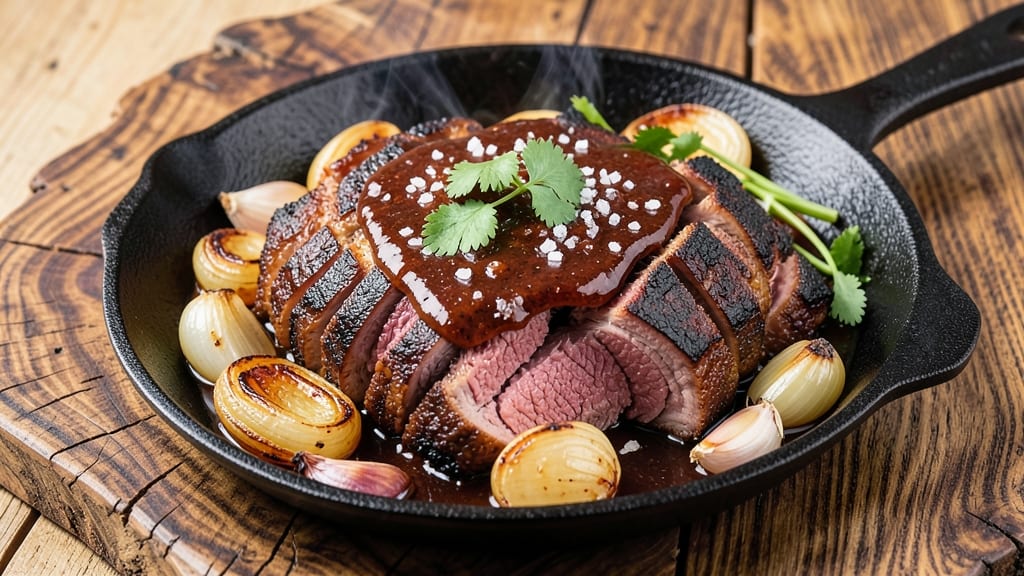
This Atlanta beef brisket recipe delivers the perfect balance of smoky-spiced crust and buttery fork-tender meat that defines Southern barbecue traditions. 🔥 The secret lies in a slow cook—whether smoked or braised—that transforms tough cuts into melt-in-your-mouth perfection, with a dark, caramelized bark that crackles with every bite.
I’ve refined this recipe over years of perfecting the low-and-slow method, ensuring the meat stays juicy while developing deep, complex flavors.
The process begins with a dry rub of bold spices—paprika, garlic powder, and brown sugar—that creates that signature crust, while a splash of apple cider vinegar in the cooking liquid keeps the meat tender.
Whether you smoke it at 225°F for 8-10 hours or braise it in the oven, the key is patience and precision. This isn’t just a brisket; it’s a centerpiece for gatherings, with every slice falling apart at the touch of a fork.
By the time you slice against the grain, you’ll have restaurant-quality brisket that’s rich, smoky, and packed with flavor—ideal for sandwiches, tacos, or serving alongside collard greens and cornbread.
The crust gives way to layers of buttery, melt-in-your-mouth meat, proving that slow cooking pays off in the most satisfying way. Let’s get started on a brisket that’ll have everyone asking for seconds.
This recipe works equally well for weekend projects or special occasions, and leftovers reheat beautifully. The versatility of brisket makes it a staple for any meal, from casual family dinners to festive gatherings.
Trust me—once you master this technique, you’ll never settle for anything less than perfectly tender, smoky-spiced brisket again.
Ingredients for atlanta beef brisket
Eight ingredients for the dry rub, six for the cooking liquid—just the essentials for this legendary brisket.
| Ingredient | Amount | Notes |
|---|---|---|
| Beef Brisket 🥩 | 6 lb | Whole packer cut, fat cap intact |
| Yellow Onion 🧅 | 2 whole | Yellow or red, sliced thick |
| Garlic Cloves 🧄 | 8 cloves | Fresh, peeled and smashed |
| Apple Cider Vinegar 🍎 | ½ cup | For tenderizing and depth |
| Smoked Paprika 🌶️ | ¼ cup | High-quality for authentic smokiness |
| Brown Sugar 🍚 | ¼ cup | Light or dark, packed |
| Garlic Powder 🧄 | 2 tbsp | Freshly ground preferred |
| Onion Powder 🧅 | 2 tbsp | For dry rub depth |
| Ground Black Pepper 🌶️ | 1 tbsp | Freshly cracked for heat |
| Kosher Salt 🧂 | 1 tbsp | Diamond Crystal preferred |
| Beef Broth 🥫 | 2 cups | Low-sodium, homemade or store-bought |
| Black Coffee ☕ | 1 cup | Strong, cold brew preferred |
| Apple Juice 🍎 | ½ cup | For moisture and sweetness |
| Fresh Thyme 🌿 | ¼ cup | Leaves only, chopped finely |
| Bay Leaves 🍃 | 2 whole | Dried, for aromatic depth |
The brisket cut is non-negotiable—look for a whole packer cut with intact fat cap at your butcher or grocery store's meat counter. Costco or Whole Foods often carry high-quality briskets, but local butchers will have the freshest cuts. If you're buying pre-cut, make sure it's at least 6 pounds to feed a crowd. The fat cap isn't just for flavor; it protects the meat during cooking and renders down to keep everything moist. For the spices, Penzeys or bulk bins at natural markets are your best bet—freshly ground spices make all the difference in that signature crust.
No smoked paprika? Substitute with a mix of regular paprika and a pinch of liquid smoke (start with 1/4 tsp and adjust to taste). Running low on beef broth? Water plus a bouillon cube works in a pinch, but you'll lose some depth. Fresh thyme wilt fast, so store it in a damp paper towel in the fridge for up to 5 days. The coffee and apple juice can be swapped for more broth if you're avoiding caffeine, but the acidity helps tenderize the meat. For the vinegar, apple cider is ideal, but white vinegar in a bind? It'll work, though the flavor won't be as nuanced. And if you're short on time, pre-mixed dry rubs from specialty stores can save you 10 minutes of measuring.
This brisket is a weekend project—plan for 8-10 hours of slow cooking. The leftovers? Even better the next day as the flavors meld. Store in an airtight container in the fridge for up to 5 days or freeze for 3 months by wrapping tightly in butcher paper, then foil. For serving, slice against the grain and let it rest 10 minutes before cutting—this is non-negotiable for tender slices. I always make double batches; the extra goes into sandwiches or tacos for the next few days.
Why You'll Love This Recipe
- One-Pot Magic: Honestly, this brisket barely needs more than a sheet pan and 30 minutes of hands-off time. Slice the onion, mince the garlic, toss it all with the brisket and that tangy vinegar-paprika mix, then let the oven do the heavy lifting. My lazy Sundays just got a serious upgrade.
- Smoky-Sweet Obsession: That smoked paprika and apple cider vinegar combo? It’s what turns tough brisket into melt-in-your-mouth perfection. The vinegar tenderizes while the paprika adds this deep, almost BBQ-like richness—no smoker required. I’ll be real: I’ve made it three times this month already.
- Game Day Hero: Between us, this is my go-to for game days, potlucks, or when my college kid calls asking for “real food.” It feeds six without breaking the bank, and the leftovers? Even better cold in sandwiches. (Yes, even on a Tuesday night.)
- Budget-Friendly Powerhouse: Three-pound brisket stretches across meals for days, and the ingredients? Pantry staples. The onions and garlic add zero cost, and that vinegar? You’re probably already using it for salad dressings. It’s the kind of recipe that makes me feel like a cooking genius without emptying my wallet.
Step-by-step instructions for Atlanta-style beef brisket
Here's how to transform a tough cut into melt-in-your-mouth perfection with that signature Atlanta sweet-spiced crust.
🔥 Step 1: Prep and Marinate the Brisket
Start by trimming the fat cap on your 6 lb Beef Brisket to about ¼-inch thickness—leave enough to protect the meat but not so much it prevents smoke penetration. Pat the brisket completely dry with paper towels, then place it fat-side up in a large resealable bag.
In a small bowl, whisk together 0.5 cup Apple Cider Vinegar, 0.5 cup Apple Juice, 1 cup Black Coffee, and 2 cups Beef Broth. Pour this marinade over the brisket, then add all the dry rub ingredients: 0.25 cup Smoked Paprika, 0.25 cup Brown Sugar, 2 tbsp Garlic Powder, 2 tbsp Onion Powder, 1 tbsp Ground Black Pepper, and 1 tbsp Kosher Salt. Seal the bag and massage the mixture into the meat, working it into all the crevices. Let it marinate in the refrigerator for 12-24 hours—this is where the magic happens.
👨🍳 Step 2: Build the Dry Rub and Sear the Brisket
Remove the brisket from the marinade and pat it dry once more. In a small bowl, combine the remaining marinade ingredients: 2 whole Bay Leaves and 0.25 cup Fresh Thyme (chopped finely). Set aside for later. Now, create your final dry rub by mixing together any remaining marinade residue with the brisket and pressing it firmly into the meat—this ensures maximum flavor penetration.
Heat your oven to 275°F. Place the brisket fat-side up on a wire rack set inside a roasting pan. Roast uncovered for 2 hours until the internal temperature reaches 160°F. This slow cook creates that signature tender texture while allowing the rub to form a deep, caramelized crust. Here's the thing—don't open the oven during this time. Every time you peek, you lose heat and steam, which can turn your perfect crust into sad, soggy rub.
🥘 Step 3: Add Liquid and Braise to Perfection
After the initial 2 hours, remove the brisket from the oven and increase the temperature to 325°F. Pour the reserved marinade (with bay leaves and thyme) into the roasting pan, then return the brisket to the oven. Add the 2 whole Yellow Onion (sliced thick) and 8 cloves Garlic Cloves (peeled and smashed) to the pan for added flavor.
Braise for another 3-4 hours until the brisket reaches an internal temperature of 203°F and is fork-tender. You'll know it's done when the probe slides in like butter. The liquid in the pan should have reduced to a rich, glossy glaze—this is your natural sauce. If it's not quite thick enough, remove the brisket and simmer the pan juices on the stovetop for 5-10 minutes to reduce further.
⏰ Step 4: Rest and Slice for Maximum Juiciness
Transfer the brisket to a cutting board and tent loosely with foil. Let it rest for at least 30 minutes—this is crucial for redistributing the juices. Real talk: skipping this step means dry, tough slices. The brisket will continue cooking slightly during the rest, so don't worry if the internal temperature drops a few degrees.
While it rests, slice the brisket against the grain into ¼-inch thick pieces. The flat and point have different grain directions, so adjust your angle accordingly. Serve the brisket with the pan juices spooned over the top and the sliced onions and garlic cloves scattered around. Each bite should deliver that perfect balance of smoky, sweet, and savory flavors with a tender, buttery texture that melts in your mouth.
Pro Tips For Making Atlanta Beef Brisket
- Trim the Fat First: Slice off that thick fat cap before cooking—it’s the difference between a brisket that renders juices and one that steams in its own grease. I learned this the hard way after serving a brisket that tasted more like a sad pot roast.
- Sear On High Heat: Crank your pan to medium-high and let the brisket develop a crust for at least 3-4 minutes per side. Low heat here means flavorless, limp meat—no shortcuts, even if you’re impatient like me.
- Sweat, Don’t Burn Onions: Cook the onions low and slow until they’re translucent and just starting to caramelize—about 8-10 minutes. Dumping raw onions into the vinegar just makes your dish taste bitter, and nobody wants that.
- Deglaze with Vinegar Last: Let the onions and garlic brown first, then pour in the apple cider vinegar after removing the brisket. This keeps the acid from turning your meat rubbery while still brightening the sauce—sounds weird, but it works.
Regional styles of this atlanta beef brisket
Atlanta's Sweet-Spiced Legacy
Atlanta’s brisket tradition blends Southern comfort with a touch of sweetness—unlike Texas’s bold, dry rubs or Carolina’s vinegar-based sauces. The city’s style leans into smoked paprika and brown sugar for that signature caramelized crust, while apple cider vinegar tenderizes the meat.
This approach creates a sweet-and-smoky balance that’s uniquely Atlantan, often served with collard greens and cornbread for a full Southern meal. 🌶️
Texas vs. Atlanta
Texas pitmasters focus on low-and-slow smoking with minimal liquid, while Atlanta’s method embraces braising for extra tenderness. The key difference? Atlanta’s brisket often includes fruit-based liquids (like apple juice) in the cooking process, adding a subtle sweetness that contrasts the smoky rub.
Texas brisket tends to be drier and barkier, whereas Atlanta’s version stays juicier and slightly sweeter.
Carolina Crossroads
Atlanta’s brisket borrows from Carolina’s love of vinegar and coffee in the marinade, but skips the mustard-based sauces.
The city’s style is less tangy than Eastern NC’s and less tomato-heavy than Western NC’s. Instead, it leans into spiced rubs and slow braising, making it a perfect middle ground for those who love both traditions. The result?
A brisket that’s rich, tender, and slightly sweet—ideal for sandwiches or serving with mac and cheese.
Modern Atlanta Twists
Today’s Atlantan brisket often incorporates unexpected flavors like bourbon or hot honey in the rub or glaze. Some chefs add a pinch of cayenne for heat or a splash of bourbon to deepen the flavor.
For a modern touch, try brushing the brisket with equal parts bourbon and beef broth during the last hour of cooking. This keeps the tradition alive while adding a contemporary edge. 🍯
Regional Serving Styles
In Atlanta, brisket is often sliced thin and served on buttery buns with pickles, making it a classic sandwich. Unlike Texas, where it’s served as a plate lunch, Atlantans frequently pile it high—think three slices of brisket, coleslaw, and a drizzle of tangy sauce.
For a true Atlantan experience, serve it with creamy mac and cheese or sweet potato mash to balance the smoky flavors. The city’s brisket is all about generous portions and bold pairings.
Nutrition facts
Frequently asked questions
Can I use a different cooking method besides oven-braising?
For a true Atlanta-style experience, try smoking at 225°F for 8-10 hours with hickory or applewood chips. The key is maintaining low heat—never rush it. If you don’t have a smoker, a slow cooker on low for 8 hours works too. Just add extra liquid (broth + apple juice) to prevent drying.
Why does my brisket turn out dry even after slow cooking?
Most likely, you skipped the resting step or didn’t cook it long enough. Brisket needs to reach 203°F internal temp—use a meat thermometer! Also, check your fat cap: if it’s too thin (1/8-inch), the meat will dry out. Always rest for 30+ minutes before slicing to redistribute juices.
What’s the best way to reheat leftover brisket?
Wrap slices in foil with a splash of beef broth and reheat at 300°F for 15 minutes—this keeps them moist. Never microwave! For sandwiches, warm the bun separately to avoid sogginess. Pro tip: Reheat only what you’ll eat in 2 days to prevent drying.
How do I adjust this recipe for a smaller crowd?
Scale down to a 3-4 lb brisket and reduce all other ingredients by half. Cooking time stays similar (6-8 hours), but monitor the internal temp closely. The key is maintaining the same low-and-slow method—just smaller portions. For serving, 3 slices per person is plenty.
Can I make the dry rub ahead of time?
Yes! Store pre-mixed rub in an airtight container for up to 3 months in a cool, dark place. For best flavor, use within 2 weeks. If your rub gets clumpy, crush it with your hands before applying. Freshly ground spices always taste better, but pre-made works in a pinch.