
Main Courses
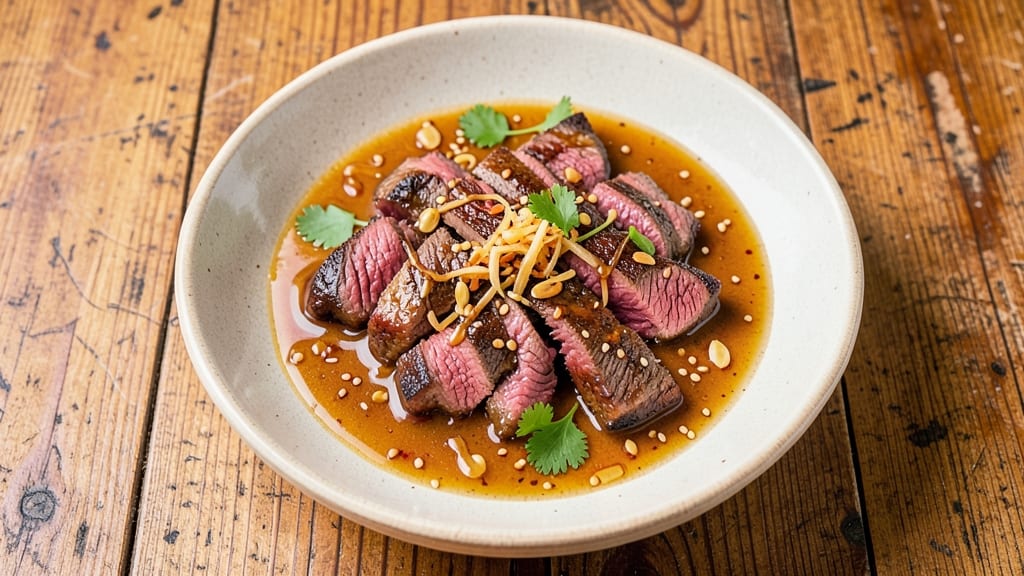
This Asian gravy beef recipe delivers restaurant-quality wok-seared beef in a velvety soy-ginger sauce that balances sweet, savory, and umami in every bite. The secret lies in high-heat searing followed by a slow reduction that transforms simple ingredients into a deeply flavorful dish.
I developed this technique after years of refining my home cooking to match the richness of my favorite East Asian bistros.
The process starts with a quick marinade of soy sauce, ginger, and garlic, then builds to a silky gravy that coats tender beef slices perfectly.
Unlike many recipes that rely on heavy cream or coconut milk, this version uses a fusion approach—reducing a homemade soy-ginger base until it thickens into a glossy, clingy sauce. The result? Beef that’s both tender and packed with caramelized depth, served over steamed rice or noodles.
What sets this apart is the two-stage cooking method: first searing the beef in a hot wok for that signature char, then simmering it in the reduced sauce until the flavors meld into harmony.
The sauce isn’t just a liquid—it’s a flavor bomb that clings to every strand of beef, making each bite unforgettable. Perfect for weeknight dinners or special occasions, this dish proves you don’t need a restaurant to enjoy authentic Asian flavors.
Pair it with quick-pickled vegetables or a simple cucumber salad to balance the richness, and you’ve got a complete meal that’s as impressive as it is delicious. The best part? This recipe scales effortlessly—whether you’re feeding two or six, the technique stays the same. Ready to elevate your home cooking?
Ingredients for asian gravy beef
Restaurant-quality Asian flavors start with these 13 carefully chosen ingredients.
| Ingredient | Amount | Notes |
|---|---|---|
| Flank Steak 🥩 | 1 ½ lb | Thinly sliced against grain for tenderness |
| Low-Sodium Soy Sauce 🍶 | ½ cup | Kikkoman preferred for authentic flavor |
| Fresh Ginger 🌿 | 2 tbsp | Finely grated, aromatic and fibrous |
| Garlic Cloves 🧄 | 6 cloves | Minced, for deep aromatic base |
| Honey 🍯 | 2 tbsp | Pure, for balancing savory notes |
| Sesame Oil 🫒 | 1 tbsp | Toasted, for nutty aroma |
| Cornstarch 🌾 | 1 tbsp | For silky gravy thickening |
| Vegetable Oil 🫒 | 2 tbsp | High smoke point for searing |
| Green Onions 🧅 | 4 whole | Sliced, for fresh garnish |
| White Rice 🍚 | 1 ½ cups | Uncooked, jasmine preferred |
| Dried Shiitake Mushrooms 🍄 | 2 whole | Rehydrated for umami depth |
| Diamond Crystal Kosher Salt 🧂 | 1 ½ tsp | For seasoning and balancing |
| Black Peppercorns 🌶️ | ½ tsp | Freshly cracked for heat |
The flank steak is non-negotiable here—its lean cut sears beautifully and stays tender when sliced thin. Look for USDA Choice or Prime at Whole Foods or your local butcher shop, and ask for it sliced against the grain (about ¼-inch thick). Costco often carries pre-sliced flank steak in their frozen section, which saves time. Fresh ginger and garlic are essential for authentic flavor; Penzeys or bulk bins at Asian markets have the freshest options. The shiitake mushrooms add that signature umami depth—soak them in hot water for 20 minutes to rehydrate, then use the liquid in the sauce for extra flavor.
No low-sodium soy sauce? Regular soy sauce plus extra salt works, but reduce the honey slightly to balance. Substitute maple syrup for honey if you prefer a vegan option. The sesame oil is purely for aroma—if you're sensitive to its flavor, use toasted sesame seeds instead (½ tbsp) and skip the oil. For extra richness, add 1 tbsp of oyster sauce (vegetarian version if needed). The cornstarch is key for that silky gravy—don't substitute with flour, or the sauce will taste starchy. If you can't find fresh shiitake, dried porcini mushrooms work too, but reduce the soaking liquid by half.
Prep the rice first—it takes the longest. Store the sliced steak in an airtight container with a paper towel to keep it dry for up to 2 days. The sauce keeps for 4 days in the fridge, but the texture thickens as it sits, so reheat with a splash of water. For meal prep, portion the beef and sauce separately—reheat the sauce first, then toss with the beef to prevent drying. The shiitake soaking liquid? Save it for broth or sauces—it's packed with flavor. Freeze the sauce for up to 3 months if you're not using it all at once.
Why You'll Love This Recipe
- One-Pan Wonder: I swear by this recipe when I’m too tired to scrub pots—just sear the flank steak, toss it with the soy-ginger-garlic sauce, and let it simmer. The honey caramelizes right in the pan, so you’re left with sticky, flavorful beef that practically cleans itself.
- Sweet-Savory Magic: That honey-soy glaze? It’s the kind of balance you’ll keep reaching for—salty, umami-rich from the soy, but the ginger and garlic cut through with bright, zesty heat. The steak gets tender and just a little charred at the edges—trust me, it’s the kind of bite that makes you slow down.
- Lunchbox Hero: Between us, this is my go-to for meal prep because it reheats like a dream. Pack it cold in rice bowls for work, or warm it up with steamed jasmine rice and quick-pickled veggies. Honestly, I’ve sent my kid to school with it three times this week, and he’s never complained.
- Budget Stretch: Flank steak is affordable, and a single pound stretches across two meals—easy for leftovers. I’ll often make a double batch, freeze half, and pull it out for lazy nights. The low-sodium soy sauce keeps it from tasting heavy, so you’re not drowning in salt or cost.
Step-by-step instructions for wok-seared Asian gravy beef
Here's how to transform simple ingredients into restaurant-quality wok-seared beef with velvety soy-ginger gravy.
Prepare the Flank Steak for Perfect Tenderness
Slice the 1.5 lb flank steak thinly against the grain into ¼-inch thick strips. This is crucial—thin slices ensure quick cooking and maximum tenderness. Place the sliced steak in a bowl and add the 2 tbsp fresh ginger, 6 cloves minced garlic, 1.5 tsp diamond crystal kosher salt, and 0.5 tsp freshly cracked black peppercorns. Massage the marinade into the beef with your hands for 2-3 minutes, coating each piece evenly. Let it rest for 15 minutes at room temperature—this prevents uneven cooking when you hit the wok.
While the beef marinates, rehydrate the 2 whole dried shiitake mushrooms by placing them in a small bowl of hot water for 10 minutes. This step unlocks their umami depth, which will become the backbone of your gravy. Drain and finely chop the mushrooms before setting them aside.
Cook the Jasmine Rice to Al Dente Perfection
Rinse the 1.5 cups white rice thoroughly under cold water until the water runs clear—this removes excess starch and prevents gummy rice. Combine the rice with 2.5 cups water (or follow package instructions for jasmine rice) in a pot and bring to a boil over high heat. Once boiling, reduce to low heat, cover tightly, and simmer for 15 minutes. Turn off the heat and let it steam for another 10 minutes without lifting the lid. This resting period allows the rice to absorb all the moisture evenly, resulting in perfectly separate grains.
While the rice cooks, prepare the green onions by slicing the 4 whole green onions into 1-inch pieces, separating the whites and greens. The whites will cook down into the gravy, while the greens will provide fresh contrast when garnishing. Keep them in separate piles for easier handling later.
Wok-Sear the Beef for Maximum Flavor
Heat a 14-inch wok or large skillet over high heat until it's screaming hot. Add the 2 tbsp vegetable oil and swirl to coat the surface. Working in batches (don't overcrowd the pan), add the marinated beef and sear for 1-2 minutes per side until the edges are deep golden brown and slightly charred. The high heat is essential here—it develops the Maillard reaction that creates that wok-seared flavor. Transfer the cooked beef to a clean plate and set aside.
In the same wok, add the white parts of the sliced green onions and cook for 30 seconds until they soften slightly. Add the rehydrated shiitake mushrooms and stir-fry for 1 minute until any moisture evaporates. This step builds the aromatic base for your gravy.
Build the Silky Soy-Ginger Gravy
Pour in the 0.5 cup low-sodium soy sauce and 2 tbsp honey, stirring constantly to deglaze the wok and scrape up all the flavorful browned bits from the bottom. Let the mixture simmer for 2-3 minutes until it reduces slightly and becomes syrupy. The soy sauce should mellow out while the honey adds a subtle sweetness that balances the savory notes.
In a small bowl, whisk together the 1 tbsp cornstarch with 2 tablespoons water to create a slurry. Slowly pour this into the wok while stirring continuously. The cornstarch will thicken the gravy into a velvety consistency. Add the 1 tbsp sesame oil and stir until it's fully incorporated. Return the seared beef to the wok and toss gently to coat everything in the glossy gravy.
Finish and Serve Immediately
Taste the gravy and adjust seasoning if needed—you might want to add a splash more soy sauce for saltiness or a touch of honey for sweetness. Stir in the green onion greens just before serving to keep them vibrant. The dish should be served immediately over the perfectly cooked jasmine rice for the best texture contrast.
Each bite should deliver perfectly tender beef with a caramelized crust, silky gravy that coats every grain of rice, and layers of umami from the shiitake mushrooms. The balance of sweet, salty, and aromatic flavors makes this dish incredibly satisfying—exactly what you'd find in a high-end Asian restaurant.
Pro Tips For Making Asian Gravy Beef
- SEAR THE STEAK HOT: Flank steak needs a screaming-hot pan—no half-measures. I used to walk away after 2 minutes, but now I push it to 3-4 minutes per side until deep brown crust forms. That’s where the flavor hides, and it won’t dissolve in the sauce later.
- GRATE THE GINGER FINE: Skip the mincer—use a microplane or the smallest holes on a box grater. Fresh ginger loses its punch when chopped, and you’ll taste the difference in the gravy. A teaspoon of finely grated ginger (not 1-inch chunks) makes the sauce sing.
- DEGLAZE WITH SOY SAUCE FIRST: After searing, splash in 2 tablespoons of soy sauce before adding anything else. Let it bubble for 30 seconds—this pulls up all the browned bits (fond) and builds the base flavor. Adding water or broth too soon just dilutes the good stuff.
- HONEY LAST, LOW HEAT: Stir in honey when the sauce is nearly done, then drop the heat to medium-low. I learned this after burning the sauce twice—honey caramelizes fast and turns bitter. A quick simmer for 1-2 minutes is enough; it’ll thicken as it cools.
Creative variations of asian gravy beef
Japanese Sukiyaki Style
Transform this dish into a comforting Japanese sukiyaki by swapping the soy-ginger gravy for a light dashi broth (use 1 cup dashi powder or 2 pieces dried bonito + kombu).
Thinly slice the beef even further and serve in a hot stone pot with raw ingredients like tofu, napa cabbage, and shirataki noodles on the side. Let diners cook their own portions by dipping beef and veggies into the simmering broth, then finishing with a beaten egg for richness. 🍜
Thai Red Curry Fusion
Give it a Thai-inspired twist by adding 2 tbsp red curry paste (like Mae Ploy) to the gravy base, along with 1 can coconut milk. Simmer the beef in this spicy-sweet sauce until tender, then finish with 1 tbsp fish sauce and 1 tsp palm sugar.
Serve over jasmine rice with fresh basil and lime wedges for a restaurant-quality curry. For extra heat, stir in ½ tsp chili flakes at the end. 🌶️
Korean Galbi-Jjim Style
For a Korean-inspired braised version, marinate the beef overnight in ½ cup soy sauce, 3 tbsp brown sugar, 2 tbsp sesame oil, and 1 tbsp grated pear (for tenderness).
Slow-cook at 300°F for 2 hours until fork-tender, then finish with a glossy glaze of 1 tbsp honey and 1 tsp toasted sesame seeds. Serve with steamed rice and a side of kimchi for a hearty, sweet-savory meal. 🥢
Spicy Szechuan Twist
Add Szechuan heat by stirring in 1 tbsp chili bean paste (like La Choy) and 1 tsp Sichuan peppercorns (lightly toasted) into the gravy. For extra depth, deglaze the wok with 1 tbsp Shaoxing wine after searing the beef.
Garnish with crushed peanuts and cilantro for texture contrast. This version delivers that signature tingling, numbing heat that defines Szechuan cuisine. 🔥
Quick Weeknight Shortcut
For a 30-minute version, skip the marinade and use pre-sliced flank steak from the grocery store. Deglaze the wok with ½ cup beef broth instead of soy sauce, then stir in 1 tbsp Worcestershire sauce for depth.
Thicken with the cornstarch slurry as usual. Serve over microwaveable rice (like Lundberg Farms) for a fast but still flavorful meal. Perfect for busy weeknights! ⏰
Nutrition facts
Frequently asked questions
Can I use a different cut of beef instead of flank steak?
For this recipe, sirloin or ribeye work beautifully—they're more forgiving and still develop great flavor when seared. Avoid tougher cuts like chuck or brisket unless you're slow-cooking them first. If using sirloin, slice it slightly thinner (⅛-inch) since it's leaner. For extra richness, try ribeye and reduce the cooking time by 30 seconds per side.
Why does my gravy turn out watery? How can I fix it?
The cornstarch slurry is key here—if your gravy is too thin, you likely didn't cook it long enough after adding the slurry. For a quick fix, mix ½ tsp cornstarch with 1 tsp water and stir it in while the sauce simmers. If it's already served, thicken it by simmering the beef and sauce uncovered for 2-3 minutes to evaporate excess liquid. Always bring the sauce to a gentle boil after adding the slurry.
Can I make this recipe ahead of time?
Yes! The sauce keeps well in the fridge for 4 days and freezes for 3 months—just reheat it gently with a splash of water to restore thickness. For the beef, cook it fresh or reheat it separately in the sauce for 1-2 minutes to avoid overcooking. The rice should always be made fresh, but you can prep all other components ahead. Store the green onions separately and add them fresh when serving to keep their color vibrant.
What's the best way to store leftover Asian gravy beef?
Store the beef and sauce together in an airtight container in the fridge for up to 3 days. For longer storage, freeze the sauce separately (it thickens when frozen) and reheat it with the beef. To reheat, warm the sauce first, then toss in the beef to prevent drying. If the sauce seems too thick after freezing, thin it with 1 tsp water or beef broth while reheating. Never reheat at high heat—keep it at medium-low to preserve the flavors.
How can I make this dish gluten-free?
Swap the soy sauce for tamari or coconut aminos (both gluten-free soy alternatives) and use gluten-free cornstarch for thickening. Double-check all ingredients—some brands of sesame oil or oyster sauce may contain gluten. For extra umami, add 1 tbsp gluten-free fish sauce or ½ tsp msg powder to the gravy. The texture and flavor will still be rich and satisfying!