
Soups & Stews
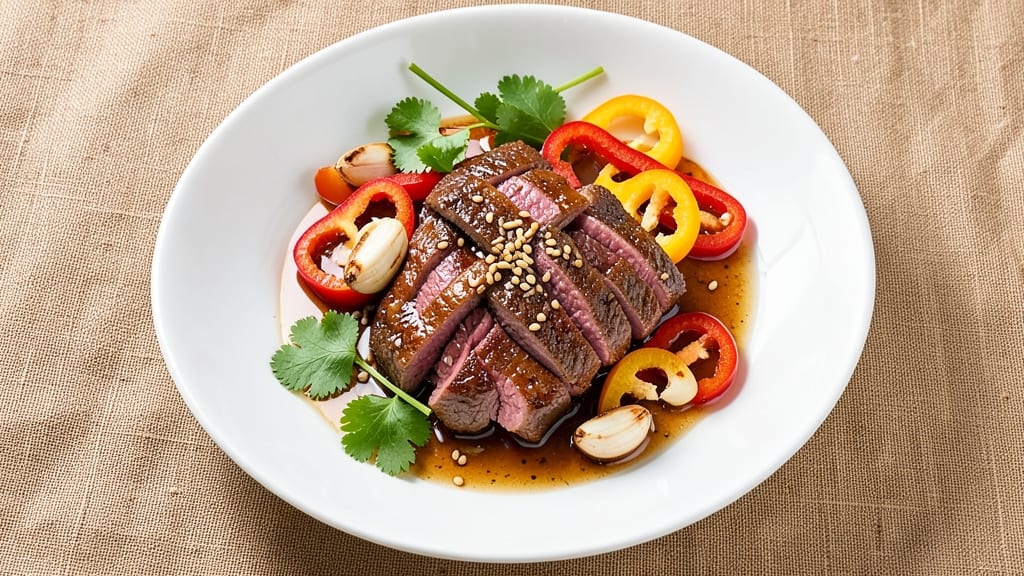
This Asian ginger beef recipe delivers the perfect balance of bold flavors and tender texture, inspired by traditional East Asian techniques. The secret lies in a fragrant marinade of fresh ginger, garlic, and soy sauce that transforms tough beef into melt-in-your-mouth perfection.
I developed this method after years of perfecting stir-fry techniques, ensuring every bite delivers that signature wok-fired crunch with a glossy soy finish.
The recipe begins with a simple yet powerful marinade that infuses the beef with layers of aromatic ginger and savory soy. Cooking the beef quickly over high heat preserves its tenderness while creating those coveted crisp edges.
What sets this dish apart is the combination of traditional flavors with a modern approach—no complicated techniques, just restaurant-quality results in under 30 minutes.
By the time you serve this dish, you'll have perfectly seared beef strips with a glossy, caramelized surface and tender centers. The aroma alone will have everyone gathering around the table, while the balance of sweet, spicy, and umami flavors makes it a crowd-pleaser.
Serve it over steamed rice or with stir-fried vegetables for a complete meal that feels both comforting and sophisticated.
This recipe works equally well for weeknight dinners or special occasions, making it incredibly versatile. The marinade can be prepared ahead of time, and the cooking process is straightforward enough for beginners but impressive enough for experienced cooks.
Let's create a dish that brings the vibrant flavors of Asia right to your kitchen table.
Ingredients for asian ginger beef
Here's what transforms simple beef into restaurant-quality Asian ginger beef—bold flavors and tender texture.
| Ingredient | Amount | Notes |
|---|---|---|
| Flank Steak 🥩 | 1 ½ lb | Thinly sliced against grain |
| Fresh Ginger Root 🌿 | ½ cup | Finely grated, aromatic |
| Garlic Cloves 🧄 | 6 cloves | Minced, aromatic |
| Soy Sauce 🍶 | ½ cup | High-quality, preferably Japanese |
| Honey 🍯 | 2 tbsp | For balancing umami |
| Sesame Oil 🫒 | 1 tbsp | Toasted, for aroma |
| Rice Vinegar 🍶 | 2 tbsp | For brightness |
| Vegetable Oil 🫒 | 3 tbsp | High smoke point |
| Red Bell Pepper 🌶️ | 1 whole | Sliced into strips |
| Green Onions 🧅 | 3 whole | Sliced, for garnish |
| Sesame Seeds 🌾 | 1 tbsp | Toasted, for crunch |
| White Peppercorns 🌶️ | ½ tsp | Ground, for subtle heat |
| Diamond Crystal Kosher Salt 🧂 | 1 ½ tsp | For seasoning |
The flank steak is non-negotiable—it's lean but tender when sliced against the grain. Grab one from the butcher counter (they'll slice it for you) or ask your grocery store's meat department to do it. Look for good marbling—it keeps the meat juicy. I always buy organic if possible, but conventional works too. Fresh ginger is a must; the pre-packaged stuff lacks punch. Grab a small knob at the store, peel it, and grate it yourself—it makes all the difference. Garlic should be firm and clove-shaped, not soft or sprouting. For the soy sauce, Kikkoman or Lee Kum Kee are my go-tos—they're widely available and balanced.
No fresh ginger? Powdered ginger at half the amount works in a pinch, but it won't be as vibrant. Substitute rice vinegar with apple cider vinegar if needed, though it'll have a slightly different tang. Running out of sesame oil? Avocado oil is a neutral swap, but you'll lose that nutty aroma. The red bell pepper can be swapped for green or yellow—just keep the same quantity. For extra heat, add a pinch of red pepper flakes (about 0.25 tsp). The honey balances the soy's saltiness, so don't skip it—maple syrup works if you're avoiding honey. Toast your sesame seeds in a dry pan for 30 seconds until fragrant—they add that signature crunch.
Prep the marinade ahead and store it in the fridge for up to 2 days. The beef absorbs the flavors better when marinated overnight, but even 30 minutes makes a difference. Cook the beef immediately after stir-frying for the best texture—it loses its crisp edges if left sitting. Leftovers keep for 3 days in the fridge, but they're best reheated quickly over high heat. Freeze portions for up to 3 months by laying them flat on a tray first, then transferring to a bag. Serve over jasmine rice or with steamed bok choy for a complete meal.
Why You'll Love This Recipe
- Fewer Ingredients, Bigger Bang: Honestly, I’m always skeptical when a recipe says “just a few ingredients” because it usually means watered-down flavor. Not here—the ginger and garlic punch, the honey’s subtle sweetness cutting through the soy’s saltiness, and that seared flank steak? It’s actually enough. No filler, no fuss, just layers of taste from five core things.
- Crispy-Caramel Magic: The moment the honey hits the hot pan? That’s when it gets good. The soy and ginger caramelize into a glossy, sticky glaze while the steak stays tender—no dry, chewy mess here. It’s the kind of dish where the first bite makes you pause mid-chew, like, “Wait, how did this happen?”
- Weeknight to Dinner Party: Between us, I’ve served this to skeptical in-laws and hungry teens after soccer practice. Slice it thin for quick stir-fry bowls, pile it on rice for a full meal, or even toss it into lettuce wraps when I’m lazy. The sauce clings to everything, so it’s always a win—no matter who’s eating it or why.
- Leftovers That Don’t Suck: Most beef dishes turn into sad, dry mystery meat after day two. Not this. The ginger keeps it bright, the honey keeps it moist, and the soy adds this weirdly addictive umami depth. I’ll meal prep a whole sheet pan, reheat slices in a skillet with a splash of water, and it’s still ridiculously good three days later. My lunchbox’s new best friend.
Step-by-step instructions for Asian ginger beef
Here's how to transform simple ingredients into restaurant-quality wok-fired beef with a fragrant soy glaze.
Prep and Marinate the Flank Steak
First, slice the 1.5 lb flank steak thinly against the grain into ¼-inch strips. This ensures tender bites that cook quickly in the wok. Place the sliced beef in a large bowl and set aside.
In a small bowl, combine the 0.5 cup finely grated fresh ginger root, 6 cloves minced garlic cloves, 0.5 cup soy sauce, 2 tbsp honey, 1 tbsp sesame oil, 2 tbsp rice vinegar, 0.5 tsp ground white peppercorns, and 1.5 tsp diamond crystal kosher salt. Whisk until the honey and soy sauce blend completely into a smooth marinade. Pour this over the beef and toss gently to coat evenly. Let it marinate for at least 20 minutes at room temperature—this allows the flavors to penetrate deeply and the beef to develop that signature wok-fired tenderness.
Toast the Sesame Seeds and Prep Vegetables
While the beef marinates, toast the 1 tbsp sesame seeds in a dry skillet over medium heat for 1-2 minutes until they turn a rich golden brown and release their nutty aroma. Transfer them to a small bowl and set aside—they'll add crunch to your dish. This step is crucial; untosted seeds won't provide that satisfying texture contrast.
Slice the 1 whole red bell pepper into ¼-inch strips and the 3 whole green onions into 1-inch pieces, reserving the white parts for garnish. The red bell pepper adds a crisp, slightly sweet element that balances the savory beef and ginger. Keep these prepped ingredients nearby so you can add them at the right moment during cooking.
Wok-Fry the Beef to Perfect Doneness
Heat a wok or large skillet over high heat until it's smoking hot. Add 2 tbsp vegetable oil and swirl to coat the surface evenly. Working in batches if needed, add the marinated beef and stir-fry for 2-3 minutes until the beef turns deep brown and is just cooked through—it should still have a slight give when pressed with tongs. Overcooking at this stage will make the beef tough.
Remove the beef from the wok and set it aside. Add the remaining 1 tbsp vegetable oil to the wok, then toss in the sliced red bell pepper and green onions. Stir-fry for 1-2 minutes until the peppers soften slightly but still retain their vibrant color. Here's where the flavors meld—don't skip this step, as it ensures the vegetables absorb the beef's savory essence.
Combine and Finish with Fragrant Gloss
Return the beef to the wok and pour in any remaining marinade from the bowl. Stir everything together for 1-2 minutes until the beef is coated in a glossy, fragrant sauce. The heat will reduce the sauce slightly, intensifying its flavor. Taste and adjust seasoning if needed—you might want to add a splash more soy sauce or a touch of honey for balance.
Remove the wok from heat and stir in the toasted sesame seeds and reserved white parts of the green onions. Serve immediately over steamed rice, garnished with extra sesame seeds and green onions. The dish should be vibrant, with a perfect balance of sweet, savory, and aromatic ginger heat. Every bite should deliver tender beef, crisp vegetables, and that irresistible soy glaze.
Pro Tips For Making Asian Ginger Beef
- Slice Against the Grain: Flank steak’s fibers run diagonally, so cut it perpendicular to the grain—even if it means slicing at a 45-degree angle. I used to ignore this and ended up with chewy strips; now, I get tender, fork-friendly slices every time. A sharp knife and steady hand make all the difference.
- Blanch the Ginger First: Toss your ginger into boiling water for 30 seconds before grating—it softens the fibers and prevents that gritty texture in your sauce. I learned this the hard way after tasting a batch where the ginger was like sandpaper. Works for garlic too if you’re feeling fancy.
- Sear in Batches: Crowd the pan, and your beef will steam instead of sear. Use a 12-inch skillet max and cook in two batches if needed—high heat, no moving until a deep crust forms. I skip this, and the sauce ends up tasting more like a marinade than caramelized beef.
- Deglaze with Soy First: Pour in the soy sauce immediately after searing, let it bubble for 30 seconds, then add the honey and ginger. This locks in the meaty flavors before they evaporate. I used to add everything at once, and the sauce always tasted flat by comparison.
Serving suggestions for this dish
Rice Pairings
Steamed jasmine rice is my go-to—its delicate floral aroma complements the beef's bold ginger notes beautifully. Cook 1 cup jasmine rice with 1.5 cups water for a light, fluffy base that absorbs the dish's savory sauce.
For extra luxury, try black rice (forbidden rice) or short-grain sushi rice—both add a subtle chewiness that contrasts perfectly with the tender beef. 🍚
Vegetable Sides
Quick-pickled cucumber slices add refreshing crunch and cut through the richness. Toss 1 cup thin cucumber slices with 2 tbsp rice vinegar, 1 tsp sugar, and ½ tsp salt for 15 minutes.
Steamed bok choy with a drizzle of oyster sauce (just 1 tsp) brings umami depth, while stir-fried snap peas keep the meal light and vibrant. I often serve all three for a colorful spread.
Garnish Game-Changers
Fresh cilantro leaves add a bright, citrusy contrast—chop ¼ cup cilantro and sprinkle over the dish right before serving. For heat lovers, a sprinkle of chili crisp (about 1 tsp) delivers a smoky, spicy kick.
I also love drizzling 1 tsp toasted sesame oil over the top right before eating—it enhances the nutty aroma and ties all the flavors together. 🌶️
Dipping Sauces
A simple soy-ginger dip elevates the dish. Mix 2 tbsp soy sauce, 1 tbsp honey, 1 tsp grated ginger, and 1 tsp rice vinegar. For extra richness, add ½ tsp sesame oil.
This lets everyone customize their flavor experience—some like it sweet, others prefer it tangy. Serve in small bowls for dipping or drizzling over rice.
Drink Pairings
Sparkling jasmine tea (iced) cleanses the palate between bites—its floral notes mirror the rice while refreshing the palate. For beer lovers, a light Japanese lager like Sapporo or Asahi complements the dish's umami without overpowering it.
If you prefer wine, a crisp dry Riesling from Germany balances the soy's saltiness with its bright acidity. 🍶
Make-Ahead Serving
Prep the beef ahead and store it in an airtight container in the fridge for up to 3 days. Reheat gently in a skillet over medium heat with a splash of water to maintain moisture.
Serve with pre-cooked rice (reheat covered) and fresh garnishes. For a crowd, assemble everything in separate bowls and let guests build their plates—this keeps the beef crisp and the rice hot. ✨
Nutrition facts
Frequently asked questions
Can I use a different cut of beef besides flank steak?
Yes! Skirt steak or ribeye work beautifully—just slice them thinly against the grain for tenderness. Avoid tough cuts like chuck or brisket, as they won't develop that signature wok-fired texture. For extra marbling, try ribeye, but it may require slightly less marinating time (15 minutes instead of 20).
How do I adjust the heat level in this recipe?
Skip the white peppercorns for a milder version, or add ½ tsp red pepper flakes to the marinade for heat. For smoky heat, swap 1 tbsp of the soy sauce with liquid smoke (just ½ tsp). Always taste the marinade first—you can adjust before cooking!
What's the best way to store leftovers?
Store cooked beef in an airtight container in the fridge for up to 3 days. Reheat gently in a skillet over medium heat with 1 tsp water to prevent drying. For freezing, lay portions flat on a tray first, then transfer to a bag for up to 3 months. The sauce may thicken slightly—add a splash of water when reheating.
Can I make this gluten-free?
Yes! Replace soy sauce with tamari or a 1:1 gluten-free soy sauce. For extra umami, add 1 tbsp coconut aminos (though it has a slightly different flavor profile). Check all ingredients—some sesame oils and vinegars may contain gluten. The dish will still be delicious with these swaps!
Why did my beef turn out tough?
Overcooking is the most common cause—beef should cook for 2-3 minutes total, not until fully browned. Always slice against the grain and use a high-heat wok/skillet. If your beef was thick, cut it thinner next time. For extra tenderness, marinate for up to 4 hours (but no longer).