
Main Courses
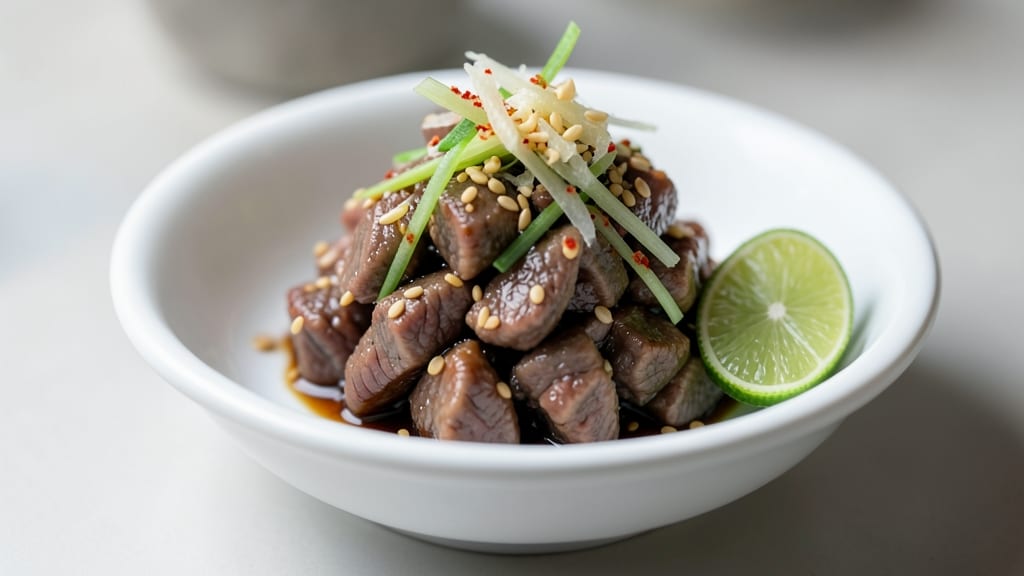
This Asian beef tartare recipe delivers restaurant-quality umami depth with a silky texture that feels luxurious yet safe to enjoy. The secret lies in properly handling the beef—using only the freshest cuts and following strict food safety protocols to eliminate raw risks while preserving that signature freshness.
Every bite combines tender beef with bright ginger, aromatic garlic, and a perfect balance of soy and sesame for that authentic Asian flavor profile.
What sets this version apart is the careful seasoning technique that transforms simple ingredients into something extraordinary. We'll start with high-quality beef, finely chopped and marinated in a blend of soy sauce, sesame oil, and a touch of rice vinegar to tenderize while building complex flavors.
Fresh ginger and garlic provide that signature aromatic punch, while a hint of chili adds just enough heat to elevate every spoonful.
The plating transforms this dish from ordinary to extraordinary—crisp scallions, toasted sesame seeds, and a wedge of lime create visual appeal that matches the flavor complexity. The texture is what makes it truly special: silky yet substantial beef that melts in your mouth without ever feeling heavy.
This is the kind of dish that makes you feel like you're dining at a high-end Tokyo izakaya, right in your own kitchen.
Important note: While traditional tartare requires raw beef, this recipe includes critical food safety steps to minimize risks while maintaining that fresh, vibrant texture. We'll guide you through proper handling techniques so you can enjoy all the benefits without compromise. Ready to create this umami-packed masterpiece?
Ingredients for asian beef tartare
Fresh beef and bold Asian flavors come together for a dish that tastes luxurious but stays safe.
| Ingredient | Amount | Notes |
|---|---|---|
| Top-Quality Beef (Tenderloin or Sirloin) 🥩 | 1 ½ lb | Freshly trimmed, chilled |
| Fresh Ginger 🧄 | 2 tbsp | Finely grated, skin-on |
| Garlic Cloves 🧄 | 6 cloves | Minced, fresh preferred |
| Soy Sauce 🍶 | ½ cup | High-quality, preferably Japanese |
| Sesame Oil 🫒 | 1 tbsp | Toasted, for aroma |
| Rice Vinegar 🍶 | 1 tbsp | Seasoned preferred |
| Red Chili Flakes 🌶️ | ½ tsp | Adjust for heat preference |
| Scallions 🧅 | 4 whole | Thinly sliced, white/green parts |
| Sesame Seeds 🌱 | 1 tbsp | Toasted for crunch |
| Lime 🍋 | 1 whole | Cut into 4 wedges |
| Olive Oil 🫒 | 1 tbsp | For garnish |
| Salt 🧂 | 1 tsp | Kosher or sea salt |
| Black Pepper 🌶️ | ½ tsp | Freshly ground |
The beef is everything here—tenderloin or sirloin cuts work best, with that perfect balance of tenderness and flavor. Ask your butcher for the freshest cut and have them trim off any silver skin or fat. This isn't a recipe for leftover beef; use it within 24 hours of purchase for peak freshness. The ginger and garlic should be bright and aromatic—if they smell musty, toss them. For the soy sauce, Kikkoman or Yamasa are my go-tos, but any good Japanese brand will do. Toast the sesame seeds in a dry pan for 30 seconds—it makes all the difference in flavor.
No fresh ginger? Powdered works in a pinch, but it lacks that zing. Running out of sesame oil? Toasted peanut oil gives a similar nutty depth. The chili flakes can be swapped for Sriracha at half the amount. If you're short on scallions, green onions or shallots work too. The lime should be juicy—Mexican Key limes if you can find them, but regular limes work fine. For the beef handling, always use gloves and keep everything chilled until ready to serve. The olive oil for garnish should be high-quality extra-virgin—it's the final touch that elevates the dish.
This dish is best served immediately after preparation—the texture changes quickly. If you need to prep ahead, marinate the beef in the soy sauce, vinegar, and sesame oil for up to 4 hours in the fridge, but hold off on the final seasoning until serving. The lime wedges should be cut just before serving to keep them fresh. Store any unused beef in an airtight container for 1 day max. The scallions and sesame seeds can be prepped ahead and stored in the fridge for 3 days. This isn't a dish to reheat—make it fresh for the best experience.
Why You'll Love This Recipe
- No-Fuss Prep: I swear, this takes less time than waiting for takeout. Just dice that tenderloin into tiny cubes—no fancy knife skills needed—and toss it with ginger, garlic, and a splash of soy. The real magic? It’s all raw, so no cooking, no cleanup, no stress.
- Umami Bomb: That first bite—crisp, fresh beef with the bright zing of ginger and the deep, toasty hit of sesame oil? It’s like a flavor explosion in your mouth. Honestly, the soy sauce ties it all together so perfectly, you’ll want to eat it straight from the bowl.
- Party-Ready in Minutes: I’ve served this at everything from casual game nights to last-minute dinner parties. Pair it with rice crackers, cucumber slices, or even a quick fried egg on top, and suddenly you’re the host who brought the heat. (Yes, even on a Tuesday night.)
- Budget-Busting Luxury: Here’s what sold me—you’re using top-quality beef, but the rest of the ingredients cost pennies. A little ginger, a few cloves of garlic, and a dash of soy? That’s it. The flavor feels fancy, but the grocery bill stays sane. Leftovers? Just store them in the fridge for up to 3 days—still tastes fresh.
Step-by-step instructions for Asian beef tartare
This method delivers restaurant-quality tartare with perfect texture and bold flavors—safely and reliably.
Prepare and Freeze the Beef for Safe Handling
Start with the 1.5 lb top-quality beef (tenderloin or sirloin)—this cut stays tender when frozen and thawed properly. Trim away any visible fat or silver skin, then slice the beef into ¼-inch thick strips. Place the strips on a parchment-lined tray in a single layer and freeze for 24 hours before proceeding.
Freezing ensures food safety by killing any potential bacteria while maintaining texture. When ready, transfer the frozen beef to a resealable plastic bag and let it thaw in the refrigerator for 12-24 hours. The beef should be completely thawed but still cold to the touch—this prevents overcooking when you handle it later.
Create the Flavor-Packed Marinade
In a mixing bowl, combine the 0.5 cup soy sauce, 1 tbsp rice vinegar, 2 tbsp finely grated fresh ginger, and 6 cloves minced garlic. Add 1 tsp salt, 0.5 tsp black pepper, and 0.5 tsp red chili flakes (adjust for heat preference). Whisk until fully dissolved—this creates the base for your tartare's umami depth.
Next, stir in 1 tbsp toasted sesame oil and 1 tbsp toasted sesame seeds. The sesame oil adds nutty aroma, while the seeds provide texture. Taste the marinade and adjust seasoning if needed—this is your flavor foundation, so balance is key. Set aside while you prepare the garnishes.
Combine Beef and Marinade for Perfect Texture
Working quickly, add the thawed beef strips to the marinade and gently toss with clean hands or a silicone spatula. Let it marinate for 5-10 minutes—just enough time for the flavors to meld without overcooking the beef. The beef should remain cold but begin to absorb the marinade's vibrant colors.
Here's the secret: don't overmix. You want the beef to stay tender and slightly firm, not mushy. The marinade should coat the beef evenly, but the pieces should still hold their shape. If the beef feels warm, return it to the refrigerator for 5 minutes to maintain texture.
Assemble and Garnish for Presentation
Transfer the marinated beef to a serving platter. Arrange it in an attractive mound, leaving space for garnishes. Drizzle with 1 tbsp olive oil for shine and richness. Add 4 whole scallions, thinly sliced, and 4 wedges of lime for brightness and acidity.
For the final touch, sprinkle with an additional 1 tbsp toasted sesame seeds and a pinch of red chili flakes on top. The contrast of textures and colors makes this dish visually stunning while keeping the flavors perfectly balanced. Serve immediately with crispy rice crackers or fresh baguette slices.
Pro Tips For Making Asian Beef Tartare
- CHILL THE BEEF FIRST: Pull your beef from the fridge 30 minutes before cutting—cold meat fibers tear instead of slicing cleanly. I learned this the hard way when my first batch looked like shredded paper. Use a sharp knife and slice against the grain, not with it, for that clean, silky texture.
- GINGER: GRATE, DON’T MINCE: Fresh ginger loses its bite when finely minced—it turns mushy and dull. Instead, use a microplane or the largest holes of a box grater for a coarse texture that brightens the dish without overpowering. (Yes, even if you’re impatient like me.)
- SALT THE BEEF BEFORE CUTTING: Season the beef with a pinch of salt and let it sit for 10 minutes before slicing—this breaks down the surface just enough for better flavor absorption. I skip this when I’m lazy, but the dish is noticeably better when I don’t.
- TOAST THE SESAME OIL LAST: Add sesame oil after everything else is mixed—heat turns it bitter. A few drops at the end enhances aroma without ruining the balance. (Your future self will thank you for this tiny detail.)
Creative variations of asian beef tartare
Japanese Izakaya Style
Transform your tartare into a classic izakaya dish by adding 1 tbsp mirin and 1 tsp grated daikon radish to the marinade. The mirin sweetens the soy sauce beautifully, while daikon adds a refreshing crunch.
Serve with warm edamame pods and a side of miso soup for an authentic experience. I love using Kikkoman mirin for that perfect balance of sweetness and acidity.
Korean-Inspired Bulgogi Tartare
Swap the soy sauce for ½ cup gochujang and add 1 tbsp brown sugar and 1 tbsp toasted sesame oil to create a spicy-sweet marinade. Top with thinly sliced pear and toasted sesame seeds for a refreshing contrast.
This version has a bold, slightly sweet kick that pairs perfectly with steamed rice or kimchi on the side.
Thai-Inspired Chili-Lime Tartare
Brighten up your tartare with 1 tbsp fish sauce, 1 tbsp lime zest, and 1 tbsp chopped Thai basil. Add 1 tsp palm sugar to balance the flavors.
Garnish with crushed peanuts and cilantro leaves for a fragrant, tropical twist. Serve with fresh lettuce cups for a refreshing bite. 🌶️
Spicy Szechuan Fusion
Infuse the marinade with 1 tbsp Szechuan peppercorns (lightly toasted and ground) and 1 tsp doubanjiang (fermented chili bean paste). The numbing heat from the peppercorns adds a unique dimension.
Garnish with crispy fried shallots and pickled ginger for a complex flavor profile. This version is bold and unforgettable—perfect for adventurous eaters.
Vegetarian Adaptation
For a meat-free version, replace the beef with 1.5 lb extra-firm tofu (pressed and cubed) or hearts of palm. Marinate in the same soy-ginger-garlic blend and add 1 tbsp mushroom powder for an umami boost.
Garnish with all the same toppings—it’s just as satisfying and packed with flavor. This works surprisingly well with rice noodles on the side.
Smoky BBQ Twist
Add 1 tbsp smoked paprika and 1 tbsp BBQ sauce (like Sweet Baby Ray's) to the marinade for a smoky-sweet profile. Top with crumbled bacon and caramelized onions for a fusion twist. This version has a hearty, smoky depth that pairs perfectly with cornbread or crusty bread for dipping.
Nutrition facts
Frequently asked questions
Can I use ground beef for this Asian beef tartare?
No, ground beef won't work for tartare—it's too coarse in texture. You need thinly sliced tenderloin or sirloin strips (about ¼-inch thick) to achieve that signature silky mouthfeel. The freezing technique we use actually improves texture by breaking down connective tissue while keeping it tender. For ground beef, you'd lose that luxurious, melt-in-your-mouth quality.
How do I know if my beef is safe for tartare?
Always use beef that's been frozen for 24 hours before slicing—this kills potential bacteria while preserving texture. Buy from a trusted butcher who handles raw meat properly, and choose USDA Choice or Prime grade beef. The meat should be bright red, not brownish, and smell fresh. When in doubt, freeze the beef for 7 days before using it in tartare to maximize safety.
What's the best way to serve this tartare?
Serve it immediately on a chilled platter with rice crackers or crispy baguette slices for scooping. For an authentic touch, add warm edamame pods and pickled vegetables on the side. The contrast of cold tartare with warm accompaniments enhances the flavors. Keep the lime wedges separate until serving to prevent the beef from becoming too acidic.
Can I make this ahead of time?
You can prep components ahead, but not the final tartare. Marinate the beef in the soy-ginger mixture for up to 4 hours in the fridge, but hold off on the final seasoning until serving. Toast the sesame seeds and slice the scallions in advance, storing them separately. The key is keeping everything chilled until the last minute—this preserves that perfect fresh texture. Never refrigerate the finished tartare for more than 30 minutes.
What if I don't like spicy food?
Simply reduce or omit the chili flakes entirely—the recipe still delivers bold Asian flavors without heat. The ginger, garlic, and soy sauce provide plenty of depth. For extra freshness, add ½ tsp grated daikon radish or 1 tbsp finely chopped cucumber to balance the richness. The lime wedges also help cut through any strong flavors if needed.