
Soups & Stews
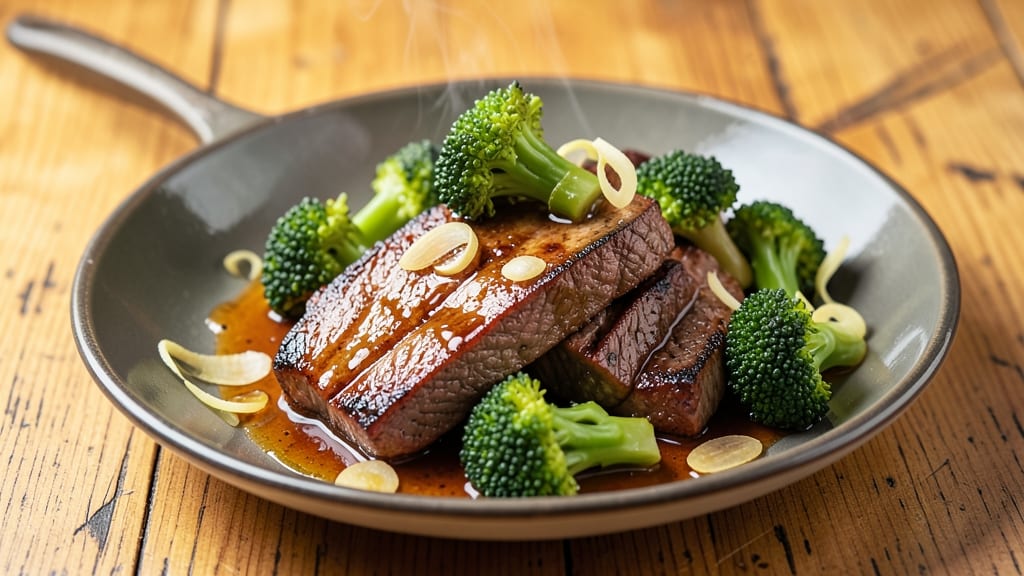
This beef and broccoli high-protein recipe delivers restaurant-quality wok-seared beef with crisp-tender broccoli, all coated in a silky soy-ginger sauce that’s packed with flavor and nutrients. The secret lies in high-heat searing for maximum protein retention while keeping the broccoli vibrant and slightly crisp.
I developed this version after testing countless methods to balance protein content, texture, and bold Asian-inspired flavors—without sacrificing simplicity.
What sets this apart is the lean beef cut (sirloin or flank steak) that stays tender yet develops a caramelized crust from the wok, while the broccoli is blanched just enough to soften its core while maintaining that satisfying crunch. The sauce?
A perfect harmony of soy, ginger, garlic, and a touch of honey for depth—glossy enough to coat every bite but light enough to let the beef shine through.
By the time you’re done, you’ll have a high-protein dish that’s not only delicious but also balanced—rich in iron, fiber, and plant-based nutrients from the broccoli.
It’s the kind of meal that satisfies cravings while keeping you full for hours, making it ideal for meal prep or a quick weeknight dinner when you need both flavor and nutrition. Serve it over cauliflower rice for extra protein or pair with steamed jasmine rice for a classic touch.
The sauce clings perfectly to the beef, creating a dish that’s as impressive on a date night as it is for a solo protein boost.
Ingredients for beef and broccoli high protein
Lean protein meets vibrant veggies in this wok-seared masterpiece—where caramelized beef and crisp broccoli unite in a silky ginger-soy embrace.
| Ingredient | Amount | Notes |
|---|---|---|
| Lean Sirloin Steak 🥩 | 1 ¼ lb | Thinly sliced against the grain |
| Fresh Broccoli Florets 🥦 | 4 cups | Medium stems, cut into bite-sized pieces |
| Extra-Virgin Olive Oil 🫒 | 2 tbsp | For high-heat searing |
| Low-Sodium Soy Sauce 🍶 | ½ cup | Kikkoman preferred for authentic flavor |
| Fresh Ginger 🌿 | 2 tbsp | Finely grated, aromatic |
| Garlic Cloves 🧄 | 4 cloves | Minced, fresh preferred |
| Honey 🍯 | 1 tbsp | Light amber for balanced sweetness |
| Sesame Oil 🫒 | 1 tbsp | Toasted, for aroma |
| Cornstarch 🌾 | 1 tbsp | For sauce thickening |
| Diamond Crystal Kosher Salt 🧂 | 1 tsp | Adjust to taste |
| Black Pepper 🌶️ | ½ tsp | Freshly cracked |
| Cauliflower Rice 🥬 | 2 cups | Fresh or frozen, thawed |
| Green Onions 🧅 | 2 whole | Thinly sliced, for garnish |
| Toasted Sesame Seeds 🌱 | 1 tbsp | For garnish |
The beef is everything here. Sirloin or flank steak delivers that perfect balance of tenderness and chew—anything leaner risks drying out. I always grab mine from Whole Foods or Costco for consistent quality, but the grocery store's pre-sliced versions work in a pinch. Look for cuts with good marbling—just enough fat to keep it juicy during the high-heat sear. The broccoli? Fresh is non-negotiable—frozen loses that satisfying crunch. Trim the florets carefully, leaving the stems intact for structure. For extra protein, swap half the broccoli for shredded chicken breast—it absorbs the sauce beautifully.
No low-sodium soy sauce? Regular soy sauce plus extra salt gets you close, but reduce the salt in the final seasoning. Fresh ginger is ideal, but pasteurized ginger in a jar works if you're short on time—just measure carefully. The honey in the sauce is what ties everything together—avoid dark molasses, which can overpower the delicate flavors. For a gluten-free version, swap the cornstarch for arrowroot powder. Sesame oil is optional but adds that authentic wok-house aroma—if you skip it, a pinch of toasted sesame seeds in the sauce will do the trick. And if you're meal prepping, cook the beef and broccoli separately—they reheat better that way.
This dish reheats like a dream—just toss everything in a hot skillet with a splash of water for 2-3 minutes. Store components separately in airtight containers for 4-5 days—the sauce keeps best if you keep it separate until serving. For freezing, portion the sauce in ice cube trays and store the beef and broccoli in separate bags. Thaw overnight in the fridge, then reheat gently. The cauliflower rice? Fresh is best—it gets mushy when frozen, but if you must, use pre-riced and microwave it straight from frozen. Garnish with those toasted sesame seeds right before serving—they add crunch and visual appeal that makes this dish feel restaurant-worthy.
Why You'll Love This Recipe
- One-Pan Magic: I swear by this recipe when I’m too tired to wash a second pan. The broccoli roasts right alongside the seared steak—same skillet, same sauce, same satisfaction.
- Ginger-Soy Kick: That fresh ginger and low-sodium soy sauce combo? It’s the secret weapon. The ginger brightens the richness of the beef, while the sauce clings to every bite like it’s been waiting its whole life for this moment.
- Lunchbox Hero: Pack it cold or reheat it—this holds up like a champ. My gym buddy takes it to the office, and my kid brings it to soccer practice. High protein means no mid-afternoon hangry meltdowns.
- Budget Powerhouse: Lean sirloin stretches further than you’d think, and broccoli’s cheap when it’s in season. I’ve made this for date night, family dinners, and even a last-minute work potluck—never once felt like I sacrificed flavor for savings.
Step-by-step instructions for wok-seared beef and broccoli
Here's how to transform lean sirloin into restaurant-quality wok-seared beef with a glossy soy-ginger sauce.
Prep Ingredients for Maximum Flavor
Start by slicing the 1.25 lb lean sirloin steak thinly against the grain into ¼-inch thick strips. This ensures tender bites that cook quickly in the wok. While you work, cut the 4 cups fresh broccoli florets into bite-sized pieces, reserving the tough stems for the cauliflower rice base later.
Finely grate the 2 tbsp fresh ginger using a microplane—this releases the aromatic oils that'll infuse the sauce. Minced garlic should be added last to prevent bitterness. Thinly slice the 2 whole green onions, separating the white and green parts for different uses. The white will cook in the cauliflower rice while the greens become a fresh garnish at the end.
Create the High-Protein Cauliflower Rice Base
Heat 1 tbsp extra-virgin olive oil in a large wok or skillet over medium-high heat. Add the 2 cups cauliflower rice and stir-fry for 4-5 minutes until it's tender but still slightly crisp. This base absorbs flavors beautifully while adding volume without sacrificing protein.
Add the reserved broccoli stems and cook for another 3 minutes until softened. Season with ½ tsp diamond crystal kosher salt and ¼ tsp black pepper, then remove from the wok and set aside. This step builds flavor without overpowering the main dish.
Wok-Sear the Beef to Perfect Crispness
Increase heat to high and add the remaining 1 tbsp extra-virgin olive oil. Working in batches if needed, add the sliced beef and sear for 1-2 minutes per side until the edges develop a deep golden brown crust. The high heat creates that signature wok-seared texture while keeping the interior tender.
Remove the beef and set aside. You'll want to keep it warm while you prepare the sauce, but don't overcrowd the pan—this prevents proper searing. The beef should release easily from the wok when ready to flip.
Build the Silky Soy-Ginger Sauce
Return the wok to high heat and add the minced 4 cloves garlic and 2 tbsp fresh ginger, cooking for 30 seconds until fragrant. Pour in the ½ cup low-sodium soy sauce and 1 tbsp honey, scraping up any browned bits from the bottom of the wok for maximum flavor.
Stir in the 1 tbsp cornstarch and 1 tbsp sesame oil, then add ½ cup water. Bring to a simmer and cook for 1-2 minutes until the sauce thickens to a glossy consistency that coats the back of a spoon. The sauce should be smooth with just a hint of graininess from the cornstarch.
Combine and Garnish for Presentation
Return the beef to the wok along with the cauliflower rice base. Toss everything together for 1-2 minutes until the beef is evenly coated in the sauce. The residual heat will finish cooking the cauliflower rice perfectly while infusing it with the beef's juices.
Divide among plates and garnish with the sliced green onions and 1 tbsp toasted sesame seeds. The contrast of fresh green onions against the rich sauce and the nutty crunch of sesame seeds elevates this high-protein dish to restaurant quality.
Pro Tips For Making Beef And Broccoli High Protein
- CUT STEAK IN HALF: Lean sirloin’s thickest part cooks unevenly—slice each piece against the grain into ½-inch strips before searing. I learned this the hard way when my center stayed tough while edges turned rubbery; thinner cuts guarantee even doneness every time.
- BLANCH BROCCOLI FIRST: Drop florets in boiling water for 30 seconds, then shock in ice water before stir-frying. This stops the cooking process so they crisp up perfectly when you toss them in the pan later—no more soggy, overcooked stems ruining the texture.
- USE A MIRIN TRICK: Swap half the soy sauce for mirin (or a splash of dry sherry) to cut bitterness and add depth. My grandmother swore by this, and it actually changes the outcome—your sauce will taste brighter and less salty without extra sodium.
- REST STEAK 5 MINUTES: Pile the cooked strips on a plate, tent loosely with foil, and let sit while you finish the broccoli. Skipping this step means juices pool on the plate instead of redistributing, leaving you with dry meat that’s lost its high-protein payoff.
Best sauces and condiments for this beef and broccoli high protein
Classic Soy-Ginger Gloss
The sauce in this recipe is where the magic happens—a silky blend of low-sodium soy sauce, fresh ginger, and honey that creates a perfect balance of umami, heat, and sweetness.
I always start by cooking the garlic and ginger in the wok until fragrant—this releases their essential oils and builds a flavor foundation. The cornstarch slurry is key for that glossy finish, but don’t overcook it or the sauce will turn gummy.
For extra depth, add a splash of rice vinegar (about 1 tsp) at the end to brighten the flavors. 🌶️
Spicy Chili-Lime Twist
If you love heat, transform this sauce into a zesty chili-lime version by adding 1 tbsp chili paste (like Sriracha or gochujang) and 1 tbsp lime juice to the soy-ginger base. The acidity cuts through the richness of the beef while adding a smoky kick.
For a smoky depth, swap the sesame oil for 1 tsp smoked paprika in the sauce. Garnish with cilantro instead of green onions for a fresh, vibrant finish. This version is a crowd-pleaser for spice lovers! 🔥
Sweet and Sticky Teriyaki
For a sweeter, stickier sauce, increase the honey to 2 tbsp and add 1 tbsp mirin (or sub with 1 tsp sugar) to the soy-ginger base. The mirin adds a subtle fruity note that balances the saltiness.
To thicken it further, use 2 tbsp cornstarch instead of 1 tbsp. This sauce is perfect for those who prefer a richer, more caramelized flavor profile. Serve it over steamed jasmine rice for a classic take on beef and broccoli. 🍯
Creamy Garlic-Herb Sauce
For a creamy twist, replace the soy sauce with ½ cup coconut aminos (for a gluten-free option) and stir in 2 tbsp Greek yogurt or cream cheese at the end for a velvety texture. Add 1 tsp dried thyme and 1 tsp lemon zest for a fresh, herbaceous flavor.
This sauce pairs beautifully with the crisp broccoli and adds a luxurious touch without overpowering the beef. It’s a great option if you’re avoiding soy or want a lighter sauce. 🥄
Umami Mushroom Gravy
For a deeper, earthier sauce, sauté ½ cup finely chopped shiitake mushrooms with the garlic and ginger. Deglaze the wok with ¼ cup beef broth instead of water, then proceed with the soy-ginger base. The mushrooms add a meaty umami that complements the beef perfectly.
Finish with a sprinkle of toasted shiitake powder (available at Asian markets) for extra flavor complexity. This version feels heartier and more substantial. 🍄
Quick Stir-Fry Sauce
When you’re short on time, use this shortcut: Mix ½ cup low-sodium soy sauce, 1 tbsp oyster sauce, 1 tbsp honey, 1 tbsp rice vinegar, and 1 tsp sesame oil in a bowl.
Toss the cooked beef and broccoli in this sauce for 2-3 minutes until evenly coated. It’s not as complex as the original, but it delivers big flavor with minimal effort. Perfect for busy weeknights! ⏰
Nutrition facts
Frequently asked questions
Can I substitute chicken or shrimp for the beef?
For shrimp, use 1 lb large shrimp (peeled and deveined) and cook for 1-2 minutes per side until pink. For chicken, opt for 1 lb boneless, skinless chicken breast, sliced into thin strips and cooked for 3-4 minutes per side until no longer pink. Both work beautifully, though shrimp adds a lighter texture while chicken boosts protein even further (about 35g per serving with chicken vs. 30g with beef).
How do I prevent the broccoli from getting mushy?
Blanching is key! Start by boiling 4 cups broccoli florets for 1 minute, then immediately shock them in ice water for 30 seconds to halt cooking. This keeps the florets crisp while tenderizing the stems. When stir-frying, cook over high heat for only 1-2 minutes—any longer and they'll lose their crunch. Add them to the wok just before combining with the beef and sauce.
What's the best way to make this gluten-free?
Swap the soy sauce for ½ cup coconut aminos (gluten-free soy alternative) and use arrowroot powder instead of cornstarch to thicken the sauce. For extra flavor, add 1 tbsp gluten-free tamari along with the coconut aminos. The texture remains glossy, and the protein content stays high at 30g per serving. Just ensure all other ingredients (like sesame oil) are certified gluten-free if you're highly sensitive.
Can I meal prep this dish?
Yes, but separate components for best results. Cook the beef and broccoli separately, storing them in airtight containers for 4-5 days. Reheat the beef in a skillet for 2-3 minutes until warmed through, then toss with the broccoli and sauce over medium heat for 1 minute. The cauliflower rice reheats best fresh, so prepare it just before serving. For freezing, portion the sauce in ice cube trays and freeze the beef and broccoli separately for up to 3 months.
Why does my sauce turn grainy?
Graininess usually means the cornstarch didn't dissolve properly. Always mix it with ½ cup cold water first to create a smooth slurry, then stir vigorously into the simmering sauce. Cook for only 1-2 minutes after adding the slurry—overcooking makes it lumpy. If it happens, whisk in 1 tsp honey to smooth it out. For extra silkiness, strain the sauce through a fine-mesh sieve before serving.