
Side Dishes
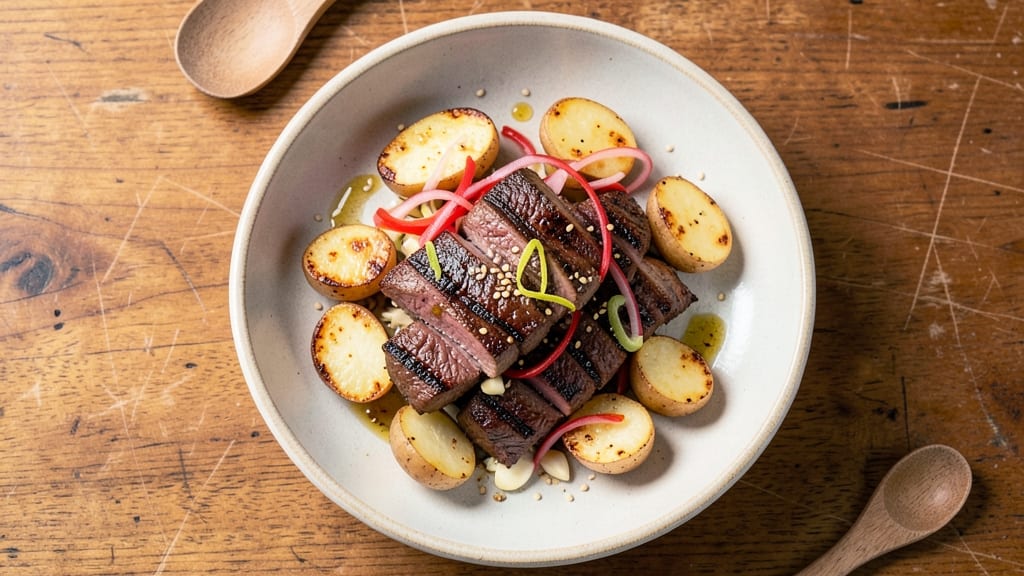
This Asian beef and potatoes recipe transforms simple ingredients into a restaurant-worthy dish with wok-seared beef and tender potatoes bathed in a silky soy-ginger sauce. The secret lies in high-heat searing for crispy edges while keeping the centers juicy—just like your favorite Asian bistro.
I developed this after years of experimenting with fusion flavors, and it never fails to impress. What sets this dish apart is the balance of textures: crispy potatoes from the wok, tender beef with a caramelized crust, and a sauce that's both sweet and savory.
The recipe combines traditional stir-fry techniques with modern twists, like a touch of sesame oil for depth and a splash of rice vinegar for brightness. It's the kind of meal that feels special but still comes together in under 45 minutes.
By the end, you'll have perfectly seared beef strips and golden potatoes tossed in a glossy sauce that clings beautifully. The aroma alone—garlic, ginger, and soy—will have everyone gathering at the table. This dish pairs equally well with steamed rice or noodles, making it versatile for any meal.
The best part? Every bite delivers that satisfying contrast of crunch and silkiness, with flavors that linger. Let's get cooking!
Ingredients for asian beef and potatoes
Here's what you need for restaurant-style Asian beef and potatoes with crispy edges and silky sauce.
| Ingredient | Amount | Notes |
|---|---|---|
| Flank Steak 🥩 | 1 ¼ lb | Thinly sliced against grain |
| Baby Potatoes 🥔 | 1 ½ lb | Halved, skin-on for texture |
| Sesame Oil 🫒 | 1 tbsp | Toasted, for aroma |
| Vegetable Oil 🫒 | ½ cup | High smoke point for wok |
| Fresh Ginger 🌿 | 2 tbsp | Finely grated, peeled |
| Garlic Cloves 🧄 | 6 cloves | Minced, aromatic base |
| Low-Sodium Soy Sauce 🍶 | ½ cup | Kikkoman preferred |
| Rice Vinegar 🍶 | 2 tbsp | For brightness |
| Honey 🍯 | 1 ½ tbsp | Wildflower preferred |
| Sesame Seeds 🌱 | 1 tbsp | Toasted for garnish |
| Green Onions 🧅 | 3 whole | Sliced, for freshness |
| Salt 🧂 | 1 ½ tsp | Kosher or sea salt |
| Black Pepper 🌶️ | ½ tsp | Freshly cracked |
| White Pepper 🌶️ | ¼ tsp | Subtle heat |
| Cornstarch 🌾 | 1 tbsp | For sauce thickening |
The beef makes or breaks this dish. Flank steak is ideal—lean but flavorful, and it slices beautifully against the grain. Grab it from the butcher counter if possible—they'll slice it thin for you. I always buy organic flank steak from Whole Foods when I can, but the regular supermarket stuff works too. Look for good marbling and avoid any with a strong odor. Baby potatoes are a game-changer here—they cook faster and stay crispier than regular potatoes. Trader Joe's has pre-cut baby potatoes in the frozen section if you're short on time, but fresh is always better.
No flank steak? Sirloin or ribeye work too, but slice them extra thin. Running out of baby potatoes? Regular potatoes cut into 1-inch chunks are fine, but they'll take longer to cook. The sesame oil is non-negotiable for that authentic aroma, but if you're avoiding it, toasted peanut oil gives a similar depth. For the sauce, I use Kikkoman soy sauce because it's balanced, but any low-sodium soy sauce works. The cornstarch is key for that glossy finish—don't skip it. If you don't have it, arrowroot powder works at a 1:1 ratio.
This dish reheats beautifully—just toss everything with a little extra oil and reheat in a hot pan. Keeps for 3 days in the fridge, but honestly, it's best eaten fresh. The sauce can be made ahead and stored separately for 1 week. For meal prep, I portion the beef and potatoes into containers with a little sauce on the side. Add fresh green onions and sesame seeds when serving to keep things bright. The leftovers actually taste better the next day as the flavors meld.
Why You'll Love This Recipe
- One-Pan Magic: I swear by this when I’m too tired to scrub pots—just toss everything on a sheet pan, roast, and walk away. The potatoes crisp up while the steak caramelizes, and honestly? That sesame oil finish ties it all together without extra effort.
- Umami Bomb: Between the ginger’s sharp bite and the sesame oil’s nutty depth, this dish hits different. The flank steak stays tender but packs a punch, and the potatoes soak up all the savory goodness—like a cozy hug in a skillet.
- Lunchbox Hero: Between us, this is my go-to for meal prep. Slice the steak thin, mix with cooled potatoes, and pack it in containers—no reheating needed. My kids actually eat their veggies (well, the potato side) because it’s that good.
- Budget Steakhouse Vibes: Flank steak on sale? Yes, please. A pound feeds four, and the potatoes stretch the meal further. Leftovers? Even better cold the next day—just drizzle extra sesame oil and call it a day. Fancy without the price tag.
Step-by-step instructions for wok-seared beef and potatoes
Here's how to create a perfect balance of crispy potatoes and tender beef with that signature Asian soy-ginger sauce.
Prep the Potatoes and Marinate the Beef
Start by halving the 1.5 lb baby potatoes lengthwise, leaving the skin on for texture. Toss them in a bowl with 1 tbsp vegetable oil, 1.5 tsp salt, 0.5 tsp black pepper, and 0.25 tsp white pepper. Spread them on a baking sheet and roast at 425°F for 25 minutes, flipping halfway, until they're golden and tender when pierced with a fork.
While the potatoes roast, slice the 1.25 lb flank steak thinly against the grain into ¼-inch strips. In a bowl, combine 0.5 cup low-sodium soy sauce, 2 tbsp rice vinegar, 1.5 tbsp honey, 2 tbsp finely grated ginger, and 6 minced garlic cloves. Add the beef strips and marinate for at least 30 minutes—this ensures maximum flavor absorption and tender meat.
Wok-Sear the Beef to Perfection
Heat 0.5 cup vegetable oil in a wok or large skillet over high heat until shimmering. Working in batches to avoid overcrowding, add the marinated beef and sear for 2-3 minutes until deep golden brown and cooked through. The high heat is key here—it creates that signature wok-seared texture while keeping the beef tender.
Remove the beef and set it aside. You'll notice the oil will be slightly darkened from the caramelized beef—this is flavor gold. If the oil starts smoking too heavily, reduce the heat slightly but keep it hot enough to maintain that sear.
Build the Silky Soy-Ginger Sauce
In the same wok, reduce the heat to medium and add 1 tbsp sesame oil. Stir in 1 tbsp cornstarch to thicken the sauce. Slowly pour in ½ cup water while stirring constantly to create a smooth, glossy sauce. Let it simmer for 1-2 minutes until it thickens to a light coating consistency.
Return the seared beef to the wok and toss to coat evenly in the sauce. Add the roasted potatoes and toss everything together. The potatoes should absorb the sauce while staying crispy—this is where the magic happens. Cook for an additional 2 minutes to meld all the flavors.
Finish and Serve with Fresh Garnishes
Remove from heat and let the dish rest for 2 minutes—this allows the sauce to set slightly and the flavors to settle. Stir in 3 sliced green onions and 1 tbsp toasted sesame seeds just before serving. These final touches add freshness and crunch that balance the rich, savory flavors.
Serve immediately while everything is still warm. The contrast of crispy potatoes, tender beef, and that glossy soy-ginger sauce makes every bite exciting. For extra drama, garnish each serving with an additional sprinkle of sesame seeds and a drizzle of sesame oil right before eating.
Pro Tips For Making Asian Beef And Potatoes
- SEAR STEAK IN BATCHES: Flank steak releases a ton of liquid when searing—if you crowd the pan, you’ll steam it instead of brown it. Cut it into thin strips first, then cook in two rounds. The first batch gets a proper crust; the second joins when the pan’s hot again.
- PARBOIL POTATOES UNTIL TENDER: Baby potatoes take forever to cook through if you skip this step. Boil them 8-10 minutes until you can pierce them with a fork—no need to fully soften yet. They’ll finish crisping in the pan while the steak cooks, and you’ll avoid mushy, sad potatoes.
- GINGER SLICE THINLY, THEN SMASH: Fresh ginger is stubborn. Instead of grating it (which makes the dish bitter), slice it paper-thin with a knife, then smash it with the flat side of your knife or a heavy pan. It releases more flavor and dissolves cleanly into the sauce—no clumps.
- USE SESAME OIL LAST: That tiny bottle of sesame oil isn’t just for flavor—it’s for aroma. Add it at the very end, right when the dish hits the table, so the nutty, toasty scent doesn’t burn off. A few drops over everything makes the whole dish smell like a street cart.
Wine and beer pairings for asian beef and potatoes
Crisp White Wine
For this dish, I always reach for a dry Riesling or Pinot Grigio—both offer bright acidity that cuts through the richness of the soy-ginger sauce.
A chilled German Riesling with its citrus notes and subtle sweetness mirrors the honey in the sauce, while an Italian Pinot Grigio from Alto Adige provides crisp minerality. Serve at 45-50°F to enhance the dish's fresh flavors. 🍷
Light Lager Pairing
A Japanese lager like Asahi Super Dry or Sapporo complements the dish beautifully with its clean, crisp profile. The subtle malt sweetness balances the umami from the soy sauce, while the effervescence cleanses the palate between bites.
For a local twist, try a German Helles—its malty backbone stands up to the beef's richness. Keep it well-chilled at 38-42°F.
Sake for Sophistication
If you're feeling adventurous, serve dry junmai sake (like Dassai 23) chilled to 40°F. The nutty, mineral notes of junmai enhance the dish's depth, while the slight acidity brightens the soy sauce.
For a sweeter option, nikka yubari adds a delicate floral note that pairs wonderfully with the honey. Pour it in small cups to savor alongside each bite. 🍶
Beer Alternative
For beer lovers, a Belgian witbier like Hoegaarden or Stella Artois works surprisingly well. The coriander and citrus notes in witbiers echo the ginger and rice vinegar in the sauce, while the effervescence keeps the meal feeling light.
Avoid heavy stouts or IPAs—they'll overpower the delicate flavors. Serve at 40-45°F for the best experience. 🍺
Non-Alcoholic Options
Don't overlook sparkling yuzu soda or green tea soda for a refreshing, alcohol-free pairing. The citrusy yuzu complements the ginger and soy sauce perfectly, while the carbonation keeps the meal feeling vibrant.
For a warmer option, hot jasmine tea with a touch of honey enhances the dish's umami without competing flavors. 💚
Nutrition facts
Frequently asked questions
Can I use regular potatoes instead of baby potatoes?
Yes, but you'll need to adjust the cooking time. Cut regular potatoes into 1-inch chunks and roast them for 30-35 minutes at 425°F instead of 25 minutes. They'll take longer to cook through but will still develop crispy edges.
What's the best cut of beef for this recipe?
Flank steak is ideal because it's lean, flavorful, and slices beautifully against the grain. If you can't find it, sirloin or ribeye work too—just slice them extra thin (¼-inch strips) for best results.
How do I prevent the beef from drying out?
Marinate the beef for at least 30 minutes before cooking, and sear it over high heat for only 2-3 minutes per batch. Avoid overcrowding the pan—cook in batches if needed. The cornstarch in the sauce also helps keep everything moist.
Can I make this dish ahead of time?
Cook the beef and potatoes separately, then store them in the fridge for up to 3 days. Reheat gently in a pan with a little oil, then toss with fresh sauce. For the sauce, make it ahead and store it separately for 1 week. Add fresh green onions and sesame seeds when serving.
What if I don't have sesame oil?
No problem! Use toasted peanut oil or neutral oil like vegetable or canola oil. While sesame oil adds authentic aroma, the dish will still taste delicious. Just add a pinch of extra salt to compensate for the missing depth.