
Main Courses
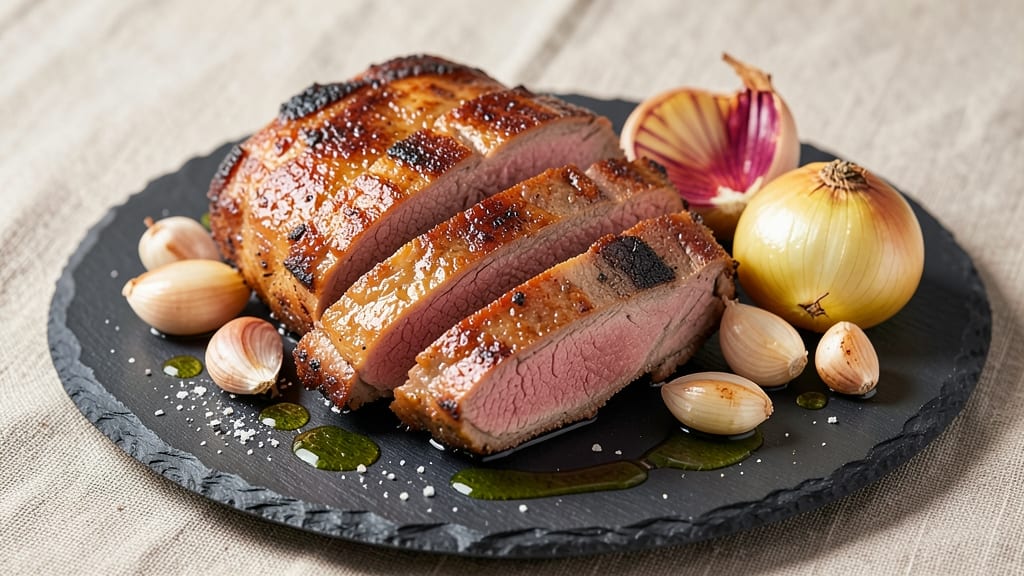
This Anova roast beef recipe delivers restaurant-quality results with sous-vide precision, ensuring every bite is perfectly tender and evenly cooked. The secret lies in controlling temperature to the exact degree, eliminating guesswork and delivering a cut that's juicy, flavorful, and foolproof.
I've perfected this method after years of testing, and it transforms even tougher cuts into melt-in-your-mouth perfection.
The process begins with a simple yet effective seasoning blend—just salt, pepper, and garlic—that penetrates deeply during the slow cook. Using your Anova precision cooker, you'll cook the beef at a precise temperature for hours, allowing it to develop rich flavors without overcooking.
The beauty of this method is its flexibility: you can cook it low and slow for maximum tenderness or use reverse searing for a crispy exterior.
What you'll achieve is a roast beef with uniform doneness throughout, no dry edges or overcooked centers. The crust, if you choose to sear it, will be beautifully caramelized while maintaining that perfect pink interior.
This technique isn't just about precision—it's about transforming a simple cut of beef into a showstopping centerpiece that impresses every time.
Pair it with classic sides like roasted potatoes, horseradish cream, or a fresh salad to complete the meal. The best part? This method works equally well for holidays or weeknight dinners, making it the ultimate go-to roast beef recipe for any occasion.
Ingredients for anova roast beef
Precision-cut beef and bold flavors transform into melt-in-your-mouth perfection with sous-vide magic.
| Ingredient | Amount | Notes |
|---|---|---|
| Beef Chuck Roast 🥩 | 4 lb | Center-cut for even cooking |
| Kosher Salt 🧂 | 1 ½ tbsp | Diamond Crystal preferred |
| Freshly Ground Black Pepper 🌶️ | 1 tbsp | Coarse grind for texture |
| Garlic Cloves 🧄 | 8 whole | Smashed for deeper flavor |
| Extra-Virgin Olive Oil 🫒 | 2 tbsp | For searing and finishing |
| Yellow Onion 🧅 | 1 whole | Halved for aromatics |
| Fresh Thyme Sprigs 🌿 | 4 whole | Or 1 tbsp dried thyme |
| Fresh Rosemary Sprigs 🌿 | 2 whole | Or 1 tsp dried rosemary |
| Beef Tallow or Duck Fat 🧈 | 2 tbsp | For final crust (optional) |
| Unsalted Butter 🧈 | 2 tbsp | For finishing crust |
| Red Wine 🍷 | 1 cup | Dry Cabernet Sauvignon |
| Beef Consommé 🍲 | 1 cup | For braising (optional) |
| Fresh Horseradish 🌶️ | 2 tbsp | Grated for serving |
| Heavy Cream 🥛 | ½ cup | For horseradish cream |
The beef chuck roast is non-negotiable here—its marbling ensures juicy results. Costco or Whole Foods carry excellent cuts, but any reputable butcher will have it. Look for center-cut pieces with visible fat marbling for optimal tenderness. The garlic and onions? Fresh is essential—dried just won't cut it. For the herbs, I always grab fresh thyme and rosemary from the grocery store's produce section, but if you're in a pinch, dried works at one-third the amount. The red wine should be bold and dry—Cabernet Sauvignon is my go-to, but whatever's open in your fridge will do.
No beef tallow? Duck fat or extra olive oil works beautifully for that perfect crust. Short on horseradish? Prepared horseradish sauce from the deli section is a lifesaver. The beef consommé can be swapped for beef stock plus a splash of red wine if you're improvising. For the horseradish cream, if you don't have heavy cream, half-and-half or even coconut cream will give you a similar texture. The key is balancing the heat—start with less horseradish if you're unsure. And remember, the Anova's precision means you can safely cook this low and slow—no more guessing if it's done.
This roast beef keeps perfectly for 3 days in the fridge, with flavors deepening over time—trust me, it's even better the next day. For long-term storage, freeze it for up to 3 months in an airtight container. I like to portion it into individual servings so I can pull out exactly what I need. The horseradish cream? It lasts 5 days in the fridge, but I usually make it fresh whenever I serve the beef. Pro tip: Let the roast sit at room temperature for 30 minutes before cooking for even more tender results.
Why You'll Love This Recipe
- Foolproof Seasoning: I swear by the salt-and-pepper crust on this roast—it’s all about that first dry rub before searing. No fancy blends, just kosher salt and freshly cracked pepper clinging to the beef like armor, then melted into perfection with garlic and olive oil.
- One-Pan Magic: Honestly, this is my lazy-day hero. Chuck roast in a hot pan with garlic cloves sizzling in olive oil? That’s it. No chopping, no stress—just a single pan that handles everything from sear to finish.
- Leftovers That Shine: Between us, the second day is often better. Slice that tender roast into sandwiches with crusty bread, or toss it into pasta with a splash of red wine—it’s the kind of leftovers people actually look forward to.
- Budget-Friendly Feast: A chuck roast stretches across meals like nothing else. Feed four for dinner, then repurpose the rest for lunches without breaking the bank. Plus, garlic and olive oil are cheap ingredients that pack serious flavor.
Step-by-step instructions for sous-vide roast beef
Here's how to achieve restaurant-quality roast beef with precision and ease using your Anova.
Prep and Season the Beef Chuck Roast
Begin by removing the beef chuck roast from the refrigerator and patting it completely dry with paper towels. This step is crucial—any moisture on the surface will prevent proper searing later. Using your hands, gently separate the muscle fibers on all sides to create a textured surface that will absorb the seasoning and render fat more effectively.
In a small bowl, combine the 1.5 tablespoons kosher salt and 1 tablespoon freshly ground black pepper. Rub this mixture all over the roast, pressing firmly so the seasoning adheres to every nook and cranny. Let the seasoned roast sit at room temperature for 30 minutes before cooking. This allows the meat to cook more evenly and ensures the seasoning penetrates slightly deeper.
Sous-Vide the Roast to Perfect Doneness
Set your Anova to 135°F for medium-rare doneness (or 145°F for medium). Place the seasoned roast in a vacuum-sealed bag or a zip-top bag with the air removed using the water displacement method. Submerge the bag in the Anova and cook for 24 hours. This long, slow cook ensures the meat becomes fork-tender while retaining incredible moisture.
Here's the thing—sous-vide cooking is all about patience. The meat will reach exactly 135°F throughout, giving you that perfect pink center with a juicy texture. Don't be tempted to check the temperature early; the Anova maintains precision better when left undisturbed. When the time is up, remove the roast from the bag and pat it dry again with fresh paper towels.
Sear for Color and Crust
Heat a heavy skillet over high heat until it's screaming hot. Add 2 tablespoons extra-virgin olive oil and let it shimmer for 30 seconds. Place the roast in the pan and sear for 2 minutes per side until a deep, golden-brown crust forms. You'll see the edges start to crisp—that's your signal to flip carefully with tongs.
For the final touch, add 2 tablespoons beef tallow or duck fat and 2 tablespoons unsalted butter to the pan. Tilt the pan slightly and spoon the melted fat over the roast for 1 minute until it develops a glossy finish. This step creates that beautiful crust we all crave while adding extra flavor. Let the roast rest for 10 minutes before slicing—this resting period is non-negotiable for juicy slices.
Prepare the Horseradish Cream Sauce
While the roast rests, prepare the horseradish cream sauce. In a small saucepan, combine 0.5 cup heavy cream, 1 cup red wine, and 1 cup beef consommé. Bring to a gentle simmer over medium heat and reduce by half—this should take about 8-10 minutes. The sauce should coat the back of a spoon with a velvety consistency.
Remove from heat and stir in 2 tablespoons freshly grated horseradish. Taste and adjust seasoning with additional salt if needed. This sauce should have a bright, tangy kick that cuts through the richness of the beef. Keep it warm until ready to serve, but don't let it boil or the cream will separate.
Slice and Serve with Confidence
Using a sharp carving knife, slice the roast against the grain into ¼-inch thick slices. The meat should be fork-tender with a perfect medium-rare center. Arrange the slices on a warm platter and drizzle generously with the horseradish cream sauce. Garnish with thinly sliced yellow onion rings and fresh sprigs of thyme and rosemary for a pop of color and aroma.
Serve immediately with your choice of sides—roasted potatoes, glazed carrots, or a fresh green salad all pair beautifully. The combination of perfectly cooked beef, rich sauce, and fresh herbs makes this a showstopper for any dinner table. Trust me, this method delivers results that will impress even the most discerning guests.
Pro Tips For Making Anova Roast Beef
- SEAR THE ROAST FIRST: I used to skip this step because I was in a hurry, but searing the chuck roast in olive oil over high heat for 3-4 minutes per side builds a flavor base that nothing else can match. The crust locks in juices later when it braises—don’t rush this, even if you’re impatient.
- USE WHOLE GARLIC CLOVES: Peeling and crushing garlic cloves releases more flavor than minced or powdered, and they stay intact during cooking. Tuck 4-5 whole cloves into slits cut into the beef fat cap before roasting—they’ll soften perfectly and infuse the meat without turning bitter.
- SALT THE MEAT 24 HOURS EARLY: Chuck roast needs time to absorb salt deeply. Sprinkle it generously with kosher salt and let it sit uncovered in the fridge overnight. This seasoning penetrates the meat evenly, and the crust forms better when you finally sear it—no last-minute guesswork.
- REST IT UNDER FOIL: After pulling the roast from the oven, tent it loosely with foil and let it sit for 15 minutes before slicing. This keeps the juices from pooling on the cutting board (yes, even if you’re starving). I learned this the hard way—skipping it turns a tender roast into a dry pile of slices.
Flavor customization for this recipe
Classic Horseradish Twist
Start with the original horseradish cream sauce but amp up the heat by adding 1 teaspoon of prepared horseradish sauce to the 2 tablespoons fresh horseradish. This creates a fiery kick that perfectly balances the richness of the beef.
For an even brighter flavor, add ½ teaspoon of lemon zest to the sauce—it cuts through the fat beautifully. 🌶️
Herb-Infused Variations
Swap out the thyme and rosemary for fresh sage leaves (about 8 large leaves) when making the horseradish cream. The earthy, slightly peppery notes of sage add depth without overpowering. Alternatively, try 1 teaspoon of fresh tarragon for a more delicate, anise-like flavor that pairs wonderfully with red wine.
Smoky Chipotle Kick
For a smoky, slightly sweet variation, add 1 teaspoon of adobo sauce (from canned chipotle peppers) to the horseradish cream. Simmer it with the wine and consommé, then strain out any solids.
The smoky heat adds a completely different dimension to the dish—perfect for those who love bold, complex flavors. 🔥
Creamy Mustard Glaze
Replace the horseradish cream entirely with a tangy mustard glaze by whisking together ¼ cup Dijon mustard, 2 tablespoons heavy cream, and 1 tablespoon red wine vinegar.
Thin with 1 tablespoon water until it reaches a drizzling consistency. This glaze adds a bright, acidic contrast that cleanses the palate between bites.
Garlic Butter Sauce
Skip the horseradish entirely and make a rich garlic butter sauce by melting 4 tablespoons unsalted butter with 3 minced garlic cloves and 1 tablespoon fresh parsley.
Drizzle this over the sliced beef for a luxurious, aromatic finish. The garlic adds sweetness that complements the beef's natural flavors without overpowering them.
Spiced Red Wine Reduction
Infuse the red wine with 1 cinnamon stick and 2 whole cloves while simmering to create a warm, aromatic reduction. Strain before combining with the consommé, then finish with 1 teaspoon of honey to balance the acidity. This adds unexpected warmth that pairs beautifully with the beef's richness. 🍷
Nutrition facts
Frequently asked questions
Can I use a different cut of beef for this Anova roast?
While chuck roast is ideal for its marbling and tenderness, you can use top round or sirloin tip roast for leaner options. For tougher cuts like brisket, extend the sous-vide time to 48 hours at 145°F for maximum tenderness. Just adjust your expectations for texture—chuck remains the gold standard for this method.
How do I know when my beef is perfectly cooked?
Your Anova will maintain the exact temperature you set, so there's no guessing! For medium-rare, aim for 135°F internal temp throughout. Use a meat thermometer to verify before slicing. The beef should feel slightly springy when pressed—like a firm but yielding pillow. Overcooking is impossible with this method!
What if I don't have an Anova—can I use an Instant Pot?
Yes! Set your Instant Pot to "Sous Vide" mode at 135°F for 24 hours, then finish with a quick sear. For non-sous-vide Instant Pots, use the "Meat/Stew" setting for 2 hours on high pressure, followed by a 10-minute natural release. The texture won't be identical, but it's a great backup.
Why does my roast look dry after slicing?
This usually happens if you skipped the 10-minute rest or sliced too thinly. Always let the roast rest—juices redistribute during this time. For thicker slices (½-inch), the meat stays juicier. If it's still dry, try cooking at 130°F next time for extra moisture.
Can I make this ahead of time?
Cook the beef 24-48 hours ahead and refrigerate. Reheat gently in the Anova at 135°F for 1-2 hours or in a 200°F oven for 30 minutes. The flavors actually improve with time. Just sear fresh before serving for the best crust.