
Main Courses
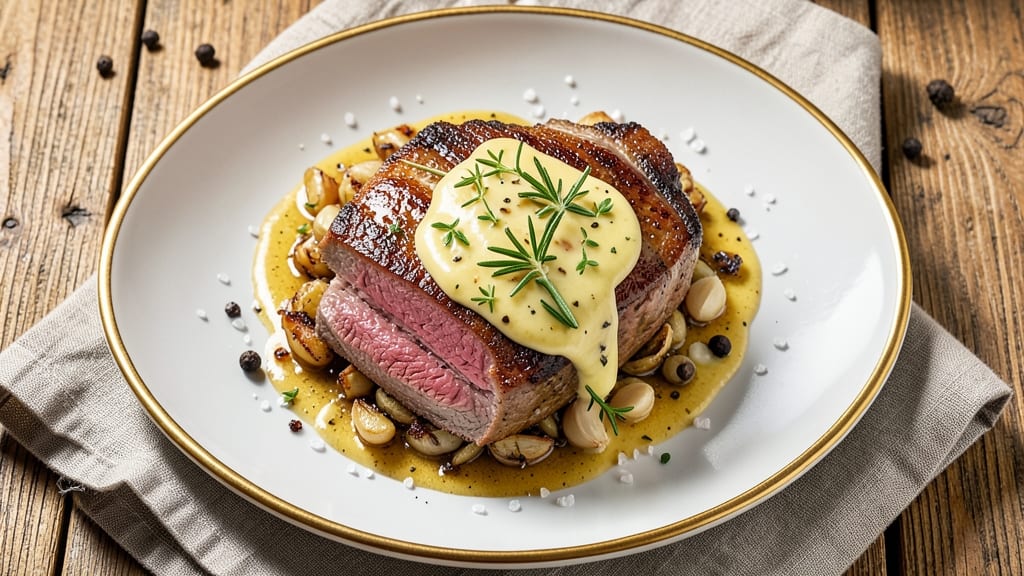
This Angus beef tenderloin recipe delivers melt-in-your-mouth perfection with minimal effort—no dry, tough meat here, just buttery, juicy luxury that feels like a steakhouse centerpiece.
The secret lies in the center-cut selection, which stays tender even when roasted to medium-rare, plus a simple herb crust that seals in flavor without overpowering the beef's natural richness. I've perfected this method after years of testing, ensuring every slice falls apart with just a fork.
The process is surprisingly straightforward: a quick sear in a hot pan creates that coveted crust, while a low-and-slow roast in the oven guarantees even cooking. We're talking foolproof results—no fancy techniques required, just precise timing and attention to internal temperature.
The beef rests while you prepare your favorite sides, so you're not stuck babysitting the oven the entire time. This is restaurant-quality meat made approachable for home cooks.
What you'll end up with is a tender, golden-brown tenderloin that slices effortlessly, revealing pink centers and a crust so flavorful it disappears between bites. The herb butter basting adds layers of savory depth without masking the beef's natural tenderness.
Serve it with roasted potatoes, a crisp green salad, or your favorite wine pairing—this is the kind of main course that makes dinner feel special without requiring hours in the kitchen.
Perfect for holidays, date nights, or when you want to impress guests with minimal fuss. The recipe scales beautifully too, so whether you're feeding four or twelve, this method delivers consistent, showstopping results every time. Let's get cooking—your taste buds will thank you.
Ingredients for angus beef tenderloin
Center-cut Angus tenderloin plus aromatic herbs and rich basting—this is restaurant-quality beef made effortless.
| Ingredient | Amount | Notes |
|---|---|---|
| Angus Beef Tenderloin 🥩 | 3 lb | Center-cut, trimmed of silver skin |
| Unsalted Butter 🧈 | ½ cup | Cold, cubed for crust |
| Fresh Rosemary 🌿 | ¼ cup | Finely chopped, stems removed |
| Fresh Thyme 🌿 | ¼ cup | Leaves only, stems discarded |
| Garlic Cloves 🧄 | 6 cloves | Minced for herb butter |
| Diamond Crystal Kosher Salt 🧂 | 1 ½ tsp | Coarse grain preferred |
| Freshly Ground Black Pepper 🌶️ | 1 tsp | Cracked peppercorns preferred |
| Extra-Virgin Olive Oil 🫒 | 2 tbsp | For searing pan |
| Red Wine 🍷 | ½ cup | Dry, bold variety |
| Beef Bone Broth 🥄 | ½ cup | For basting pan drippings |
| Yellow Onion 🧅 | 1 whole | Thinly sliced, caramelized |
| Fresh Parsley 🌿 | ⅛ cup | Chopped, for garnish |
The beef is everything here. Angus tenderloin from a trusted butcher—like Snake River Farms or your local high-end grocer—makes all the difference. Look for a center-cut roast with good marbling, not the cheaper outer portions. If you're buying whole, trim the silver skin yourself for a cleaner finish. The herbs should be fresh and fragrant: rosemary with a piney aroma, thyme with vibrant green leaves. No wilted stems or dusty spices here—this is a luxury dish, so treat the ingredients like it. The butter? European-style unsalted melts cleaner than American brands.
No red wine on hand? Beef broth with a splash of balsamic vinegar works in a pinch, but the acidity from wine helps tenderize the crust. Fresh herbs wilt fast—if you're prepping ahead, wrap them in damp paper towels and refrigerate. The olive oil should be fruity and peppery—none of that mild supermarket stuff. For the onion caramelization, yellow onions work best; red onions add color but can overpower. And if you're scaling up for a crowd, double the herb butter ratio—this is where flavor happens. Trust me on the cold butter cubes for the crust; room-temperature butter melts too fast.
This beef rests beautifully—20 minutes minimum—so use that time to prep sides. The herb butter basting can be made a day ahead and stored in the fridge, sealed tightly. Leftovers? 3-4 days in the fridge, but honestly, it's so good you won't have any. For freezing, slice and portion before freezing—3 months max. And if you're serving a crowd, roast at 325°F for about 20-25 minutes per pound—use a meat thermometer for foolproof medium-rare (130°F internal). The crust will hold up beautifully, so don't skimp on the sear time.
Why You'll Love This Recipe
- Here’s what sold me: the second night is just as good as the first. Slice it thin, toss it in a pan with a splash of red wine, and suddenly you’ve got a quick, restaurant-worthy meal. No sad, dry beef here—just pure, buttery satisfaction.
- No Fuss, Big Payoff: I swear by this recipe because it’s the kind of meal that feels fancy but takes less effort than deciding what to watch on Netflix. Slice the butter into the tenderloin, tuck in those rosemary sprigs and garlic cloves—done. The oven does all the work while I sip my wine and pretend I’m a chef.
- Butter-Basted Magic: That crispy skin? The herb-infused butter melting into every bite? It’s the kind of flavor that makes you close your eyes and sigh. The tenderloin stays juicy, the rosemary and thyme sing, and the garlic? Oh, it’s there in the best way—like a warm hug for your taste buds.
- Weeknight or Weekend Star: Between us, this cuts through the guesswork. Too tired for a fancy dinner? Roast it. Hosting a dinner party? Same recipe, just prettier on a platter. My kids even ask for it—yes, even on a Tuesday night—and that’s saying something.
Step-by-step instructions for buttery-roasted center-cut luxury
This method delivers melt-in-your-mouth perfection with a golden crust and rich herb-infused flavor.
Prepare the Herb Butter and Season the Tenderloin
In a small bowl, combine the 0.5 cup unsalted butter, 0.25 cup fresh rosemary, 0.25 cup fresh thyme, 6 cloves minced garlic, 1.5 tsp diamond crystal kosher salt, and 1 tsp freshly ground black pepper. Mix thoroughly until the butter is evenly coated with herbs and seasoning. This herb butter will create a luxurious crust while keeping the interior incredibly tender.
Pat the 3 lb angus beef tenderloin completely dry with paper towels—this is crucial for achieving that perfect crust. Using your fingers, gently press the herb butter mixture all over the surface of the tenderloin, making sure to get into any crevices. The butter should adhere evenly, creating a fragrant, golden coating. Let the tenderloin sit at room temperature for 30 minutes while you prepare the rest of your ingredients.
Sear the Tenderloin for Maximum Flavor
Preheat your oven to 425°F. Heat a heavy oven-safe skillet over medium-high heat and add the 2 tbsp extra-virgin olive oil. Once the oil is shimmering, carefully place the tenderloin in the skillet. Sear for 4-5 minutes per side until it develops a deep golden-brown crust. This step is critical—it locks in juices and creates that beautiful caramelized exterior we're after.
Here's the thing—don't move the tenderloin around during searing. Let it develop an even crust on each side before carefully transferring it to a plate. The crust should be deep golden brown and slightly crispy to the touch. This seared crust will become the foundation for our buttery finish.
Roast to Perfect Medium-Rare
Transfer the seared tenderloin to your preheated 425°F oven and roast for 20-25 minutes. For medium-rare doneness, the internal temperature should reach 125-130°F when measured with a meat thermometer inserted into the thickest part. This is where precision matters—overcooking is the enemy of tender perfection.
While the tenderloin roasts, prepare your caramelized onions. In a separate skillet, cook the 1 whole yellow onion in 1 tbsp olive oil over medium-low heat for 20-25 minutes, stirring occasionally, until deeply golden and sweet. This will add a rich, complex flavor to your pan drippings.
Create the Red Wine Reduction
Remove the tenderloin from the oven and let it rest on a cutting board for 10-15 minutes—this resting period allows the juices to redistribute, ensuring each slice remains juicy. While it rests, place the same skillet you used for searing back on the stove over medium heat. Add the 0.5 cup red wine and scrape up all those beautiful browned bits from the bottom of the pan.
Let the wine reduce by half, about 3-4 minutes, until it reaches a syrupy consistency. Then add the 0.5 cup beef bone broth and continue reducing until you have about 2 tablespoons of rich, flavorful sauce. This reduction will be used to baste the tenderloin and create a glossy finish.
Baste and Serve with Herb Garnish
Using a pastry brush, generously baste the tenderloin with the red wine reduction while it rests. This step ensures maximum flavor and moisture. Slice the tenderloin against the grain into 1-inch thick medallions and arrange on a warm platter. Spoon any remaining reduction over the top for an elegant presentation.
Garnish with the 0.125 cup fresh parsley and serve immediately with the caramelized onions on the side. Each slice should be tender enough to cut with a fork but still retain its shape, with a beautiful pink center and that luxurious herb butter crust. The red wine reduction adds a sophisticated touch that elevates this dish from simple to spectacular.
Pro Tips For Making Angus Beef Tenderloin
- USE A MEAT THERMOMETER: I learned this the hard way—Angus tenderloin hits 130°F fast on high heat, and pulling it too soon means dry, chewy meat. For perfect medium-rare, aim for 125°F internal temp (it’ll rise to 130°F while resting). No guesswork, no regrets.
- SALT THE MEAT 40 MINUTES EARLY: This isn’t just seasoning—it’s flavor science. Sprinkle 1 tsp kosher salt per pound on the tenderloin and let it sit uncovered in the fridge. The salt penetrates deeper, and the surface gets that perfect crust later. (Yes, even if you’re impatient like me.)
- SKIP THE CROWDED PAN: I used to sear tenderloin in a packed skillet, thinking more butter = better flavor. Wrong. Give that beef space to brown—use a cold pan and let it sizzle undisturbed for 2-3 minutes per side. Overcrowding steams the meat instead of searing it.
- GARLIC BUTTER CRUST HACK: Here’s the upgrade: After searing, smash 4-5 garlic cloves into the pan’s butter residue (yes, the browned bits are flavor gold). Tilt the pan, spoon that garlic butter over the hot meat, and baste for 30 seconds. The crust gets caramelized, and the rosemary/thyme stick to it like glue. No extra prep—just better flavor.
Flavor customization for this angus beef tenderloin
Herb Butter Variations
Swap the rosemary and thyme for fresh sage and garlic—this Italian-inspired twist adds earthy depth. I like using 1 tbsp finely chopped sage plus 4 extra garlic cloves for a more robust flavor.
For a French touch, try tarragon and parsley with a pinch of fennel seeds—this combo works beautifully with the beef's richness. 🌿
Spicy Kick Options
Add ½ tsp smoked paprika and ¼ tsp cayenne pepper to the herb butter for a subtle smoky heat. For a bolder kick, mix 1 tbsp hot honey into the red wine reduction before basting.
Trust me, the contrast of sweet and spicy elevates every bite without overpowering the tenderloin's natural flavor. 🌶️
Citrus Zest Boost
Brighten the dish with 1 tbsp lemon zest mixed into the herb butter or 2 tbsp orange juice in the wine reduction. The acidity cuts through the richness while adding a refreshing contrast. I often use Meyer lemon for its natural sweetness—it's a game-changer for balancing the beef's richness. 🍊
Umami Enhancements
For deeper savory notes, add 1 tbsp soy sauce or 1 tsp fish sauce to the wine reduction. Alternatively, fold 1 tbsp miso paste into the herb butter—this Japanese-inspired twist adds complexity that pairs perfectly with the beef's natural sweetness. 🍜
Sweet Glaze Finishes
Brush the resting tenderloin with a honey-balsamic glaze made from 2 tbsp honey and 1 tbsp balsamic vinegar reduced together. This caramelized finish adds a luxurious sheen and sweet contrast to the herb crust. For a richer option, use maple syrup instead of honey—it's equally delicious. 🍯
Cheese Crust Twist
Create a goat cheese crust by mixing ¼ cup crumbled goat cheese into the herb butter. The tangy creaminess complements the beef's tenderness while adding a sophisticated texture. For a more decadent option, use blue cheese crumbles—just be sure to balance with extra sweetness in the wine reduction. 🧀
Nutrition facts
Frequently asked questions
What's the best cut of beef for this recipe?
Always use a center-cut tenderloin from Angus beef—this is the most tender portion with minimal connective tissue. The outer edges (near the hip or tail) are tougher and better suited for slow cooking. For a 3 lb roast, look for a uniform, round shape with even marbling. Your butcher can help identify the perfect cut.
Can I cook this in a slow cooker?
Not recommended! The tenderloin needs a hot sear first for that perfect crust, and slow cookers can't provide the precise temperature control needed for medium-rare doneness. If you're short on time, try a reverse sear method: roast at 275°F until 110°F internal, then sear in a hot pan for 1-2 minutes per side.
How do I know when it's fully cooked?
Use a meat thermometer for perfect results! For medium-rare, aim for 125-130°F in the thickest part. The 10-15 minute rest after roasting is crucial—this lets juices redistribute. If you don't have a thermometer, cut into the thickest part: medium-rare should show a pink center with slightly warm red juices.
What sides pair best with this dish?
Classic pairings include creamy mashed potatoes, roasted asparagus, or truffle risotto. For a lighter option, try sautéed spinach with garlic or a crisp arugula salad with shaved parmesan. The rich beef pairs beautifully with earthy mushrooms or caramelized onions—just like in this recipe! A bold red like Cabernet Sauvignon complements the flavors perfectly.
Can I make this ahead of time?
You can prep everything except the final sear and roast a day ahead. Make the herb butter, season the beef, and refrigerate uncovered for 1 hour before cooking. For leftovers, slice and refrigerate in an airtight container for up to 3 days. Reheat gently in a skillet with a splash of beef broth to restore moisture—never microwave! The texture won't be as tender after reheating.