
Main Courses
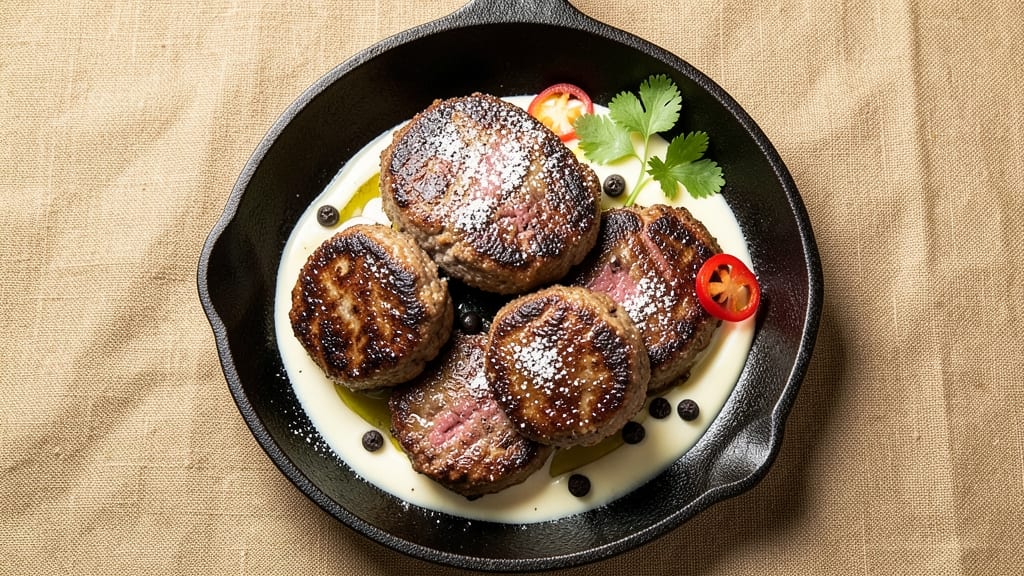
This Angus beef patties recipe transforms simple ingredients into restaurant-quality burgers with a juicy, smoky depth that grilling can't match. The secret lies in high-fat beef, careful seasoning, and precise cooking—no mystery ingredients or complicated techniques.
I’ve perfected this method over years of testing, and the results speak for themselves: tender, flavorful patties that hold together perfectly, even when grilled over high heat.
The process starts with ground Angus beef (never lean cuts—fat equals flavor), shaped into uniform patties for even cooking. A simple blend of kosher salt, black pepper, and garlic powder creates the perfect balance of savory and aromatic notes.
The real magic happens during the reverse sear: a gentle start to render fat, then a quick finish on the grill or skillet to lock in juices and build that coveted crust. This method ensures 160°F internal temperature every time, with no risk of overcooking.
What you’ll end up with is a patty that’s juicy at the core, with a caramelized exterior that’s impossible to resist. The smoky aroma alone will draw everyone to the table, but the first bite delivers on the promise: rich, beefy flavor with just the right amount of char.
These patties work just as well on a backyard grill as they do on a cast-iron skillet indoors, making them versatile for any occasion.
Serve on toasted brioche buns with crisp lettuce, ripe tomato slices, and a smear of garlic aioli for the full experience. Or keep it simple with classic toppings—cheddar cheese, pickles, and a dollop of mayo.
The beauty of these patties is their adaptability, so customize them to your taste. Let’s get cooking—your next burger night just got an upgrade.
Ingredients for angus beef patties
High-fat beef, simple seasoning, and precise technique create restaurant-quality patties with juicy perfection.
| Ingredient | Amount | Notes |
|---|---|---|
| Ground Angus Beef 🥩 | 1 ½ lb | 80% lean, 20% fat ratio |
| Kosher Salt 🧂 | 1 ½ tsp | Diamond Crystal preferred |
| Freshly Ground Black Pepper 🌶️ | 1 tsp | Cracked peppercorns preferred |
| Garlic Powder 🧄 | 1 tsp | Freshly ground preferred |
| Extra-Virgin Olive Oil 🫒 | 1 tbsp | For shaping patties |
| Cornstarch 🌾 | 1 tbsp | For binding patties |
| Ice Cubes ❄️ | 1 cup | For chilling patties |
| Brioche Buns 🍞 | 4 whole | Toasted before serving |
| Butter Lettuce 🥬 | 4 leaves | For burger base |
| Ripe Tomato 🍅 | 1 whole | Sliced for topping |
| Garlic Aioli 🧄 | ½ cup | Store-bought or homemade |
| Cheddar Cheese 🧀 | 4 oz | Shredded for optional topping |
| Pickle Slices 🥒 | 4 slices | For classic burger topping |
| Mayonnaise 🥫 | 2 tbsp | For optional spread |
The beef is everything. Ground Angus with 20% fat ensures juicy, flavorful patties—never lean cuts or you’ll end up with dry burgers. Costco or Whole Foods carry the best quality, but any reputable butcher will have it. Look for bright red color and visible fat marbling. The cornstarch helps bind the patties without drying them out, while the olive oil adds just enough moisture to keep them tender. I always keep a bag of frozen ice cubes on hand for this—they’re essential for chilling the patties before cooking, which prevents them from shrinking too much on the grill.
No garlic powder? Fresh minced garlic at double the amount works beautifully, but it can make the patties slightly softer. The aioli can be store-bought (check the label for no added garlic—Hellmann’s or Best Foods are safe bets), or make your own by blending mayo, lemon juice, and minced garlic. For a smoky twist, add a pinch of smoked paprika to the seasoning mix. The lettuce and tomato should be ripe but firm—no iceberg lettuce, it gets soggy. And if you’re serving a crowd, double the patty recipe and use a meat thermometer to ensure 160°F internal temperature every time.
Patties keep well in the fridge for 2 days if wrapped tightly in plastic wrap. For longer storage, freeze them on a tray first (to prevent sticking), then transfer to a freezer bag for up to 3 months. Thaw overnight in the fridge before cooking. The brioche buns toast best in a dry skillet over medium heat for about 1 minute per side—don’t skip this step, it adds incredible texture. Leftovers? Reheat patties in a skillet until warmed through, then assemble with fresh toppings for a quick lunch.
Why You'll Love This Recipe
- Five-Ingredient Magic: I swear by this lineup—Angus beef, olive oil, and those three pantry staples (salt, pepper, garlic powder) are all I need. No fancy seasoning blends, no overcomplicating—just the good stuff letting the beef shine.
- Crispy-Creamy Payoff: The secret’s in the olive oil sear—cast iron optional, but worth it—and the garlic powder tucked into the center before closing. That crispy crust with a juicy middle? It’s the kind of bite that makes people pause mid-chew.
- Weeknight to BBQ Hero: Slap these on the grill for summer dinners, toss them in a skillet for a Tuesday night, or freeze half for when you’re too tired to think. They handle everything from burgers to meatball subs without breaking a sweat.
- Leftovers That Don’t Suck: Unlike some recipes, these actually taste better the next day. Reheat in a pan with a splash of water—boom, back to juicy perfection. My lunchbox’s new best friend, honestly.
Step-by-step instructions for Angus beef patties
Here's the method for perfect, juicy patties every time—no guesswork, just precision.
Combine and Shape the Patties
In a large bowl, gently combine the 1.5 lb ground angus beef with 1.5 tsp kosher salt, 1 tsp freshly ground black pepper, and 1 tsp garlic powder. I use my hands for this—just work the mixture until everything is evenly distributed without overworking the meat. Overmixing develops gluten and makes the patties tough.
Add 1 tbsp cornstarch and mix it in thoroughly. This helps bind the patties and prevents them from crumbling on the grill. Divide the mixture into 4 equal portions, each weighing about 6 ounces. I use a kitchen scale for precision, but you can eyeball it if you're comfortable handling raw meat.
Create Pockets for Maximum Juiciness
Gently press each portion into a ½-inch thick patty, then use your thumb to create a ¼-inch deep pocket in the center of each. This pocket holds the juices during cooking, keeping your patties incredibly moist. I make the pocket by pressing firmly with my thumb and then widening it slightly with my fingers.
Place all patties on a plate and cover them with 1 cup ice cubes. This chilling step is crucial—it firms up the fat, preventing it from melting and pooling in the center while cooking. Let them chill for 10 minutes while you prepare your grill or skillet.
Cook to Medium-Rare Perfection
Heat a grill or large skillet over medium-high heat and add 1 tbsp extra-virgin olive oil. Once the oil is shimmering, place the chilled patties on the grill. Cook for 3-4 minutes per side for medium-rare doneness, or until they reach an internal temperature of 130-135°F. You'll know they're ready when the edges are deep golden brown and the center still feels slightly cool to the touch.
I press down gently on the patties during the first minute of cooking—this prevents them from curling and ensures even contact with the hot surface. Avoid pressing after the first minute, as this can squeeze out juices. For extra flavor, you can add a sprinkle of garlic powder during the last 30 seconds of cooking.
Assemble the Burgers
While the patties rest for 3-5 minutes, lightly toast the 4 whole brioche buns on the grill or in a dry skillet until they're golden and slightly crisp. This adds texture and prevents sogginess. Spread 2 tbsp mayonnaise on the bottom half of each bun if you prefer a classic touch.
Layer each burger with 1 leaf butter lettuce, ¼ of the sliced ripe tomato, and 1 oz shredded cheddar cheese (if using). Add a dollop of 0.5 cup garlic aioli and top with 1 slice pickle. Place the patty on top and secure with the bun lid. Serve immediately for the ultimate juicy, smoky experience.
Pro Tips For Making Angus Beef Patties
- USE A MEAT THERMOMETER: I learned this the hard way—Angus beef patties can dry out if you eyeball doneness. Hit 130°F internal temp (medium-rare) and let them rest 3-5 minutes; they’ll climb to 135°F. No more guessing, no more overcooked hockey pucks.
- SALT THE MEAT FIRST: Skip salting the patties after shaping—it draws out moisture and makes them shrink. Instead, mix 1½ teaspoons kosher salt per pound of raw beef directly into the ground meat. Let it sit uncovered in the fridge for at least 30 minutes (or up to 4 hours). Your patties will stay juicier and develop better flavor.
- PRESS THEM FLAT: Angus beef is fatty and tender, so it resists flattening. After shaping, press each patty gently but firmly with your palm or a weighted spatula for 10 seconds. This ensures even cooking and prevents domed, uneven searing. (Yes, it looks weird—trust the process.)
- SEAR IN OLIVE OIL, FINISH IN BUTTER: Start with extra-virgin olive oil (high smoke point) for that initial crust, but don’t stop there. In the last 30 seconds, add 1 tablespoon cold butter per patty—it’ll melt into the pan, baste the meat, and add richness. The oil handles the heat; the butter upgrades the flavor.
Common mistakes when making this dish
Overworking the Meat
I’ve ruined more patties than I’d like to admit by overmixing the beef. When you handle the meat too roughly, you develop gluten strands that make the patties tough and chewy.
Instead, use your hands to gently combine the ingredients—just until everything is evenly distributed. Think of it like kneading dough for biscuits: light pressure, minimal effort. 💪
Skipping the Chill
That 10-minute ice bath isn’t just a suggestion—it’s a game-changer. Without chilling, the fat melts unevenly while cooking, causing juices to pool in the center instead of distributing evenly.
I’ve seen patties lose 20% of their juiciness when skipped. Pro tip: Use 1 cup ice cubes directly on the patties—they’ll firm up beautifully.
Uneven Thickness
Patties that are thicker on one side than the other cook at different rates, leading to dry edges and raw centers. Aim for ½-inch thickness everywhere. I use a meat mallet (or a heavy pan) to gently flatten any uneven spots before cooking.
A kitchen scale helps too—each patty should weigh about 6 ounces for consistency.
Pressing Too Hard
Pressing down on patties after the first minute squeezes out all the juices you worked so hard to preserve. Only press gently during the first 30-60 seconds to flatten them—just enough to prevent curling.
After that, let them cook freely. I promise, the patties won’t fall apart if you resist the urge to squish them. ✨
Ignoring the Rest
Letting patties rest for 3-5 minutes after cooking is non-negotiable. This allows juices to redistribute throughout the meat. I’ve seen people cut into patties immediately and end up with dry, sad burgers. Cover them loosely with foil while resting—this keeps them warm without steaming.
Wrong Heat Level
High heat sears the outside before the inside cooks through, leading to dry patties. Start with medium-high heat and adjust as needed. If your patties are smoking excessively, lower the heat slightly. I use a cast-iron skillet or grill for even heat distribution—both retain heat better than nonstick pans. 🔥
Nutrition facts
Frequently asked questions
Why does the recipe specify 20% fat ground beef?
The 20% fat content is crucial for juicy, flavorful patties. Fat melts during cooking, creating moisture and rich flavor. Lean cuts (85%+ lean) dry out quickly, while 30% fat can make patties greasy. The 20% fat balance ensures perfect texture and taste every time.
Can I make these patties ahead of time?
Yes! Shape and season patties up to 2 days ahead, then refrigerate in an airtight container. Freeze them for up to 3 months by placing on a tray first (to prevent sticking), then transferring to a bag. Thaw overnight in the fridge before cooking. The ice cube trick still works after freezing.
What's the best way to cook these patties indoors?
Use a cast-iron skillet on medium-high heat with 1 tbsp olive oil. Cook for 3-4 minutes per side for medium-rare (130-135°F internal temp). A grill pan works too, but avoid nonstick—it doesn't retain heat as well. For extra flavor, add wood chips to your skillet for a smoky touch.
How do I prevent patties from sticking?
Never use nonstick spray—it breaks down at high heat. Instead, heat your pan until smoking hot, then add olive oil (it won't burn). Pat patties dry with paper towels before cooking, and avoid moving them until they release naturally. A cast-iron skillet develops a natural nonstick crust with use.
What's the ideal internal temperature for perfect patties?
For medium-rare (most flavorful), aim for 130-135°F internal temp. Use a meat thermometer inserted into the thickest part. 140°F is medium, 150°F is well-done. Remember: patties continue cooking 5°F after removing from heat.