
Main Courses
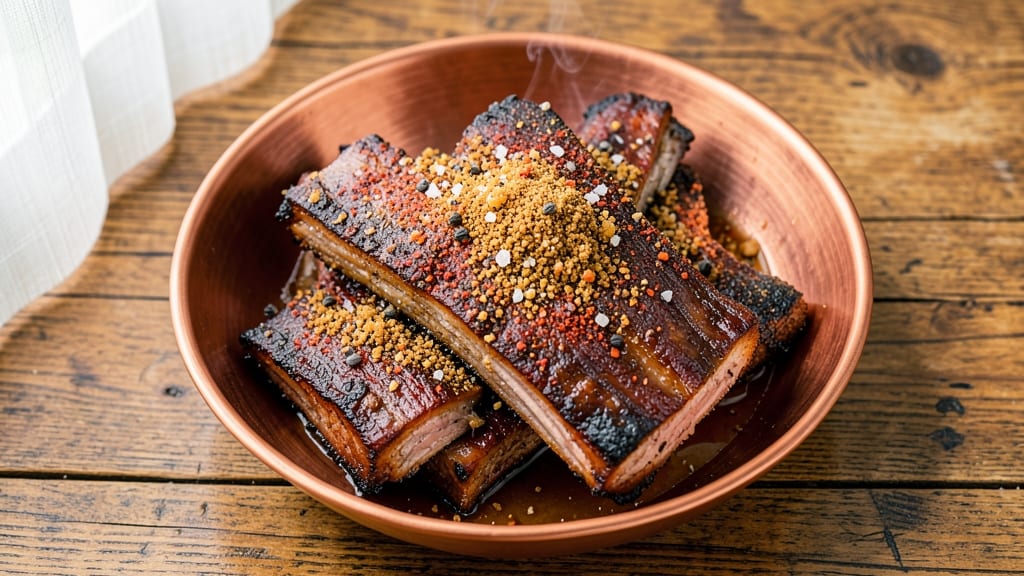
The angus beef back ribs recipe you're about to master transforms tough cuts into melt-in-your-mouth perfection through slow-smoked precision. Professional pitmasters rely on this method to develop deep, caramelized sweetness while preserving tender meat—no shortcuts, just time-tested technique.
The key lies in a 3-5 day dry brine, precise temperature control, and wood choice that enhances rather than overpowers the beef's natural richness.
What sets these ribs apart is the reverse searing approach: starting low and slow (225°F) for 8-10 hours to break down collagen, then finishing with a high-heat blast (300°F) to develop that coveted bark.
The rub—equal parts brown sugar, smoked paprika, and coarse salt—creates a flavor crust that locks in moisture while delivering complex smoky notes. Every stage requires attention, but the result is worth the effort: ribs that fall apart at the touch with a glossy, caramelized sheen.
By the final hour, your kitchen will smell like a Texas BBQ joint, and the ribs will be fall-apart tender with a crust that shatters like glass. The wood smoke infuses the meat without masking its beefy richness, while the caramelized exterior offers a perfect balance of sweet and savory.
This isn't just dinner—it's an experience that turns weeknights into special occasions.
Serve with classic sides like creamy coleslaw and buttery cornbread to soak up every last bit of that smoky, sweet juices. The leftovers reheat beautifully too—just wrap them tightly and finish with a quick broil to restore that crispy bark.
Here's exactly how to achieve restaurant-quality ribs at home, step by step.
Ingredients for angus beef back ribs
Precision-cured beef meets wood-fired technique for ribs that rival Texas BBQ pits.
| Ingredient | Amount | Notes |
|---|---|---|
| Angus Beef Back Ribs 🥩 | 4 lb | Bone-in, meaty ends preferred |
| Coarse Kosher Salt 🧂 | ½ cup | Diamond Crystal preferred |
| Light Brown Sugar 🍯 | ¼ cup | Packed, no substitutes |
| Smoked Paprika 🌶️ | 2 tbsp | High-quality, not sweet |
| Ground Black Pepper 🌶️ | 1 ½ tbsp | Freshly cracked preferred |
| Garlic Powder 🧄 | 1 tbsp | Not garlic salt |
| Onion Powder 🧅 | 1 tbsp | Freshly ground preferred |
| Mustard Powder 🌶️ | 1 tsp | Yellow or Dijon |
| Apple Cider Vinegar 🍎 | 2 tbsp | For brining |
| Hickory Wood Chips 🌳 | 2 cups | Soaked 30 mins prior |
| Unsalted Butter 🧈 | 2 tbsp | For finishing |
| Fresh Parsley 🌿 | ¼ cup | Chopped, for garnish |
| Beef Bone Broth 💧 | 1 cup | For spritzing during cook |
The Angus beef back ribs are the foundation—look for cuts with ample meat on the bones, not too lean. Local butchers often carry higher-quality rib cuts than grocery stores, and they'll trim excess fat for you. The 3-5 day dry brine is non-negotiable for tenderness; use Diamond Crystal kosher salt for optimal penetration. For the wood chips, Traeger or Cookshack brands are reliable for consistent smoke flavor without overpowering the beef's natural richness. Pre-soaking the chips prevents flare-ups and ensures steady smoke production throughout the cook.
No hickory chips? Pecan or cherry wood works well as a secondary option, though hickory's bold, smoky profile is ideal. The apple cider vinegar in the brine isn't just for acidity—it helps tenderize the collagen while adding subtle sweetness. Substituting brown sugar? Turbinado sugar at half the amount gives a similar caramelization without the molasses depth. For the rub, smoked paprika from Penzeys delivers authentic BBQ flavor, but any high-quality smoked variety will suffice. Fresh parsley isn't mandatory, but it brightens the dish—dried works in a pinch at one-third the amount.
Store prepped ribs in the fridge for up to 2 days before cooking—the longer the brine, the better the texture. The rub keeps for 3 months in an airtight container, though spices lose potency after 6 weeks. Leftover ribs reheat best wrapped in foil at 300°F for 20-30 minutes, then broiled to restore the bark. For maximum flavor retention, portion into vacuum-sealed bags and freeze for up to 6 months—thaw overnight in the fridge before reheating.
Why You'll Love This Recipe
- Five-Ingredient Magic: I swear by this combo—just salt, sugar, smoked paprika, and pepper. That’s it. The ribs practically cook themselves while you handle the rest of dinner.
- Smoky-Sweet Obsession: The brown sugar caramelizes into a sticky, glossy crust, and the smoked paprika? It turns every bite into a slow-cooked, restaurant-quality experience.
- Tailgate or Tuesday: Between us, these ribs work for game day crowds or a lazy night in. The same dry rub nails it both times—no fancy plating, just pure satisfaction.
- Leftover Luxury: I make a double batch and freeze half. Reheating in the oven turns sad leftovers into next-day hero meals with zero effort. (Yes, even on a Tuesday night.)
Step-by-step instructions for slow-smoked Angus beef back ribs
Mastering this technique transforms tough ribs into melt-in-your-mouth perfection with a caramelized crust.
Prepare the Dry Rub and Brine the Ribs
In a medium bowl, combine the 0.5 cup coarse kosher salt, 0.25 cup packed light brown sugar, 2 tbsp smoked paprika, 1.5 tbsp ground black pepper, 1 tbsp garlic powder, 1 tbsp onion powder, and 1 tsp mustard powder. Mix thoroughly until the salt and sugar dissolve completely into the spices, creating a fine, even-textured rub.
Place the 4 lb angus beef back ribs in a large resealable plastic bag and pour in the 2 tbsp apple cider vinegar. Seal the bag and massage it gently to coat the ribs evenly with the vinegar. This pre-brine tenderizes the meat while adding subtle tang. Refrigerate the ribs for 4-6 hours, turning occasionally, or overnight for deeper flavor penetration.
Build the Smoker and Preheat
Soak the 2 cups hickory wood chips in warm water for 30 minutes to prevent flare-ups. Drain and load them into your smoker according to manufacturer instructions. Set the smoker to maintain a steady temperature of 225°F—this low-and-slow approach ensures tender meat without drying it out.
Allow the smoker to preheat for 15-20 minutes until you see a steady stream of blue smoke (not white steam). This indicates proper combustion. While waiting, generously coat both sides of the ribs with the dry rub mixture, pressing it firmly into the meat to ensure adhesion. This step creates the signature bark we're after.
Smoke the Ribs Low and Slow
Place the ribs on the smoker grates bone-side down to maximize surface area contact and even cooking. Smoke undisturbed for 6-8 hours, maintaining the 225°F temperature. Every 90 minutes, spritz the ribs with ¼ cup beef bone broth using a spray bottle—this keeps them moist and enhances the smoky flavor.
You'll notice the ribs hitting "the stall" around the 5-6 hour mark, where the internal temperature plateaus at 165°F. This is normal and expected. The ribs are ready when they reach 203°F internally and the meat pulls away from the bones with gentle pressure. The bark should be deep mahogany with visible caramelization.
Wrap and Finish
Once the ribs reach 203°F, remove them from the smoker and wrap tightly in heavy-duty aluminum foil. This "Texas crutch" technique traps steam while allowing the meat to continue cooking gently. Return the wrapped ribs to the smoker and cook for an additional 1-2 hours until the internal temperature reaches 208-210°F.
During this final phase, the connective tissues break down completely, resulting in fork-tender meat. The ribs should be so tender that they practically fall apart when probed with a meat thermometer. Let them rest in the foil for 15-20 minutes before unwrapping—this resting period ensures juices redistribute throughout the meat.
Serve with Finishing Touches
Unwrap the ribs and transfer them to a cutting board. Using a sharp boning knife, separate the ribs between the bones, leaving the meat intact. In a small saucepan, melt the 2 tbsp unsalted butter over low heat and stir in the 0.25 cup chopped fresh parsley. Brush this herb butter generously over the ribs before serving.
Serve immediately with the meat and juices from the foil packet spooned over the top. Each bite should deliver a perfect balance of smoky, sweet, and savory flavors with a tender, melt-in-your-mouth texture. The ribs should be so tender that they pull apart easily, revealing a beautiful pink smoke ring just beneath the dark bark.
Pro Tips For Making Angus Beef Back Ribs
- Trim the Membrane First: The thin silver membrane on the bone side of the ribs is tough and chewy—peel it off before cooking, or you’ll spend the whole meal picking at it. Use a butter knife or your fingers to slide it off; it’s easier than you think, and your teeth will thank you later.
- Salt the Ribs Overnight: Skip the last-minute salt rub—Angus beef needs time to absorb flavor. Generously coat the ribs with kosher salt (about 1 tablespoon per pound) and let them sit uncovered in the fridge for 12–24 hours. This guarantees deep seasoning without over-salting, and the crust forms better when you cook them.
- Start Hot, Then Slow Down: High heat first—get those ribs searing in a 450°F oven (or over direct grill heat) for 20–30 minutes. This locks in juices before you switch to low and slow (225–250°F). I used to rush the first stage, and the ribs ended up dry; patience here makes all the difference.
- Mix the Sugar Early: Don’t wait until the end to add the brown sugar—sprinkle half of it (about 1–2 tablespoons per pound) right after salting the ribs. The sugar caramelizes during the initial sear, giving you a deeper, stickier glaze without burning. Save the rest for the last hour of cooking.
Wine and beer pairings for angus beef back ribs
Red Wine Pairings
For these rich, smoky ribs, I reach for Cabernet Sauvignon—its bold tannins and dark fruit notes cut through the sweet caramelization beautifully. A Napa Valley Cab with its velvety texture stands up to the beef's intensity while complementing the hickory smoke.
If you prefer something lighter, Malbec from Argentina offers juicy plum flavors that harmonize with the ribs' smokiness without overpowering them. 🍷
Malbec Magic
My go-to is a 2018 Trapiche Malbec from Mendoza—its balanced acidity and dark berry flavors mirror the ribs' sweet-savory profile. The wine's subtle earthiness also enhances the wood smoke, creating a perfect marriage. Serve slightly chilled (60-65°F) to let its complexity shine alongside the ribs' deep flavors.
Beer Complements
A hop-forward IPA like Stone Ruination adds a citrusy brightness that contrasts the ribs' richness. The hoppy bitterness cleanses your palate between bites, while the malt sweetness balances the smoky notes. For a lighter option, try a Belgian Dubbel—its caramel and spice notes echo the ribs' caramelized crust. 🍺
Craft Lager Balance
If you prefer lagers, Dogfish Head 60 Minute IPA delivers a perfect balance—its piney hops and crisp finish refresh your palate after each smoky, sweet bite. For a malty alternative, Weihenstephaner Hefeweissbier (a German wheat beer) offers a subtle banana note that pairs surprisingly well with the ribs' caramelized exterior.
Non-Alcoholic Options
Don't overlook smoked iced tea—brew black tea with a splash of apple cider vinegar and a cinnamon stick, then chill. The subtle acidity and warmth mirror the ribs' flavors without alcohol. For something bolder, try ginger beer—its spicy kick complements the smoky sweetness perfectly. 💛
Nutrition facts
Frequently asked questions
Can I use a grill instead of a smoker for these ribs?
Yes, but you'll need to adapt the technique. Use an indirect heat method by placing the ribs on the cooler side of the grill, away from direct flames. Maintain a 225°F temperature by adjusting vents and adding charcoal as needed. For smoke flavor, add soaked wood chips to the coals. Expect longer cooking times—about 10-12 hours total. The key is patience and consistent temperature control.
Why is the dry brine so important for Angus beef back ribs?
The 3-5 day dry brine works magic by breaking down collagen and adding moisture to the meat. Angus beef has less fat than pork ribs, so the salt and vinegar tenderize the fibers while enhancing flavor penetration. Skipping this step risks tough, dry meat—especially with a leaner cut like Angus. Think of it as a flavor and texture multiplier!
What's the best way to reheat leftover ribs?
Wrap ribs tightly in foil and reheat at 300°F for 20-30 minutes. For extra crispiness, finish with 2-3 minutes under a broiler. Never microwave—it turns the meat rubbery. The foil traps steam while the broiler restores that coveted bark. Serve with extra herb butter for moisture.
How do I know when the ribs are done without a meat thermometer?
Look for three key signs: deep mahogany bark, meat that pulls away from bones with gentle pressure, and ribs that feel tender when probed. The meat should also have a pink smoke ring just beneath the surface. If you're unsure, cut between two bones—if it separates easily, they're ready. The stall (temperature plateau) is normal and expected.
Can I substitute hickory wood chips for something else?
Pecan or cherry wood work well as alternatives, though hickory's bold smoke is ideal. For milder flavor, use apple or cherry wood—they add subtle sweetness. Avoid pine (too resinous) or cedar (can taste bitter). Always soak chips for 30 minutes before using to prevent flare-ups and ensure steady smoke production.