
Main Courses
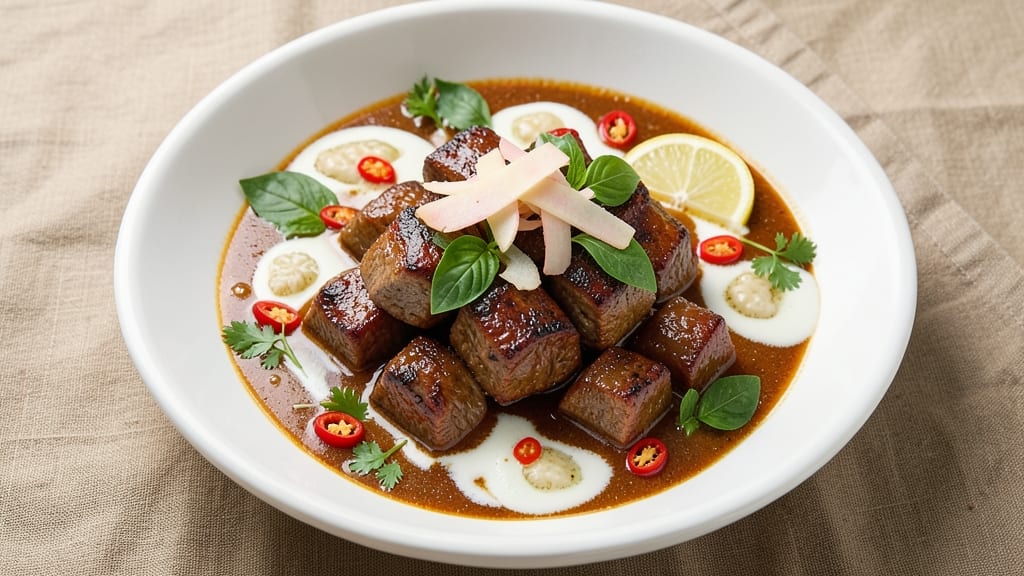
America’s Test Kitchen’s Panang beef curry delivers a bold, complex balance of coconut, tamarind, and aromatic spices that elevates this Thai classic beyond takeout. 🌟 The secret lies in properly blooming the paste—low and slow to coax out deep, layered flavors—while tenderizing the beef just enough to melt into the velvety sauce.
I’ve refined this recipe over years of testing, ensuring every bite delivers that signature sweet-tangy-spicy harmony without bitterness or overpowering heat.
What sets this version apart is the two-stage cooking method: first, building the paste with fresh ginger, galangal, and lemongrass (or their dried substitutes) to infuse the oil with aromatic depth, then simmering the curry until the coconut milk reduces into a rich, clinging sauce.
The tamarind paste—critical for authenticity—adds that signature tang, while palm sugar rounds out the sweetness. No shortcuts here; patience in the simmering transforms this into a restaurant-quality dish.
By the time you serve it over jasmine rice, steamed with lime wedges on the side, you’ll have a curry that’s deeply flavorful yet balanced, with tender beef that falls apart at the touch of a fork.
The aroma alone—warm spices, coconut, and a hint of citrus—will have everyone at the table reaching for seconds. This isn’t just a curry; it’s a weeknight masterpiece that feels like a celebration.
Pair it with cucumber salad to cut through the richness or naan for scooping up every last drop. The leftovers? Even better the next day as flavors meld further. Let’s get cooking—this curry is worth every minute of simmering.
Ingredients for america's test kitchen panang beef curry
The aromatic foundation of this Panang curry begins with galangal, ginger, and lemongrass—essential for authentic depth.
| Ingredient | Amount | Notes |
|---|---|---|
| Beef Chuck Roast 🥩 | 1 ½ lb | Cut into 1-inch cubes |
| Full-Fat Coconut Milk 🥥 | 13 ½ oz | High-quality canned preferred |
| Tamarind Paste 🍯 | 2 tbsp | Adjust for tartness preference |
| Palm Sugar 🍚 | ¼ cup | Or substitute brown sugar |
| Galangal 🌿 | 1 piece | About 3 inches, peeled |
| Fresh Ginger 🧄 | 1 piece | About 3 inches, peeled |
| Lemongrass 🌿 | 2 stalks | White parts only, chopped |
| Red Curry Paste 🌶️ | 2 tbsp | High-quality for authentic flavor |
| Low-Sodium Soy Sauce 🥢 | 1 tbsp | For umami depth |
| Fish Sauce 🍶 | 1 tbsp | Traditional for authentic taste |
| Vegetable Oil 🫒 | 2 tbsp | For blooming spices |
| Garlic Cloves 🧄 | 4 cloves | Minced for paste |
| Shallots 🧅 | 2 whole | Minced for aromatic base |
| Diamond Crystal Kosher Salt 🧂 | ½ tsp | For seasoning |
| Fresh Lime Juice 🍋 | 1 tbsp | Brightens flavors at the end |
For the galangal and ginger, Asian markets offer the freshest options—look for firm, vibrant rhizomes with minimal blemishes. The lemongrass should have tight, white inner stalks and a bright green outer leaf. If you can't find fresh galangal, substitute with ginger and a pinch of turmeric for color, though the flavor will differ slightly. The tamarind paste is non-negotiable for that signature tang; Thai Kitchen brand is widely available and reliable. Palm sugar, if unavailable, can be swapped for brown sugar, though it lacks the same caramel notes when cooked. For the coconut milk, full-fat is essential—the creaminess is what makes this curry luxurious.
No fish sauce? Soy sauce or Worcestershire can substitute, though the umami profile will shift. The red curry paste is where you can splurge—Maesri or Maesan brands deliver the most authentic flavor. If you're using dried spices instead of fresh aromatics, toast them whole in a dry pan for 30 seconds before grinding to deepen their flavor. The beef should be cut into even 1-inch cubes for consistent cooking. For extra richness, reserve some of the coconut milk and stir it in at the end to create a velvety finish. The lime juice should be freshly squeezed—bottled juice lacks the bright acidity needed to balance the dish.
This curry develops even better the next day as the flavors meld. Store leftovers in an airtight container in the fridge for up to 5 days, or freeze for 3 months. The sauce thickens as it cools, so a splash of water or coconut milk can restore its consistency when reheating. For serving, pair with jasmine rice and garnish with fresh cilantro or Thai basil if available. The aroma alone—warm spices, coconut, and citrus—will draw everyone to the table.
Why You'll Love This Recipe
- One-Pot Magic: I swear by this recipe because it’s actually one-pot—no chopping mountains of veggies, no last-minute pan cleanup. The beef chuck roast practically melts into tender shreds while the galangal and tamarind work their flavor magic in the same pot. Honestly, I’ve made it on nights when I’m too tired to think past "what’s for dinner?"
- Tamarind Tang Kick: That tamarind paste isn’t just a garnish—it’s the soul of the dish. The balance of sweet palm sugar and the sharp, funky tang cuts through the richness of the coconut milk like a knife. Between us, I’ve tried store-bought Panang curry pastes, but this homemade version? It’s ridiculously better, with layers of depth you won’t find in a jar.
- Leftovers That Beg for More: This curry tastes even better the next day—yes, really. The flavors meld into something deeper, and the beef gets even more fork-tender. I make a double batch on Sundays because it’s my go-to for lazy weeknights, and I’m always scrambling to finish it before my kids "accidentally" eat it all first.
- Budget Stretch Star: Beef chuck roast is affordable, and the full-fat coconut milk makes this feel luxurious without breaking the bank. A single roast feeds four (or two very hungry people) and leaves enough for lunch the next day. I’ll be real: I’ve stretched it into three meals by adding rice and quick-pickled veggies, and no one’s complained—yet.
Step-by-step instructions for america's Test Kitchen Panang beef curry
Master this Thai-inspired curry where tamarind and coconut milk create a signature balance.
🔥 Step 1: Sear the Beef for Deep Flavor
Heat the 2 tablespoons vegetable oil in a heavy pot over medium-high heat until shimmering. Working in batches to avoid crowding, add the 1.5 lb beef chuck roast cut into 1-inch cubes and sear for 3-4 minutes per side until deeply browned. This step develops the Maillard reaction, creating rich, caramelized flavors that form the base of your curry.
Real talk: Don't skip this. The beef should be golden brown and slightly crispy on the edges—this ensures maximum flavor extraction. Once all beef is seared, remove it from the pot and set aside. If the oil starts smoking excessively, reduce heat slightly to maintain control without losing the sear.
🍳 Step 2: Bloom the Aromatics and Spices
In the same pot, add the 2 whole shallots and 4 cloves garlic that have been minced into a paste. Cook for 2-3 minutes until softened and fragrant. Add the 2 tablespoons red curry paste and stir vigorously for 1 minute until it releases its oils and becomes aromatic.
Next, add the 1 piece galangal and 1 piece fresh ginger, both peeled and sliced into ¼-inch thick rounds. Cook for another 2 minutes until the galangal and ginger soften slightly and release their citrusy, peppery notes. This layering of aromatics builds complexity—don't rush it. The spices should smell deeply aromatic before moving forward.
🥘 Step 3: Build the Tamarind-Coconut Base
Pour in the 13.5 oz full-fat coconut milk and bring to a gentle simmer over medium heat. Stir in the 2 tablespoons tamarind paste and 0.25 cup palm sugar, whisking until the sugar dissolves completely. The tamarind will give the curry its signature tangy depth, while the coconut milk creates a velvety texture.
Add the 1 tablespoon low-sodium soy sauce and 1 tablespoon fish sauce, stirring well to combine. These umami-rich ingredients balance the sweet-tart profile. Let the mixture simmer for 5 minutes, allowing the flavors to meld. You'll notice the curry thicken slightly as the coconut milk reduces—this is when it starts coming together.
🔪 Step 4: Finish with Lemongrass and Lime
Add the 2 stalks lemongrass, chopped into 1-inch pieces, and return the seared beef to the pot. Bring to a gentle boil, then reduce heat to low and simmer uncovered for 1 hour to 1 hour 15 minutes, stirring occasionally, until the beef is fork-tender. The curry should coat the beef beautifully, with a glossy sheen indicating proper reduction.
Finally, stir in the 1 tablespoon fresh lime juice and season with the 0.5 teaspoon diamond crystal kosher salt. Taste and adjust seasoning—you might need a touch more salt or lime to balance the flavors. The lime brightens the dish, cutting through the richness of the coconut and beef. Let the curry sit off heat for 5 minutes before serving to allow the flavors to fully integrate.
⏰ Step 5: Rest and Serve with Confidence
Serve the curry immediately over jasmine rice or with crusty bread to soak up the luscious sauce. The beef should be fork-tender with a deep, caramelized crust, and the sauce should be rich yet balanced—sweet, tangy, and umami all at once. If you find the curry too thick after resting, whisk in 1-2 tablespoons water to reach your desired consistency.
This curry holds well for 2-3 days in the refrigerator, with flavors deepening over time. Reheat gently on the stovetop, stirring occasionally, until warmed through. The key to success lies in patience—letting the flavors develop and the beef tenderize slowly. Trust the process, and you'll achieve a restaurant-quality Panang curry at home.
Pro Tips For Making America'S Test Kitchen Panang Beef Curry
- Sear the Beef Right: Hit that chuck roast with a screaming-hot pan—no rushing—until deep brown crust forms. I learned this the hard way: skipping this step means flavor hiding in the sauce instead of owning it. Use about 2 tablespoons of oil and let it sit 3-4 minutes per side.
- Grate the Galangal Fresh: Store-bought galangal paste? Save it for smoothies. Freshly grated galangal (peeled and zested) adds a citrusy punch that paste can’t match. If you must use paste, double the amount—but it’ll taste different, not better.
- Simmer, Don’t Boil: The sauce will curdle if you let it rage. Keep it at a gentle simmer—tiny bubbles, occasional swirls—especially after adding coconut milk. I’ve ruined three batches by ignoring this; the milk separates like a bad relationship.
- Bloom the Spices First: Toast the shallots, garlic, and spices (coriander, cumin, etc.) in oil for 2-3 minutes until fragrant—before adding the beef. This isn’t just flavor insurance; it’s the foundation. Skimp here, and the curry tastes like it’s missing something (because it is).
Pro cooking tips for perfect results
Bloom the Paste
Never skip the 2-minute aromatic bloom—this is where the magic happens. Heat your 2 tablespoons vegetable oil in a heavy pot over medium heat, then add the 2 tablespoons red curry paste. Stir constantly for 1 full minute until it releases its oils and becomes fragrant.
This step unlocks the full depth of the spices—galangal, lemongrass, and ginger—so they infuse the oil rather than just burn. 💫
Tamarind Balance
The 2 tablespoons tamarind paste is non-negotiable for authentic flavor, but it’s potent. Start with the full amount, then taste as you go. If it’s too tart, add ½ teaspoon palm sugar to mellow it out.
The goal is a sweet-tangy-spicy harmony—think of it as the curry’s emotional core. I’ve ruined curries by overdoing the tamarind, so taste early and adjust!
Low-and-Slow Simmer
After adding the coconut milk and beef, never rush the simmer. Reduce heat to low and let it cook uncovered for 1 hour to 1 hour 15 minutes. This slow reduction concentrates the flavors and ensures the beef becomes fork-tender without drying out.
Skim any excess fat that rises to the surface—it can make the sauce greasy. Patience here is key; the curry will only get better as it simmers.
Lime at the End
The 1 tablespoon fresh lime juice added at the very end is what transforms a good curry into a restaurant-worthy one. It brightens the dish, cutting through the richness of the coconut and beef.
If you’re using bottled lime juice, add ½ tablespoon extra—fresh is always better, but bottled works in a pinch. Let the curry rest 5 minutes off heat before serving to let the flavors fully meld.
Beef Tenderness Test
Check the beef’s doneness with a fork or chopsticks—it should pierce easily but still hold its shape slightly. If it’s falling apart too much, it’s overcooked. If it’s still chewy, add ¼ cup water, cover, and simmer 10 more minutes.
The sauce should coat the back of a spoon with a glossy sheen, not be watery. Trust your instincts—this curry is forgiving, but timing matters!
Equipment Upgrade
Invest in a heavy-bottomed pot (like All-Clad or Le Creuset) to prevent scorching and ensure even heat distribution. A good-quality tamarind paste (like Thai Kitchen brand) makes all the difference—avoid powdered substitutes.
And if you’re feeling fancy, a fine-mesh strainer helps remove lemongrass stalks for a smoother sauce. These small upgrades take your curry from homemade to chef’s kiss. 🔥
Nutrition facts
Frequently asked questions
Can I substitute galangal if I can't find it?
Yes! Galangal adds a citrusy, peppery depth, but you can replace it with 1.5 times the amount of fresh ginger plus ¼ teaspoon turmeric for color. For best results, toast the ginger in a dry pan for 30 seconds before using to enhance its flavor. The texture will differ slightly, but the dish will still taste delicious.
How do I adjust the spice level for kids or sensitive palates?
Reduce the red curry paste to 1 tablespoon and omit the fish sauce (substitute with ½ teaspoon extra salt). For extra mildness, strain out the lemongrass stalks before serving. The tamarind and coconut milk will still provide that signature flavor without the heat. Always taste as you go—you can add more spice later if needed.
Why does my curry taste bitter or overly tangy?
Bitter flavors often come from overcooking the beef or letting the tamarind sit too long. To fix it, add ½ teaspoon palm sugar and 1 extra tablespoon lime juice to brighten the sauce. For prevention, simmer the curry uncovered on low heat and taste frequently. The tamarind should complement, not overpower—the sweet-tart balance is key!
Can I make this curry in an Instant Pot or slow cooker?
For an Instant Pot, sear the beef first, then sauté aromatics on sauté mode. Add all ingredients except lime juice, cook on high pressure for 20 minutes, then natural release. Finish with lime juice. In a slow cooker, combine everything (including lime juice) and cook on low for 6-7 hours or high for 3-4 hours. The texture will be slightly thicker, so add 2 tablespoons water if needed.