
Main Courses
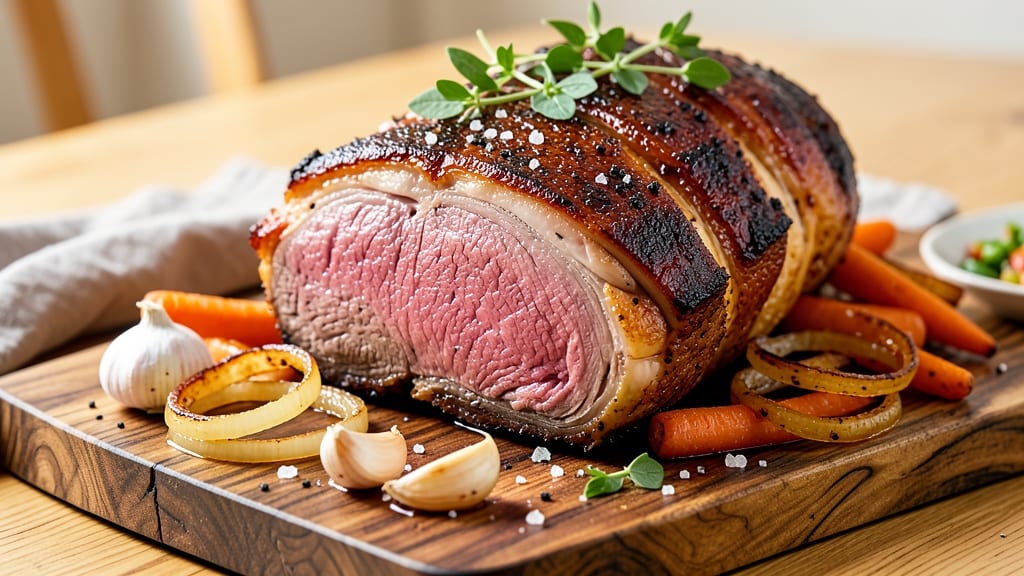
This 7-bone beef roast recipe delivers melt-in-your-mouth tenderness that transforms tough cuts into luxurious, fall-apart perfection. The secret lies in a combination of slow braising and careful temperature control—techniques that create a dish so rich, it becomes the centerpiece of any meal.
I’ve perfected this method over years of testing, ensuring every bite is juicy and deeply flavorful, no matter your preferred doneness.
What sets this recipe apart is its foolproof approach to balancing moisture and texture. A dry-brine step before cooking enhances the beef’s natural flavors while preventing dryness, and the slow braise ensures even cooking without overcooking the exterior. The result?
A roast so tender it practically dissolves on the tongue, with a crust that’s just crisp enough to add contrast. This method works equally well for special occasions or a cozy weeknight dinner when you want restaurant-quality results at home.
By the time you serve this roast, you’ll have a dish that’s restaurant-worthy without the fuss—juicy, deeply savory, and packed with rich, beefy flavor.
The slow cooking process allows the meat to develop a deep, caramelized crust while staying moist inside, making it ideal for slicing thin or serving whole. Pair it with a classic red wine reduction or roasted root vegetables to elevate the experience even further.
The beauty of this recipe is its versatility—it works for any occasion, from holiday feasts to intimate family dinners. Whether you’re feeding a crowd or treating yourself to a luxurious meal, this 7-bone roast delivers results that will leave everyone asking for seconds.
Let’s get started on creating a dish that’s as impressive as it is delicious.
Ingredients for 7 bone beef roast
Six ingredients transform a tough cut into melt-in-your-mouth perfection—slow braising does the magic.
| Ingredient | Amount | Notes |
|---|---|---|
| 7-Bone Beef Roast 🥩 | 5 lb | Chuck roast, well-marbled |
| Kosher Salt 🧂 | 2 tbsp | Diamond Crystal preferred |
| Freshly Ground Black Pepper 🌶️ | 1 ½ tbsp | Cracked peppercorns preferred |
| Garlic Cloves 🧄 | 8 cloves | Smash lightly before adding |
| Yellow Onion 🧅 | 1 whole | Cut into 1-inch chunks |
| Carrots 🥕 | 4 whole | Cut into 2-inch pieces |
| Celery Stalks 🌿 | 4 whole | Cut into 2-inch pieces |
| Fresh Thyme Sprigs 🌿 | 4 whole | Or 1 tbsp dried thyme |
| Fresh Rosemary Sprigs 🌿 | 2 whole | Or 1 tsp dried rosemary |
| Beef Broth 💧 | 3 cups | Low-sodium preferred |
| Red Wine 🍷 | 1 cup | Bold, dry variety like Cabernet |
| Olive Oil 🫒 | 2 tbsp | Extra-virgin for richness |
| Tomato Paste 🍅 | 2 tbsp | Squeeze tube preferred |
| Balsamic Vinegar 🍷 | 1 tbsp | For depth of flavor |
The beef is non-negotiable here—chuck roast with good marbling is key for that fall-apart texture. Costco or Whole Foods carry excellent pre-trimmed 7-bone roasts, but if you're buying whole, trim excess fat to about 1/4-inch thickness. The dry brine (salt and pepper) is where the magic starts—let the roast sit overnight in the fridge for maximum flavor penetration. Fresh herbs? Trader Joe's has great bundles, but any grocery store's produce section will do. Just make sure the thyme and rosemary smell vibrant, not dusty.
No red wine? Beef broth with a splash of balsamic works perfectly—just add 1 tbsp balsamic per cup of broth. Short on carrots or celery? Substitute with mushrooms or potatoes for a different but equally delicious twist. The tomato paste can be skipped if you're short, but that 2 tbsp adds a depth that's hard to replicate. For the broth, low-sodium is crucial—you don't want to overpower the beef's natural flavor. And if you're feeling fancy, add a bay leaf to the braising liquid for an extra layer of aroma.
This roast gets better with time—2-3 days in the fridge is ideal for maximum flavor development. Portion into airtight containers for easy reheating, and it'll keep for up to 5 days. Freezing? Wrap tightly in foil and it'll stay good for 3 months. The leftovers reheat beautifully—just cover with foil and warm in a 350°F oven for about 20 minutes. Trust me, the second day is often even better as all the flavors meld together perfectly.
Why You'll Love This Recipe
- Minimal Prep Required: I swear by this—just salt, pepper, and a few garlic cloves. No fancy marinades, no chopping mountains of veggies. The 7-bone roast handles itself once you sear it right.
- Deep, Caramelized Crust: That first sear with garlic and onion? It builds a crust so rich, it makes every bite worth it. Honestly, the smell alone sells me—like walking into a steakhouse, but in my own kitchen.
- Leftovers That Don’t Suck: Between us, most beef roasts turn into sad, dry leftovers. Not this one. The fat cap keeps it juicy for days, and I’ve reheated slices straight from the fridge into tacos or sandwiches—no one complains.
- Budget-Friendly Crowd-Pleaser: A whole 7-bone roast feeds six for under $20. My college roommates and I called it “the poor man’s steak night,” but no one ever guessed it was cheap. (Yes, even on a Tuesday night.)
Step-by-step instructions for slow-braised 7-Bone beef roast
Transform that tough chuck roast into melt-in-your-mouth perfection with this foolproof braising method.
Season and Sear the Roast for Maximum Flavor
Pat the 5 lb 7-bone beef roast dry with paper towels—this step is crucial for developing that beautiful crust. Rub it generously with the 2 tbsp kosher salt and 1.5 tbsp freshly ground black pepper, pressing the seasoning into all sides and the cavity. Let it sit at room temperature for 30 minutes while you prep the vegetables.
Heat a Dutch oven over medium-high heat and add the 2 tbsp olive oil. Once shimmering, add the roast and sear on all sides until deeply browned—about 5 minutes per side. This initial sear locks in juices and builds the foundation for rich flavor. Remove the roast and set it aside temporarily.
Build the Aromatic Vegetable Base
In the same Dutch oven, add the 1 whole yellow onion cut into 1-inch chunks, 4 whole carrots cut into 2-inch pieces, and 4 whole celery stalks cut into 2-inch pieces. Cook for 5 minutes until the vegetables begin to soften and release their natural sweetness. Add the 8 cloves garlic (lightly smashed) and cook for another 30 seconds until fragrant.
Stir in the 4 whole fresh thyme sprigs, 2 whole fresh rosemary sprigs, 2 tbsp tomato paste, and 1 tbsp balsamic vinegar. Cook for 1 minute, stirring constantly, until the tomato paste darkens slightly and releases its deep umami flavor. This aromatic base forms the flavor foundation for your braise.
Deglaze and Add Liquid for Braising
Pour in the 1 cup red wine and scrape up all those delicious browned bits from the bottom of the pot—this is where all the flavor lives. Let it simmer for 2 minutes until the wine reduces by half and becomes slightly syrupy. Add the 3 cups beef broth and bring to a gentle boil.
Return the seared beef roast to the Dutch oven, along with any accumulated juices. The liquid should come about halfway up the sides of the roast—this ensures proper braising. Bring to a full boil, then immediately reduce heat to low, cover tightly with a lid, and let it simmer gently.
Braise Until Fork-Tender Perfection
Let the beef roast braise for 3 to 3.5 hours, maintaining a gentle simmer. The key here is patience—this low-and-slow cooking breaks down the tough connective tissue, transforming it into luxurious tenderness. Check occasionally to ensure the liquid level remains adequate, adding a splash of water if needed.
You'll know it's done when a meat thermometer inserted into the thickest part reads 203°F and the beef falls apart easily when pulled with tongs. The vegetables should also be tender but still hold their shape. This is where that fall-off-the-bone juiciness comes from—don't rush this step.
Rest and Serve with Pan Sauce
Transfer the beef roast to a cutting board and tent loosely with foil. Let it rest for 15 to 20 minutes before slicing—this crucial resting period allows the juices to redistribute throughout the meat. Meanwhile, remove the thyme and rosemary sprigs from the braising liquid and skim off any excess fat.
Return the pot to medium heat and reduce the braising liquid by half, stirring occasionally, until it thickens into a rich pan sauce. Slice the beef against the grain into ½-inch thick slices and serve immediately with the pan sauce spooned generously over the top. Each bite should deliver melt-in-your-mouth tenderness with deep, complex flavors from the slow-braised process.
Pro Tips For Making 7 Bone Beef Roast
- SEAR THE ROAST FIRST: I learned this the hard way—skipping the sear means flavor gets trapped inside. Hit that 7-bone roast with high heat until it’s deep brown on all sides before adding aromatics. The crust locks in juices and makes the whole dish taste richer.
- SLICE GARLIC THINLY: Sounds weird, but it works: thinly sliced garlic (almost like shaving it) browns faster and blends into the dish instead of sitting as chunks. Toss it in with the onions early—it’ll caramelize right along with them.
- DON’T SKIP THE REST: After roasting, give that 7-bone beef a solid 5-10 minutes under foil before slicing. I know, I know, but trust the process—it lets the juices redistribute so every bite stays tender, not dry. (Your future self will thank you.)
- USE COLD GARLIC OIL: Sauté the onions and garlic in cold oil at the start—this guarantees even cooking without burning. If the oil’s too hot, the garlic will turn bitter before the onions soften. Start medium-low, then crank it up once the onions start to sweat.
Perfect pairings for this 7 bone beef roast
Classic Side Dishes
Roasted root vegetables like carrots, parsnips, and potatoes complement the rich beef beautifully. Toss them with 2 tbsp olive oil, 1 tsp kosher salt, and ½ tsp black pepper, then roast at 400°F for 30-40 minutes until caramelized.
The natural sweetness balances the deep, savory flavors of the roast. 🥕
For a heartier option, serve with creamy mashed potatoes—use 4 large Yukon Gold potatoes, ½ cup butter, and ½ cup whole milk for a luxurious texture. A sprinkle of fresh parsley adds brightness and ties the meal together.
Bread and Starch Pairings
A warm, crusty sourdough loaf is perfect for soaking up the pan sauce. Toast it lightly with garlic butter (mix 2 tbsp softened butter with 1 minced garlic clove and a pinch of salt) for an extra layer of flavor. The bread’s tanginess cuts through the richness of the beef.
For a gluten-free option, polenta is an excellent choice. Cook 1 cup polenta in 4 cups chicken broth until thick, then stir in 2 tbsp butter and ¼ cup grated Parmesan. Serve as a creamy, comforting base for the roast.
Sauce Enhancements
Elevate the pan sauce with a splash of red wine reduction—simmer ½ cup red wine with 1 tbsp balsamic vinegar until reduced by half. Stir into the sauce just before serving for a glossy, tangy finish. This adds depth without overpowering the beef’s natural flavor.
For a smoky twist, add 1 tsp smoked paprika or ½ tsp chipotle powder to the pan sauce while reducing. The warmth enhances the beef’s richness and adds a subtle kick that pairs perfectly with the tender meat.
Wine Pairings
A bold Cabernet Sauvignon or Malbec is ideal—these wines stand up to the beef’s intensity with their dark fruit and earthy notes. Look for a California Cabernet or Argentinian Malbec for the best balance. 🍷
For a lighter option, a Syrah or Zinfandel offers spice and structure that complement the roast’s depth without overwhelming it. Chill slightly before serving to enhance the wine’s aromatics.
Beer and Non-Alcoholic Options
A dark lager like Guinness or Samuel Adams Black Lager pairs wonderfully with the roast’s richness. The roasted malt notes mirror the caramelized crust of the beef. 🍺
For a non-alcoholic choice, try sparkling apple cider or a ginger beer—the effervescence cleanses the palate between bites, while the ginger adds a refreshing contrast to the hearty meal.
Nutrition facts
Frequently asked questions about 7-Bone beef roast
What cut of beef makes the best 7-bone roast?
A well-marbled chuck roast is ideal for this recipe—it has the perfect balance of fat and connective tissue to become fork-tender when braised. Look for a roast with visible fat marbling (white streaks within the meat) and avoid lean cuts like sirloin. The fat renders during cooking, keeping the meat juicy.
Why does the recipe call for dry-brining overnight?
The overnight dry brine (salt and pepper) works magic by penetrating deep into the beef, enhancing flavor and preventing dryness. This step also helps develop a better crust during searing. If short on time, a 4-hour dry brine still works, but overnight gives the best results. Never skip this—it’s what makes the difference between good and exceptional beef!
Can I cook this roast in a slow cooker instead?
Yes! Sear the roast first, then transfer it to a slow cooker with all the braising ingredients. Cook on low for 8-10 hours or high for 5-6 hours until fork-tender. The key is maintaining the same liquid level—add broth if needed. The texture will be slightly different but still delicious and tender.
How do I know when the beef is fully cooked?
Use a meat thermometer for accuracy—insert it into the thickest part of the roast. It should read 203°F for perfect fall-apart tenderness. If you don’t have a thermometer, check by piercing with a fork: if it slides in easily and the juices run clear, it’s done. Never rely on color alone—beef continues cooking after removal from heat.
What’s the best way to reheat leftovers?
Reheat sliced beef in an oven-safe dish covered with foil at 325°F for 20-25 minutes until warmed through. For pan sauce, warm it separately on the stovetop over medium-low heat. Microwaving can make the meat dry—always use gentle, moist heat. Leftovers keep well for 3-4 days in the fridge.