
Soups & Stews
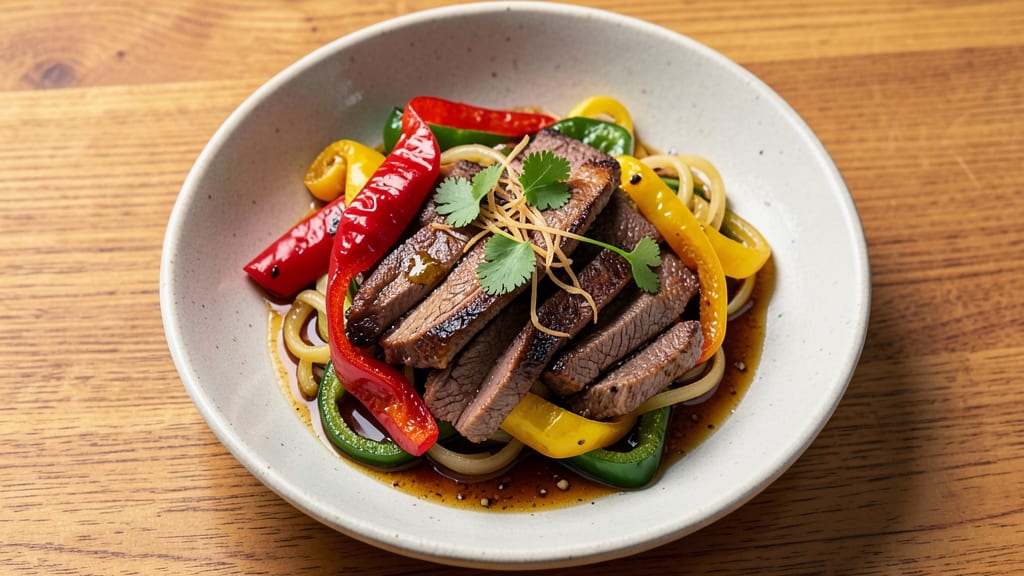
This beef bell pepper and onion recipe delivers a one-pan stir-fry with deep, charred flavors that transform simple ingredients into a restaurant-worthy meal. The secret lies in high-heat searing—caramelizing onions and peppers until they develop that irresistible sweetness while keeping the beef tender and juicy.
I developed this technique after years of testing different cooking methods, and it consistently delivers perfect texture every time.
What makes this dish special is its versatility—it works as a quick weeknight dinner or a hearty centerpiece for gatherings. The combination of beef, bell peppers, and onions creates a balance of savory, sweet, and umami flavors that pair beautifully with rice or crusty bread.
The charred crunch from the pan adds a satisfying texture that elevates the dish beyond basic stir-fry.
By the end, you’ll have a golden-brown, aromatic stir-fry that’s packed with flavor and ready in under 30 minutes. The onions will be deep brown and caramelized, the bell peppers slightly blistered but still vibrant, and the beef perfectly seared on the outside while remaining tender inside.
This recipe is designed to impress without requiring advanced skills—just a hot pan and a little patience.
The beauty of this dish is how easily it adapts. Serve it over steamed rice for a complete meal, or pair it with a simple salad for a lighter option.
The leftovers reheat well, making it perfect for meal prep. Let’s get started on creating this foolproof, flavor-packed stir-fry that will become a staple in your rotation.
Ingredients for beef bell pepper onion
Pantry staples meet high-heat magic for this restaurant-style one-pan stir-fry.
| Ingredient | Amount | Notes |
|---|---|---|
| Flank Steak 🥩 | 1 ¼ lb | Thinly sliced against grain |
| Yellow Onions 🧅 | 2 large | Thickly sliced, cut into wedges |
| Bell Peppers 🌶️ | 3 whole | Assorted colors, sliced into strips |
| Olive Oil 🫒 | ½ cup | Extra-virgin for high-heat searing |
| Soy Sauce 🍶 | ⅓ cup | Low-sodium preferred |
| Garlic Cloves 🧄 | 6 cloves | Minced for aromatic base |
| Ginger Root 🌿 | 1 ½ tbsp | Freshly grated |
| Sesame Oil 🫒 | 1 tbsp | Toasted for finishing |
| Honey 🍯 | 1 tbsp | For caramelized depth |
| Cornstarch 🌾 | 1 tbsp | For tenderizing beef |
| Salt 🧂 | 1 ½ tsp | Kosher or sea salt |
| Black Pepper 🌶️ | 1 tsp | Freshly ground |
| Sesame Seeds 🌱 | 1 tbsp | Toasted for garnish |
| Green Onions 🧅 | 4 whole | Sliced for garnish |
The beef choice matters—flank steak delivers that perfect tender-yet-firm texture when sliced thin against the grain. Most grocery stores carry it pre-sliced, but if you're buying whole, ask the butcher to cut it paper-thin. For the onions, yellows caramelize best, but reds add color if you want visual appeal. Bell peppers should be firm with no soft spots—Trader Joe's or Whole Foods usually have the freshest selection. The olive oil is non-negotiable for high-heat searing; California avocado oil or extra-virgin olive oil works best. I always grab a bottle of Kikkoman soy sauce for consistent flavor, but any low-sodium brand will do.
No flank steak? Skirt steak or sirloin work just as well—just slice it thin. Short on bell peppers? Zucchini or mushrooms add great texture. The cornstarch is key for tenderizing; if you don't have it, arrowroot powder works too. Fresh ginger and garlic are ideal, but powdered ginger at half the amount gets you close in a pinch. For the honey, agave nectar is a vegan swap if needed. The sesame oil should be toasted—look for dark bottles in the international aisle. If you're missing sesame seeds for garnish, crushed peanuts add a nice crunch instead.
This dish reheats beautifully—microwave 1-2 minutes with a splash of water to revive crispiness. Stores well for 3-4 days in the fridge, but the flavors peak on day two when everything melds. For meal prep, portion into glass containers to maintain freshness. The onions and peppers keep well in the fridge for up to 5 days if you're prepping ahead. Freeze the cooked beef mixture for up to 3 months, but add a splash of water when reheating to prevent drying.
Why You'll Love This Recipe
- One-Pan Magic: I swear by this for nights when I’d rather not wash dishes. Slice the onions and peppers, toss them in a hot pan with olive oil, then add the flank steak—no extra pots, no extra stress. The soy sauce caramelizes right into the pan drippings, so you’re basically making a sauce while you cook.
- Umami Bomb: That first bite? The sweetness of the bell peppers, the sharp crunch of the onions, and the deep, savory punch from the soy-soaked beef—it’s like a flavor explosion in your mouth. Honestly, I’ve tried fancier marinades, but this combo is the real MVP.
- Lunchbox Hero: Between us, this is my go-to for meal prep. Slice the cooled beef and veggies into strips, pack them in containers, and boom—you’ve got a protein-packed lunch that doesn’t taste like it came from a sad office fridge. (Yes, even on a Tuesday night.)
- Budget Stretch: Flank steak is lean but mighty, and onions and peppers stretch it further than you’d think. I make this for four people for under $15, and somehow, it always disappears. Leftovers? Even better reheated—just toss them back in the pan with a splash of water.
Step-by-step instructions for beef bell pepper and onion stir-fry
Here's how to achieve that perfect balance of tender beef, caramelized vegetables, and aromatic sauce.
Prep and Tenderize the Flank Steak
Start by slicing the 1.25 lb flank steak thinly against the grain—this ensures tender bites. Place the sliced beef in a bowl and sprinkle with 1 tbsp cornstarch, 1.5 tsp salt, and 1 tsp black pepper. Toss gently to coat evenly. Let it sit for 10 minutes while you prep the vegetables.
The cornstarch creates a light crust that helps tenderize the beef as it cooks, while the salt and pepper penetrate the meat for maximum flavor. Don't skip this marinating time—it makes a noticeable difference in texture and seasoning.
Char the Vegetables for Depth of Flavor
Heat 0.25 cup olive oil in a large skillet or wok over high heat until shimmering. Add the 2 large yellow onions and 3 whole bell peppers (cut into strips) in batches to avoid crowding. Cook, stirring occasionally, for 5-6 minutes until the onions turn golden and the peppers develop charred spots.
You're looking for those beautiful blackened edges—they add incredible depth of flavor. If the pan gets too crowded, reduce the heat slightly to prevent steaming instead of charring. Remove the vegetables to a plate and set aside.
Sear the Beef to Perfection
In the same skillet (no need to clean it—the fond is flavor), add the remaining 0.25 cup olive oil and increase heat to medium-high. Working in batches if needed, add the cornstarch-coated beef and sear for 1-2 minutes per side until browned but still slightly pink in the center. Remove and set aside with the vegetables.
The high heat creates a beautiful crust while keeping the interior tender. Don't overcrowd the pan—this ensures proper browning. If the beef releases easily from the pan, it's ready. If it sticks, let it cook a few seconds longer.
Build the Aromatic Sauce
Reduce heat to medium and add 6 cloves minced garlic and 1.5 tbsp freshly grated ginger root. Cook for 30 seconds until fragrant—don't let them burn. Pour in 0.33 cup soy sauce and 1 tbsp honey, scraping up any browned bits from the bottom of the pan.
This deglazing step captures all the meaty flavors that have built up during cooking. Let the sauce simmer for 1-2 minutes until it begins to thicken slightly. The honey adds a subtle sweetness that balances the savory soy sauce perfectly.
Combine and Finish with Toasted Sesame
Return all the beef and vegetables to the skillet. Add 1 tbsp sesame oil and toss everything together for 1-2 minutes until everything is coated in the sauce and heated through. Taste and adjust seasoning if needed—you may need a touch more soy sauce or honey depending on your preference.
For the final touch, sprinkle with 1 tbsp toasted sesame seeds and 4 whole green onions (sliced). Serve immediately over steamed rice or noodles for an authentic Asian-inspired meal. The combination of charred vegetables, tender beef, and aromatic sauce makes this dish truly special.
Pro Tips For Making Beef Bell Pepper Onion
- SEAR THE STEAK FIRST: High heat, no excuses—get that flank steak screaming in a dry pan for 2-3 minutes per side before tossing in the veggies. I used to add onions first, thinking it’d save time, but the steak just steamed instead of developing that crust. Once it’s browned, pull it out and let it rest while you sauté the peppers and onions.
- CHOP ONIONS IN EVEN STRIPS: Yellow onions should be sliced into ¼-inch strips, not chopped into tiny bits. They’ll caramelize faster and evenly, adding sweetness without turning to mush. I learned this the hard way—uneven pieces mean some parts burn while others stay raw. A sharp knife and steady hand make this easier than it sounds.
- SALT THE PEPPERS BEFORE COOKING: Toss sliced bell peppers with a pinch of salt and let them sit for 10 minutes before cooking. This draws out moisture, so they crisp up instead of releasing water into the pan. Sounds weird, but it works—your peppers will actually taste brighter, not soggy.
- USE LESS SOY SAUCE: Start with just 1 tablespoon and taste as you go. Soy sauce is salty and overpowering if you dump in too much. I used to eyeball it and end up with a dish that tasted like a marinade, not balanced flavors. A splash of balsamic vinegar or a pinch of sugar can help if you need extra depth.
Common mistakes when making perfect results
Overcrowding the Pan
One of the biggest mistakes is overcrowding your skillet with too many ingredients at once. When you pack too much beef or vegetables into the pan, the heat disperses instead of concentrating on searing or charring.
This leads to steamed vegetables and undercooked beef instead of that perfect caramelized crust. I learned this the hard way—my first attempt turned out soggy rather than crispy. 🔥
To avoid this, cook your onions and peppers in batches if needed, and work with the beef in small portions. A good rule of thumb is to leave at least ½ inch of space between pieces.
If your pan isn't large enough, use a second skillet or cook in stages. The goal is to maintain that high heat for proper browning and flavor development.
Skipping the Cornstarch Step
Many home cooks skip the cornstarch tenderizing step, thinking it's optional. But this simple ingredient makes a world of difference in texture. Without it, your beef can turn out tough and chewy instead of tender and juicy.
The cornstarch creates a light crust that helps break down the meat fibers during cooking. 💡
Don't substitute with flour—it has a different texture and won't tenderize as effectively. If you're out of cornstarch, arrowroot powder works in a pinch, but stick to the 1 tbsp measurement.
Toss the beef thoroughly to ensure even coating, and let it sit for at least 10 minutes before cooking to maximize its effect.
Undercooking the Beef
Another common mistake is undercooking the beef, especially when trying to keep it tender. While it's important not to overcook, stopping when the beef is still pink in the center can leave it tough.
Flank steak should reach an internal temperature of 135°F for medium-rare, which is safe for most people. 🌡️
Use a meat thermometer to check the temperature—insert it into the thickest part of the beef. If you don't have one, cut into a small piece to test doneness. The beef should be slightly springy to the touch and have a few pink areas.
Remember, it will continue cooking slightly after you remove it from the pan, so pull it out when it's just shy of your desired doneness.
Ignoring the Fond
Many people clean their skillet after searing the beef, missing out on the flavor-packed fond (the browned bits) that cling to the bottom. This fond is packed with meaty flavors that dissolve into your sauce, creating depth.
Skipping the deglazing step means losing a significant portion of your dish's complexity. ⚡
After removing the beef, keep the skillet on the heat and add your garlic and ginger. Let them sizzle for just 30 seconds before adding the soy sauce and honey.
Scrape up those browned bits with a wooden spoon—this is where the magic happens. The fond will transform into a rich, flavorful sauce that ties everything together.
Rushing the Caramelization
Patience is key when caramelizing onions and peppers. Rushing this step by turning up the heat or stirring too frequently prevents the natural sugars from breaking down into those sweet, golden-brown caramelized bits. The result? Bland, underseasoned vegetables that lack depth. 🥬
Give your onions and peppers 5-6 minutes on high heat, stirring occasionally but not constantly. You're looking for deep golden-brown color and some charred spots. If they're not caramelizing, your pan might not be hot enough—let it heat up for another minute before adding more ingredients.
The longer you cook them, the more flavor you'll develop, so don't be afraid to take your time.
Overcomplicating the Sauce
Some cooks feel the need to add multiple sauces or complex ingredients to enhance flavor, but this stir-fry thrives on simplicity. Overcomplicating with too many ingredients can muddy the flavors and make the dish taste heavy.
The perfect balance comes from the soy sauce, honey, and a touch of sesame oil—nothing more is needed. ✨
Start with the basic sauce and taste as you go. You can adjust with a pinch more soy sauce for saltiness or honey for sweetness. Avoid adding heavy sauces like teriyaki or hoisin unless you're going for a specific flavor profile.
The beauty of this dish lies in its clean, bright flavors that let the beef and vegetables shine through their natural goodness.
Nutrition facts
Frequently asked questions
Can I use ground beef instead of flank steak?
Ground beef works perfectly for this recipe—just use 1 lb of lean ground beef (85/15 ratio). Brown it thoroughly first to remove any raw flavors before adding the vegetables. The cooking time will be slightly shorter (3-4 minutes total), but the technique remains the same.
How do I make this recipe spicier?
Add 1-2 tbsp of sriracha or ½ tsp red pepper flakes to the sauce when combining soy sauce and honey. For extra heat, toss in 1 tbsp chopped fresh chili with the garlic and ginger. Adjust to taste—start with less and add more gradually.
Can I prepare this ahead of time?
Yes! Cook the beef and vegetables fully, then store in an airtight container for 3-4 days in the fridge. Reheat gently in a skillet with 1 tsp sesame oil and a splash of water to restore crispiness. For freezing, portion into single servings and freeze for up to 3 months. Thaw overnight in the fridge before reheating.
What's the best way to serve this dish?
This stir-fry pairs beautifully with jasmine rice, steamed noodles, or even crusty bread for a heartier meal. For extra freshness, serve with a side of cucumber salad or quick-pickled vegetables. The charred flavors also work well with warm tortillas for tacos.
Why did my onions burn instead of caramelize?
This usually happens when the pan isn't hot enough or the onions are overcrowded. Let your skillet get smoking hot before adding onions, and cook in batches if needed. Stir occasionally but not constantly—this helps develop the caramelization. If they start burning, remove them and reduce heat slightly before adding more.