Sauces & Condiments
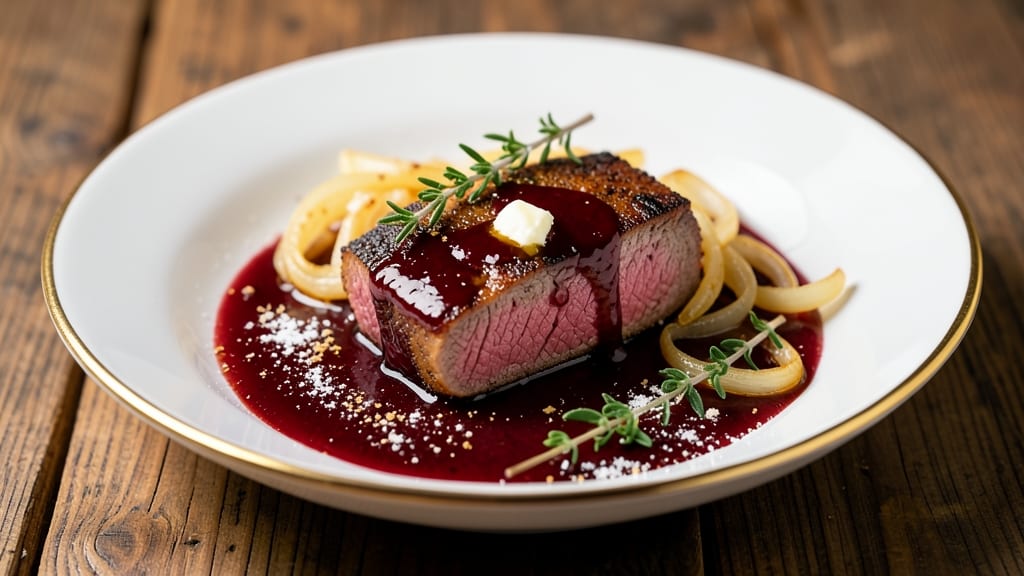
This beef au jus sauce recipe transforms simple pantry ingredients into a rich, velvety sauce that elevates every roast. The secret lies in caramelizing onions and carefully reducing red wine to create depth and complexity—no shortcuts, just restaurant-quality results.
Every spoonful delivers that perfect balance of savory, slightly tangy richness that makes even the simplest beef dish feel special.
What sets this sauce apart is the technique: slow caramelization of onions until deep golden, followed by a precise reduction of red wine and beef stock. The sauce thickens beautifully without losing its silky texture, and the optional herbs add freshness that brightens the richness.
It's the kind of sauce that makes people pause mid-bite and ask, "What is this?"
The process is straightforward but requires patience—letting the wine reduce fully and skimming impurities for a smooth finish. This isn't just a sauce; it's a flavor experience that transforms roasted beef into something extraordinary. The aroma alone will have your kitchen feeling like a Parisian bistro.
Perfect for drizzling over roasts, serving with gravy boats, or storing for up to 5 days in the refrigerator. The sauce only gets better as flavors meld, making it ideal for meal prep. Let's create this sauce that will become your new signature dish.
Ingredients for beef au jus sauce
Rich, velvety sauce starts with just these eleven ingredients and patience for caramelization.
| Ingredient | Amount | Notes |
|---|---|---|
| Yellow Onions 🧅 | 3 whole | Yellow or red, sliced thin |
| Red Wine 🍷 | 2 cups | Bold dry red like Cabernet |
| Beef Stock 🥩 | 2 cups | Homemade or high-quality store |
| Unsalted Butter 🧈 | 4 tbsp | Cold, cut into small cubes |
| All-Purpose Flour 🌾 | 2 tbsp | For thickening |
| Fresh Thyme 🌿 | 1 tbsp | Leaves only, chopped |
| Fresh Parsley 🌿 | ¼ cup | Chopped, for garnish |
| Garlic Cloves 🧄 | 4 cloves | Minced, for depth |
| Beef Bones 🦴 | 2 lb | Optional, for extra richness |
| Salt 🧂 | 1 ½ tsp | Kosher or sea salt |
| Black Pepper 🌶️ | ½ tsp | Freshly ground |
The onions are non-negotiable here—yellow or red, sliced thin and slow-cooked until deep golden. Whole Foods or Trader Joe's often carry pre-sliced onions in the salad bar, saving time. For the wine, Cabernet Sauvignon or Merlot work best—they're bold enough to stand up to the beef. If you're using beef bones, Costco sells them pre-packaged for roasts, making this a one-stop shop. The butter should be cold when added—this creates those beautiful emulsified strands in the finished sauce.
No red wine? Beef broth with 1 tbsp balsamic vinegar works in a pinch, though it'll lack depth. Fresh thyme is ideal, but dried at one-third the amount gets you close. The beef bones are optional but add incredible richness—if skipping, use an extra 1/2 cup beef stock. For the flour, Diamond Crystal is my go-to since it's lighter than other brands. The parsley is purely for garnish, so dried works if you're in a bind, but fresh is always better for that bright pop of color.
This sauce only gets better with time—3-5 days in the fridge is ideal, letting flavors meld completely. Store in airtight containers with a thin layer of oil on top to preserve freshness. Freezes beautifully for up to 3 months, though the texture may separate slightly upon thawing. Always reheat gently on low heat, whisking occasionally to restore that silky consistency. The aroma alone will make your kitchen smell like a Parisian bistro—worth every minute of patience.
Why You'll Love This Recipe
- Pantry Staples Only: I swear by this recipe because it uses things I already have—no fancy ingredients, just onions, red wine (the cheap stuff works), beef stock, butter, and flour. That’s it. No last-minute grocery runs or stressing over substitutions.
- Rich Without Effort: The moment you deglaze that pan with red wine and beef stock, the aroma hits you like a warm hug. That caramelized onion base? Pure flavor gold. It’s the kind of sauce that makes even plain roast beef taste like a restaurant dish.
- Leftovers That Shine: I make a double batch every time because this sauce only gets better the next day. Drizzle it over grilled steak, toss it with mashed potatoes, or use it as a dip—it’s my secret weapon for turning simple meals into something special.
- Weeknight Hero: Between us, this is my go-to when I’m starving but don’t want to slave over dinner. Ten minutes of chopping, a quick roux, and simmering while I throw together whatever else I’m serving. It’s unfussy, foolproof, and always delivers.
Step-by-step instructions for beef au jus sauce
Master this classic technique for a rich, velvety sauce that transforms simple ingredients into something extraordinary.
🍳 Step 1: Caramelize the Onions Slowly
In a large Dutch oven, melt 2 tablespoons of the unsalted butter over medium-low heat. Add the 3 whole yellow onions, sliced into even rounds, and cook them undisturbed for 10 minutes until they soften and release moisture. Here's the thing—don't stir yet. You want those onions to develop a deep golden color from the caramelization process.
After 10 minutes, when the onions begin to brown at the edges and release their sweet aroma, gently stir them with a wooden spoon. Continue cooking for another 15-20 minutes, stirring occasionally, until the onions are deeply caramelized and have reduced to about 1 cup of jammy mixture. This slow process builds the sauce's complex flavor foundation. If they start to stick, add a splash of red wine to deglaze and prevent burning.
🍳 Step 2: Build the Sauce Base with Wine and Stock
Increase the heat to medium-high and add the remaining 2 tablespoons unsalted butter to the caramelized onions. Stir to combine, then pour in the 2 cups red wine, scraping up any browned bits from the bottom of the pot. Let the wine simmer for 5 minutes until it reduces by half and the alcohol burns off—you'll notice the aroma changes from sharp to fruity.
Add the 2 cups beef stock, 2 lb beef bones, 1.5 teaspoons salt, and 0.5 teaspoon black pepper. Bring to a gentle simmer, then reduce heat to low and let it cook uncovered for 45-60 minutes. The bones will infuse the liquid with deep, meaty flavor, while the stock reduces to a concentrated base. Skim off any foam that rises to the surface during cooking for a cleaner sauce.
🥘 Step 3: Thicken and Finish with Aromatics
Remove the beef bones from the pot and discard them. In a small bowl, whisk together the 2 tablespoons all-purpose flour and 4 cloves minced garlic cloves to create a smooth paste. Gradually whisk this mixture into the simmering sauce, stirring constantly for 2 minutes until fully incorporated. This creates a roux that will thicken your sauce beautifully.
Add the 1 tablespoon chopped fresh thyme and simmer the sauce for another 10-15 minutes until it thickens to a glossy, coatable consistency. The sauce should cling to the back of a spoon when you lift it. If it thickens too much, whisk in 1-2 tablespoons of water to reach your desired consistency. Taste and adjust seasoning with additional salt or pepper if needed.
🍽️ Step 4: Garnish and Serve Warm
Strain the sauce through a fine-mesh sieve into a clean saucepan to remove any impurities or thyme stems. Return it to low heat and stir in the 0.25 cup chopped fresh parsley just before serving. This final garnish adds brightness and freshness that cuts through the richness of the sauce.
Serve the au jus immediately alongside roasted beef, grilled steaks, or even as a dipping sauce for crusty bread. The sauce should be deep red, velvety in texture, and bursting with layers of caramelized onion sweetness, wine acidity, and meaty depth. For best results, keep it warm over low heat—this sauce only gets better as it sits, allowing flavors to meld further.
Pro Tips For Making Beef Au Jus Sauce
- Sweat the Onions Slow: I used to rush the onion cooking, and the sauce ended up tasting flat. Instead, take your time—cut them into even ¼-inch slices and cook them on medium-low heat for 10 minutes before adding the wine. They should be translucent but not browned, or you’ll hit that bitter wall.
- Deglaze Immediately: That browned butter and caramelized bits on the pan? That’s flavor gold. As soon as you remove the beef (or after browning it), pour in the red wine right away—no scraping, no waiting. The heat will help lift those bits, and your sauce won’t taste like it’s missing something.
- Skip the Stock Rush: Adding the beef stock too early thins out the sauce before it can build depth. Wait until the flour-butter roux is fully cooked (about 2 minutes on medium heat) and the onions are soft before pouring in the stock. Patience here makes the sauce richer, not watery.
- Strain for Smoothness: I know, it’s extra work, but skimming the sauce through a fine-mesh sieve removes those stubborn onion strings and flour clumps. If you’re lazy (like me half the time), at least strain it after the wine reduces—it’ll still taste better than skipping it entirely.
Perfect pairings for these flavors
Roast Pairings
This au jus sauce is a natural companion to prime rib or beef tenderloin—the richness of the sauce enhances the beef's natural flavors beautifully. For a classic presentation, serve it alongside a Yorkshire pudding or creamy mashed potatoes to soak up every drop.
I always pair it with a red wine reduction drizzle on top of the roast for extra elegance. 🍷
For a lighter option, try it with roasted root vegetables like carrots, parsnips, and potatoes. The caramelized onions in the sauce complement the earthy sweetness of the vegetables perfectly. Another great pairing is garlic butter roasted Brussels sprouts—the crispy edges contrast wonderfully with the smooth sauce.
Bread & Dips
Serve this au jus in gravy boats for an elegant presentation at dinner parties. The sauce's velvety texture makes it ideal for dipping crusty French baguettes or sourdough toast.
I love toasting the bread first and then letting guests dip it into the warm sauce. For extra flair, sprinkle with crispy fried shallots or toasted breadcrumbs.
Turn it into a beef dip by mixing with a little sour cream or crème fraîche for a creamy, tangy variation. This works perfectly with beef jerky, roasted beef bites, or even as a dipping sauce for spring rolls in an Asian-inspired twist. 🥖
Wine & Beer Pairings
A bold Cabernet Sauvignon or Merlot complements the sauce's depth, while a Malbec adds a touch of spice that pairs beautifully with the caramelized onions. For a lighter option, try a Pinot Noir—its bright acidity cuts through the richness.
I always reach for a California Cabernet when serving this sauce, as it stands up to the wine already in the recipe. 🍷
For beer lovers, a dark ale or stout like Guinness works surprisingly well. The roasted malt flavors enhance the beefy notes in the sauce. A Belgian-style witbier with its citrusy notes also provides a refreshing contrast to the richness.
Avoid heavy IPAs, as they can overpower the delicate balance of flavors in the au jus.
Global Twists
Give it a French bistro vibe by adding a splash of cognac or brandy when reducing the wine—just 2 tablespoons at the end adds depth. For a German-inspired twist, stir in 1 teaspoon caraway seeds while simmering the sauce.
This adds a subtle earthy note that pairs perfectly with roasted beef. 🌍
For an Asian fusion, add 1 tablespoon soy sauce and ½ teaspoon ginger at the end for a umami-rich variation. Serve it over grilled beef skewers or rice bowls for a unique twist.
Another idea is to mix it with hoisin sauce for a sweet and tangy glaze that works beautifully with beef short ribs.
Nutrition facts
Frequently asked questions
Can I make this au jus sauce without red wine?
For a non-alcoholic version, use 2 cups beef broth with 1 tablespoon balsamic vinegar instead. The vinegar adds acidity to mimic the wine's depth. For extra richness, add 1 teaspoon soy sauce or 1/2 teaspoon Worcestershire sauce to enhance umami flavors.
How do I prevent the sauce from getting too thick?
If your sauce thickens too much, simply whisk in 1-2 tablespoons of warm water or beef stock while stirring constantly over low heat. The key is to keep the heat gentle—high heat can cause the flour to cook too quickly and create lumps. Always stir frequently to maintain a smooth consistency.
Can I use dried herbs instead of fresh?
Yes, but use one-third the amount of dried herbs compared to fresh. For example, 1/3 teaspoon dried thyme replaces 1 tablespoon fresh thyme. Dried herbs are more concentrated, so they pack more flavor. If using dried, add them during the final 10 minutes of simmering to prevent bitterness from overcooking.
What's the best way to store leftover au jus?
Store in an airtight container in the refrigerator for up to 5 days. The sauce actually improves as it sits! For longer storage, freeze for up to 3 months. When reheating, warm over low heat and whisk occasionally to restore its silky texture. Add a splash of water if needed to loosen the sauce.
Can I make this sauce in a slow cooker?
While possible, it's not ideal. Slow cookers struggle with caramelizing onions properly and may not reduce the wine enough for depth. For best results, follow the stovetop method. If you must use a slow cooker, caramelize the onions separately on the stovetop first, then transfer everything to the slow cooker on low for 4-6 hours, stirring occasionally.