
Main Courses
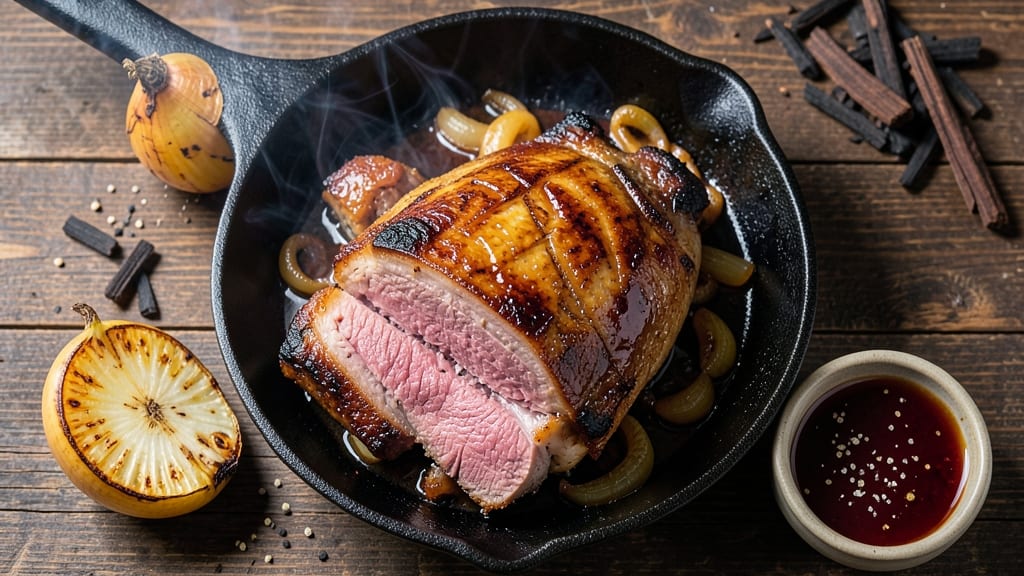
This beef arm roast smoker recipe delivers fall-off-the-bone tenderness with a perfect smoky crust that transforms tough cuts into melt-in-your-mouth perfection. The key lies in low-and-slow smoking at precise temperatures, where the fat cap renders slowly while the connective tissue breaks down into rich, gelatinous goodness.
I’ve perfected this technique over years of experimentation, ensuring every bite delivers that ideal balance of smoky depth and buttery richness.
The magic happens with a simple yet effective seasoning—just salt and pepper—applied generously before the roast hits the smoker. Using hickory or oak wood creates that classic BBQ flavor without overpowering the beef’s natural taste.
The roast cooks at a steady 225°F, allowing the internal temperature to climb gradually to 195°F, where collagen dissolves into flavorful juices. This method guarantees a result that’s both restaurant-quality and foolproof for home smokers.
What you’ll end up with is a roast so tender it practically falls apart at the touch, encased in a deeply caramelized, smoky crust that crackles with every bite. The meat stays juicy and rich, with layers of flavor that come together through the slow cook.
Serve it sliced thinly over mashed potatoes, in sandwiches, or as the centerpiece of a holiday feast—it’s a crowd-pleaser that feels like a celebration every time.
This recipe isn’t just about the beef—it’s about the experience. The smoker’s aroma fills your home with an irresistible scent, and the process itself becomes part of the meal’s appeal.
Whether you’re feeding a family or hosting a gathering, this arm roast delivers unmatched tenderness and a flavor profile that’s hard to resist. Let’s get started on creating your smoker masterpiece.
Ingredients for beef arm roast smoker
Six pounds of beef and a smoker create melt-in-your-mouth perfection with smoky depth.
| Ingredient | Amount | Notes |
|---|---|---|
| Beef Arm Roast 🥩 | 6 lb | With fat cap intact, chuck or arm cut preferred |
| Kosher Salt 🧂 | 2 tbsp | Coarse grain preferred, Diamond Crystal recommended |
| Freshly Ground Black Pepper 🌶️ | 1 tbsp | Cracked peppercorns for best flavor |
| Hickory Wood Chips 🌳 | 2 cups | Or oak for milder smoke, soaked 30 mins |
| Yellow Onion 🧅 | 1 whole | Quartered, for smoker aroma boost |
| Apple Cider Vinegar 🍎 | ½ cup | For spritzing during cook |
| Beef Tallow or Duck Fat 🍳 | ¼ cup | For basting, optional but recommended |
| Garlic Cloves 🧄 | 4 cloves | Smashed for extra flavor infusion |
| Fresh Rosemary 🌿 | ¼ cup | Chopped, sprig on roast during cook |
| Smoked Paprika 🌶️ | 1 tsp | For final crust enhancement |
| Butter 🧈 | ½ cup | Unsalted, softened for basting |
The beef cut is everything here. Arm roast or chuck delivers that signature tenderness—sirloin or ribeye won't cut it. Look for cuts with a thick fat cap (at least 1/2 inch) at your butcher or Costco meat counter. The fat renders during smoking, basting the meat continuously. For best results, ask for the roast to be dry-brined 24 hours before cooking. If you're buying pre-cut, Trader Joe's or Whole Foods carry excellent options. The wood chips should be 100% pure hickory or oak—no blends with fruitwoods unless you want fruity notes.
No hickory chips? Oak works beautifully for a more subtle smoke, while cherry adds sweetness. The apple cider vinegar spritz keeps the crust from drying out—white vinegar in a pinch. For the fat, beef tallow is ideal, but duck fat or even bacon fat in a bind. Fresh rosemary is non-negotiable here—it pairs perfectly with the smoky flavors. Dried works at 1/4 the amount, but fresh is worth the effort. The garlic and onion aren't just for flavor; they create a smoker-friendly aroma base that infuses the meat. If you're short on time, pre-chop them and store in the fridge for up to 3 days.
This roast tastes even better the next day—plan ahead. Wrap leftovers tightly in butcher paper (not foil) and store for 4-5 days. For longer storage, freeze portions for up to 3 months. The crust gets even more intense after resting, so slice against the grain and serve with a butter baste drizzle. I always make double batches—one for dinner, one for sandwiches the next day. The smoker's aroma lingers for hours, so cook when you can enjoy the experience. The meat will reward your patience with every tender bite.
Why You'll Love This Recipe
- I’ll be real: beef arm roast is cheaper than a ribeye, and it feeds a crowd without breaking the bank. That kosher salt and pepper? You already have them. The only splurge is the wood chips—and trust me, they’re worth every penny for that smoky aroma filling your whole house.
- Smoker’s Secret Weapon: Honestly, this roast is my go-to when I don’t want to fuss with marinades or fancy prep. Just salt, pepper, and a handful of hickory chips—no small print, no stress. The smoker does all the heavy lifting while I sip my coffee and pretend I’m a pitmaster.
- Smoky-Sweet Magic: That hickory wood? It turns tough beef into melt-in-your-mouth perfection, especially when you slice those onions thin and let them caramelize right on the roast. The crust is crispy, the inside tender—basically, the kind of flavor that makes people pause mid-bite.
- Budget-Friendly Feast: I’ll be real: beef arm roast is cheaper than a ribeye, and it feeds a crowd without breaking the bank. That kosher salt and pepper? You already have them. The only splurge is the wood chips—and trust me, they’re worth every penny for that smoky aroma filling your whole house.
Step-by-step instructions for smoky crust and fall-off-bone tenderness
Here's how to transform a tough cut into melt-in-your-mouth perfection using low-and-slow techniques.
Prepare the Roast with Dry Brine and Seasoning
Pat the 6 lb beef arm roast completely dry with paper towels—this is non-negotiable for crispy bark. In a small bowl, combine the 2 tbsp kosher salt and 1 tbsp freshly ground black pepper, then rub this mixture all over the roast, pressing firmly so it adheres. Pay special attention to the fat cap and any crevices where seasoning might hide.
Place the seasoned roast on a wire rack set over a rimmed baking sheet. Cover loosely with plastic wrap and refrigerate for 12-24 hours. This dry brine process works magic, tenderizing the meat and creating an intense crust. Don't skip this step—it's what separates good from exceptional.
Set Up the Smoker for Low-and-Slow Cooking
Soak the 2 cups hickory wood chips in water for 30 minutes to prevent flare-ups. When ready, load them into your smoker and preheat to 225°F. I like to use a water pan in the smoker to maintain moisture—add 1 cup water to the pan before starting. The smoke should be steady and blue, not thick white.
While the smoker heats, quarter the 1 whole yellow onion and place it in a small foil pouch. This will infuse the smoke with sweet onion aroma. Once the smoker reaches temperature, place the roast fat-side up on the smoker grate. Insert a meat probe into the thickest part of the roast—this will help you track progress without opening the lid too often.
Smoke and Monitor the Roast
Smoke the roast undisturbed for 4-5 hours until the internal temperature reaches 165°F. This is where the magic happens—low heat breaks down collagen while the fat renders slowly. Every 90 minutes, spritz the roast with ¼ cup apple cider vinegar mixed with 1 tbsp water using a spray bottle. This keeps the surface moist and prevents a tough exterior.
Here's the thing—don't open the smoker door frequently. Each time you do, you lose heat and extend cook time. When you do peek, check for light brown color developing on the surface. If the roast hits "the stall" (temperature stops rising), it's time to wrap it. Wrap the roast tightly in butcher paper (not foil) and return it to the smoker.
Finish with Basting and Resting
Continue smoking until the internal temperature reaches 203°F—this ensures fork-tender perfection. In the final 30 minutes, baste the roast with a mixture of ½ cup softened butter, 1 tsp smoked paprika, and ¼ cup chopped fresh rosemary. This creates a glossy, flavorful crust that seals in juices. Smashed 4 cloves garlic can be placed in the cavity for extra flavor infusion.
Once done, transfer the roast to a cutting board and tent loosely with foil. Let it rest for 30-60 minutes before slicing. This resting period allows juices to redistribute, ensuring each slice is moist and flavorful. The roast should pull apart easily with two forks—no tough strings or resistance. Serve with the pan drippings reduced into a rich gravy if desired.
Pro Tips For Making Beef Arm Roast Smoker
- SEAR FIRST, SMOKE LATER: Hit that arm roast with a screaming-hot pan sear—oil at 450°F, 3-4 minutes per side—before it ever hits the smoker. I learned this the hard way: skipping the sear means a bland, gray crust no matter how long you smoke. The Maillard reaction on the outside locks in flavor while the smoke works its magic inside.
- SALT LIKE IT’S 1920: Generously coat the beef with kosher salt 24 hours ahead—yes, even if you’re impatient like me. The salt needs time to penetrate those tough arm muscles, breaking down fibers and making the meat tender. (Pro move: Toss the roast in salt and black pepper right after searing for extra crust.)
- WATCH THE ONION: Slice that yellow onion thick—½-inch chunks, not paper-thin rings—and toss them in the smoker after the beef is halfway done. Thin slices burn to ash before the beef finishes, and you’ll end up with sad, bitter bits instead of caramelized sweetness. (Add them in the last 30-45 minutes for perfect texture.)
- LOW AND SLOW ISN’T LAZY: Keep the smoker at 225°F (not 250° or higher) for this cut—arm roast needs patience. I used to rush it, and the meat turned out chewy. The collagen melts at low temps, turning into juicy, fork-tender goodness. (A meat probe is your friend here; aim for 195°F internal temp.)
Make-ahead tips for this beef arm roast smoker
Prep Ahead
Start your dry brine the night before—this 12-24 hour process is non-negotiable for maximum tenderness. I like to set up my smoker accessories (wood chips, water pan) while the roast brines in the fridge.
This way, you're ready to go first thing in the morning without rushing. The roast stays fresh in the fridge for 2 days before brining, so plan accordingly. 🌡️
Smoker Prep
Soak your 2 cups hickory wood chips in a bowl of water the evening before smoking. I store them in the fridge overnight—this prevents flare-ups and ensures steady smoke. Set up your smoker's water pan with 1 cup water and quarter the yellow onion for aroma infusion.
This prep takes 10 minutes and makes morning smoking effortless. The smoker should reach 225°F within 30 minutes of starting.
Morning Cook Time
On cook day, remove the roast from the fridge 1 hour before smoking to equalize its temperature. This prevents temperature shock when it hits the smoker. While the smoker preheats, prepare your spritz bottle with ¼ cup apple cider vinegar and 1 tbsp water.
I like to keep everything within arm's reach—my smoker station has a small table with all tools ready. The roast will take 6-8 hours total, so plan for a full day of low-and-slow cooking. ⏰
Post-Cook Storage
After resting, store leftovers in an airtight container with some of the pan juices for extra moisture. I portion mine into quart-sized glass containers—they reheat beautifully. The roast keeps well in the fridge for 4-5 days or freezes for 3 months.
For reheating, use a 350°F oven for 30-45 minutes covered with foil, then broil for 2-3 minutes to restore the crust. The flavors actually deepen overnight!
Make-Ahead Meal Prep
Double the recipe and smoke two roasts—one for dinner, one for sandwiches the next day. I slice the second roast thinly and store it in the fridge with sliced provolone, crusty bread, and pickles for easy assembly. The roast's smoky flavor makes incredible sandwiches.
For a complete meal prep, cook a big batch of mashed potatoes or cornbread at the same time. The smoker's aroma lingers for hours, making your whole house smell like a BBQ feast. 💫
Nutrition facts
Frequently asked questions
What's the best wood choice for smoking beef arm roast?
Hickory or oak are ideal for classic BBQ flavor, while cherry adds subtle sweetness. Avoid fruitwoods like apple or peach—they can overpower the beef's natural taste. Soak chips for 30 minutes before using to prevent flare-ups and ensure steady smoke.
Why does the internal temperature stall around 165°F?
This is called \"the stall\"—when moisture evaporates from the surface, cooling the meat and stopping temperature rise. The fix? Wrap the roast tightly in butcher paper (not foil) and return it to the smoker. This traps steam, allowing the temperature to climb again to 203°F for perfect tenderness.
Can I use a different cut of beef instead of arm roast?
Chuck roast works equally well, but avoid leaner cuts like sirloin or ribeye—they lack the fat needed for low-and-slow smoking. Look for a cut with a thick fat cap (at least 1/2 inch) for best results. The fat renders during cooking, basting the meat continuously.
How do I know when the roast is done?
Use a meat probe to check the internal temperature—203°F guarantees fork-tender perfection. The meat should pull apart easily with two forks and have a deep caramelized crust. If you're unsure, let it cook to 210°F for extra insurance. The roast will continue cooking slightly while resting.
What's the best way to reheat leftovers?
Slice the roast thinly and reheat in a 350°F oven for 30-45 minutes covered with foil, then broil for 2-3 minutes to restore the crust. For sandwiches, warm slices in a skillet with a little butter—this reactivates the smoky flavors. Leftovers keep well for 4-5 days in an airtight container.