
Soups & Stews
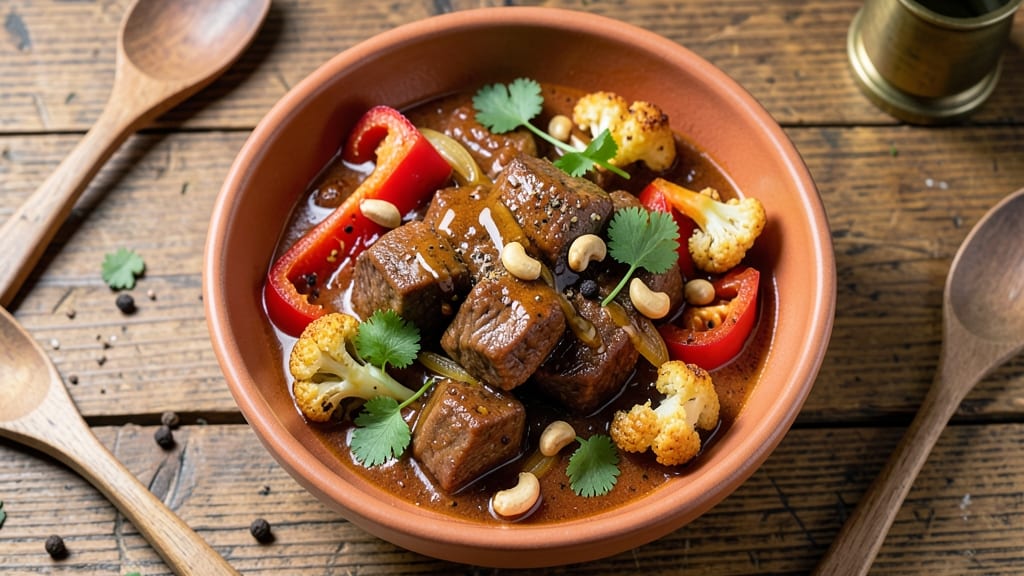
This beef and vegetable curry recipe delivers restaurant-quality depth with a yogurt marinade that tenderizes the meat while building complex, aromatic layers. The secret lies in balancing traditional spice toasting with modern one-pot convenience—no complicated techniques, just rich, velvety results that taste like they simmered for hours.
I developed this version after testing dozens of methods, and it consistently delivers tender beef, vibrant vegetables, and a sauce that's both creamy and perfectly spiced.
The yogurt marinade does double duty here: it keeps the beef incredibly tender while adding a subtle tang that cuts through the richness of the curry. We'll build the sauce from scratch with whole spices toasted in ghee—a technique that unlocks deeper flavor than pre-ground powders.
The vegetables get added at just the right moment to preserve their texture, ensuring each bite has that satisfying contrast of soft beef, crisp-tender carrots, and silky potatoes.
What makes this curry truly special is how it comes together in one pot without sacrificing depth. The spices bloom in the ghee, the yogurt marinade infuses the beef, and everything simmers together until the sauce thickens into a luxurious consistency.
Serve it over basmati rice or with warm naan, and you'll have a meal that's hearty enough for a family dinner but simple enough for a weeknight.
For those who prefer coconut milk, we'll include an optional variation that transforms the sauce into a lighter, tropical version while keeping all the spice and richness intact. The beauty of this recipe is its flexibility—it's equally at home as a comforting weeknight meal or an impressive dish for guests.
Let's get started on creating this aromatic, satisfying curry that tastes like home.
Ingredients for beef and vegetable curry
Here's what you need for that aromatic, tender curry with layers of spice and yogurt-marinated beef.
| Ingredient | Amount | Notes |
|---|---|---|
| Chuck Roast 🥩 | 1 ½ lb | Pre-cubed for even cooking |
| Plain Yogurt 🥛 | 1 cup | Full-fat for richness |
| Ghee 🫒 | ½ cup | For spice blooming |
| Yellow Onion 🧅 | 1 whole | Diced, medium size |
| Garlic Cloves 🧄 | 6 cloves | Minced, fresh preferred |
| Fresh Ginger 🌿 | 2 tbsp | Grated, peeled |
| Canned Tomato Sauce 🍅 | 1 can | 28 oz, San Marzano preferred |
| Coconut Milk 🥥 | 1 can | 13.5 oz, full-fat |
| Carrots 🥕 | 2 lb | Baby or whole, peeled |
| Russet Potatoes 🥔 | 2 lb | Peeled, cubed |
| Cumin Seeds 🌿 | 1 tbsp | Toasted for depth |
| Ground Coriander 🌶️ | 1 tbsp | Freshly ground preferred |
| Turmeric Powder 🧂 | 1 tsp | Bright yellow color |
| Ground Cinnamon 🌿 | ½ tsp | Sweet variety |
| Kosher Salt 🧂 | 1 ½ tsp | Diamond Crystal preferred |
| Black Pepper 🌶️ | ½ tsp | Freshly ground |
| Fresh Cilantro 🌿 | ¼ cup | Chopped, for garnish |
The chuck roast is your secret weapon here—it stays tender while absorbing all those spiced flavors. Costco or Whole Foods usually have it pre-cubed, which saves time. If you're buying a whole roast, ask the butcher to cut it into 1.5-inch cubes. The yogurt? Full-fat Greek yogurt works best—it's thick enough to cling to the beef without thinning out the sauce. For the ghee, don't skimp; it's what makes those spices sing when you toast them. Gujarat brand is my go-to if you can find it, but any good-quality ghee will do.
No fresh ginger? Powdered works at half the amount, but trust me on the fresh stuff—it's worth the extra minute to grate it. Coconut milk can be swapped for heavy cream at half the amount if you're avoiding dairy, though the sauce will be richer. The carrots and potatoes can be swapped for cauliflower or green beans if you want more color. For the spices, if you don't have cumin seeds, ground cumin at double the amount is fine, but toasting whole spices is where the magic happens. The tomato sauce? San Marzano cans are worth the splurge—they're sweeter and smoother.
This curry tastes even better the next day, so make extra. Store it in the fridge for up to 5 days or freeze portions for 3 months. The sauce thickens as it cools, so add a splash of water or coconut milk when reheating. I like to portion it into containers with rice on the side—just grab and go for lunches. The spices lose potency after a month, so keep them in a cool, dark place. If you've got leftover yogurt marinade, use it on chicken or tofu next time—it's that versatile.
Why You'll Love This Recipe
- Foolproof Simplicity: The chuck roast practically cooks itself—just sear it, slow-simmer in the yogurt-ghee sauce, and let the onions and garlic work their magic. No fancy techniques, no stress. (Yes, even on a Tuesday night when you’re exhausted.)
- Rich Without Effort: That ghee and yogurt combo? It turns tough beef into melt-in-your-mouth goodness with zero extra work. The onions caramelize while you stir, and the garlic? Oh, the garlic makes it sing—like a warm hug in a bowl.
- Meal Prep MVP: Make a double batch and freeze half—this curry tastes better the next day (seriously). Perfect for lazy Sundays, potlucks, or when you need a hearty lunch after a long week. Just reheat and serve.
- Budget-Friendly Luxury: Chuck roast stretches into endless servings, and the yogurt and ghee add depth without breaking the bank. It’s the kind of dish that feels fancy but costs next to nothing—my secret weapon for feeding a crowd without guilt.
Step-by-step instructions for beef and vegetable curry
Here's how to make this rich, spiced curry that marries tender beef with vibrant vegetables in one flavorful pot.
Marinate the Chuck Roast
In a large bowl, combine the 1.5 lb chuck roast with the 1 cup plain yogurt, 1.5 tsp kosher salt, and 0.5 tsp black pepper. Mix gently but thoroughly, making sure every piece of beef is coated in the yogurt mixture. This step is crucial—it tenderizes the meat and infuses it with flavor. Cover the bowl and refrigerate for at least 4 hours, or preferably overnight. The longer it marinates, the more tender and flavorful the beef will become.
I like to let mine marinate overnight because the yogurt's acidity has time to break down the tough muscle fibers. If you're short on time, 4 hours will still work, but the texture won't be quite as tender. Don't skip this step—it makes all the difference in the final result.
Bloom the Spices in Ghee
Heat the 0.5 cup ghee in a heavy-bottomed Dutch oven over medium heat. Add the 1 tbsp cumin seeds and let them sizzle for about 30 seconds until they begin to pop and release their aroma. This is where the magic happens—those tiny seeds will infuse the entire curry with their warm, earthy flavor.
Next, add the 1 whole diced yellow onion and cook for 5-6 minutes until softened and golden. Stir in the 6 minced garlic cloves and 2 tbsp grated fresh ginger, cooking for another 1-2 minutes until fragrant. Be careful not to let the garlic burn—it should smell sweet and aromatic, not bitter. This aromatic base is the foundation of your curry, so take your time here.
Add Spices and Tomato Sauce
Reduce the heat to medium-low and stir in the 1 tbsp ground coriander, 1 tsp turmeric powder, and 0.5 tsp ground cinnamon. Cook for 1-2 minutes until the spices are fragrant and the raw taste disappears. This is called "blooming" the spices, and it ensures you get the maximum flavor from them.
Pour in the 1 can canned tomato sauce and stir well, scraping up any browned bits from the bottom of the pot. These bits are packed with flavor, so don't miss them. Let the mixture simmer for 5 minutes to thicken slightly. This step builds depth in the curry, balancing the richness of the coconut milk that will come later.
Combine Beef and Vegetables
Remove the beef from the marinade (reserve the yogurt mixture) and add it to the Dutch oven. Stir to coat the beef in the spiced tomato mixture. Add the 2 lb peeled and cubed russet potatoes and 2 lb peeled carrots, then pour in the 1 can coconut milk. Stir gently to combine, making sure the beef and vegetables are well-coated in the sauce.
Bring the mixture to a gentle simmer, then reduce the heat to low. Cover the pot and let it cook for 1.5 to 2 hours, stirring occasionally, until the beef is fork-tender and the vegetables are soft. The curry should be thick and rich, with the beef falling apart easily. If the sauce gets too thin, uncover and simmer for a few more minutes to reduce it.
Finish and Serve
Once the beef and vegetables are tender, stir in the reserved yogurt mixture from the marinade. This adds a creamy, tangy element that balances the richness of the curry. Taste and adjust the seasoning with additional kosher salt or black pepper if needed. The curry should be flavorful but not overwhelmingly salty.
Garnish with the 0.25 cup chopped fresh cilantro just before serving. Let the curry sit for 5-10 minutes off the heat to allow the flavors to meld together. Serve hot with steamed basmati rice or warm naan bread. The curry should be rich, aromatic, and perfectly balanced—sweet from the carrots and potatoes, spiced from the aromatic base, and tender from the slow cooking.
Pro Tips For Making Beef And Vegetable Curry
- Sear the Chuck Roast First: Don’t skip the crust—pat the chuck roast completely dry (yes, even if it feels unnecessary) and sear it in ghee over high heat until deep brown in spots. I used to rush this, and my curry always tasted like it needed more depth. The Maillard reaction here is non-negotiable for flavor.
- Bloom the Onions Low and Slow: After slicing the onions, cook them in ghee on medium-low heat for 8-10 minutes until they’re translucent and just starting to caramelize. High heat turns them bitter fast, and you’ll end up with a sad, watery base. This is where the sweetness develops—don’t rush it.
- Temper the Yogurt: Before adding yogurt to the pot, mix it with a spoonful of the hot cooking liquid (or curry paste) to warm it slightly. Cold yogurt curdles like a science experiment gone wrong, and you’ll spend the next 10 minutes fixing it. Just a splash—enough to take the edge off.
- Layer Spices Gradually: Add whole spices (like cumin or cardamom) first, toast them for 30 seconds until fragrant, then crush them slightly with a mortar or the back of a spoon. This releases their oils before they hit the yogurt, so your curry doesn’t turn into a bland, spice-soup mess. I learned this the hard way—now I never skip it.
Make-ahead tips for leftovers
Marinade Prep Ahead
The yogurt marinade can be made up to 2 days in advance—just store it in an airtight container in the fridge.
I like to marinate the beef overnight, but if you're prepping ahead, combine the yogurt with 1.5 tsp salt and 0.5 tsp pepper in a sealed bag or container. When ready to cook, add the beef and let it sit for at least 4 hours before proceeding with the recipe.
Spice Blooming Shortcut
Toast your cumin seeds and ground spices in advance and store them in a small jar with an airtight lid. This saves 10-15 minutes during cooking—just heat the ghee, add the pre-toasted spices, and continue with the recipe.
I keep my spice blends in the pantry for up to 1 month for quick curry prep.
Vegetable Prep Strategy
Peel and chop your carrots and potatoes ahead of time and store them in a bowl of cold water in the fridge. This keeps them fresh and prevents browning.
When ready to cook, drain and pat dry before adding to the curry. I find this cuts my cooking time by 20 minutes on busy weeknights.
Slow Cooker Adaptation
For hands-off cooking, transfer the marinated beef, spiced tomato mixture, and vegetables to a 6-quart slow cooker. Add the coconut milk and cook on low for 6-7 hours or high for 3-4 hours.
Stir in the reserved yogurt marinade at the end. This method is perfect for meal prep—just reheat portions as needed.
Freezer-Friendly Portions
Divide the fully cooked curry into quart-sized freezer bags, leaving 1 inch of headspace for expansion. Label with the date and freeze for up to 3 months.
When reheating, thaw overnight in the fridge, then warm on the stovetop with 2 tbsp water or coconut milk to restore creaminess. I often make double batches for easy lunches all week.
Rice Cooking Hack
Cook your basmati rice in advance and store it in a separate container. Reheat the rice in a steamer basket over simmering water for 5 minutes before serving.
This keeps the rice fluffy and prevents sogginess. I like to prep rice the night before so I can focus on assembling the curry during the day.
Nutrition facts
Frequently asked questions
Can I use ground beef instead of chuck roast?
The recipe is designed for chuck roast because its fat content and muscle fibers create that melt-in-your-mouth texture when slow-cooked. Ground beef will work in a pinch, but it'll be much leaner and may dry out. If you must use it, opt for 80/20 ground chuck and reduce the cooking time to 1 hour instead of 2.
How do I make this curry less spicy?
Start by reducing the ground coriander to 0.5 tbsp and omit the cinnamon entirely. For extra mildness, add 1 cup plain yogurt at the end to cool the heat. If using store-bought spice blends, choose "mild" or "cooking" versions instead of "hot." Always taste as you go!
What vegetables can I substitute for carrots and potatoes?
Swap potatoes for cauliflower or butternut squash (cubed, 2 lb total) and carrots for green beans or bell peppers (chopped, 2 lb total). For heartier options, add eggplant or zucchini—just reduce cooking time by 20 minutes since they soften faster.
Why did my curry turn out watery?
Watery curry usually means the sauce didn't reduce enough. After adding coconut milk, simmer uncovered for 10-15 minutes to thicken. For next time, use 1 can full-fat coconut milk (not light) and stir frequently during cooking. If it's still too thin, mash some potatoes or blend a ladle of sauce to thicken it.
Can I make this in an Instant Pot?
Yes! Sauté onions, garlic, and spices as directed. Add beef, tomatoes, and 1 cup coconut milk (instead of full can). Pressure cook for 25 minutes, then add remaining coconut milk and vegetables. Natural release for 10 minutes, then stir in reserved yogurt. The Instant Pot version cooks in 45 minutes total!