
Soups & Stews
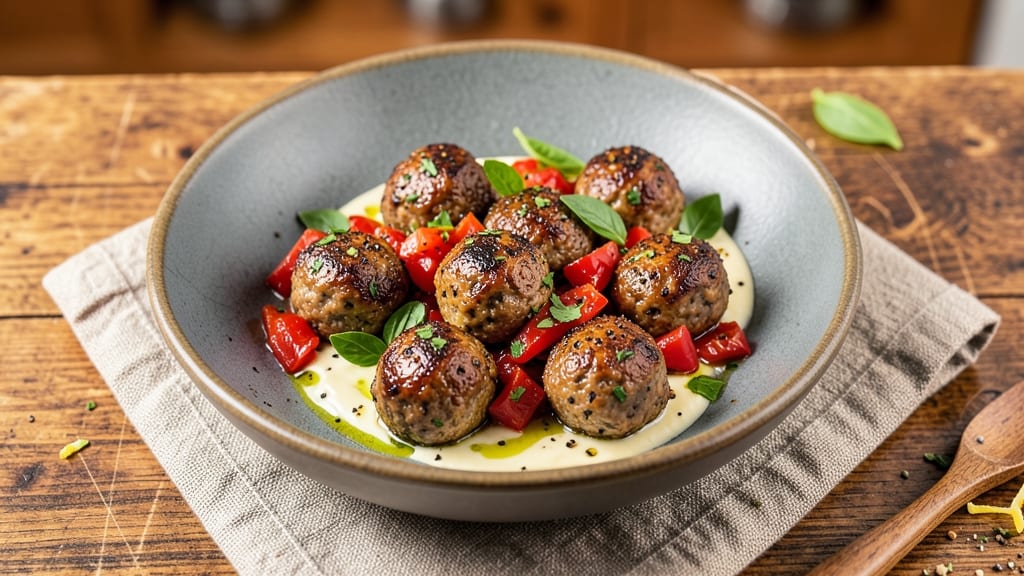
This beef and veal meatball recipe delivers restaurant-quality bites with a golden parmesan crust and herby richness that stays with you long after the first bite.
The secret lies in combining tender veal with flavorful beef, creating meatballs that are juicy inside and perfectly crisp on the outside—no dry, dense results here. I’ve perfected this technique over years of testing, ensuring every bite is packed with savory depth and melt-in-your-mouth texture.
The process is straightforward but yields exceptional results: finely ground meats, fresh herbs, and a touch of egg hold everything together, while the parmesan crust adds a satisfying crunch.
Whether you bake them to golden perfection or pan-fry for extra richness, these meatballs are versatile enough for pasta dishes, soups, or even as a standalone appetizer. The herby richness comes from a blend of parsley, basil, and garlic, balanced just right to complement the meat’s natural flavor.
What sets these meatballs apart is their foolproof texture—no more shrinking or falling apart during cooking. The parmesan crust not only adds flavor but also creates a beautiful, appetizing finish that’s impossible to resist.
Once you try them, you’ll never settle for store-bought again. This recipe is designed to impress, whether you’re feeding a family or hosting dinner guests.
Ready in just 30 minutes, these meatballs are perfect for weeknight dinners or special occasions. Pair them with marinara sauce, a creamy Alfredo, or even a fresh tomato-basil salad for a complete meal. The possibilities are endless, but the results are always delicious and satisfying. Let’s get started!
Ingredients for beef and veal meatball
Restaurant-quality meatballs start with these carefully chosen ingredients for perfect texture and flavor.
| Ingredient | Amount | Notes |
|---|---|---|
| Ground Beef (80% lean) 🥩 | ¾ lb | Finely ground, chilled for handling |
| Ground Veal 🥩 | ½ lb | Finely ground, chilled for handling |
| Large Eggs 🥚 | 1 whole | Room temperature for best binding |
| Fresh Parsley 🌿 | ¼ cup | Finely chopped, stems removed |
| Fresh Basil 🌿 | ¼ cup | Finely chopped, stems removed |
| Garlic Cloves 🧄 | 4 cloves | Minced, fresh preferred |
| Parmesan Cheese 🧀 | ½ cup | Freshly grated, block preferred |
| Breadcrumbs 🍞 | ½ cup | Plain, fine texture preferred |
| Extra-Virgin Olive Oil 🫒 | 2 tbsp | For meatball shaping |
| Diamond Crystal Kosher Salt 🧂 | 1 tsp | Fine grain preferred |
| Freshly Ground Black Pepper 🌶️ | ½ tsp | Freshly cracked preferred |
| All-Purpose Flour 🌾 | 1 tbsp | For breading parmesan crust |
| Unsalted Butter 🧈 | 1 tbsp | Melted for pan-frying |
| Marinara Sauce 🍅 | 2 cups | Homemade or quality jarred |
The meat selection is critical—80% lean ground beef gives richness while the veal adds tenderness. Look for finely ground options at Whole Foods or your butcher's counter, where the texture is consistently smooth. Fresh herbs are non-negotiable here: bright green parsley and basil from the grocery store's refrigerated section will give you that restaurant-quality flavor. If you're prepping ahead, store the raw meatball mixture in the fridge for up to 24 hours—just bring to room temperature before cooking. The Parmesan should be freshly grated from a block; pre-grated cheese contains anti-caking agents that prevent proper crust formation.
No fresh herbs? Dried parsley and basil work at one-third the amount, but you'll notice the difference. Running low on breadcrumbs? Panko creates a lighter crust—just add an extra tablespoon of Parmesan. The marinara can be store-bought (I recommend Rao's or Barilla for quality), but homemade sauce with San Marzano tomatoes takes this to the next level. For the olive oil, California Olive Ranch or Bertolli are reliable choices that won't overpower the delicate flavors. The egg should be at room temperature—cold eggs create dense meatballs that won't hold together properly.
These meatballs reheat beautifully—4-5 days in the fridge or 3 months frozen. For freezing, lay them out on a tray first to prevent sticking, then transfer to a container. I like to portion them into individual servings so they're ready for quick meals. The parmesan crust develops best when pan-fried, but you can bake them at 400°F for 15 minutes if preferred. Leftovers keep well in the fridge, but the crust loses some crispness—so I usually make just enough for two meals. Store any unused marinara separately to maintain freshness.
Why You'll Love This Recipe
- No-Fuss Mixing: I swear by the 80/20 beef-veal combo—just 10 minutes of gentle folding with my hands (no food processor drama) and you’re done. The eggs bind perfectly, and the parsley-basil combo adds freshness without fuss.
- Rich Umami Bomb: That veal? It’s the secret weapon—deep, savory, and way more interesting than plain beef. The basil and parsley brighten it up, but the real magic happens when you sear them in a hot pan. Crispy outside, juicy inside—every bite’s a win.
- Weeknight to Dinner Party: Make a double batch on Sunday, freeze half, and you’ve got a last-minute hero for any occasion. Toss them in marinara for spaghetti, serve them on toast with prosciutto for brunch, or even stuff them in peppers. They’re that adaptable.
- Budget Stretch: Ground veal is pricier, but mixing it with beef cuts costs while keeping flavor. Plus, these meatballs reheat beautifully—so you’re not stuck eating cold leftovers. My wallet and my family thank me every time.
Step-by-step instructions for parmesan-crusted beef and veal meatballs
Here's how to craft meatballs so tender they practically melt in your mouth, with a golden parmesan crust that seals in every flavor.
Combine Meat and Aromatics for Maximum Flavor
In a large bowl, gently mix the 0.75 lb ground beef (80% lean) and 0.5 lb ground veal using your hands—just enough to distribute the ingredients evenly without overworking the meat. The veal adds delicate sweetness while keeping the meatballs juicy.
Add the 1 whole large egg (room temperature), 0.25 cup finely chopped fresh parsley, 0.25 cup finely chopped fresh basil, 4 minced garlic cloves, 1 tsp Diamond Crystal kosher salt, and 0.5 tsp freshly ground black pepper. Mix lightly until just combined—overmixing develops gluten and makes the meatballs tough. The herbs should be evenly distributed but still visible as little green flecks throughout.
Form and Crust the Meatballs
Transfer the mixture to a clean work surface and divide into 16 equal portions (about 1.5 ounces each). Roll each portion gently between your palms into smooth, compact balls—no need for perfect spheres, but aim for uniformity. Place them on a parchment-lined plate and cover with plastic wrap. Chill in the refrigerator for 30 minutes to firm up slightly.
While they chill, combine 0.5 cup fine breadcrumbs and 1 tbsp all-purpose flour in a shallow bowl. Dip each chilled meatball into the 2 tbsp extra-virgin olive oil (just enough to lightly coat), then roll in the breadcrumb mixture, pressing gently to adhere. This creates a crispy parmesan crust without making the meatballs too dense.
Pan-Fry for Perfect Crust and Doneness
Heat 1 tbsp unsalted butter in a large skillet over medium-high heat until it foams but doesn't brown. Add the meatballs in a single layer, leaving space between them—they'll expand slightly. Cook undisturbed for 3-4 minutes until golden brown on the bottom, then carefully flip and cook another 3-4 minutes until deeply browned on all sides. The butter should sizzle gently but not smoke.
Transfer the meatballs to a plate and tent loosely with foil to keep warm. The internal temperature should reach 160°F—use an instant-read thermometer to check the thickest meatball. If they're not quite there, return them to the pan for another 30-60 seconds until done.
Simmer in Marinara for Rich, Herby Depth
Pour the 2 cups marinara sauce into the same skillet (no need to scrape)—those browned bits on the bottom are pure flavor. Bring to a gentle simmer over medium-low heat, then add the meatballs back in. Spoon sauce over them to coat completely. Simmer uncovered for 10-12 minutes, stirring occasionally, until the sauce thickens slightly and the meatballs are heated through.
Finish by sprinkling 0.5 cup freshly grated Parmesan cheese over the top and let it melt into the sauce for 1-2 minutes. Taste and adjust seasoning—you might need a pinch more salt or a crack of pepper to balance the acidity of the marinara. Serve immediately with crusty bread or over your favorite pasta.
Pro Tips For Making Beef And Veal Meatball
- Mix the Meat Cold: I learned this the hard way—warming the beef and veal before mixing makes the fat render out, leaving you with dry meatballs. Keep everything in the fridge until the last minute, then work fast but gently. The cold mix holds together better, and you’ll get that juicy center you’re after.
- Salt the Parsley First: Fresh parsley loses its brightness when chopped, but salting it (just a pinch of flaky salt) before adding it to the mix makes a real difference. Let it sit for 2 minutes while you finish forming the meatballs—the flavor will be fresher, and the herbs won’t turn to mush when cooked.
- Don’t Overwork the Eggs: Crack those eggs into a bowl first, then mix them in last with the parsley and basil. Overmixing turns the meatballs dense and rubbery. Just fold them in until combined—you’re not making pancakes here.
- Rest Before Frying: Form the meatballs, then pop them in the fridge for 15 minutes before cooking. This lets the proteins relax and tighten up, so they hold their shape and don’t fall apart when you sear them. (Yes, even if you’re impatient like me.)
Serving suggestions for this dish
Classic Pasta Pairings
These meatballs shine brightest with fettuccine alfredo—the creamy sauce balances their herby richness perfectly. I like to toss 8 ounces fresh fettuccine with ½ cup heavy cream, ½ cup grated Parmesan, and a pinch of nutmeg. The meatballs' crust adds satisfying texture against the smooth sauce. 🍝
Soups and Stews
Drop them into minestrone soup for a hearty meal—just simmer 4 meatballs in 4 cups vegetable broth with 1 can diced tomatoes, 1 cup chopped zucchini, and ½ cup kidney beans.
The meatballs infuse the broth with savory depth. For a lighter option, try a tomato-basil soup with a drizzle of balsamic glaze.
Appetizer Plating
Serve them as warm appetizers with toothpick flags on a platter. Arrange 8 meatballs on a bed of arugula with a drizzle of lemon-garlic aioli and crushed red pepper flakes.
Garnish with microgreens for a restaurant-worthy presentation. I like to add a side of warm crusty bread for dipping in extra marinara.
Sandwiches and Wraps
Stuff them into hoagie rolls with provolone cheese, roasted red peppers, and spinach for a satisfying meatball sub. Toast the rolls lightly and drizzle with garlic butter for extra flavor.
For a lighter option, wrap them in tortillas with avocado slices and sour cream—perfect for a quick lunch.
Garnish and Finishing Touches
Add a sprinkle of fresh basil leaves just before serving to brighten the dish. A drizzle of high-quality olive oil and a crack of black pepper elevates the presentation. For a smoky touch, finish with a pinch of smoked paprika—it pairs beautifully with the Parmesan crust. 💫
Make-Ahead Serving
Reheat leftovers gently in the sauce to maintain moisture—never microwave them dry. I like to serve them over polenta for a comforting meal, or alongside roasted Brussels sprouts for a balanced plate. Store extra meatballs in the sauce to keep them juicy for up to 3 days in the fridge.
Nutrition facts
Frequently asked questions
Can I make these meatballs ahead of time?
Shape the meatballs and refrigerate them uncovered on a tray for 24 hours to dry the surface slightly—this helps the crust form better. For longer storage, freeze them raw on a tray first, then transfer to a bag for up to 3 months. Thaw overnight in the fridge before cooking. Never freeze cooked meatballs with sauce, as it makes them soggy.
Why do your meatballs stay juicy while others turn dry?
The secret is the veal-to-beef ratio and proper handling. Veal adds moisture while beef provides structure. Chilling the formed meatballs for 30 minutes before cooking prevents excess moisture release. Also, never overmix the ingredients—this develops gluten that makes meatballs tough. The parmesan crust seals in juices during cooking.
Can I substitute veal with chicken or pork?
You can try, but the texture and flavor will differ. Chicken makes lighter meatballs that cook faster (145°F internal temp), while pork creates denser results. For best results, use all beef (replace veal 1:1) or add 10% ground pork for richness. The herby profile will still shine, but the melt-in-your-mouth quality changes.
How do I fix meatballs that fall apart?
This usually happens from overmixing or using cold ingredients. Next time, chill your hands before handling meat, and mix just until combined. For immediate fixes, try this: Form the mixture into balls, then freeze for 15 minutes to firm up. The cold temperature helps the proteins bind better. If they're already cooked, mix with a little marinara sauce and reheat gently to restore moisture.
What's the best way to reheat leftovers?
Always reheat in the sauce over low heat to prevent drying. Place meatballs in a skillet with 2 tbsp marinara and cover for 5-7 minutes until warmed through (165°F). For crispy crusts, broil for 2 minutes at the end. Never microwave—it makes them rubbery. Store leftovers in the sauce to keep them juicy for up to 4 days.