
Soups & Stews
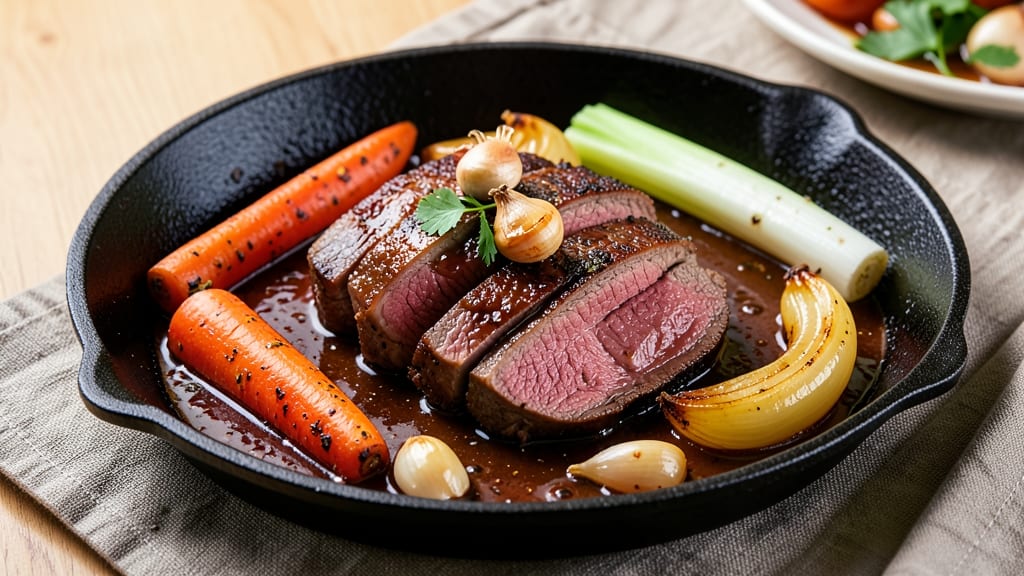
This beef and stout recipe transforms tough cuts into melt-in-your-mouth perfection with deep malty richness. The stout beer creates a complex, caramelized sauce that tenderizes the beef while adding layers of roasted flavor. I've perfected this technique over years of experimenting with braising methods, and the results speak for themselves.
The secret lies in slow cooking—low and slow is the name of the game here. You'll start with a deep sear to lock in juices, then braise in a rich stout-based liquid with aromatic root vegetables until the beef practically falls apart.
The stout's natural sweetness and bitterness balance perfectly, creating a sauce that's both hearty and sophisticated.
What you'll end up with is a dish that's restaurant-quality but achievable at home—tender beef with caramelized edges, surrounded by tender root vegetables and a sauce so rich it'll have everyone asking for seconds.
The aroma alone will fill your kitchen with warmth and anticipation, making dinner feel like a special occasion.
This recipe works beautifully with beef short ribs or chuck roast, and the leftovers reheat just as well as the first serving. Pair with crusty bread to soak up every last bit of that malty goodness. Let's get started on creating this comforting masterpiece.
Ingredients for beef and stout
Rich, malty stout and tender beef create a restaurant-worthy masterpiece with caramelized root vegetables.
| Ingredient | Amount | Notes |
|---|---|---|
| Beef Chuck Roast 🥩 | 3 lb | Bone-in preferred for flavor |
| Stout Beer 🍺 | 2 cups | Dark, malty variety like Guinness |
| Yellow Onion 🧅 | 1 whole | Large, sliced into wedges |
| Carrots 🥕 | 4 medium | Whole, peeled and halved lengthwise |
| Celery Stalks 🧅 | 4 whole | Cut into 2-inch pieces |
| Garlic Cloves 🧄 | 6 cloves | Smashed with side of knife |
| Tomato Paste 🍅 | ½ cup | High quality, no sugar added |
| Thyme Sprigs 🌿 | 2 whole | Fresh, stems removed |
| Bay Leaves 🌿 | 2 whole | Dried, standard size |
| Olive Oil 🫒 | 2 tbsp | Extra-virgin for searing |
| Kosher Salt 🧂 | 1 ½ tbsp | Diamond Crystal preferred |
| Black Peppercorns 🌶️ | 1 tsp | Freshly cracked |
| Flour 🌾 | 2 tbsp | All-purpose, for dredging |
| Crusty Bread 🍞 | 1 loaf | For serving, optional |
| Fresh Parsley 🌿 | ¼ cup | Chopped, for garnish |
The beef is non-negotiable here—chuck roast with good marbling is key for that melt-in-your-mouth texture. Costco or your local butcher shop are best for quality cuts, and bone-in adds extra flavor. For the stout, Guinness is ideal, but any dark, malty beer like Black Label or Samuel Smith's Nut Brown Ale works. The root vegetables don't need to be fancy—just make sure they're fresh, firm, and free of blemishes. If you're using pre-cut carrots, Trader Joe's has great organic options that hold up well during cooking.
No stout beer? Substitute with beef broth plus 1 tbsp molasses for that deep caramelized flavor. Fresh thyme is ideal, but dried works at one-third the amount. For the tomato paste, San Marzano is my go-to—it's sweeter and more flavorful than regular brands. The flour is just for dredging the beef before searing, so don't skip it—it helps create that perfect crust. If you're short on time, pre-chopped mirepoix from the grocery store works fine, but fresh veggies always taste better. The parsley is purely decorative, but it adds a nice fresh contrast to the rich flavors.
This dish tastes even better the next day, so make extra. Store in an airtight container in the fridge for up to 5 days, or freeze for 3 months. The sauce thickens as it cools, so you can always add a splash of water or beer when reheating. For serving, crusty bread is perfect—look for a loaf with a thick crust at Whole Foods or your local bakery. The aroma alone will have everyone gathered around the table, so plan accordingly.
Why You'll Love This Recipe
- One-Pot Magic: I swear by this—just dump the beef, beer, and veggies in one pot, let it simmer, and walk away. No chopping like a fine-dining chef, no fussing with multiple pans. That stout beer does all the work, breaking down the chuck into melt-in-your-mouth perfection while you sip your own glass.
- Deep, Dark Richness: Between us, this isn’t your average beef stew. The stout’s malty bitterness cuts through the richness of the chuck, while the onions and carrots caramelize into a glossy, almost sweet glaze. Honestly, the first bite makes you forget you’re eating leftovers—it’s that good.
- Weeknight to Weekend: Make it on a Tuesday for a dinner that doubles as Thursday’s lunch. Or serve it at a game day gathering—it’s hearty enough for a crowd but still feels like a cozy meal. My in-laws asked for the recipe after one serving. (Yes, even on a Tuesday night.)
- Budget Beef Boost: A chuck roast stretches further than you’d think, and stout beer is cheaper than fancy red wine. The carrots and celery add bulk without breaking the bank, and the leftovers? Even better the next day. I’ve fed six people for under $20 with this—no guilt, just flavor.
Step-by-step instructions for beef and stout braised roast
Here's how to transform tough beef into melt-in-your-mouth perfection with deep malty flavors.
Sear the Beef Chuck Roast for Maximum Flavor
Pat the 3 lb Beef Chuck Roast completely dry with paper towels—this ensures a proper sear. Heat a heavy Dutch oven over medium-high heat and add 2 tablespoons olive oil. Once shimmering, add the beef and sear on all sides until deeply browned, about 8-10 minutes total. Don't rush this step; you want that rich Maillard reaction happening.
While the beef sears, prepare the aromatics: slice the whole yellow onion into wedges, peel and halve the 4 medium carrots lengthwise, and cut the 4 whole celery stalks into 2-inch pieces. Add these to the Dutch oven once the beef is browned. Sear them for 3-4 minutes until they begin to soften and caramelize slightly. This layer of flavor will form the base of your braise.
Build the Braising Liquid with Stout and Aromatics
Remove the beef from the pot and set it aside. Add 6 smashed garlic cloves, 2 whole thyme sprigs, 2 whole bay leaves, and 1.5 tablespoons kosher salt to the Dutch oven. Pour in the 2 cups stout beer, scraping up any browned bits from the bottom—this deglazing captures all that seared flavor. Stir in the 0.5 cup tomato paste and let the mixture bubble for 2-3 minutes until slightly thickened.
Return the beef to the pot, along with any accumulated juices. Bring the liquid to a simmer, then reduce heat to low. The liquid should just barely bubble—this gentle simmer is crucial for tenderizing the beef without toughening it. Cover with a tight-fitting lid and let it cook for 2 hours. Here's the thing—you'll want to resist the urge to peek or stir; every time you open that lid, you're letting heat escape and potentially drying out the beef.
Develop Deep Flavor Through Slow Cooking
After 2 hours, check the beef for tenderness. It should be fork-tender, with the internal temperature reaching 195-200°F. If it's not quite there, continue cooking for another 30-60 minutes. The long, slow cook time breaks down the collagen in the beef, transforming it into rich, gelatinous juices that create the signature braising sauce.
While the beef cooks, crack the 1 teaspoon black peppercorns and toast them lightly in a dry skillet for 30 seconds until fragrant. This adds a subtle peppery depth to the dish. Once the beef is tender, remove it from the pot and set it aside on a cutting board. Strain the braising liquid through a fine-mesh sieve into a clean bowl, discarding the solids. This gives you a smooth, flavorful sauce without any tough vegetable pieces.
Finish with Flour and Garnish for Perfect Texture
Return the strained braising liquid to the Dutch oven and place it over medium heat. Sprinkle in the 2 tablespoons flour, whisking constantly for 1-2 minutes until the sauce thickens slightly—this creates a silky, velvety texture that clings beautifully to the beef. Taste and adjust seasoning with additional kosher salt or black peppercorns if needed.
Slice the beef against the grain into ¼-inch thick slices and arrange it on a platter. Ladle the thickened sauce over the top, then garnish with 0.25 cup chopped fresh parsley. Serve with slices of crusty bread for soaking up every last drop of that rich, malty sauce. The contrast of the crisp bread against the tender beef and deep, caramelized vegetables makes this dish truly unforgettable.
Pro Tips For Making Beef And Stout
- Sear the Chuck First: After browning the beef chuck in batches, don’t rush the second sear—wait until the pan is screaming hot again. That second crust locks in flavor, and skipping it means your stout braise will taste like it missed its first date.
- Mirepoix Matters: Dice the onions, carrots, and celery into even ¼-inch pieces—no big chunks, no fine mince. The stout beer needs room to work its magic, and uneven sizes mean some veggies stay crunchy while others turn to mush. (Yes, even if you’re tempted to chop fast.)
- Deglaze Aggressively: As soon as the beef comes out, pour in the stout beer immediately—don’t let those browned bits sit. Use a wooden spoon to scrape every last drop from the bottom, or you’re leaving behind flavor gold. I learned this the hard way when my first attempt tasted like it was missing half its soul.
- Low and Slow Wins: Set your oven to 300°F (not 325°F or higher) and resist the urge to peek or stir. The chuck needs 3–4 hours to melt into tender perfection, and opening the lid turns your braise into a science experiment. Cover it, walk away, and trust the process. (Your future self will thank you.)
Common mistakes when making perfect results
Skipping the Sear
One of the biggest mistakes is rushing the sear or skipping it entirely. That golden-brown crust isn't just for looks—it traps flavor through the Maillard reaction. If you skip it, your beef will stay tough and bland.
I’ve learned the hard way: always let your Dutch oven get smoking hot before adding oil, and pat the beef bone-dry first. This ensures maximum browning. 🔥
Using Low-Quality Beer
Not all stouts are created equal. Using a light beer or a flat, oxidized stout will leave your dish tasting thin and off. Opt for a fresh, malty stout like Guinness or Samuel Smith’s Nut Brown Ale.
If your stout has a strong hop bitterness, balance it with 1 tsp brown sugar in the braising liquid. The beer should complement, not overpower, the beef.
Overcrowding the Pot
Stuffing too much beef and veggies into your Dutch oven can lead to steaming instead of searing. The goal is to build layers of flavor, not dilute them. Start by searing the beef in batches if needed, and don’t overload the pot with aromatics.
A good rule of thumb: the beef should have room to move freely in the liquid. Overcrowding also makes it harder to achieve that perfect 195-200°F internal temperature.
Peeking Too Often
Every time you lift the lid during braising, you lose heat and moisture, extending cook time. I’ve seen beginners check the beef every 15 minutes, which can add hours to the process.
Trust the timer! If you must peek, do it quickly and close the lid right away. The beef will eventually reach the right tenderness—just be patient.
Ignoring the Rest
Slicing beef too soon after braising means dry, stringy results. The beef needs time to reabsorb its juices. Always let it rest for at least 15-20 minutes before slicing.
I like to tent it loosely with foil while it rests. This also gives the sauce time to thicken slightly, making it even more luxurious. 💫
Skipping the Flour Finish
The flour slurry at the end isn’t just for thickening—it adds body and richness to the sauce. Without it, the sauce can turn watery, especially if you’re reheating leftovers. Whisk the flour into the sauce after straining the solids to avoid lumps.
If you’re gluten-free, substitute with cornstarch (1 tbsp) mixed with cold water. The result is a silky, clingy sauce that elevates the dish.
Nutrition facts
Frequently asked questions
Can I substitute another type of beer for stout?
A stout's deep malty flavor is key, but you can use dark ale or porter in a pinch. Avoid light beers—they lack the caramelized richness. For non-alcoholic versions, use 2 cups beef broth + 1 tbsp molasses to mimic the stout's depth. The beer should complement, not overpower, the beef's natural flavors.
How do I know when the beef is fully tender?
Use the fork test: pierce the thickest part of the beef—it should feel like butter, with no resistance. The internal temperature should reach 195-200°F. If it's not quite there after 2 hours, add 20-30 minutes more. Overcooking won't hurt the flavor, just the texture.
Can I make this recipe in a slow cooker?
Brown the beef first in a skillet, then transfer everything (including seared veggies) to the slow cooker. Use low heat for 6-8 hours or high for 4-5 hours. The slow cooker's gentle heat mimics the Dutch oven's braising effect. Just skip the flour slurry at the end—thicken the sauce with a cornstarch slurry instead.
What’s the best way to reheat leftovers?
Reheat gently in the Dutch oven over low heat with 2-3 tbsp stout or beef broth to restore moisture. Avoid microwaving—it makes the beef dry. Leftovers keep well for 5 days refrigerated or 3 months frozen. The sauce thickens when cold, so add a splash of liquid when reheating.
Why does my sauce turn out watery?
Watery sauce usually means the beef wasn’t cooked long enough to break down collagen into gelatin. Simmer uncovered for 10-15 extra minutes to reduce. For instant fixes, whisk in 1 tbsp cornstarch mixed with cold water. Always strain the braising liquid before thickening—solids can dilute the sauce.