
Main Courses
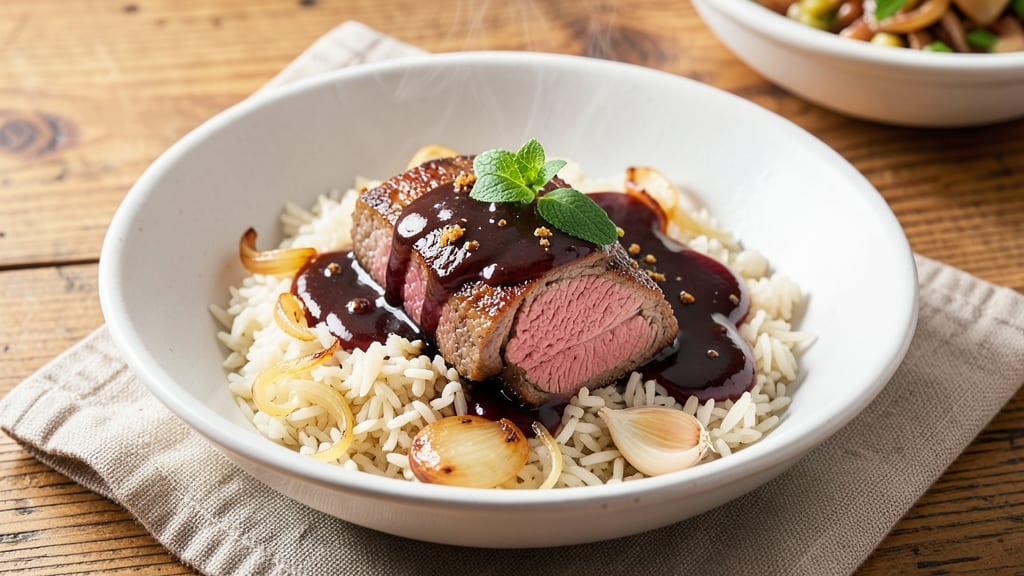
This beef and gravy over rice recipe turns simple ingredients into a hearty, restaurant-worthy meal that's ready in under 45 minutes.
The secret lies in transforming leftover pan drippings into a rich, velvety gravy that blankets tender beef and fluffy rice—every bite is packed with deep, savory flavor without the fuss of complicated techniques.
Start with a perfectly seared piece of beef—whether it's a tenderloin, ribeye, or even a budget-friendly chuck roast—cooked to your preferred doneness.
The pan sauce is where the magic happens: deglaze with beef broth, add a splash of red wine (or extra broth), and reduce until thick and glossy. This method captures all the meaty flavors that would otherwise disappear.
What you'll end up with is a plate of golden, buttery rice topped with perfectly seasoned beef swimming in a glossy, rich gravy that clings to every grain.
The contrast between the tender beef, creamy gravy, and fluffy rice creates a satisfying balance of textures and flavors—comforting enough for a weeknight but impressive enough for company.
Serve immediately for the best experience, as the gravy thickens slightly when left to sit. This recipe scales beautifully, making it ideal for feeding a crowd or prepping meals ahead. The technique is simple, but the results are undeniably restaurant-quality.
Ingredients for beef and gravy over rice
Transform simple pantry staples into restaurant-quality beef and gravy over rice.
| Ingredient | Amount | Notes |
|---|---|---|
| Beef Tenderloin 🥩 | 1 ¼ lb | Center-cut, trimmed of fat |
| Unsalted Butter 🧈 | ½ cup | Cold, cut into 1-inch cubes |
| Yellow Onion 🧅 | 1 whole | Medium, thinly sliced |
| Garlic Cloves 🧄 | 4 cloves | Minced, fresh preferred |
| Beef Broth 💧 | 2 cups | Homemade or quality store-bought |
| Dry Red Wine 🍷 | ½ cup | Bold variety like Cabernet Sauvignon |
| All-Purpose Flour 🌾 | 2 tbsp | For thickening gravy |
| Long-Grain White Rice 🍚 | 1 ½ cups | Uncooked, jasmine or basmati |
| Chicken Broth 💧 | 1 ½ cups | For cooking rice |
| Salt 🧂 | 1 ½ tsp | Kosher or sea salt |
| Ground Black Pepper 🌶️ | ½ tsp | Freshly ground preferred |
| Fresh Thyme 🌿 | 2 sprigs | Or 1 tsp dried thyme |
| Fresh Parsley 🌿 | ¼ cup | Chopped, for garnish |
| Olive Oil 🫒 | 2 tbsp | For searing beef |
The beef choice matters—tenderloin delivers elegance, but ribeye adds richness, and chuck roast keeps costs down. Buy from the butcher counter if possible; they'll trim it perfectly. For the wine, Cabernet Sauvignon or Merlot work best—they're bold enough to stand up to the beef's intensity. If you prefer not to use alcohol, extra beef broth with a splash of balsamic vinegar mimics the depth. The thyme should be fresh, vibrant sprigs—dried works in a pinch but lacks that bright herbaceous note.
No red wine? Use an extra 0.5 cup beef broth plus 1 tbsp balsamic vinegar—it's a game-changer for depth. The flour is for thickening the gravy, but if you're watching carbs, cornstarch slurry works too (mix 1 tbsp cornstarch with 2 tbsp cold water). For the rice, jasmine or basmati stays separate and fluffy, while long-grain white rice absorbs more gravy. The parsley is purely decorative, but fresh thyme in the gravy adds an earthy backbone—don't skip it. If you're prepping ahead, cook the rice separately and reheat it in the gravy later; it'll soak up all those rich flavors.
This dish reheats beautifully—just warm the gravy on the stove and toss with the rice. Store components separately: beef and rice in one container, gravy in another. The gravy thickens as it cools, so add a splash of broth when reheating if it's too stiff. Leftovers keep for 4-5 days in the fridge, and the gravy freezes well for up to 3 months. For a crowd, double the beef and rice, but keep the gravy proportions similar—you want it to coat, not drown. The key is timing: serve the beef and rice first, then let everyone ladle gravy to taste.
Why You'll Love This Recipe
- One-Pan Wonder: I swear by this recipe on days when I’m too tired to scrub pots. Sear the tenderloin in butter, toss in onions and garlic, then let the beef broth do its magic—no extra dishes, just rich, sticky gravy pooling over rice. Honestly, the only cleanup is wiping the pan with a paper towel.
- Rich, Deep Flavor: That beef tenderloin stays juicy while the onions caramelize, and the garlic? Oh, it’s there—layered in every spoonful of gravy. The butter adds a velvety finish, and the broth ties it all together like a warm hug in a bowl. (Yes, even on a Tuesday night.)
- Weeknight to Weekend: I make this for lazy Tuesday dinners, but it’s also my go-to for Sunday suppers when company drops by. The rice soaks up the gravy perfectly, and the tenderloin slices are impressive enough to feel fancy—without the fuss of a holiday meal.
- Leftovers That Don’t Suck: Between us, most beef and gravy dishes turn dry or gluey by day two. Not this one. The tenderloin stays tender, and the gravy thickens just enough to reheat beautifully. I’ll often pack it for lunches—my kids fight over who gets the extra piece.
Step-by-step instructions for beef and gravy over rice
Transform simple ingredients into an elegant weeknight dinner with this foolproof method.
Sear the Beef Tenderloin for Rich Flavor
Pat the 1.25 lb beef tenderloin dry with paper towels—this ensures maximum browning. Heat 2 tablespoons olive oil in a large skillet over medium-high heat until shimmering. Place the beef in the pan and sear for 3-4 minutes per side until it develops a deep golden-brown crust. Don't move the beef during searing—this creates the flavorful crust we'll use for the gravy.
Remove the beef from the pan and set it aside on a plate. The residual fat in the pan will serve as the base for our gravy. If the pan isn't browned enough, increase the heat for 30 seconds to deepen the color—this is where the rich flavor develops.
Sauté Aromatics and Deglaze with Wine
In the same skillet (with the browned bits still clinging), add 1 whole yellow onion and cook for 5-6 minutes until softened and golden. Add the 4 minced garlic cloves and cook for 30 seconds until fragrant—don't let the garlic burn, or it will turn bitter. Stir in 2 sprigs fresh thyme and cook for another 30 seconds.
Pour in 0.5 cup dry red wine and scrape up all the browned bits from the bottom of the pan with a wooden spoon. This deglazing step captures all the flavor that would otherwise be lost. Let the wine simmer for 3-4 minutes until reduced by half—this concentrates the flavors for the gravy.
Build the Rich Gravy Base
Sprinkle the 2 tablespoons all-purpose flour over the wine mixture and stir vigorously for 1-2 minutes until fully incorporated and the mixture thickens slightly. This creates a roux that will thicken our gravy. Gradually whisk in 2 cups beef broth, 1 tablespoon at a time, ensuring each addition is fully incorporated before adding more.
Bring the mixture to a gentle simmer and cook for 5-7 minutes until the gravy thickens to a smooth, velvety consistency. It should coat the back of a spoon but still be pourable. Season with 1.5 teaspoons salt and 0.5 teaspoon ground black pepper. Taste and adjust seasoning—this is where you can really refine the flavor.
Cook the Perfect Rice
While the gravy simmers, rinse 1.5 cups long-grain white rice under cold water until the water runs clear. This removes excess starch that would make the rice gummy. In a separate pot, combine the rice with 1.5 cups chicken broth and bring to a boil. Reduce heat to low, cover, and simmer for 15 minutes. Remove from heat and let it steam, covered, for another 5 minutes. The rice should be tender with a slight bite—this is how you achieve perfect al dente texture.
Fluff the rice gently with a fork and set aside. The rice should be hot but not overcooked—it will continue to cook slightly when combined with the beef and gravy.
Combine and Serve
Slice the beef tenderloin into 0.5-inch thick medallions against the grain for maximum tenderness. Return the sliced beef to the gravy pan and gently toss to coat evenly. Spoon the beef and gravy over the cooked rice, dividing evenly among 4 serving plates. Garnish each serving with 0.0625 cup (about 1 tablespoon) chopped fresh parsley for a pop of color and freshness.
Let the dish rest for 2-3 minutes before serving—this allows the flavors to meld together. The result should be a perfectly balanced meal with tender beef, rich gravy, and fluffy rice. Each bite should deliver a harmonious combination of savory, umami, and aromatic notes that make this dish feel like a restaurant-quality meal.
Pro Tips For Making Beef And Gravy Over Rice
- Slice Thin, Sear Fast: Tenderloin’s the star here, but thick slices won’t cook evenly and turn tough. Cut it against the grain into ½-inch strips—no thicker—so they finish in 2-3 minutes flat on high heat. I learned this the hard way after serving rubbery beef that needed another 10 minutes to chew.
- Melt Butter Slow: Unsalted butter’s your flavor base, but dumping it all at once burns before it renders. Melt 1 tablespoon in the pan first, then add the rest in stages as you cook the onions. This keeps the garlic from scorching and gives you a smoother gravy.
- Deglaze Aggressively: That browned beef fond stuck to the pan? Don’t just splash broth—scrape with a wooden spoon while you pour. Every bit of it dissolves into rich flavor. I used to rush this, and the gravy always tasted weak. Now it’s the thing that makes the dish sing.
- Strain the Broth: Homemade or store-bought, beef broth often has bits that make gravy look cloudy. Strain it through a fine-mesh sieve before using—it’s 30 seconds that guarantees a silky finish. Yes, even if you’re impatient like me, trust the process. The rice will thank you.
Serving suggestions for this beef and gravy over rice
Garnish Like a Pro
Freshly chopped parsley is my go-to garnish for this dish—it adds a bright, herbaceous note that cuts through the richness. Use about 1 tablespoon per serving and sprinkle just before serving to preserve that vibrant green color.
For a more elegant touch, I sometimes add a few thinly sliced shallots or a drizzle of truffle oil (just ½ teaspoon) for an extra layer of sophistication. 🌿
Bread Pairings
A warm, crusty baguette is a must for soaking up any extra gravy. I like to slice it into ½-inch thick pieces and toast them in the oven until golden.
For a heartier option, serve with garlic bread made with a French baguette and butter infused with garlic and herbs. The bread should be served alongside, not on top—this keeps the rice and beef as the star of the plate.
Vegetable Sides
Roasted carrots or green beans> add a touch of freshness to balance the richness of the beef and gravy.
Toss 1 lb carrots (cut into ½-inch sticks) with 2 tablespoons olive oil, ½ teaspoon salt, and ¼ teaspoon black pepper, then roast at 400°F for 20-25 minutes until tender and caramelized.
For green beans, blanch them for 3 minutes in boiling water, then shock in ice water before tossing with 1 teaspoon lemon zest and 1 tablespoon butter. ✨
Wine and Beverage Pairings
A bold Cabernet Sauvignon or Merlot complements the dish beautifully, as their tannins and dark fruit notes mirror the richness of the gravy. For a lighter option, a crisp Sauvignon Blanc with its citrusy brightness provides a refreshing contrast.
If you prefer beer, a malty amber ale or brown ale works well—avoid overly hoppy IPAs, as they can clash with the dish's savory depth.
Make It a Meal
Turn this into a full spread by adding a simple side salad> with mixed greens, cherry tomatoes, and a light vinaigrette. I like to use red wine vinegar, olive oil, and a pinch of Dijon mustard for a tangy kick.
For a more decadent touch, serve with creamy mashed potatoes> or scalloped potatoes>—the gravy will taste even richer on these starchy sides. The key is balance: keep the sides light enough so the beef and gravy remain the star.
Family-Style Serving
For gatherings, serve this dish family-style in the center of the table. Use a large, shallow dish to hold the rice, and place the beef and gravy in a separate gravy boat or small skillet. This lets everyone serve themselves and customize their portions.
I also recommend having extra gravy on hand—it’s always the most popular part! For a rustic touch, use stoneware or cast-iron dishes> to keep everything warm and add to the cozy atmosphere. 🍽️
Nutrition facts
Frequently asked questions
Can I use leftover roast beef instead of fresh?
Leftover roast beef works perfectly—just slice it into 0.5-inch medallions and warm it gently in the gravy. The key is to maintain the beef's moisture, so avoid overcooking. If the beef is dry, add a splash of beef broth to the gravy to restore juiciness. This method is actually how the dish got its name!
How do I fix gravy that's too thick or too thin?
For gravy that's too thick, whisk in 1-2 tablespoons of hot beef broth until smooth. If it's too thin, mix 1 teaspoon cornstarch with 2 tablespoons cold water, stir into the gravy, and simmer for 1-2 minutes until it thickens. Always taste as you adjust—seasoning matters just as much as consistency.
What's the best way to reheat leftovers?
Reheat the beef and rice separately in a skillet with a splash of beef broth to prevent drying. Warm the gravy on low heat, stirring frequently. Combine everything just before serving to maintain the gravy's velvety texture. Leftovers keep well for 4-5 days in the fridge—just add a little extra broth when reheating to restore moisture.
Can I make this dish ahead of time?
Yes! Cook the rice and beef separately, then refrigerate them in airtight containers. Store the gravy in a separate container. When ready to serve, reheat the beef and rice, then warm the gravy on the stove. Combine everything and let it rest for 2-3 minutes before serving—this helps the flavors meld beautifully. The gravy will thicken slightly when cold, so add a splash of broth when reheating.
What if I don't have red wine?
No problem! Use 0.5 cup extra beef broth plus 1 tablespoon balsamic vinegar for depth. The vinegar adds a subtle tang that mimics wine's acidity. For even more richness, add ½ teaspoon Worcestershire sauce. The flavor will still be delicious—it just won't have the same complexity as wine.