
Soups & Stews
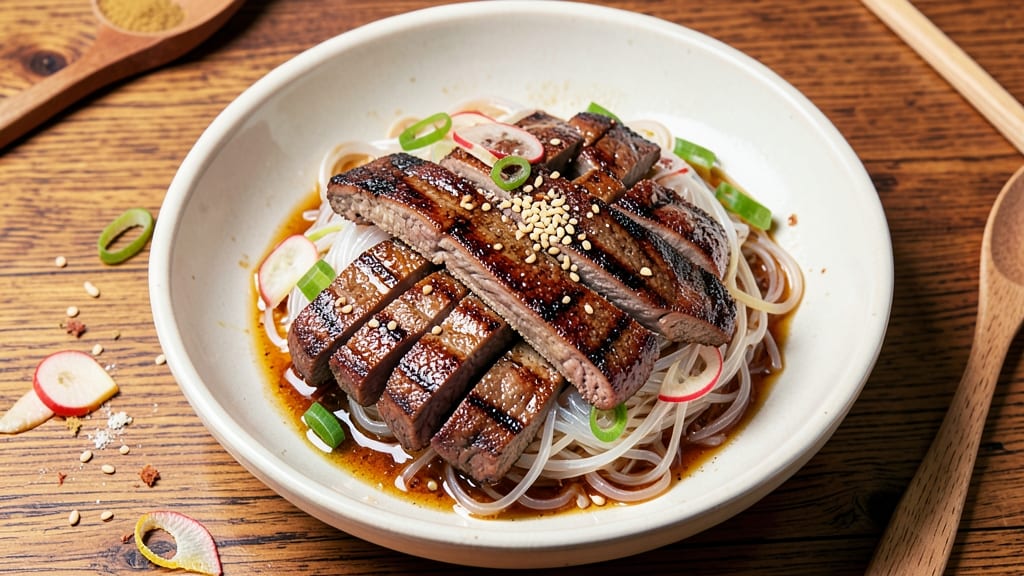
This beef and glass noodle recipe delivers the perfect harmony of chewy, translucent noodles and tender beef in a fragrant soy-ginger sauce. The secret lies in high-heat stir-frying that creates crisp-tender beef and glass noodles with just the right bite—no mushy texture here.
I developed this version after searching for a restaurant-quality dish that actually works at home, and it never fails to impress.
The foundation is simple: thinly sliced beef marinated in a bold soy-ginger mixture, then quickly seared in a hot wok. Glass noodles (made from mung bean starch) soak up the savory sauce while maintaining their signature crunch.
What makes this dish special is the balance—salty from the soy, bright from the ginger, and umami-rich from the beef broth base.
By the end, you'll have a steaming bowl of silky noodles wrapped around tender beef, all coated in a glossy sauce that's both comforting and vibrant. The aroma alone will draw everyone to the table, and each bite delivers that perfect contrast of textures and flavors.
This is the kind of weeknight dinner that feels like a celebration.
Whether you're recreating a Vietnamese-inspired bún bò Huế or a classic Chinese beef noodle dish, this method adapts beautifully. Serve with fresh herbs and lime wedges for brightness. Let's get cooking—your taste buds will thank you.
Ingredients for beef and glass noodle
Thinly sliced beef and chewy glass noodles paired with bold soy-ginger flavors—this is your weeknight celebration.
| Ingredient | Amount | Notes |
|---|---|---|
| Flank Steak 🥩 | 1 ½ lb | Thinly sliced against grain |
| Glass Noodles (Mung Bean Starch) 🍜 | 8 oz | Dried, uncooked |
| Soy Sauce 🥄 | ½ cup | High-quality, light variety |
| Fresh Ginger 🌿 | 2 tbsp | Finely grated, aromatic |
| Beef Broth 💧 | 1 cup | Low-sodium preferred |
| Sesame Oil 🫒 | 1 tbsp | Toasted, for aroma |
| Garlic Cloves 🧄 | 4 cloves | Minced, fresh preferred |
| Brown Sugar 🍯 | 1 tbsp | Packed, light variety |
| Vegetable Oil 🫒 | 3 tbsp | High smoke point |
| Lime Wedges 🍋 | 2 whole | For serving, fresh |
| Fresh Cilantro 🌿 | ¼ cup | Chopped, for garnish |
| Red Chili Flakes 🌶️ | ½ tsp | Adjust to taste |
| Salt 🧂 | 1 tsp | Kosher or sea salt |
| Black Pepper 🌶️ | ½ tsp | Freshly ground |
The flank steak is non-negotiable here—it's lean but tender when sliced thin against the grain. Ask the butcher to slice it if possible, or freeze it 30 minutes before slicing for cleaner cuts. I grab mine from Costco when it's on sale, but any grocery store carries it. For glass noodles, Asian markets have the best selection—look for mung bean starch noodles, not rice noodles. The difference in texture is huge. Fresh ginger and garlic? Trader Joe's sells pre-grated ginger, which saves time, but fresh is always better if you've got it.
No flank steak? Sirloin or ribeye work too, just slice extra thin. Running low on soy sauce? Coconut aminos or tamari are solid swaps. The glass noodles can be found in the international aisle at most grocery stores, but if you're desperate, rice vermicelli is a decent stand-in (though texture won't be identical). Brown sugar substitutes? Honey or maple syrup at half the amount. And if you're avoiding sesame oil for its strong flavor, toasted sesame seeds sprinkled at the end add the same aroma without overpowering.
Prep the beef and noodles first—this dish comes together in minutes once everything's ready. The glass noodles soak up sauce beautifully, so don't overcook them. Store leftovers in airtight containers for 3-4 days—they reheat perfectly with a splash of water. For extra flavor, toss in a little more soy sauce or a drizzle of sesame oil when reheating. The lime wedges and cilantro should be added fresh at serving time (the good stuff, not the pre-shredded kind).
Why You'll Love This Recipe
- No-Fuss Slice: I swear by this one—just sear the flank steak until it’s caramelized, slice it thin, and toss it with pre-soaked glass noodles. No fancy knife work, no waiting hours for marinades. Honestly, the hardest part is remembering to take the noodles out of the fridge to soak while you cook.
- Umami Bomb: That combo of soy sauce and beef broth? It’s like a flavor explosion in your mouth. The ginger adds a little kick, but the real star is how the glass noodles soak up all the rich, salty-sweet sauce. I’ll be real: my picky-eater husband goes back for seconds without complaining.
- Lunchbox Legend: Between us, this is my go-to for meal prep. The noodles hold up perfectly for days, and the beef stays tender if you slice it against the grain. Pack it in containers, and you’ve got a satisfying lunch that doesn’t require reheating—just toss with a little extra broth to loosen it up.
- Budget Power Move: Flank steak is cheaper than you’d think, and glass noodles stretch for miles. A single pound of beef and a bag of noodles feed four people easily, and leftovers? They’re even better the next day. I’ve made this for date nights, lazy Sundays, and even as a quick dinner when I’m too tired to think. Solid.
Step-by-step instructions for beef and glass noodle stir-fry
Here's how to create a perfect wok-sizzled dish with tender beef and silky noodles.
Prepare the Glass Noodles
Place the 8 oz glass noodles in a heatproof bowl and cover them with boiling water. Let them soak for 8-10 minutes until they become soft and pliable. You'll know they're ready when they can be easily separated with chopsticks—no need to rinse them afterward.
While they soak, I like to prepare the beef. Thinly slice the 1.5 lb flank steak against the grain into ¼-inch thick strips. This ensures tender bites that cook quickly in the wok. Pat the slices dry with paper towels to help them sear properly.
Build the Flavor Base
Heat a large wok or skillet over high heat until it's smoking hot. Add 3 tablespoons vegetable oil and swirl to coat the bottom. Once the oil shimmers, add the sliced flank steak in a single layer and let it sear undisturbed for 1-2 minutes until it develops a deep brown crust.
Push the beef to one side of the wok and add 2 tablespoons finely grated fresh ginger, 4 minced garlic cloves, and 0.5 teaspoon red chili flakes. Stir vigorously for 30 seconds until the aromatics release their fragrant oils. This creates the flavor foundation for your dish.
Create the Sauce Mixture
In a small bowl, whisk together 0.5 cup soy sauce, 1 tablespoon brown sugar, and 1 tablespoon toasted sesame oil. This combination balances sweet, salty, and nutty flavors that will coat your noodles perfectly. Keep this mixture nearby as you'll need it in the next step.
Add the sauce mixture to the wok and stir for 1 minute until it begins to bubble and thicken slightly. The heat from the wok will help reduce the sauce while keeping it glossy. This is where the magic happens—don't walk away as the sauce can burn quickly if unattended.
Combine Everything
Drain the glass noodles and add them to the wok with the beef mixture. Stir-fry for 2-3 minutes until the noodles are evenly coated and heated through. The noodles should be hot but still maintain their delicate texture—overcooking will make them mushy.
Pour in 1 cup beef broth and stir everything together. Cook for another 1-2 minutes until the liquid reduces slightly and the noodles absorb the flavorful sauce. Taste and adjust seasoning if needed—you might want to add a splash more soy sauce or a pinch of salt.
Finish and Serve
Remove the wok from heat and let it sit for 1 minute to allow the flavors to meld. Stir in 0.25 cup chopped fresh cilantro just before serving to add a bright, herbaceous finish. The noodles should be silky, the beef tender, and the sauce perfectly balanced.
Serve immediately with the 2 whole lime wedges on the side. Each bite should deliver a perfect harmony of textures—crispy beef, silky noodles, and a glossy, flavorful sauce. The lime adds a refreshing contrast that cuts through the richness, making every mouthful complete.
Pro Tips For Making Beef And Glass Noodle
- STEAK: SEAR THEN SLICE: Cut your flank steak against the grain into ¼-inch strips before searing—it’ll stay tender. I learned this the hard way after serving chewy slices to guests. High heat for 2-3 minutes per side until deeply browned, then set aside until the noodles are al dente.
- NOODLES: SOAK THEN DRAIN: Glass noodles triple in size—soak them in hot (not boiling) water for 10-12 minutes, then drain thoroughly in a colander. The extra moisture turns your dish into soup, and no one wants that. Pat them dry with a towel if they’re stubbornly wet.
- GINGER: GRATE THEN TOAST: Skip the minced ginger—grate it finely, then dry-toast in the searing pan for 30 seconds until fragrant. This pulls out the oils and adds depth without bitterness. (Yes, even if you’re impatient like me, wait for the aroma.)
- BROTH: REDUCE FIRST: Simmer your beef broth down by half before adding it to the pan—this concentrates the flavor and cuts down on watery noodles. I was skeptical until I tried it; now it’s non-negotiable for the right texture.
Flavor customization for this recipe
Spicy Kick Boost
For those who love heat, add 1 tbsp chili garlic sauce or 1-2 tbsp sambal oelek to the sauce mixture. I like to toast 1 tsp crushed Sichuan peppercorns in the wok with the garlic and ginger for a subtle numbing heat.
If you prefer visible spice, top with thinly sliced Thai chilies or a sprinkle of chili crisp just before serving. 🌶️
Umami Depth
Take this dish to the next level by adding 1 tbsp fish sauce or 1 tsp oyster sauce to the sauce mixture. For extra richness, stir in 2 tbsp hoisin sauce or 1 tbsp miso paste during the final cooking stage.
If you're feeling adventurous, add 1 tbsp fermented black beans (soaked and chopped) for a funky, savory depth.
Sweet-Savory Twist
Balance the soy sauce with 1 tbsp honey or 1 tbsp maple syrup instead of brown sugar for a more pronounced sweetness. For a tropical touch, add 1 tsp grated fresh galangal (if available) or ½ tsp ground coriander to the sauce.
Finish with a drizzle of hoisin sauce or chili jam for a sticky-sweet contrast.
Herbaceous Freshness
Brighten the dish with ¼ cup chopped Thai basil or 2 tbsp mint leaves instead of cilantro. For a citrusy finish, add 1 tbsp finely grated lime zest to the sauce mixture. Garnish with bean sprouts or shredded purple cabbage for extra crunch and color.
Smoky Charred Flavor
For a smoky twist, char 1 tbsp smoked paprika or ½ tsp liquid smoke in the wok with the garlic and ginger. Alternatively, add 1 tbsp toasted sesame seeds and ½ tsp smoked salt to the sauce.
If you have a grill or grill pan, sear the beef until charred before stir-frying for added depth.
Creamy Velvety Texture
Add a luxurious touch by stirring in 2 tbsp coconut milk or 1 tbsp peanut butter (for a Thai-inspired twist) during the final cooking stage. For a lighter option, mix 1 tbsp tahini with the sauce mixture.
Finish with a sprinkle of toasted coconut flakes or crushed peanuts for texture contrast.
Nutrition facts
Frequently asked questions
Can I use regular rice noodles instead of glass noodles?
While you can substitute rice noodles, the texture will be quite different. Glass noodles maintain a pleasant chewiness when cooked properly, while rice noodles tend to get softer and more delicate. If you must use rice noodles, choose thin vermicelli and reduce the cooking time by 1-2 minutes to avoid mushiness. The flavor profile will still work well, but the mouthfeel won't be identical.
How do I prevent the beef from getting chewy?
The key is slicing thinly against the grain and searing quickly over high heat. Freeze the beef for 30 minutes before slicing to make it easier to cut thin strips. Pat the slices completely dry before cooking to ensure a good sear. Also, never overcrowd the wok—cook in batches if needed to maintain high heat for crisp-tender beef.
Can I make this recipe without a wok?
Use a large skillet or frying pan with high sides. The important thing is to maintain high heat and avoid overcrowding. If your pan isn't wide enough, cook the beef in batches and set it aside while you prepare the noodles. A cast iron skillet works beautifully for this dish as it retains heat well.
What's the best way to store leftovers?
Store in an airtight container in the refrigerator for up to 4 days. When reheating, add a splash of water or beef broth and stir well to prevent drying out. For best texture, reheat in a skillet over medium heat rather than in the microwave. The noodles will absorb any added liquid, keeping them silky rather than rubbery.
Can I make this dish spicier?
Definitely! Add 1-2 teaspoons of chili flakes directly to the sauce mixture, or stir in 1 tablespoon of chili garlic sauce when combining everything. For visible heat, top with sliced Thai chilies or a sprinkle of chili crisp.